
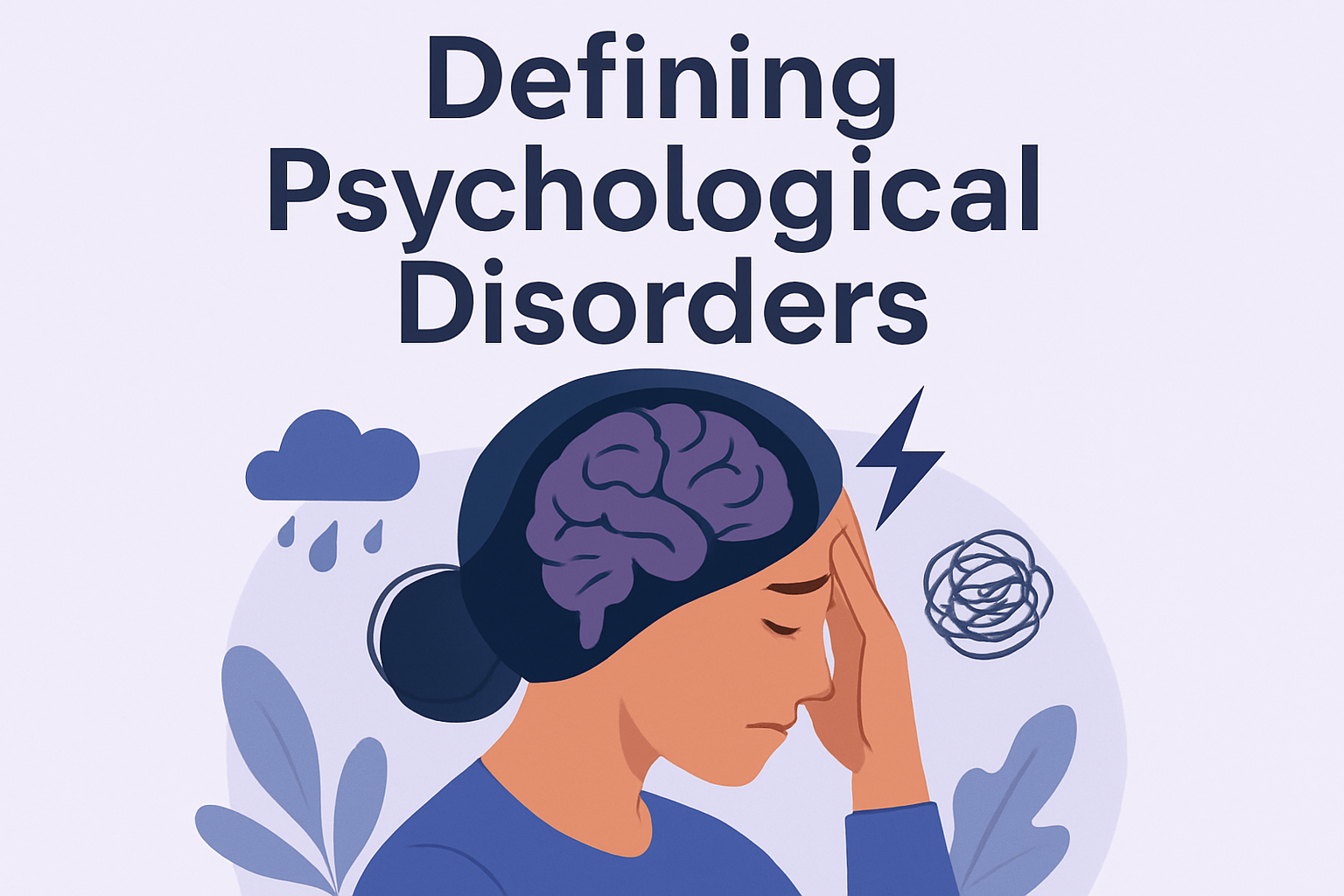
Understanding psychological disorders is not just an academic endeavor; it is a matter that deeply affects individuals, families, and communities worldwide. Psychological disorders, also known as mental disorders or mental illnesses, are patterns of thought, behavior, or emotions that cause significant distress or impair a person’s ability to function in daily life. People often use the terms interchangeably, though nuances exist. Defining these disorders involves recognizing symptoms, causes, and potential effects on individuals and society. The significance of comprehending these disorders lies in the empowerment it provides to those impacted directly or indirectly, enabling informed decisions, reducing stigma, and promoting better mental health care policies and interventions.
Understanding Different Types of Psychological Disorders
Psychological disorders can broadly be classified into various categories based on symptoms and diagnostic criteria. The Diagnostic and Statistical Manual of Mental Disorders (DSM-5), offers standard classifications for identifying these disorders. Some of the major types include mood disorders, anxiety disorders, psychotic disorders, eating disorders, and personality disorders.
Mood disorders involve disturbances in emotional states, commonly including depression and bipolar disorder. A real-world example is clinical depression, where individuals may experience prolonged periods of sadness, hopelessness, and lack of interest in activities they once enjoyed. Such symptoms drastically impair daily functioning and quality of life.
Anxiety disorders, characterized by excessive fear or anxiety, include conditions like generalized anxiety disorder (GAD) and panic disorder. For instance, a person with GAD might experience chronic worrying about everyday issues and bodily symptoms like restlessness, irritability, and sleep problems, affecting their day-to-day activities.
Identifying Symptoms and Diagnosis
The process of identifying a psychological disorder begins with recognizing symptoms that might deviate from so-called “normal” behavior. Health professionals rely on diagnostic tools like the DSM-5 or the International Classification of Diseases (ICD) to diagnose mental disorders. They conduct thorough assessments that may include interviews, questionnaires, and discussions about a patient’s history.
Let’s consider schizophrenia as a psychotic disorder with classic symptoms such as hallucinations, delusions, and disorganized thinking. A person experiencing hallucinations might hear voices when no one else does, which significantly alters their perception of reality. Correct diagnosis is crucial as it sets the path for suitable treatment options.
The Impact of Untreated Psychological Disorders
When psychological disorders go untreated, the consequences can be severe and far-reaching. The individual may face a range of difficulties, including deteriorating physical health due to neglect and self-care issues, increased risk of substance abuse, and a potential for self-harm or suicide.
For example, untreated post-traumatic stress disorder (PTSD) can lead to chronic anxiety, depression, and a persistent sense of fear. A war veteran with PTSD might relive traumatic events through flashbacks and nightmares, making it challenging to maintain relationships and work or even lead a fulfilling life. The societal impact includes economic burdens due to lost productivity and increased healthcare utilization.
Available Treatment Options
The treatment of psychological disorders typically involves a combination of psychotherapy, medication, and lifestyle changes. Psychotherapy, or talk therapy, offers individuals a platform to explore their thoughts and feelings, learn coping mechanisms, and build resilience. Cognitive-behavioral therapy (CBT) is one form that has shown efficacy across various disorders.
Medications, such as antidepressants, antipsychotics, and anxiolytics, help manage symptoms and restore chemical balance in the brain. However, medication is often most effective when combined with therapy. Lifestyle changes, including exercise, nutrition, and sleep hygiene, also contribute significantly to recovery.
The Importance of Early Intervention
Early intervention in mental health issues significantly improves outcomes. Catching a disorder in its nascent stages prevents it from escalating into more severe forms. Consider children showing signs of attention-deficit/hyperactivity disorder (ADHD). Early intervention through therapy and behavior modification can improve their focus and reduce impulsive behaviors, ultimately leading to better academic and social outcomes.
| Disorder | Symptoms | Treatment Options |
|---|---|---|
| Depression | Persistent sadness, loss of interest | CBT, medication |
| PTSD | Flashbacks, nightmares | Exposure therapy, EMDR |
| GAD | Chronic anxiety, restlessness | CBT, anxiety meds |
Stigmatization and Social Challenges
Despite advances in understanding and treatment, stigma around mental health disorders remains a substantial barrier. Stigmatization leads to discrimination, marginalization, and can deter individuals from seeking the help they need. For instance, an employee struggling with depression might fear being judged harshly by colleagues and possibly jeopardizing their job security, leading them to conceal their condition rather than seek professional help.
Combating stigma involves awareness campaigns, education, and policies that promote mental health parity. Organizations and media can play a significant role by portraying mental health issues accurately and empathetically, thus fostering a more inclusive society.
Technological Advancements in Diagnosis and Treatment
Technology is transforming the landscape of diagnosing and treating psychological disorders. Digital platforms and apps now offer assessments that help identify potential mental health issues using artificial intelligence and machine learning algorithms. These tools offer a preliminary analysis that individuals can discuss with healthcare providers.
Moreover, teletherapy has gained prominence, reducing geographic barriers and providing individuals more accessibility to mental health care. For a person living in a remote area with limited access to in-person therapy, online sessions can be a lifeline, offering the support they need without travel constraints.
Conclusion
The exploration of psychological disorders unveils the complexities and imperative need for awareness, understanding, and action. Through understanding the different types of disorders, recognizing symptoms, and appreciating the importance of timely intervention and treatment, individuals and society benefit significantly. Early intervention not only aids individuals in managing their conditions but also minimizes societal costs associated with untreated mental health issues.
Promoting mental health as an integral component of overall health encourages individuals to seek help without fear or shame, thus reducing stigma. By continuing to foster open dialogues and leveraging technological advancements, we edge closer to a society that views mental health with the importance it deserves.
For readers interested in furthering their understanding, consider participating in mental health awareness campaigns or supporting local initiatives aimed at improving mental health care access. Together, we can create an environment where everyone, irrespective of mental health status, is supported and valued.
Frequently Asked Questions
1. What are psychological disorders, and why are they important to understand?
Psychological disorders, also known as mental disorders or mental illnesses, are conditions that involve changes in emotion, thinking, or behavior (or a combination of these). They are associated with distress or problems functioning in social, work, or family activities. Understanding these disorders is crucial because they affect millions of people worldwide and can have a profound impact on individuals, their families, and communities. By recognizing and understanding psychological disorders, we can improve health care, reduce stigma, develop better treatment options, and provide support to those who need it. Furthermore, understanding mental health is fundamental for promoting overall well-being and mental fitness, which is just as important as physical health.
2. How are psychological disorders diagnosed?
Diagnosing psychological disorders involves a comprehensive assessment carried out by a licensed mental health professional, such as a psychologist or psychiatrist. This assessment may include a thorough interview about one’s current symptoms, personal and family history, mental and physical health evaluations, and sometimes standardized psychological tests. Professionals often refer to diagnostic manuals, such as the DSM-5 (Diagnostic and Statistical Manual of Mental Disorders, Fifth Edition) or the ICD-10 (International Classification of Diseases, Tenth Revision), to help establish a diagnosis. These manuals provide a careful description of symptoms and criteria that need to be met for diagnosing different mental health disorders, ensuring a consistent approach worldwide.
3. What are some common causes of psychological disorders?
Psychological disorders can arise from a complex mix of factors, much like other health conditions. These can include genetics, brain chemistry, trauma, abuse, significant life changes, and even biological factors or other medical conditions. Stressful events or a family history of mental health issues can increase one’s risk. It’s essential to understand that there is no single cause for any psychological disorder; rather, it is often the result of interrelated causes that add up to the feelings and experiences that mark mental illnesses. Recognizing this complexity helps in developing more tailored and effective treatment plans for individuals.
4. Can psychological disorders be treated, and what treatment options are available?
Yes, psychological disorders can often be effectively managed with therapy, medication, or a combination of both. Treatment is highly personalized, depending on the disorder and its severity. Psychotherapy, including cognitive-behavioral therapy (CBT) and other types of talk therapy, helps individuals understand and change problematic behaviors and thoughts. Medications such as antidepressants, mood stabilizers, or antipsychotics can help affect brain chemicals that influence mood and behavior. Additional treatments may include lifestyle modifications, such as exercise and changes in diet, as well as support groups and other community resources. It’s always recommended for an individual to work closely with their healthcare provider to identify the best treatment plan for their specific needs.
5. How can I support someone who is experiencing a psychological disorder?
Supporting someone with a psychological disorder involves offering understanding, empathy, and patience. It’s vital to listen without judgment and show that you care and that they are not alone. Encouraging them to seek professional help and offering to assist with finding a therapist or attending appointments can be incredibly beneficial. It’s also important to educate yourself about their specific mental health condition, as this can help inform how you provide support and understanding. Remember, taking care of your own mental health is important too, so seeking support from professionals or joining support groups for loved ones can be beneficial.