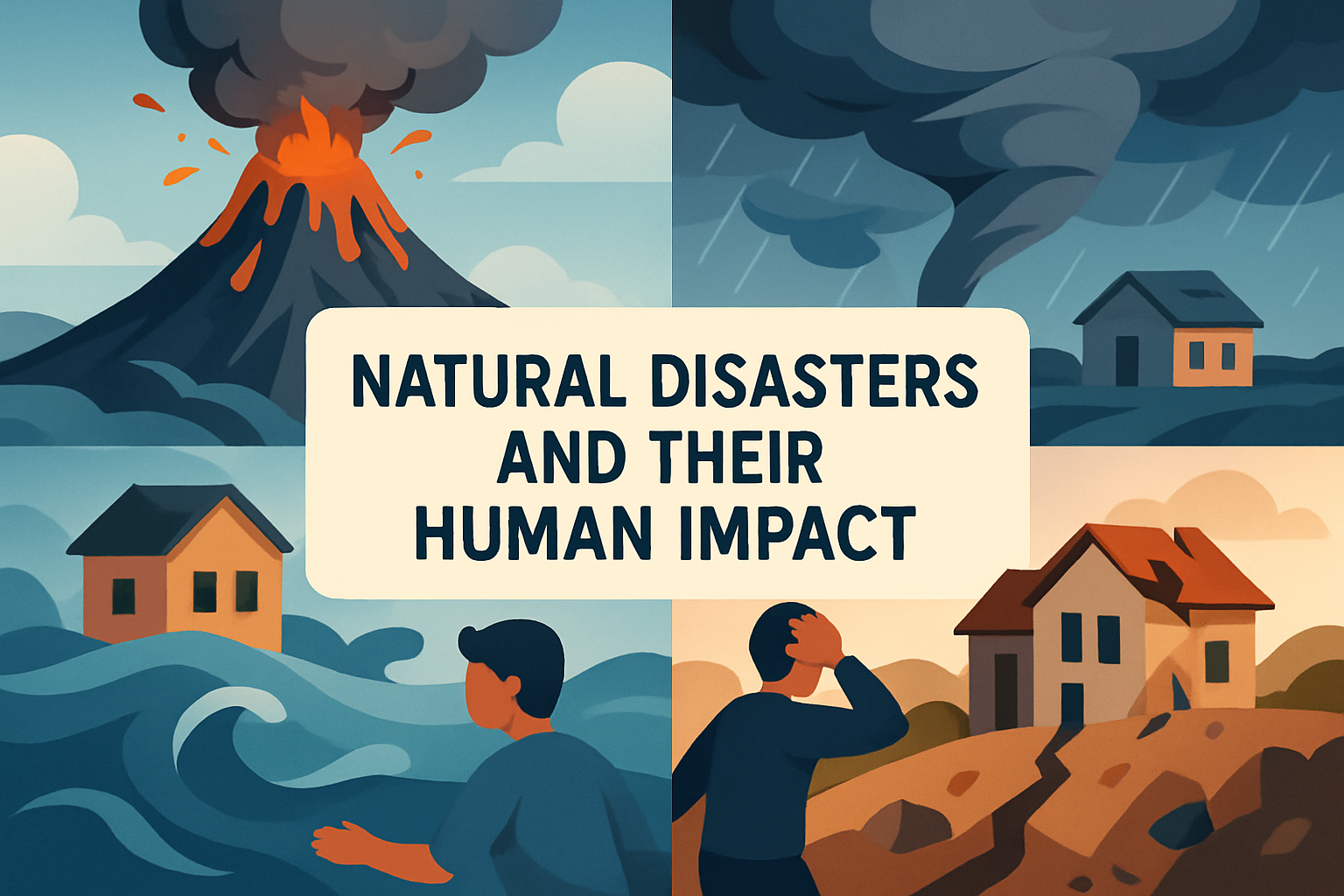
Natural disasters have always been a part of the Earth’s history. These events—ranging from earthquakes and tsunamis to hurricanes and wildfires—occur frequently and without warning, often leaving behind significant consequences for humanity. Understanding what constitutes a natural disaster is crucial in assessing its impact on human societies. A natural disaster can be defined as any catastrophic event with atmospheric, geological, or hydrological origins that results in significant damage to the environment and loss of life. The study and understanding of these phenomena are critical because they affect millions of lives each year and can have lasting repercussions beyond the immediate aftermath.
The relevance of examining natural disasters lies in their immense impact on human life and society. These catastrophic events wipe away homes, cause economic disruption, destroy communities, and can lead to long-term health, economic, and environmental consequences. With climate change potentially increasing the frequency and severity of such events, it becomes ever more important for communities and governments to prepare, respond and mitigate these disasters. By gaining insight into their nature and consequences, societies can better protect themselves and build resilience against future crises.
Types of Natural Disasters and Their Effects
Natural disasters come in various forms, each with distinct causes and ramifications. Among the most common types are earthquakes, hurricanes, floods, and wildfires. Each type not only causes its own unique set of challenges but also requires specific strategies for managing the aftermath. Let’s explore some of these types in detail, examining real-world examples for a comprehensive understanding of their human impact.
Earthquakes
Earthquakes are sudden, seismic shakes of the Earth caused by the movement of tectonic plates. They can be mild, causing little to no damage, or devastating, leading to building collapses, loss of lives, and massive infrastructure destruction. For instance, the 2010 earthquake in Haiti was a catastrophic disaster that resulted in over 230,000 deaths and left most of the infrastructure in ruins. Thousands were displaced, and the nation’s already fragile economy took a massive hit, highlighting the importance of preparedness and resilient infrastructure.
Hurricanes
Hurricanes, or tropical cyclones, are powerful storms characterized by strong winds and heavy rain. These storms can span hundreds of miles and cause catastrophic damage due to high winds, storm surges, and flooding. Hurricane Katrina in 2005 serves as an illustrative example. It ravaged the Gulf Coast of the United States, especially New Orleans, causing over 1,800 deaths and billions of dollars in property damage. The disaster exposed vulnerabilities in disaster preparedness and emphasized the need for effective evacuation and relief strategies.
Floods
Floods are another common and devastating type of natural disaster. They occur when water inundates land that is normally dry, often caused by heavy rainfall, storm surges, or dam failures. In 2022, severe flooding in Pakistan affected millions, displacing numerous families and submerging vast areas of land. This disaster highlighted the significant social and economic challenges posed by floods, including loss of property, agriculture, and increased susceptibility to waterborne diseases.
Wildfires
Wildfires are uncontrolled fires that rapidly spread across natural landscapes. They are often driven by dry conditions, high temperatures, and strong winds. Recent wildfires in Australia during the 2019-2020 season provide a harrowing example. These fires consumed millions of acres of land, destroyed thousands of homes, and resulted in significant loss of wildlife. The human impact includes not only immediate dangers and loss of property but also long-term health effects from smoke inhalation and environmental degradation.
| Type of Disaster | Main Trigger | Primary Impact | Real-World Example |
|---|---|---|---|
| Earthquake | Tectonic Movements | Building Collapse, Loss of Lives | 2010 Haiti Earthquake |
| Hurricane | Atmospheric Pressure | Wind Damage, Flooding | Hurricane Katrina, 2005 |
| Flood | Heavy Rainfall | Submersion, Displacement | Pakistan Floods, 2022 |
| Wildfire | Dry Conditions | Fire, Smoke Damage | Australia Wildfires, 2019-2020 |
Human Impact of Natural Disasters
Natural disasters result in a multitude of human impacts spanning physical, economic, and psychological domains. The repercussions of these events often last much longer than the disasters themselves, posing challenges that require long-term recovery efforts and support systems to address effectively.
Physical and Economic Impact
The physical impact of natural disasters is often immediate and highly visible, including destruction of homes, infrastructure, and vital facilities. Apart from rebuilding, the economic impacts can cripple communities and nations. For instance, after Hurricane Maria hit Puerto Rico in 2017, the island faced immense infrastructure damage, leading to long-term power outages and an overall cost exceeding $90 billion. The economic shockwaves were felt across multiple sectors, affecting countless businesses and livelihoods, and necessitated a long-term recovery plan.
Psychological Effects
The psychological impact of natural disasters is profound and extends beyond the event itself. Survivors often experience trauma, anxiety, depression, and PTSD due to the loss of loved ones, homes, and a sense of security. For example, survivors of the 2004 Indian Ocean tsunami reported long-term psychological distress. Numerous NGOs and governments initiated mental health support programs to help individuals cope with the trauma, illustrating the critical need for mental health interventions in disaster response and recovery.
Environmental Consequences
Natural disasters have significant environmental impacts that can alter ecosystems and biodiversity. The ecological footprint of wildfires, for example, can be extensive, leading to loss of flora and fauna habitats, soil erosion, and altered landscapes. The California wildfires of 2020 led to the loss of millions of forested acres and released substantial greenhouse gases, contributing to climate change. Such events necessitate reforestation and environmental restoration initiatives to restore ecosystems and mitigate future disaster risks.
Humanitarian Response and Mitigation Strategies
In the wake of natural disasters, humanitarian aid and effective mitigation strategies become essential to prevent further losses and facilitate recovery. Strategies include disaster preparedness, building resilient infrastructure, and implementing early warning systems to reduce vulnerabilities and improve response times.
For instance, Japan’s rigorous building codes and early warning systems have minimized casualties in past earthquakes. The 2011 Tohoku earthquake and tsunami, though devastating, saw fewer casualties than could be expected given the magnitude, due to Japan’s preparedness measures. This example highlights the importance of investing in research, infrastructure, and public awareness to strengthen community resilience against natural calamities.
Conclusion: Building Resilience and Preparedness
In summary, natural disasters pose a significant threat to individuals and societies worldwide. Understanding the types, impacts, and effective response strategies is crucial in navigating the challenges these events present. By examining real-world examples, it becomes evident that while the immediate effects of natural disasters can be devastating, proactive preparedness and resilience-building can significantly mitigate these impacts.
The key takeaways include the necessity of efficient disaster response systems, robust infrastructure, community education, and international cooperation to manage and reduce the risks associated with natural disasters. The importance of psychological support and environmental restoration should not be overlooked, as they are vital components of the recovery process.
As individuals and communities, there is a collective responsibility to advocate for policies and practices that emphasize disaster readiness and resilience. By taking these steps, we can not only save lives but also build stronger, more resilient societies that are better equipped to face the inevitable challenges posed by natural disasters. Take action now by staying informed, participating in community drills, and supporting initiatives aimed at reducing disaster risks.
Frequently Asked Questions
1. What are the most common types of natural disasters and how do they occur?
Natural disasters come in various forms and occur as a result of different natural processes, broadly categorized into atmospheric, geological, and hydrological disasters. Among the most common are earthquakes, hurricanes, tsunamis, and wildfires.
Earthquakes happen due to the movement of tectonic plates beneath the Earth’s crust. When these plates collide, slide against each other, or pull apart, the energy released causes the ground to shake. This seismic activity can lead to significant destruction, particularly in urban areas.
Hurricanes, also known as cyclones or typhoons depending on their location, result from atmospheric conditions. They form over warm ocean waters and are characterized by strong winds, heavy rain, and storm surges. These storms gain energy from warm, moist ocean air before making landfall, where their impact can be devastating to human life and infrastructure.
Tsunamis are large sea waves triggered primarily by underwater earthquakes, volcanic eruptions, or landslides. These waves travel across oceans and can surge inland when they reach shallow waters, causing catastrophic flooding in coastal areas.
Wildfires occur in areas with dry conditions and are often sparked by lightning or human activities such as campfires or discarded cigarettes. These fires can spread rapidly, fueled by vegetation and wind conditions, and lead to widespread destruction of property, wildlife habitats, and occasionally human settlements.
2. How do natural disasters impact human populations and communities?
Natural disasters significantly impact human populations in numerous ways, both immediately and in the long term. The immediate effects include loss of life, injury, and the destruction of homes and critical infrastructure. Disasters can overwhelm local healthcare systems, disrupt utilities like water and electricity, and strain emergency response efforts.
In the aftermath of a natural disaster, communities often face challenges such as temporary displacement as people are forced to evacuate from their homes. Long-term impacts include economic losses from damaged businesses and livelihoods, as rebuilding efforts can be costly and time-consuming. Natural disasters also have psychological effects, causing trauma and stress, particularly among those who have experienced loss or are living in uncertain conditions.
Moreover, natural disasters can exacerbate social inequalities. Vulnerable groups, including the elderly, low-income communities, and those without access to adequate resources, are often disproportionately affected. Recovery efforts sometimes overlook these populations, leading to longer-term socio-economic disparities.
3. What measures can be taken to reduce the impact of natural disasters on human life?
Reducing the impact of natural disasters on human life requires a combination of preparation, mitigation, and response strategies. Preparation involves educating communities about disaster risks and implementing early warning systems that can alert populations about impending dangers, providing vital time to take protective actions.
Mitigation efforts focus on reducing the severity of potential disasters. This can include constructing buildings that are more resilient to earthquakes, creating levees and floodgates to manage floodwaters, and implementing firebreaks in areas prone to wildfires. Urban planning plays a crucial role in mitigation by ensuring infrastructure is designed with disaster resilience in mind.
Effective response strategies are also critical. This means ensuring that emergency services are well-coordinated and equipped to deal with a disaster, from rescuing individuals to providing temporary shelter and medical care. Local and international organizations often collaborate to deliver supplies, distribute aid, and assist with recovery efforts.
Additionally, fostering community resilience through ongoing education and preparedness drills helps empower populations to act swiftly and effectively during crises, ultimately reducing the overall impact on human life.
4. How does climate change influence the frequency and intensity of natural disasters?
Climate change significantly influences both the frequency and intensity of certain natural disasters, primarily through alterations in weather patterns and environmental conditions. As global temperatures rise, oceans are warming, which contributes to more powerful and frequent hurricanes and cyclones since these storms draw energy from warm ocean waters.
Increased temperatures also lead to more prolonged and severe droughts, creating conditions ripe for wildfires. Coupled with shifting precipitation patterns, regions that were not historically prone to drought conditions are now more susceptible, thereby increasing the likelihood of fire outbreaks.
Climate change can also exacerbate the impacts of floods. Melting glaciers and polar ice caps contribute to rising sea levels, amplifying the effects of coastal flooding and increasing the risk of tsunamis affecting low-lying areas. Furthermore, more intense rainfall events are becoming common, which can overwhelm drainage systems and lead to catastrophic flooding in both urban and rural regions.
Overall, climate change serves as a catalyst for more frequent and severe weather-related disasters, highlighting the need for adaptive strategies to mitigate these long-term threats.
5. How can individuals prepare themselves and their families for a natural disaster?
Individual and family preparedness is key to reducing the risks associated with natural disasters. One of the first steps is to develop a comprehensive emergency plan that includes evacuation routes, communication strategies, and designated meeting places if family members become separated.
It’s important to assemble an emergency kit containing essential items such as non-perishable food, bottled water, first-aid supplies, flashlights, batteries, and important documents. Families should also consider specific needs, such as medications, children’s supplies, or pet care items.
Staying informed is crucial. This involves keeping updated with local news and emergency alerts, understanding the specific risks in one’s area, and participating in community preparedness programs that might include drills or information sessions about different types of disasters.
Additionally, home maintenance improvements can increase safety, such as securing heavy furniture to walls to prevent tipping during earthquakes or installing storm shutters for hurricane-prone areas. Having insurance that covers natural disasters can also provide financial protection and aid recovery efforts.
Ultimately, being proactive and knowledgeable about the steps to take before, during, and after a disaster can significantly increase the likelihood of safety for individuals and families in any crisis.