
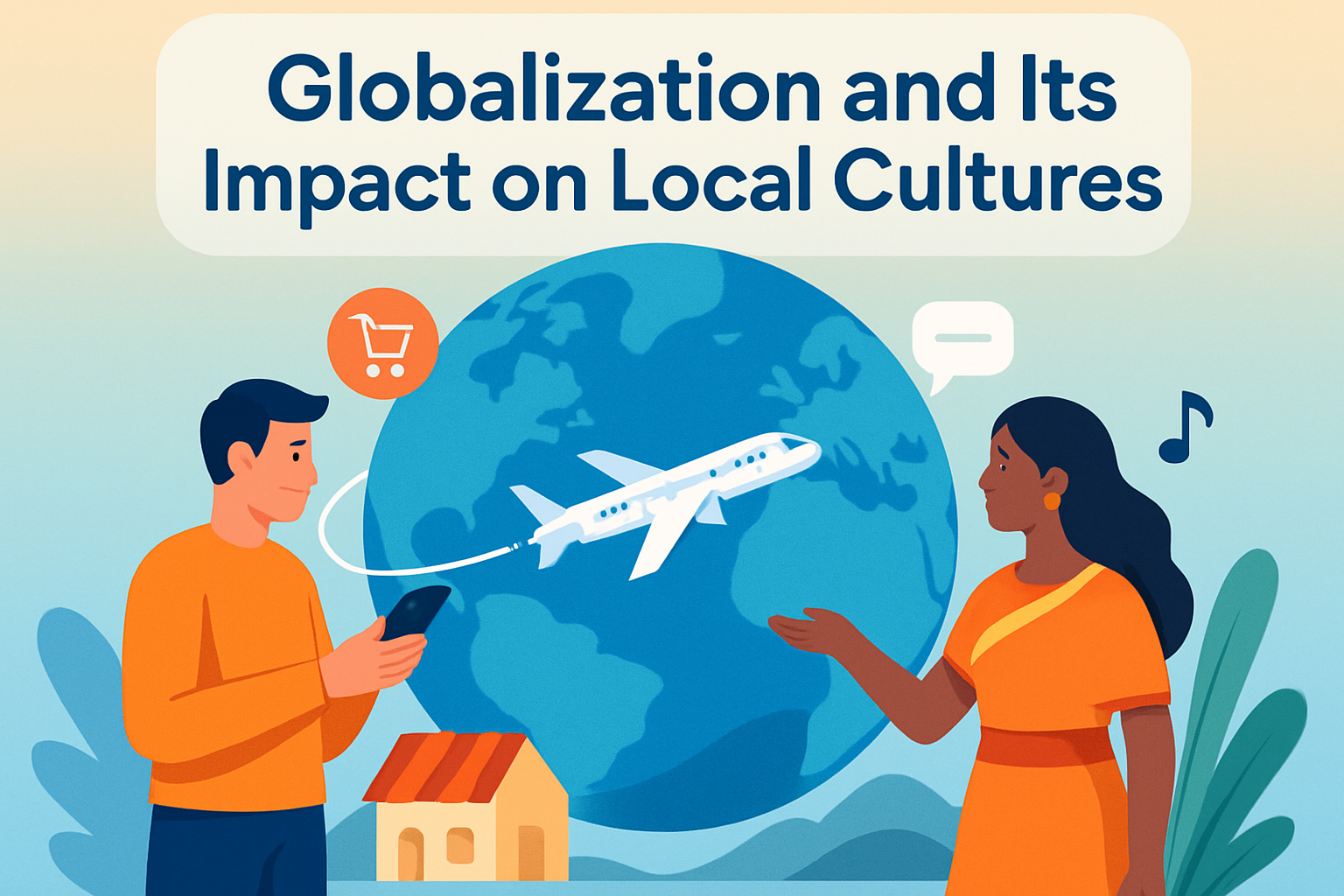
In today’s interconnected world, the term “globalization” is one that holds significant weight and consequence. It refers to the process by which businesses or other organizations develop international influence or start operating on an international scale. It encompasses the exchange of goods, services, information, technologies, and cultural practices across national borders, leading to economic and cultural integration. The importance of globalization cannot be overstated, given its profound impact on local cultures around the world. Understanding its implications is crucial because it affects cultural identity, economic development, and political dynamics in various regions.
Globalization matters because it shapes how we interact with one another on a global platform, influencing everything from what we eat and how we dress to how we communicate and entertain ourselves. The melding of cultures can foster innovation and creativity but also poses challenges by sometimes leading to cultural homogenization and the dilution of unique cultural identities. In this article, we delve into the intricate relationship between globalization and local cultures, exploring its positive and negative impacts, illustrated with real-world examples.
The Evolution of Cultural Exchange Through Globalization
Globalization has accelerated the rate at which different cultures interact and influence one another. In the past, cultural exchange occurred at a slower pace due to limitations in travel and communication. However, with advancements in technology, the internet, and international travel, cultural exchange is now almost instantaneous.
One striking example of cultural exchange facilitated by globalization is the global popularity of South Korean pop culture, popularly known as the “K-wave” or “Hallyu.” Korean television dramas, films, and music have gained massive followings worldwide, showcasing how globalization can introduce elements of one culture to global audiences. This movement has not only popularized Korean culture but has also led to an increase in tourism, boosting the country’s economy. The acceptance and embracing of foreign cultures can foster mutual respect and understanding.
Globalization Leading to Cultural Homogenization
Despite the positive aspects of cultural exchange, globalization often leads to cultural homogenization, which is the process where local cultures lose their unique characteristics and become more like a dominant culture. This can result in the loss of cultural heritage and diversity, which are vital to the identity and history of people around the world.
The spread of Western fast food chains is a prime example of cultural homogenization. As chains like McDonald’s, KFC, and Starbucks become common fixtures in cities across the globe, traditional cuisines often take a backseat. While these establishments offer convenience and a taste of Western culture, they often lead to changes in local eating habits and preferences. In some cases, this results in the closure of local eateries that cannot compete with the marketing power and standardization of international chains.
The Economic Impact on Local Cultures
Globalization is intrinsically linked to economic development and can greatly impact local cultures, particularly in developing countries. By opening up markets and providing access to new technologies and skills, globalization can help lift communities out of poverty and foster economic growth. However, the influx of international businesses can also have adverse effects on local industries and cultural practices.
- Increased job opportunities due to foreign direct investment (FDI)
- Potential for local industries to grow by accessing international markets
- Challenges to traditional industries and agricultural sectors that may struggle to compete with international companies
To illustrate, the garment industry in Bangladesh has experienced significant growth due to globalization. Many multinational companies have established manufacturing facilities in the country, attracted by low labor costs. This has provided employment to millions and contributed to the country’s GDP growth. However, it has also raised concerns about labor rights, working conditions, and the sustainability of local crafts which get overshadowed by the mass production of garments.
Technology as a Catalyst for Cultural Changes
The role of technology in globalization cannot be underplayed. It serves as a conduit for cultural exchanges and transformations. Technology has made it possible to access global media and entertainment, connect with people across continents, and participate in global discussions, all of which influence local cultures.
Social media platforms such as Facebook, Instagram, and TikTok have created spaces where cultures can be shared and debated. These platforms allow individuals to showcase their traditions, languages, and lifestyles to a global audience, enabling cultural appreciation. At the same time, viral trends can sometimes overshadow smaller cultural narratives, leading to a shift in cultural values and norms.
In India, the rise of digital platforms has seen the traditional art forms of dance and music being shared with wider audiences. While young performers gain international recognition through platforms like YouTube, it also raises concerns about the purity and authenticity of traditional performances that may be altered for broader appeal.
The Role of Policy and Governance in Preserving Local Cultures
As global forces impact local cultures, governments and institutions play a crucial role in preserving cultural heritage. Policies focused on cultural preservation, education, and support for local industries can mitigate the risks of cultural erosion due to globalization.
Governments can support local cultures through initiatives such as:
| Initiative | Impact |
|---|---|
| Funding for cultural heritage projects | Preserves historical sites and traditions |
| Promotion of cultural activities | Encourages community engagement and appreciation for local culture |
| Education programs focused on cultural identity | Ensures younger generations value and uphold cultural practices |
An example can be seen in France, where the government has strict policies to protect the French language from being overwhelmed by English, ensuring the language thrives despite globalization pressures. Such efforts reflect the importance placed on maintaining cultural identity in a rapidly globalizing world.
Balancing Global Influences and Local Traditions
As we navigate the complexities of globalization, striking a balance between embracing global influences and preserving local traditions is key. This involves an intentional effort from individuals, communities, and governments to curate the aspects of globalization that benefit societies while safeguarding cultural heritage.
Communities can foster this balance by encouraging the fusion of global and local elements to create new traditions that honor both influences. For example, food festivals highlighting international and traditional cuisines can generate interest in local culture while embracing diversity.
Educational institutions also have a role to play in this balance by incorporating cultural studies in their curricula, helping students appreciate their heritage alongside global knowledge. By equipping future generations with this understanding, they can navigate and contribute to an interconnected world without losing their cultural roots.
Conclusion: Navigating the Global-Local Nexus
Globalization’s impact on local cultures is a complex and multifaceted subject, offering both challenges and opportunities. While it can lead to the dilution of unique cultural identities, it also provides a platform for cultural exchange and economic growth. The key is to find a balance that allows for both global connectivity and the preservation of local heritage.
Recognizing the importance of local cultures in the global context is vital for shaping policies, guiding economic development, and fostering harmonious international relations. As individuals and communities, it is important to actively participate in cultural preservation while embracing the positive aspects of globalization. By doing so, we ensure that local cultures continue to thrive amidst the tides of change.
We invite you to explore your own cultural heritage and share it with the world through conversations, social media, and support for local cultural initiatives. In doing so, you contribute to a global tapestry enriched by diverse and vibrant cultures, allowing both globalization and tradition to coexist and flourish.
Frequently Asked Questions
1. What is globalization and how does it affect local cultures?
Globalization is a multi-faceted process that involves the integration and interaction among people, companies, and governments worldwide. It primarily refers to the ways in which cultural practices, goods, information, and technology transcend national borders, often leading to greater interconnectedness and interdependence of the world’s economies and cultures. For local cultures, globalization can have both positive and negative impacts. On the positive side, it provides opportunities for cultural exchange, knowledge sharing, and access to a wider variety of goods and services. On the downside, globalization can lead to the erosion of local traditions and languages, as dominant global cultures can overshadow or influence local customs and beliefs. This cultural homogenization may manifest in the adoption of Western lifestyles, languages, and consumer habits, which can sometimes diminish the unique characteristics of local cultures.
2. How does globalization contribute to cultural homogenization, and what are its potential drawbacks?
Cultural homogenization is a phenomenon where different cultures become more similar due to the influence of predominant cultural trends, often facilitated by globalization. Through mass media, multinational corporations, and the pervasive reach of the internet, cultural elements such as language, entertainment, fashion, and consumer habits from dominant cultures, particularly Western cultures, spread globally and influence local cultures. One key example is the widespread prominence of English as the global lingua franca, which may overshadow local languages and dialects. The potential drawbacks of this homogenization include the loss of cultural diversity, as unique traditions, languages, and practices may be diminished or even lost altogether. Such a reduction in cultural diversity can lead to a loss of identity and heritage among local communities, as their traditional ways of life are diminished or replaced by more globally-recognized models.
3. Can globalization positively impact local cultures, and if so, how?
Yes, globalization can indeed have positive impacts on local cultures. One way is through the promotion and preservation of cultural heritage. By gaining access to global platforms, local cultures can share their unique traditions, art, music, and language with a wider audience, fostering cultural appreciation and awareness on an international scale. This can lead to increased opportunities for cultural tourism, which can provide a significant economic boost to local communities. Furthermore, the cross-cultural exchange facilitated by globalization can lead to greater understanding and tolerance among diverse groups of people. It can also inspire new forms of cultural expression, resulting in innovative fusions between traditional and contemporary practices. Ultimately, globalization allows for the blending of ideas and innovations that can invigorate local cultures, helping them to evolve and thrive in the modern world while maintaining their unique identities.
4. In what ways does globalization influence the preservation and evolution of traditional cultural practices?
Globalization influences both the preservation and evolution of traditional cultural practices in several ways. On the preservation front, globalization magnifies the importance of cultural heritage preservation by increasing global awareness of traditional customs and practices. Through digital media and international collaborations, local communities can showcase and document their traditions, potentially attracting support for their preservation. For example, certain artisanal crafts or musical styles that may have been at risk of being forgotten can gain recognition and support internationally, breathing new life into these traditions.
On the evolutionary side, globalization introduces new ideas and technologies that can lead to the adaptation and transformation of traditional practices. This might mean integrating new materials or methods into traditional crafts, or the fusion of musical styles that blend local sounds with global influences. While this can result in vibrant and innovative cultural expressions, it can also lead to tensions between maintaining traditional authenticity and adapting to modern tastes. Despite these tensions, the evolution spurred by globalization can enable cultures to remain relevant and dynamic in a rapidly changing world.
5. Are there strategies local cultures can adopt to mitigate potential negative impacts of globalization?
Several strategies can be employed by local cultures to mitigate possible negative impacts of globalization. Firstly, education and awareness campaigns focused on the value of local traditions and languages can foster pride and encourage communities, especially younger generations, to engage with and preserve their heritage. Language revitalization programs, for instance, can help ensure that local dialects are not lost over time. Secondly, local governments and cultural bodies can enact policies that support and fund cultural preservation efforts, such as grants for artists and artisans, or the establishment of cultural centers and museums that celebrate local heritage.
Building strong networks and forming partnerships with international organizations can also help cultural groups gain resources and visibility, allowing them to share their traditions globally while advocating for the importance of cultural diversity. Additionally, harnessing the power of technology and social media can provide platforms for local cultures to connect with audiences worldwide, helping to prevent marginalization in the global cultural landscape. Lastly, by promoting the concept of cultural pluralism—where multiple cultural identities coexist and are respected—societies can create environments that celebrate diversity rather than conformity, ensuring that local traditions continue to thrive alongside the forces of globalization.