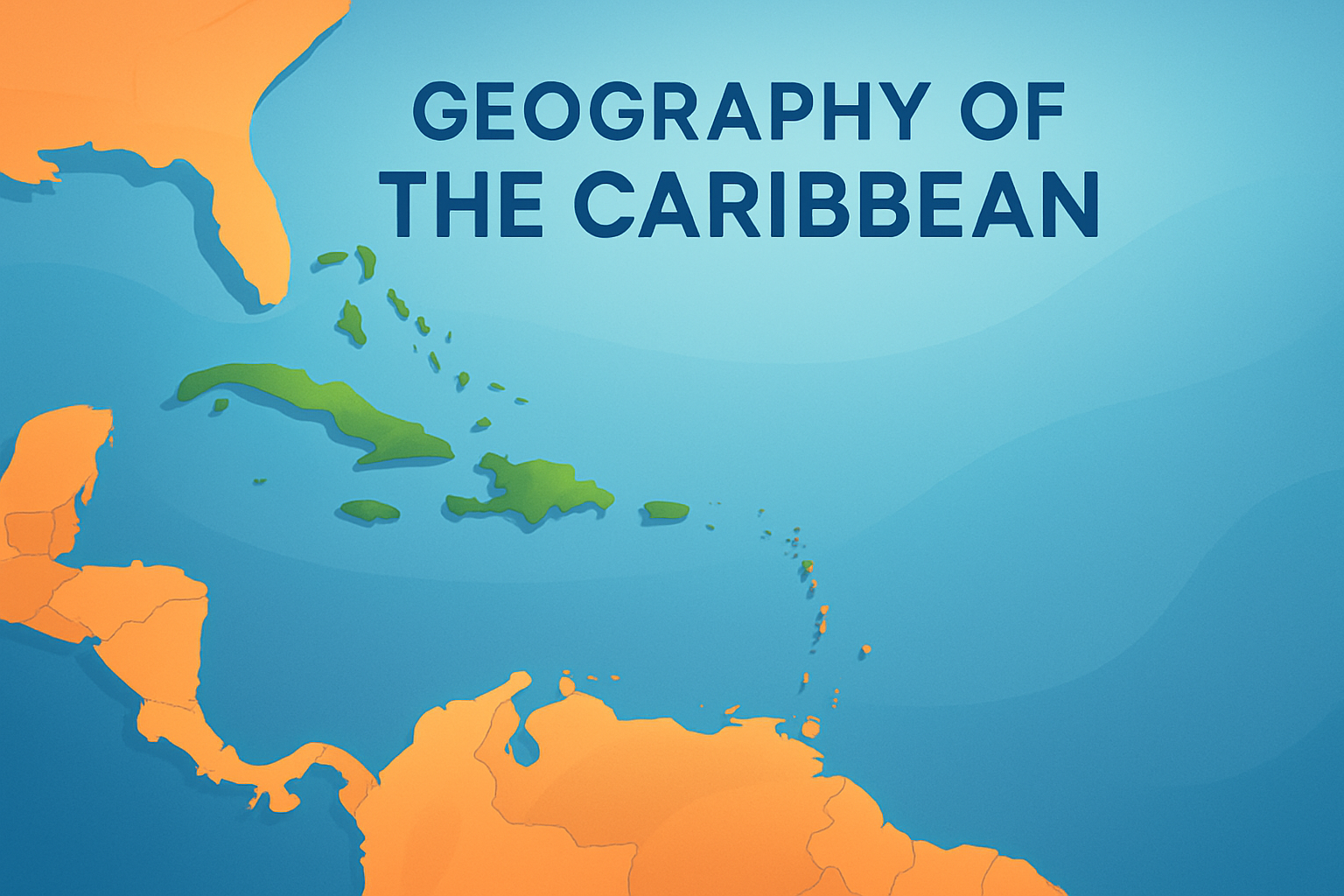
The Caribbean is a mesmerizing region with a rich tapestry of geographical diversity, spanning numerous islands in the Caribbean Sea. These islands are famed for their striking beauty, vibrant ecosystems, and varied landscapes. The region is home to around 7,000 islands, islets, reefs, and cays, forming an archipelago that extends from the southeastern tip of Florida to the northwestern coastline of Venezuela. As a study of geographical phenomena, the Caribbean offers valuable insights into natural environments, cultural intersections, and the impacts of geographic features on human habits. Understanding the geography of the Caribbean matters due to its profound connection with biodiversity, weather patterns, trade routes, and tourism. These interconnections influence global markets, conservation efforts, and geopolitical strategies. The topographical diversity, from mountainous islands to low-lying coral cays, presents opportunities for specialized studies and sustainable development practices, shaping the region socially and economically.
Geological Origins and Formation
The Caribbean’s current geographical layout is intricately linked to its geological history, primarily shaped by tectonic activities. The Caribbean Plate, a minor tectonic plate underlying half the region, plays a crucial role. Roughly 200 million years ago, as the supercontinent Pangaea began splitting, tectonic movements initiated the development of the Caribbean basin. The ongoing interactions between the Caribbean Plate with the North American, South American, and Cocos Plates give rise to seismic activities, including earthquakes and volcanic eruptions. These geologic processes have led to the formation of volcanic islands like Montserrat and the Lesser Antilles, noted for their rich volcanic soil supporting lush vegetation. A notable real-world example is the island of Saint Vincent, which is home to the Soufrière volcano. Its fertile lands support diverse agriculture, proving the importance of geological origins in sustaining ecosystems and local economies. Understanding these geological roots is vital for natural disaster preparedness, habitat conservation, and using resources sustainably.
Climate and Weather Patterns
Climate in the Caribbean is predominantly tropical, with high humidity and warm temperatures year-round, varying only slightly between seasons. However, the region is significantly impacted by the North American High, a system influencing temperature and precipitation. Rainfall patterns vary, with some areas receiving almost perpetual rain – like Dominica, often called the ‘Nature Island’ for its lush rainforests – while others are prone to arid conditions, such as Aruba. This climatic variability affects biodiversity and human activity. Hurricanes pose substantial weather-related challenges. The annual hurricane season, from June to November, poses threats of destructive winds and flooding, as seen in events impacting communities in Haiti and Puerto Rico. Despite these challenges, the climate offers benefits for tourism, agriculture, and renewable energy opportunities, like solar and wind power. Understanding these patterns enables better forecasting, infrastructure planning, and resilient community development, crucial for adapting to climate change.
Island Topographies and Landscapes
The diverse topographies of the Caribbean islands present a fascinating array of landscapes, shaped by volcanic activity, erosion, and coral reef formations. Volcanic islands such as Guadeloupe and Martinique exhibit rugged terrains with mountains and waterfalls. These features create unique microclimates supporting endemic fauna and flora, like the rare Saint Lucia parrot. Limestone-based islands, like the Bahamas, feature extensive cave systems and blue holes, superb for diving and cave exploration. Coastal regions showcase sandy beaches, mangroves, and barrier reefs, crucial for coastal protection and marine life habitats. An iconic example is the Great Blue Hole in Belize, offering insights into geological history and attracting divers worldwide. By studying and appreciating these landscapes, we recognize their immense ecological value and encourage conservation efforts to maintain these natural resources for future generations.
Population and Urbanization
The Caribbean’s diverse geography has influenced population dispersion and urban development. The distribution reflects historical settlement patterns, influenced by geography and European colonization. Coastal regions, with their harbors and fertile soils, have historically attracted human settlement. Jamaica’s Kingston, a primary port, exemplifies urban growth driven by geographic factors. In contrast, some areas remain sparsely populated due to challenging terrains like mountainous regions in Dominica and St. Kitts. Urbanization has led to environmental and infrastructural challenges, including habitat loss, pollution, and sustainable development issues. As tourism remains a vital economic pillar, understanding geographic influences on population centers helps in resource management, urban planning, and designing policies promoting equitable and sustainable growth.
Natural Resources and Economic Activities
The Caribbean’s geographic features affect natural resource availability and economic activities. The islands boast significant marine resources due to their expansive coral reefs, as in the case of the Mesoamerican Barrier Reef. This reef system supports fisheries, critical for local economies and food security. The Trinidad and Tobago petrochemical industry benefits from its oil and gas deposits, underpinning economic prosperity. Agriculture thrives on volcanic soils, with staple crops like bananas, sugarcane, and coffee sustaining livelihoods, as seen in Cuba’s vast sugar plantations. Tourism, linked to pristine natural landscapes, contributes substantially to GDP, underscoring geography’s role in economic viability. Managing these resources sustainably is key, requiring robust policies ensuring long-term prosperity.
Environmental Challenges and Conservation Efforts
The Caribbean’s rich yet fragile ecosystems face environmental threats due to geographic vulnerabilities. Coastal ecosystems are threatened by sea level rise and erosion, driven by climate change. The death of coral reefs, influenced by ocean acidification, jeopardizes biodiversity and fisheries. Deforestation for agriculture and urbanization leads to habitat loss and erosion, impacting water resources and wildlife. Countries have initiated various conservation projects to mitigate these effects. Jamaica’s Blue and John Crow Mountains, a UNESCO World Heritage site, exemplifies successful efforts in preserving biodiversity and cultural history. Educational programs promoting sustainable practices and eco-friendly tourism further aid conservation. By prioritizing environmental protection, the Caribbean nations aim to safeguard their unique ecosystems and promote resilience against climate impacts.
| Island Type | Examples | Main Characteristics |
|---|---|---|
| Volcanic | Montserrat, Dominica | Rugged terrains, fertile soil |
| Limestone | Bermuda, Bahamas | Flat, sandy beaches, cave systems |
| Coral | Cayman Islands, Belize | Coral reefs, rich marine life |
Conclusion
The geography of the Caribbean offers profound insights into how physical landforms shape ecosystems, cultures, and economies. The diverse geological origins and varied climate provide rich grounds for study, impacting everything from disaster preparedness to economic activities like agriculture and tourism. By studying the Caribbean, we can better appreciate its unique environmental challenges and opportunities, reinforcing the importance of sustainable practices to protect these treasured landscapes. To leverage this understanding, readers can support conservation initiatives, adopt sustainable travel practices, and encourage policies that foster resilience against environmental changes. Mitigating impacts of climate change and advancing sustainable development will help preserve the Caribbean’s geographical wonders for generations to come. Let us embark on a collective journey of learning and conservation, ensuring that these islands continue to thrive and enchant for years to come.
Frequently Asked Questions
1. How many islands make up the Caribbean, and are they all inhabited?
In the vast and stunning expanse of the Caribbean, there are approximately 7,000 islands, islets, reefs, and cays that create a breathtaking archipelago. Not all these islands are inhabited, which adds a layer of intrigue and mystery to the region. The dramatic geography stretches from the southeastern tip of Florida in the United States all the way down to the northwestern coastline of Venezuela. This diversity not only showcases a range of beautiful landscapes but also highlights the unique flora and fauna found across the varying ecosystems. Some of these islands are bustling with vibrant communities and cultures, while others remain untouched, offering solitude and the raw beauty of nature. The islands range dramatically in size and population, with some bustling with life and others being quiet, uninhabited paradises that are only occasionally visited by adventurers or scientists studying the region’s unique ecosystems.
2. What makes the Caribbean’s ecosystem so unique and vibrant?
The Caribbean is a treasure trove of diverse ecosystems, making it one of the most unique and vibrant places on the planet. The sheer number of islands, each with its own distinct landscapes and microclimates, fosters a variety of habitats that include lush rainforests, stunning coral reefs, and arid desert-like zones. This diversity supports an incredible array of wildlife, from colorful bird species such as the Jamaican Tody and the Cuban Trogon to marine life like the elusive Nassau Grouper and the majestic Hawksbill Turtle. The presence of extensive coral reefs is particularly significant since these ecosystems are among the world’s richest in marine biodiversity, acting as vital nurseries for fish and supporting thousands of marine species. Furthermore, the Caribbean’s tropical climate, characterized by warm temperatures year-round and seasonal rainfall, creates lush and fertile environments where a wide range of plant species thrive. This ecological wealth supports the region’s economies and cultures, underpinning the tourism industry, fishing, and traditional practices that depend heavily on the healthy state of these natural resources.
3. What geographical features are typical of Caribbean islands?
The islands of the Caribbean are characterized by an enchanting variety of geographical features that create stunningly picturesque landscapes. Many islands boast dramatic mountain ranges, with peaks like the Blue Mountains in Jamaica and the central Dominican Republic’s highest peak, Pico Duarte. These mountain ranges greatly influence local weather patterns and provide habitats for diverse ecosystems. In contrast, other islands feature expansive low-lying areas, such as the flat terrain found in the Bahamas. The region is also noted for its spectacular coastline features, including pristine sandy beaches that shine in golden and white hues and rugged cliffs that command breathtaking views of the turquoise sea. Inland features often include dense tropical rainforests, serene rivers, and cascading waterfalls like the iconic Dunn’s River Falls in Jamaica. The volcanic origins of many of these islands contribute to the striking volcanic landscapes seen in places like Saint Lucia’s Pitons and Montserrat’s Soufrière Hills. These geographical characteristics, combined with a favorable climate, make the Caribbean a haven for outdoor activities ranging from hiking and exploration to snorkeling and wildlife observation.
4. How have the islands of the Caribbean been formed geologically?
The intricate and captivating formation of the Caribbean islands is a result of millions of years of geological activity involving the movement and interaction of tectonic plates. The region lies near the boundary of the Caribbean Plate, which interacts with surrounding plates such as the North American, South American, and Cocos Plates. This tectonic activity has given rise to the variety of island formations found in the Caribbean today. Many islands, such as those in the Lesser Antilles chain, are of volcanic origin, formed by the subduction of the Atlantic oceanic crust beneath the Caribbean Plate. This process has created some of the region’s active volcanoes and rugged terrain. Other islands, like those in the Bahamas, are the product of coral reef and limestone formations, rising from shallow marine environments. This limestone composition often leads to the development of extensive cave systems and sinkholes, like the famous cenotes found on some islands. These dynamic geological processes have shaped a region rich in minerals and natural attractions, offering a window into Earth’s fascinating tectonic activities throughout history.
5. Why is the Caribbean considered a popular tourist destination?
The Caribbean is renowned as one of the world’s premium tourist destinations due to its idyllic combination of natural beauty, warm climate, cultural richness, and diverse recreational opportunities. Visitors are attracted to the region’s stunning beaches adorned with white and golden sands, offering a perfect backdrop for relaxation and water sports. The crystal-clear waters of the Caribbean Sea provide excellent opportunities for snorkeling and diving, where people can explore vibrant coral reefs teeming with marine life. Beyond the coastlines, the Caribbean’s remarkable landscapes, from rainforests and mountains to volcanic peaks, invite exploration and adventure through hiking, bird watching, and eco-tours. Culturally, the Caribbean offers a rich tapestry of history, music, dance, and culinary delights stemming from a blend of African, European, Indigenous, and Asian influences, reflected in vibrant festivals, lively markets, and a welcoming hospitality. Furthermore, the ease of accessibility, with numerous international flights and cruises, coupled with a variety of accommodation options ranging from luxurious resorts to cozy eco-lodges, makes the Caribbean an appealing destination for travelers seeking both relaxation and adventure.