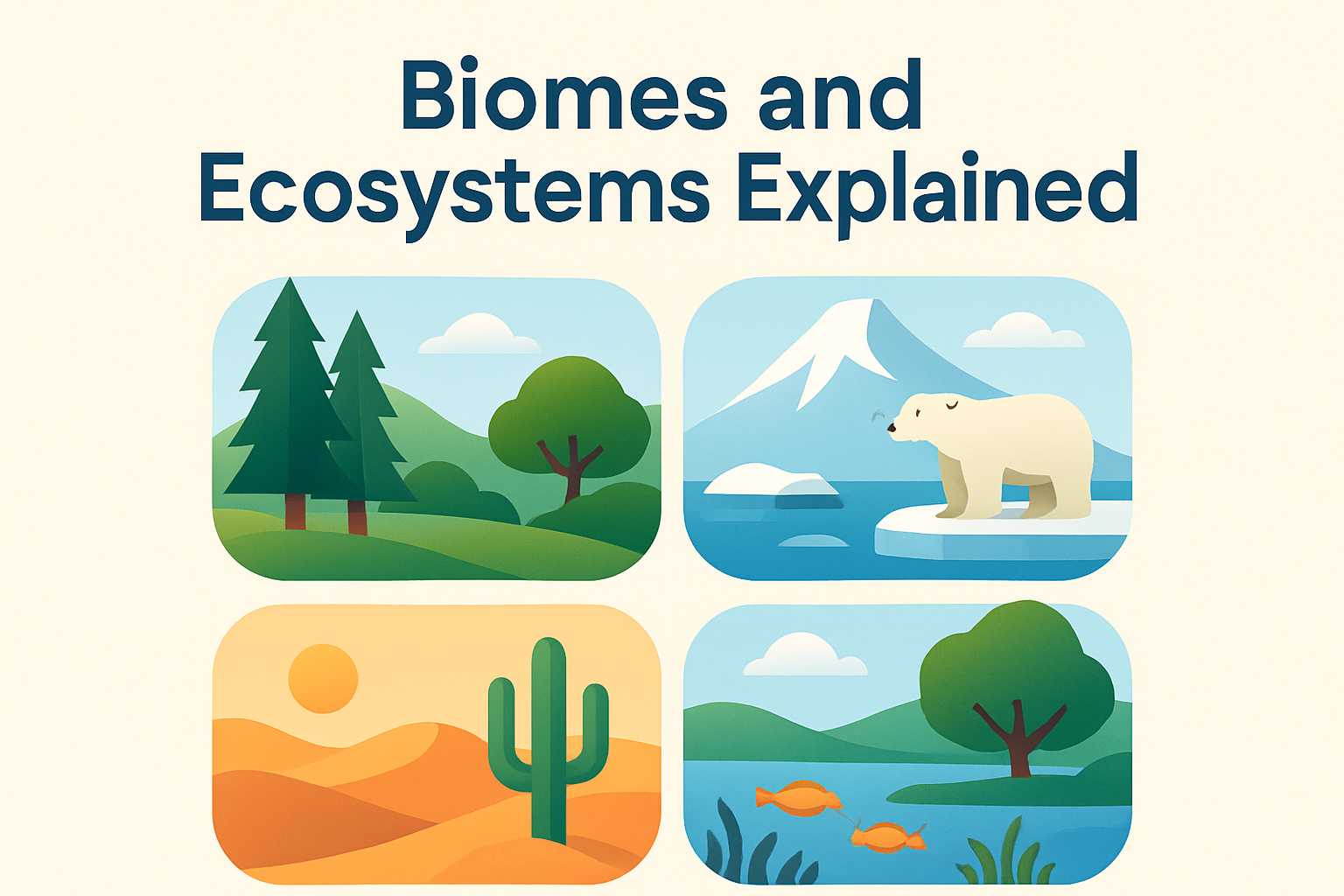
In the vast tapestry of our planet, biomes and ecosystems play a fundamental role in shaping the natural world. These terms, though often used interchangeably, represent distinct concepts crucial for understanding environmental science. A biome refers to a large geographical area characterized by its climate, soil, plants, and animals. It serves as a way to categorize the immense variety of life on Earth into comprehensible units. An ecosystem, on the other hand, denotes the community of living organisms, along with the non-living components, interacting within a specific environment. Both biomes and ecosystems are integral in maintaining the planet’s biodiversity, regulating climates, and providing resources necessary for human survival. Understanding these concepts is vital, not just for scientists and ecologists, but for anyone passionate about preserving the planet for future generations.
The Diversity of Biomes
Biomes encompass large-scale environments like forests, deserts, tundras, and grasslands, each presenting unique characteristics and serving as homes to a variety of life forms. For example, tropical rainforests, found in regions near the equator, are renowned for their biodiversity. The Amazon Rainforest, often dubbed the “lungs of the Earth,” produces about 20% of the world’s oxygen and is a habitation for countless species, many still undiscovered. Distinct wet and dry seasons, high humidity, and dense tree canopies mark these forests. This biodiversity hotspot highlights the intricate web of life where even the smallest insect plays a crucial role in sustaining the biome. Scientists constantly study rainforests to understand better their ecosystem services and the implications of their decline due to deforestation.
Understanding Ecosystems: A Closer Look
Ecosystems are the dynamic interactions between living organisms (biotic) and non-living (abiotic) components, influencing and supporting life cycles. Consider the aquatic ecosystem of coral reefs, often termed the “rainforests of the sea.” Located in tropical ocean waters, they are teeming with diverse marine life, including fish, corals, sponges, and crustaceans. Coral reefs provide essential benefits, such as coastal protection, habitat for marine species, and sources of sustenance for millions of people worldwide. However, these ecosystems are highly sensitive to changes in water temperature, pollution, and overfishing. A healthy coral reef ecosystem ensures biodiversity is maintained and coastal communities continue to thrive economically and culturally.
The Interplay of Biomes and Climate
Biomes are largely shaped by climate variations, which dictate the types of species that can survive in particular areas. Climate factors include temperature, precipitation, and seasonal shifts, each playing a fundamental role in defining biome characteristics. The Sahara Desert, for instance, is a harsh, arid biome where survival hinges on extreme adaptations. Only the hardiest plants and animals, including cacti and camels, find a niche here, demonstrating resilience in the face of harsh conditions. The interplay between biome and climate is crucial in determining food webs, species interactions, and the overall health of our planet. By studying these factors, scientists can predict and potentially mitigate the impacts of climate change.
- Tropical Rainforest Biome: High rainfall, high biodiversity, dense vegetation.
- Sahara Desert Biome: Low rainfall, extreme temperatures, sparse vegetation.
- Coral Reef Ecosystem: Warm ocean waters, high biodiversity, sensitive to environmental changes.
The Role of Ecosystems in Biodiversity
Ecosystems are crucial for sustaining biodiversity, serving as the matrix in which various species interact, coexist, and evolve. The Great Barrier Reef in Australia is a prime example of an ecosystem that supports enormous biodiversity. Spanning approximately 1,400 miles, it is home to over 1,500 fish species, 411 types of hard coral, and various birds and mammals. This diversity is not only vital for ecological balance and resilience but also offers significant economic benefits through fishing, tourism, and recreational activities. The richness of life within ecosystems like the Great Barrier Reef creates a tapestry of interactions that ensures ecological processes such as pollination, seed dispersal, and nutrient cycling continue unabated. Preserving biodiversity within ecosystems is imperative to maintaining their functional integrity and ensuring their benefits to humanity endure.
Human Impact on Biomes and Ecosystems
Human activities have profoundly impacted biomes and ecosystems, often disrupting their natural processes. Deforestation in the Amazon, for example, results in the loss of biodiversity, carbon sequestration capacity, and climate regulation. Similarly, pollution and overfishing have severely threatened marine ecosystems. Human-induced changes, such as urbanization and industrialization, alter habitats and reduce the availability of resources vital for many species’ survival. It’s essential to recognize the far-reaching consequences of our actions, as the degradation of biomes and ecosystems can lead to irreversible changes, including species extinction and loss of ecosystem services. Sustainable practices, conservation efforts, and policies aimed at mitigating human impact are critical in preserving the natural balance and ensuring the continuance of ecosystems’ benefits for future generations.
Conservation Efforts and Sustainable Practices
Conservation initiatives and sustainable practices are vital in safeguarding biomes and ecosystems from further degradation. Protected areas, biodiversity conservation projects, and policies targeting climate change mitigation are examples of efforts to preserve natural habitats. In Costa Rica, for instance, about 26% of the country’s land area is designated as protected parks and reserves, showcasing a commitment to maintaining its rich biodiversity. The country has become a leader in ecotourism, demonstrating how sustainable practices can simultaneously benefit conservation and local economies. Implementing sustainable practices such as responsible agriculture, reforestation, and renewable energy usage can significantly reduce harmful environmental impacts. Actively participating in and supporting these initiatives can help preserve biomes and ecosystems, ensuring biodiversity and natural resources endure for future generations.
Conclusion: Embracing a Sustainable Future
Biomes and ecosystems are the building blocks of our natural world, offering invaluable resources, services, and cultural significance. Understanding their complex interplay helps us recognize the importance of maintaining their health for the overall well-being of our planet. The diversity within biomes and ecosystems ensures the resilience of life on Earth, supporting ecological balance, climate regulation, and human prosperity. By acknowledging the impact of our actions and embracing sustainable practices, we can play an active role in protecting these vital natural systems. Every individual can contribute to preserving biodiversity and the health of our planet. Whether through supporting conservation efforts, adopting sustainable habits, or raising awareness, we can champion a more sustainable future. Let us commit to valuing and protecting our biomes and ecosystems, ensuring they continue to enrich our world for generations to come.
Frequently Asked Questions
1. What is the difference between a biome and an ecosystem?
Biomes and ecosystems are integral parts of our planet’s structure, but they refer to different aspects of the natural world. A biome is essentially a broad classification that groups together geographical areas that share similar climate, soil types, and living organisms, particularly plants and animals. Think of biomes as the global categories that help us organize the Earth’s diversity. For instance, you have biomes like the tundra, desert, or rainforest, each known for its distinct climate conditions and types of flora and fauna.
On the other hand, an ecosystem refers to the specific community of living organisms, such as plants, animals, and microorganisms, interacting with each other and their physical environment in a more defined geographical space. Ecosystems can vary greatly in size — from small ponds to vast forests — and they focus on the dynamic relationships that sustain life. These relationships include the food webs, nutrient cycles, and energy flows that connect all organisms within the ecosystem. So, while a biome classifies regions on a larger scale, an ecosystem delves into the intricate web of life and interactions within those regions.
2. How many biomes are there on Earth, and what are their main characteristics?
The Earth is traditionally divided into several biomes, each with unique characteristics that distinguish it from the others. The main recognized terrestrial biomes include:
Tundra: Known for its cold climate, this biome is found at high latitudes and is characterized by a short growing season, a layer of permafrost, and minimal vegetation such as mosses and lichens.
Desert: Recognized for its arid conditions, deserts have sparse precipitation and vegetation. The plants and animals here have adapted to conserve water efficiently. Deserts can be hot, like the Sahara, or cold, like Antarctica.
Grassland: These areas, also known as prairies or savannas, have moderate rainfall, preventing dense forests from forming. They are mostly covered by grasses and are home to large herbivores and predators.
Forest: Forest biomes, which include tropical, temperate, and boreal forests (taiga), are defined by dense tree cover. Each type of forest has its own climate specifics, biodiversity levels, and types of trees.
Rainforest: Found near the equator, these biomes are warm and moist year-round, leading to high levels of biodiversity and complex ecosystems with towering trees and many species of wildlife.
In addition to these, there are aquatic biomes such as freshwater, marine, and coral reefs, each with distinct characteristics related to water conditions and species present.
3. Can ecosystems exist within a single biome, and how do they function?
Absolutely, ecosystems can exist within a single biome and often, numerous different ecosystems thrive within the bounds of one biome. For example, within a forest biome, you might find multiple ecosystems like a river ecosystem, forest floor system, or tree canopy ecosystem. Each of these has its own community of organisms and environmental interactions.
Within an ecosystem, components include both biotic (living) elements — such as animals, plants, fungi, and bacteria — and abiotic (non-living) factors like sunlight, temperature, water, and nutrients. These components are interconnected through processes like photosynthesis, predation, decomposition, and nutrient cycling, ensuring that energy flows and matter cycles throughout the ecosystem effectively. Thus, ecosystems maintain balance and contribute to the greater health and stability of the biome they’re part of.
4. How do human activities impact biomes and ecosystems?
Human activities have a profound impact on both biomes and ecosystems. Urbanization, deforestation, pollution, and agriculture are significant ways human actions alter natural environments. These activities can lead to habitat loss and fragmentation, which threaten biodiversity by reducing the living spaces available to various species.
Pollution, from chemicals, plastic waste, or air contaminants, can disrupt the delicate balance of ecosystems. This disruption affects everything from soil nutrient levels to the health of aquatic ecosystems, which can lead to species decline. Climate change, driven by human-induced emissions of greenhouse gases, affects biomes by altering their climate characteristics. For instance, increased global temperatures can lead to the melting of tundra permafrost or the drying out of rainforests.
To mitigate these impacts, sustainable practices and conservation efforts are essential. This includes preserving natural habitats, implementing environmentally-friendly agriculture techniques, and reducing carbon footprints to support the health and resilience of biomes and ecosystems.
5. Why is biodiversity important within biomes and ecosystems?
Biodiversity is crucial for the stability and resilience of both biomes and ecosystems. It refers to the variety of life among different species, genetic variations within species, and the array of ecosystems in which life occurs. High levels of biodiversity within an ecosystem enable resilience to environmental changes like climate shifts, disease outbreaks, or catastrophic events. This means systems with rich biodiversity tend to recover more quickly from disruptions.
Furthermore, biodiversity contributes to ecosystem services that are vital for human survival and well-being, such as pollination, clean water, soil fertility, and climate regulation. Species diversity ensures ecosystem productivity, where each species plays a role in maintaining the cycle of energy flow and nutrient cycling. Essentially, biodiversity is a cornerstone of ecosystem health, providing the framework for functioning ecosystems that sustain life on Earth. Protecting biodiversity is, therefore, not only about conserving individual species but also about maintaining the overall health and sustainability of the ecosystems and, by extension, the planet’s biomes.