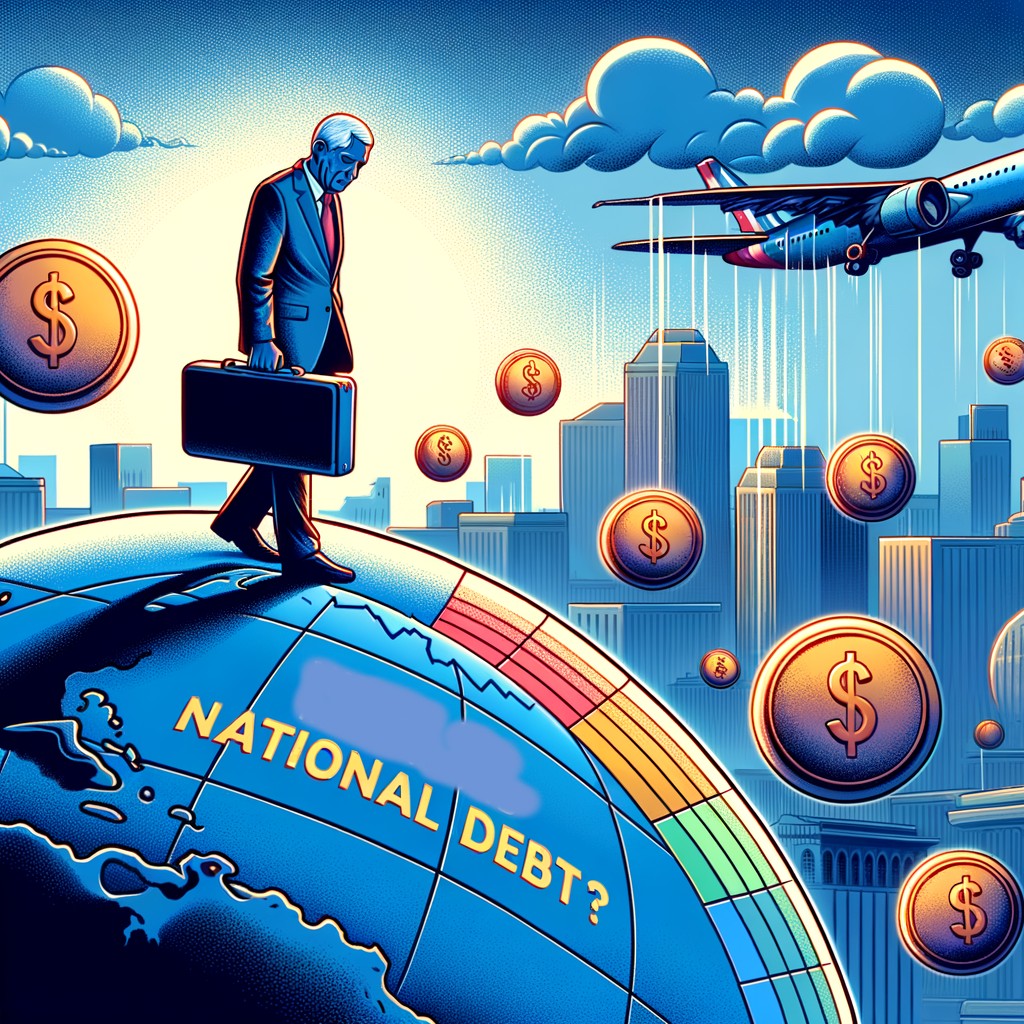
The national debt is a term that often emerges in economic discussions, political debates, and news headlines. Despite its frequent mention, the nuances of what constitutes the national debt, how it is accrued, and the far-reaching effects it holds may not be entirely clear to everyone. Understanding the national debt is crucial because it plays a pivotal role in shaping a country’s economic landscape and influences fiscal policies and economic health. In many nations, including the United States, the national debt is a paramount issue that has implications for both current and future generations. This article delves into the foundational aspects of the national debt, examining its causes, potential risks, and the overall impact it could have on the economy.
The national debt, at its core, represents the total amount of money that a country’s government owes to creditors. These creditors can include domestic and foreign entities, individuals, and organizations that have provided loans to the government to finance its operations. Various nations have differing thresholds and systems for managing this debt, and while some levels of debt can be sustainable and even beneficial to an economy, excessively high levels can pose significant economic challenges.
The reasons governments accumulate debt are multifaceted. They range from the need to fund large-scale infrastructure projects, cover budget deficits, stimulate economic growth, engage in emergency spending during crises, or finance public services and social programs. Each of these activities can necessitate borrowing when tax revenues and other income sources are insufficient.
However, the accumulation of national debt is not devoid of consequences. There are multiple risks associated with high national debt levels. These include strained governmental budgets, increased interest payments, potential inflationary pressures, and the possibility of reduced investment in public services. Moreover, the national debt can impact a country’s credit rating, affecting its ability to borrow at favorable rates in the future.
The impact of these factors and decisions related to national debt extend to the everyday lives of citizens. They influence fiscal policy, tax rates, and potentially the level of public services available. Understanding how national debt functions and its implications helps citizens and policymakers navigate decisions that affect a country’s economic future. Let’s delve deeply into the components driving national debt, potential risks, and overall impacts it has on society today.
What Constitutes National Debt?
National debt is composed of two primary components: public debt and intragovernmental holdings. Public debt refers to government securities sold to investors, including bonds, notes, and bills that carry a promise to repay the amount borrowed plus interest. These securities are obtained by both domestic and international investors ranging from individuals to institutions. Individuals may buy these securities as investments, directly linking ordinary citizens to the national debt.
Intragovernmental holdings are amounts borrowed from government funds allocated for specific purposes, such as social security or federal retirement accounts. This type of borrowing indicates that one part of the government owes another part, adding to the overall national debt.
Moreover, it is essential to distinguish between the national debt and the budget deficit. While the national debt represents the cumulative total of borrowing, the budget deficit pertains to a yearly inadequacy where government expenditures outstrip revenue. Consistently recurring budget deficits lead to an increase in national debt over time.
Key Causes of National Debt
The primary driver of national debt is government spending that exceeds its revenues. Various factors contribute to this scenario, such as periods of economic recessions, which cause tax revenues to shrink while increasing demand for social safety nets like unemployment insurance. Sometimes, strategic decisions are made to stimulate an economy during downturns through borrowing and spending, as seen with stimulus packages designed to boost consumer spending and business investments.
Military expenditures also significantly impact national debt. In times of armed conflict or extensive defense commitments, governments might borrow extensively to support these needs. Defense budgets can swell dramatically, adding to the overall debt when financed through government borrowing.
Infrastructure development is another key area where borrowing is often tapped, as infrastructure projects like roads, bridges, airports, and digital networks facilitate economic growth but demand substantial upfront costs.
Furthermore, tax cuts aimed at stimulating economic growth can sometimes lead to decreased government revenues. If these cuts are not offset by corresponding reductions in government spending, national debt can increase as borrowing bridges the shortfall.
Risks Associated with High National Debt
One of the foremost risks of elevated national debt is the cost of servicing it. As debt grows, so do interest payments, which can account for significant portions of the government budget that might otherwise be spent on public services, infrastructure, and social programs. High interest payments can also force governments to engage in further borrowing, creating a debt spiral that becomes difficult to break.
Economic instability can be exacerbated by national debt. Investors may lose confidence in a country’s ability to manage its debt, leading to higher borrowing costs, negatively impacting future governmental spending, and potentially impairing economic growth. A loss of confidence and a country’s credit downgrade can compound borrowing pressures.
Inflation is another risk, especially if the government resorts to printing money as a means of managing debt. Printing more money can lead to depreciation in the currency’s value, reducing purchasing power, and leading to inflationary pressures that undermine economic stability and growth.
High levels of national debt may also crowd out private investment. When governments absorb a large share of the financial capital available, less is available for businesses to borrow and invest, potentially hindering business expansion and job creation.
Impacts on Economic Policy and Society
The national debt influences economic decision-making at all levels. With significant portions of the budget allocated to debt repayment, less is left for discretionary spending on areas like education, healthcare, and infrastructure. This can impede a nation’s ability to invest in long-term economic growth drivers.
Fiscal policy is often affected as governments attempt to balance debt management with economic growth. Policymakers might introduce austerity measures, including cuts to public services or increased taxes, to address budget deficits or accumulated debt. Such measures can be politically controversial and socially divisive, affecting citizens’ quality of life, and potentially leading to public dissatisfaction or unrest.
Globally, high national debt levels might require governments to adhere to international financial regulations and obligate them to engage in austerity or economic reform programs, often mandated by financial organizations like the International Monetary Fund (IMF) or the World Bank. These programs can have far-reaching impacts on the country’s economy and its people, as well as future financial policy options.
For individuals, national debt levels can influence loan interest rates, as countries with high debt might struggle with inflationary pressures which central banks might counter with higher interest rates. This affects mortgage rates, business loans, and other personal credit options, impacting households and businesses alike.
Conclusion
Understanding the factors contributing to national debt, along with its effects, is pivotal for comprehending the broader economic environment. Governments accrue debt from multiple sources to bridge funding gaps, develop infrastructure, and implement policies aiming to stimulate economic growth. However, as economies expand and contract, these decisions have long-lasting implications that extend beyond government finance and affect ordinary citizens, impacting everything from interest rates and taxes to investments in key public services.
Managing national debt is a complex balancing act that requires strategic planning and forward-thinking policies. Governments must weigh the benefits of borrowing for growth against potential long-term risks to economic stability. High interest payments and inflation are tangible threats when debt is poorly managed. These factors necessitate an overarching understanding of both domestic circumstances and global economic conditions.
In conclusion, national debt reflects a nation’s financial health, guiding economic discussions among policymakers, economists, and the general public alike. Its implications are far-reaching and extend into the economic opportunities available for future generations. By understanding national debt, its causes, and its impacts, stakeholders can better navigate the complexities of national fiscal policies while striving to maintain economic stability and prosperity.
“`htmlFrequently Asked Questions
1. What is the national debt?
The national debt is essentially the total amount of money that a country’s government owes to creditors. It is a cumulative figure that represents the financial obligations of the government. This debt is usually financed by issuing government bonds, which investors purchase with the expectation of being repaid with interest in the future. When governments need to fund public projects, social services, or economic programs and their revenues fall short of the required funds, they resort to borrowing, thus increasing the national debt. The national debt is often divided into two components: publicly held debt, which is owned by investors outside the government, as well as intra-governmental debt, which is money that one part of the government owes to another.
2. What causes the national debt to increase?
Several factors can cause the national debt to increase. Primarily, it rises when a country’s government spends more than it collects in revenues—mostly from taxes. Such a situation results in budget deficits, where yearly expenses exceed yearly income, causing the government to borrow the necessary funds. Other causes include fiscal policy decisions, such as reductions in tax rates without simultaneous reductions in government spending, increased government spending on defense, healthcare, and social welfare programs, and economic downturns that reduce tax revenues while increasing public spending on unemployment benefits and stimulus measures. Additionally, unanticipated expenses, such as natural disasters or pandemics, can also necessitate increased government borrowing.
3. What risks are associated with a high national debt?
High levels of national debt can pose several risks to an economy. One major concern is the potential for higher interest rates. As the government increases borrowing, there can be pressure on interest rates to rise, which can lead to increased costs for both government and private sector borrowing. Another risk is reduced fiscal flexibility. A high debt burden can constrain future government spending and limit its ability to respond to economic crises or invest in public services and infrastructure. Additionally, if investors begin to doubt a country’s ability to repay its debt, it could result in a credit rating downgrade, increasing the cost of borrowing further. Lastly, excessive national debt can lead to inflation if the government decides to finance the debt by printing more money, thus devaluing the currency.
4. How does the national debt impact ordinary citizens?
Though it might seem like a distant issue, the national debt can have significant impacts on the everyday lives of citizens. Firstly, if the government dedicates a substantial portion of its budget to paying interest on the debt, there could be reduced funds available for public services, such as education, healthcare, and infrastructure development. Secondly, higher national debt can lead to increased taxes or reduced government benefits as administrations strive to manage fiscal balance. For individuals seeking loans or mortgages, increased national debt can translate to higher interest rates, making borrowing more expensive. Moreover, a significant level of debt could result in slower economic growth, influencing job creation, wage levels, and overall economic stability, which ultimately affects the standard of living.
5. Can reducing the national debt benefit the economy?
Yes, reducing the national debt has potential benefits for an economy. Primarily, it can lower the burden of interest payments, freeing up government resources to be allocated elsewhere, such as infrastructure, education, or healthcare. With reduced debt, governments might have the fiscal flexibility to cut taxes or invest in economic growth initiatives, spurring private sector investment. Additionally, a smaller debt load can bolster a country’s credit rating, reducing borrowing costs and attracting more investors, leading to more robust economic expansion. Moreover, reducing national debt can lessen the long-term fiscal burden on future generations, preventing the need for dramatic tax increases or spending cuts in the future. It can also instill confidence in investors and nations worldwide, signaling sustainable fiscal practices and economic health.
“`