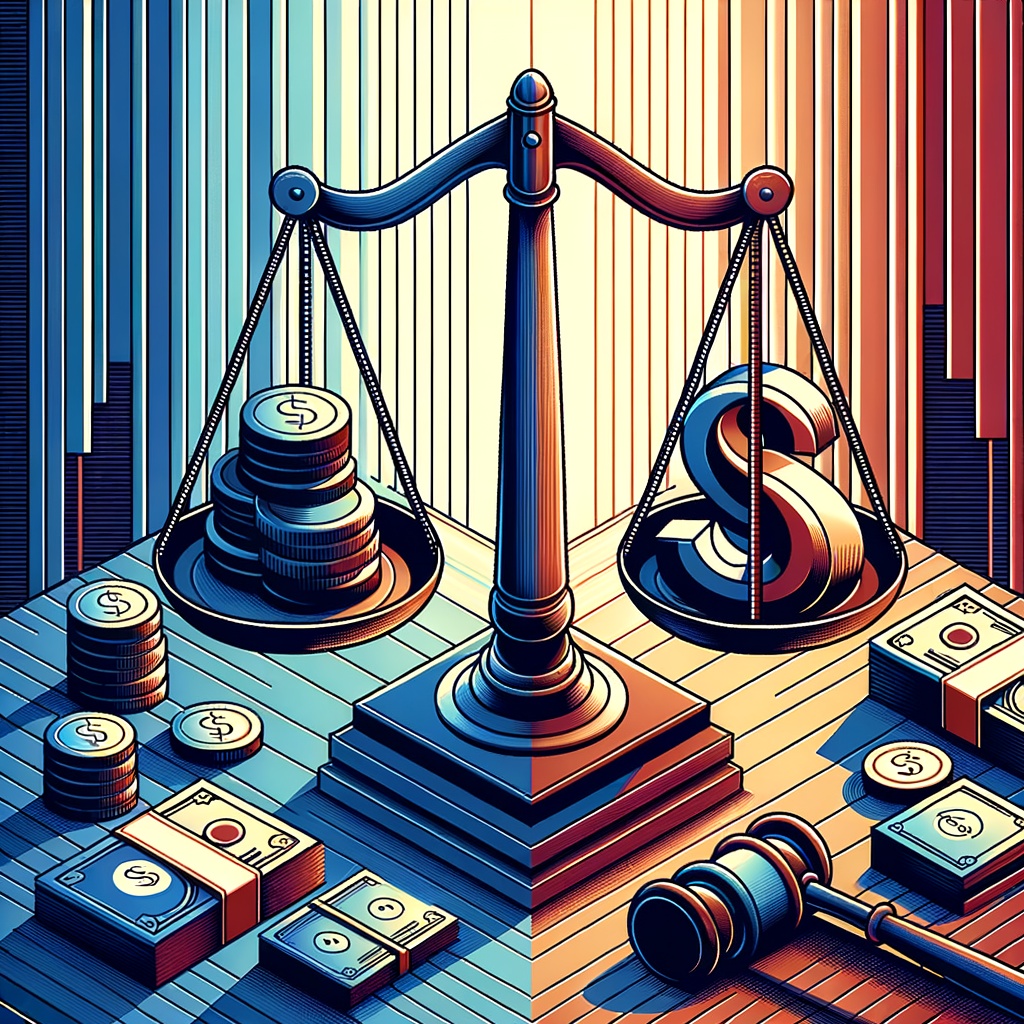
The intertwining of politics and economics creates a complex web that influences almost every aspect of our lives. From shaping public policies to determining the flow of resources, the relationship between these two domains is both intricate and delicate. Politics and economics can be seen as two sides of the same coin: politics provides the framework within which economic activity takes place, and economic conditions can significantly influence political landscapes. Understanding how these two areas interact is crucial, not just for policymakers and economists but for anyone interested in how societies function. This article will explore the relationship between politics and economics, examining how they influence each other, the key factors driving their interaction, and the broader implications of their interconnectedness.
The study of political economy, which encompasses the relationship between political and economic phenomena, has garnered increasing attention from scholars. However, its impacts remain highly relevant to everyday life, influencing employment, wealth distribution, governmental policies, and international relations. Different political ideologies also converge and clash regarding economic policies, and these interactions can usher in significant social and economic changes. This introduction aims to provide a foundational understanding of political and economic relationships to build upon as we delve deeper into this subject.
By exploring various components like regulation, taxation, trade, and global cooperation, we can better understand how economic decisions shape political realities and vice versa. This comprehensive understanding allows citizens to become more informed participants in democratic processes and equips policymakers with the knowledge to create balanced and effective strategies. As politics and economics continue to evolve in today’s world, a thorough grasp of their relationship empowers individuals to anticipate future trends and challenges. Through this exploration, we extend our understanding beyond the mere mechanics of each field, engaging in a dialogue that considers implications for equity, justice, and societal welfare.
The Dynamics of Political Influence on Economics
Politics fundamentally shapes economic policy, directly affecting financial environments, business climates, and individual livelihoods. Decisions made in legislative corridors have far-reaching consequences for economic sectors, influencing everything from interest rates to public spending and regulatory frameworks. Political institutions establish rules that govern economic transactions and interactions, setting the stage for the balance of economic power within a nation.
Taxation policy is one of the clearest examples of politics influencing economics. The way governments tax individuals and corporations can significantly affect economic behavior. High tax rates sometimes discourage investment and savings, while tax incentives can spur particular activities, such as investment in renewable energy or technological innovation. Through legislation, politicians decide how much citizens contribute to the public coffers and what those resources fund, thus dictating economic priorities.
Regulation is another political tool that has profound economic implications. Governments regulate industries to protect consumers, promote competition, and safeguard the environment. However, excessive regulation may stifle innovation, reduce efficiency, and inhibit economic growth. The balance politicians strike between regulation and free-market operations can determine the vibrancy or stagnation of sectors such as healthcare, banking, and telecommunications.
Moreover, government spending on public goods and services affects economic activity by influencing demand. Political decisions on whether to invest in infrastructure, education, or healthcare drive economic growth through job creation and improved productivity. Conversely, budget cuts often aim to reduce fiscal deficits but can result in economic contraction if not carefully managed.
Economic policies are, thus, an expression of political ideology. Different political parties espouse varying economic philosophies, usually aligning with broader ideological goals. For example, a socialist framework emphasizes wealth redistribution, increased social spending, and public ownership of resources. In contrast, more conservative, capitalist-oriented ideologies prioritize free markets, privatization, and limited government intervention in the economy. These ideological differences manifest in policies that significantly affect economic performance.
Economic Influence on Political Landscapes
Just as politics impacts economics, economic trends influence political landscapes. Economic prosperity or decline can make or break political careers, sway elections, and inspire policy shifts. The electorate’s economic well-being, accentuated by measures such as unemployment rates, inflation, or GDP growth, often denotes voter satisfaction or discontent. Political regimes that manage economic crises effectively often retain public support, while those failing to deliver economic stability or growth may face significant challenges.
Economic inequality is a crucial political issue shaped by economic conditions. High levels of inequality can lead to social unrest and political instability, prompting demands for policies that promise equitable wealth distribution, such as progressive taxation or welfare benefits. Political movements often leverage economic disparities to gain popularity, advocating for change through reforms or radical measures aimed at economic redistribution.
Global economic integration also plays a considerable role in political spheres. As economies intertwine through trade and investment, policies at a national level must account for international economic dynamics. For instance, globalization has led to debates around free trade agreements, protectionism, and currency policies. Economic alliances and conflicts frequently dictate diplomatic relations, alliances, and geopolitical strategies.
Environmental economics forces unique political considerations, as natural resource usage and climate change become central to political agendas. Economic reliance on fossil fuels, for example, poses significant challenges to environmental sustainability. Political leaders face pressure to formulate policies balancing economic prosperity with ecological preservation, a feat requiring international cooperation and often inducing political friction between industrialized and developing nations.
The Intersection of Politics and Economics in Global Context
International relations exemplify the intersection of politics and economics on a global scale. Trade agreements, economic sanctions, and international aid rest at this crossroads. Political decision-makers sculpt global economic policies that impact international investments and trade flows. A country’s political stability often favors stronger economic ties with others, while tumultuous politics can deter international partnerships and alliances.
The World Trade Organization (WTO) and International Monetary Fund (IMF) are leading institutions where political and economic agendas converge. Global economic governance looks to mediate economic disparities, yet involves intricate political negotiations among member states to harmonize policies favoring balanced global economic growth. Political tension often arises as countries balance national interests with commitments to international development and global economic stability.
Furthermore, emerging global challenges like climate change catalyze political action rooted in economic implications. Efforts to mitigate environmental impacts involve comprehensive agreements, such as the Paris Agreement, which demand significant economic sacrifices for nations investing in sustainable alternatives. Such coordinated efforts exemplify the challenging balance between achieving economic advancement and environmental responsibility.
Innovation and technology also reflect politics and economics’ interplay by reshaping markets and political narratives. As new technologies revolutionize industries, political frames often adjust to manage digital transformations through relevant economic policies. Political investments in technology propel economic growth by fostering environments primed for innovation and competition while impacting labor markets demanding fresh skills and adaptation.
Conclusion
The intricate relationship between politics and economics continuously shapes and reshapes societies, impacting everything from fiscal policies to global relations. The profound influence politics exert on economic policymaking highlights the importance of governance in guiding financial decision-making processes that dictate national and international prosperity. Equally, economies profoundly impact political landscapes, molding ideologies and influencing government credibility and effectiveness.
Recognizing the interconnectedness of politics and economics furnishes us with insights crucial for understanding and addressing modern societal challenges. More than ever, it is necessary for both policymakers and citizens to appreciate how these spheres overlap, ensuring balanced approaches as they navigate economic models and political ideologies. A nuanced understanding of these dynamics can aid in crafting policies that promote sustainable economic growth, inclusive prosperity, and political stability.
The ongoing dialogue between political and economic forces will continue influencing future developments, prompting us to remain vigilant and adaptive. Academics, practitioners, and the general populace stand to benefit significantly from a comprehensive evaluation of this relationship, identifying opportunities for prosperity, equity, and environmental stewardship amidst constantly evolving challenges.
In conclusion, the symbiotic relationship between politics and economics underlines the essence of a well-functioning and prosperous society. Policymakers must engage in informed, coherent strategies that reflect the equally dynamic realms of political innovation and economic prudence. By acknowledging both spheres’ significance, societies can better align policies with aspirations for a globally integrated and economically resilient world.
Frequently Asked Questions
1. How do politics and economics influence each other?
The relationship between politics and economics is indeed a dynamic interplay where each realm significantly impacts the other. Politics sets the stage by establishing the rules, regulations, and institutional structures that dictate how economies operate. For example, governmental policies can influence tax rates, interest rates, and trade laws, which in turn affect businesses and individuals. On the flip side, the state of the economy can heavily influence political decisions. Economic conditions such as unemployment rates, inflation, and economic growth can sway public opinion and determine voter behavior, thereby influencing electoral outcomes. Ultimately, this cyclical interaction makes it evident that politics and economics are not only interconnected but essential to understanding societal structures as a whole.
2. What role do governments play in shaping economic policy?
Governments play a pivotal role in shaping economic policy through a variety of mechanisms. They have the authority to create and enforce legislation that impacts economic activities directly. This includes setting fiscal policies such as taxation and government spending, which can stimulate or slow down economic growth. Governments also regulate industries to ensure fair competition, protect consumers, and maintain economic stability. Through monetary policy, often managed by central banks, governments can influence interest rates and control money supply to manage inflation and unemployment. The policymakers’ ability to balance these decisions while addressing social needs underlines the complex task of economic governance.
3. Can economic conditions affect political stability?
Absolutely, economic conditions can have a profound impact on political stability. When an economy is thriving, it can lead to increased public satisfaction and support for the governing bodies. However, economic downturns often contribute to political unrest. High unemployment, inflation, or recession can create public discontent, leading to protests, social movements, and sometimes even regime changes. The link between economic conditions and political stability is evident in history, where economic crises have often preceded major political upheavals. As such, governments strive to maintain a healthy economy to foster political stability and prevent potential disruptions.
4. How does international politics affect the global economy?
International politics profoundly affects the global economy in several ways. Political relations between countries can dictate international trade dynamics. Diplomatic tensions, tariffs, and trade agreements all influence the flow of goods and services between nations. Additionally, international economic policies, often negotiated in political contexts, affect currency exchange rates and global financial markets. Political stability or instability in a single country can send ripples across global markets, influencing international stock exchanges and investment flows. As global economies become increasingly interconnected, the political decisions made by one nation can significantly affect economic conditions worldwide, emphasizing the integral role international politics plays in global economic dynamics.
5. What impact do elections have on economic policies?
Elections can significantly impact economic policies as they often bring changes in leadership and shifts in political priorities. During election periods, candidates typically propose different economic agendas that reflect their vision for managing the economy. Depending on the election’s outcome, the policies implemented post-election can alter taxation, government spending, and regulatory environments. For instance, a government that favors free-market principles might reduce taxes and deregulate industries to spur economic growth. Conversely, a leadership advocating for social welfare might increase taxes to fund public services. Thus, elections serve as a powerful mechanism through which citizens indirectly influence economic policies, highlighting the democratic influence on economic governance.