
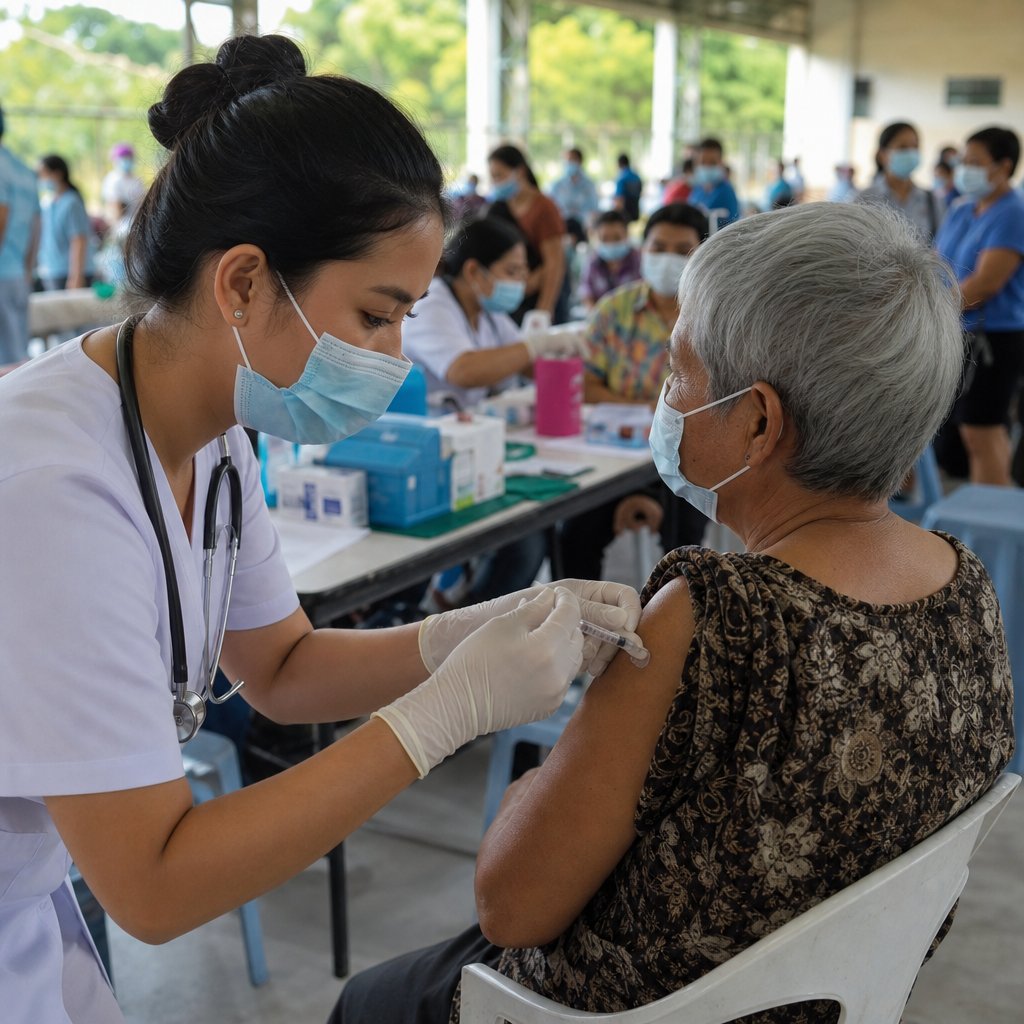
The economics of vaccination sits at the intersection of medicine, markets, and government because vaccines create benefits that extend far beyond the person receiving the shot. In economic terms, vaccination reduces private risk while also generating positive externalities, meaning third parties gain protection when disease transmission falls. That combination makes vaccines different from most consumer goods. A person deciding whether to vaccinate considers time, price, side effects, and perceived infection risk, but society also cares about fewer outbreaks, lower hospital spending, steadier school attendance, and a more productive workforce. I have worked on health policy content and cost-effectiveness reviews, and vaccination is one of the clearest examples of where individual incentives and social welfare do not fully line up.
To understand why this matters, start with a few core concepts. An externality is a cost or benefit imposed on others that is not fully reflected in the market price. A public health intervention is a program designed to improve population-level outcomes rather than only individual treatment. Herd immunity, more precisely herd protection, occurs when enough people are immune that chains of transmission break down, lowering exposure risk for people who are unvaccinated or cannot mount a strong immune response. Economists also distinguish between direct effects, such as avoiding illness in the vaccinated person, and indirect effects, such as protecting infants, older adults, or immunocompromised neighbors. Those indirect effects are the reason a purely private market will usually underprovide vaccination.
Vaccination matters economically because infectious disease is not just a clinical event; it is a shock to households, employers, schools, insurers, and public budgets. Measles outbreaks can force quarantines and emergency contact tracing. Influenza waves increase absenteeism and strain hospitals. COVID-19 showed how transmission risk can disrupt entire sectors, from restaurants to logistics. Even routine childhood immunization has broad fiscal consequences because preventing severe disease reduces emergency care, long-term complications, and productivity losses for caregivers. The World Health Organization and the U.S. Centers for Disease Control and Prevention have repeatedly documented that immunization is among the most cost-effective public health measures available, especially when high coverage prevents outbreaks that would be expensive to contain.
This article explains vaccination through an economics lens, with emphasis on externalities, incentives, pricing, equity, and policy design. As a hub page for this subtopic, it connects the main questions readers typically ask: Why does government subsidize vaccines? How do economists measure value? What happens when misinformation lowers uptake? Why do mandates exist, and when are they justified? What is the role of insurers, employers, and international organizations? By the end, the economic logic is straightforward: vaccination protects individuals, stabilizes communities, and creates social returns that justify coordinated public action.
Why Vaccination Creates Positive Externalities
The central economic fact about vaccination is that one person’s immunity changes other people’s risk. If a vaccinated student does not contract measles, that student also does not pass measles to classmates, siblings, or a pregnant teacher. In a standard market transaction, buyers capture most benefits themselves. With vaccines, a large share of value spills outward. That spillover is the textbook definition of a positive externality, and it creates a predictable market failure: left entirely to private choice, uptake tends to be below the socially optimal level.
Externalities vary by disease. Measles is extremely contagious, with a high basic reproduction number, so each additional vaccination can have substantial community benefit. Tetanus, by contrast, is not spread person to person, so its vaccination benefits are mostly private. Influenza and COVID-19 fall in between because vaccination can reduce severe illness strongly while effects on transmission depend on strain, timing, and match. Economists therefore evaluate vaccines disease by disease rather than assuming all immunization programs produce identical social returns.
These spillovers explain why public agencies invest in coverage campaigns, school-entry requirements, and mobile clinics. They also explain why free-riding can occur. If enough neighbors vaccinate, an individual may be tempted to skip the shot while still enjoying lower exposure risk. That choice can appear rational privately but harmful collectively. Once enough people free-ride, coverage falls below the threshold needed to suppress spread, and outbreaks reappear. Recent measles resurgences in communities with low coverage illustrate this pattern clearly.
How Economists Measure the Value of Vaccines
Economists use several tools to estimate vaccine value. Cost-effectiveness analysis compares the cost of a program with health gains, often measured in quality-adjusted life years or disability-adjusted life years. Cost-benefit analysis goes further by assigning monetary values to benefits such as avoided treatment costs, reduced mortality risk, and preserved productivity. Budget impact analysis asks a narrower question: can a health system afford the program over a defined period? In practice, policymakers often use all three because a vaccine can be highly cost-effective yet still create short-term budget pressure.
Good vaccine evaluation includes more than the price per dose. Analysts count cold-chain storage, clinic staffing, reminder systems, adverse event monitoring, and wastage. They also model avoided physician visits, hospitalizations, and long-term complications. For HPV vaccination, the largest benefits may appear years later through reductions in cervical and other cancers. For pneumococcal vaccination in older adults, value comes from preventing hospitalization and death in a shorter time frame. The time horizon matters because prevention frequently requires spending now to avoid costs later.
Discount rates also matter. Public health benefits in the future are usually discounted to present value, but a high discount rate can make long-term prevention look less attractive than it really is. That is one reason analysts debate assumptions openly. Organizations such as the Advisory Committee on Immunization Practices, the Joint Committee on Vaccination and Immunisation, and the Institute for Clinical and Economic Review rely on transparent methods because small changes in assumptions about incidence, uptake, or effectiveness can alter the final estimate.
| Economic concept | What it means for vaccination | Example |
|---|---|---|
| Positive externality | Benefits extend to others beyond the vaccinated person | High measles coverage lowers exposure for infants too young to be vaccinated |
| Free-rider problem | Individuals may rely on others to vaccinate while opting out themselves | Clusters of exemption can trigger local outbreaks despite high national coverage |
| Cost-effectiveness | Measures health gain relative to program cost | Childhood immunization often prevents hospital care at low cost per QALY |
| Equity consideration | Assesses who gets access and who bears disease burden | Mobile clinics can raise uptake in underserved rural communities |
Public Funding, Insurance Coverage, and Pricing
Because private markets underprovide vaccination, governments step in through direct purchase, insurance mandates, negotiated pricing, and public delivery systems. In the United States, the Vaccines for Children program buys recommended vaccines for eligible children, reducing financial barriers that would otherwise lower uptake. Many private insurance plans cover recommended vaccines without cost sharing when they fall under preventive service rules. In the United Kingdom, the National Health Service funds routine vaccination centrally. These arrangements are not charity; they are efficiency tools designed to capture social benefits that private payment alone would miss.
Pricing is more complicated than it first appears. Vaccine development is expensive, manufacturing is technically demanding, and quality control standards are strict. Unlike many pills, biologic production cannot be expanded instantly. Manufacturers need returns sufficient to sustain research, maintain facilities, and manage liability risk. At the same time, monopoly pricing can restrict access, especially in lower-income settings. That is why procurement strategies matter. Advance market commitments, pooled purchasing, and tiered pricing have all been used to widen access while preserving supply incentives. Gavi, the Vaccine Alliance, is a prominent example of coordinated financing that improved access to pneumococcal and rotavirus vaccines in lower-income countries.
Shortages reveal another economic reality: resilience has value. A system focused only on the lowest purchase price may end up with thin manufacturing margins and fragile supply chains. Public purchasers increasingly weigh redundancy, surge capacity, and domestic fill-finish capability alongside price. The lesson from pandemic procurement is clear: cheap doses are not truly cheap if delays allow transmission, hospital overload, and economic shutdowns.
Behavior, Incentives, and Vaccine Hesitancy
Vaccination decisions are shaped by psychology as much as by price. People tend to overweight small immediate costs, like soreness or the time required for an appointment, and underweight large future benefits, like avoiding disease months later. Behavioral economists call this present bias. Risk perception also changes with success. When vaccines work well and disease becomes rare, the disease looks abstract while adverse events, even when uncommon, feel vivid. That can reduce demand precisely because earlier vaccination campaigns succeeded.
Misinformation acts like a negative information externality. False claims spread through social networks, lower uptake, and increase disease risk for bystanders who had no role in the decision. The economic cost is real: more outbreaks mean more public spending on surveillance, laboratory confirmation, contact tracing, and emergency communication. During measles outbreaks in the United States, local health departments have reported spending substantial staff time and funds on containment that routine vaccination would have avoided.
Effective policy therefore combines financing with convenience and trust. Reminder-recall systems, school-located clinics, pharmacy access, and default scheduling all increase uptake. So does communication from trusted clinicians who explain benefits and side effects clearly. Incentives can help, but design matters. Small cash payments may raise completion of multi-dose schedules in some settings, yet heavy-handed approaches can backfire if communities see them as coercive. The most durable results usually come from making vaccination easy, normal, and socially expected.
Mandates, Equity, and the Limits of Markets
Mandates exist because the social costs of under-vaccination can be high. School-entry requirements are the classic example. They are justified when diseases spread easily in group settings, vaccines have strong safety and effectiveness records, and exemptions are narrow enough to preserve coverage. Economically, mandates reduce free-riding and coordinate behavior around a public good. Legally and ethically, however, they must be proportionate, transparent, and paired with equitable access. A requirement without convenient clinics, paid time off, or language-appropriate information can punish families for barriers they did not create.
Equity is not a side issue; it changes overall efficiency. Low-income communities often face higher exposure risk, less flexible work, and weaker access to primary care. If those groups remain undervaccinated, outbreaks become more likely and health gaps widen. Targeted outreach can therefore improve both fairness and aggregate welfare. Examples include community health workers, evening clinic hours, transportation vouchers, and vaccination through schools, pharmacies, and faith-based organizations. Public health programs perform better when they reduce friction costs rather than simply repeating generic messages.
Markets alone also struggle with global vaccination because pathogens cross borders. One country’s outbreak can seed another’s, and delayed vaccination in lower-income regions can allow preventable mortality and increase the chance of disruptive international spread. That is why global coordination through WHO guidance, UNICEF procurement, regional surveillance networks, and donor financing remains economically rational. Infectious disease control is one of the clearest cases where national self-interest and global solidarity overlap.
Long-Term Economic Effects and Policy Priorities
The long-term gains from vaccination extend beyond avoided medical bills. Children who avoid severe infectious disease miss fewer school days and face lower risk of disability that can affect lifelong earnings. Parents lose fewer workdays to caregiving. Hospitals can allocate beds and staff to other needs instead of preventable surges. Employers benefit from lower absenteeism, and governments benefit from a healthier tax base. Historical research on vaccine-preventable diseases consistently shows that immunization contributes to human capital formation, not merely short-run cost savings.
Policy priorities should follow that evidence. First, maintain high routine coverage through stable financing, reliable supply, and transparent safety monitoring. Second, invest in data systems that identify undervaccinated neighborhoods quickly. Third, strengthen adult vaccination, an area where many countries still underperform despite clear benefits for influenza, pneumococcal disease, shingles, and COVID-19 boosters in risk groups. Fourth, support research platforms that shorten development timelines for emerging threats while preserving rigorous regulation. Finally, evaluate programs with broad economic lenses that include externalities, caregiver burden, and system resilience, not just narrow payer costs.
The economics of vaccination leads to a practical conclusion: prevention is not only compassionate medicine but also disciplined public policy. Vaccines create private protection and social value at the same time, which is why subsidies, insurance coverage, procurement strategy, and targeted mandates all have a role. The strongest programs recognize tradeoffs honestly, especially around budgets, communication, and equity, while staying focused on measurable public benefit. For readers exploring economics as a broader field, vaccination is a foundational case study in how externalities justify collective action. Use this hub as a starting point, then examine related topics such as health insurance design, cost-effectiveness analysis, pharmaceutical pricing, behavioral economics, and global development finance to see how the same principles apply across public health.
Frequently Asked Questions
1. Why are vaccines considered an economic issue rather than only a medical one?
Vaccines are a medical intervention, but they also have clear economic effects because the decision to vaccinate changes both individual risk and broader social outcomes. For the person receiving a vaccine, the private benefits include a lower chance of illness, fewer medical bills, less missed work or school, and reduced uncertainty about future health costs. Those are familiar economic considerations because they affect productivity, household finances, and the efficient use of healthcare resources.
What makes vaccination especially important in economics is that its benefits do not stop with the vaccinated individual. When enough people are immunized, the spread of infectious disease slows, which lowers exposure risk for others in the community. That means one person’s decision can protect infants, elderly adults, immunocompromised individuals, and anyone who cannot be vaccinated or who does not develop strong immunity. Economists describe this as a positive externality: a benefit created by a private action that spills over to third parties.
Because markets often underprovide goods with large positive externalities, vaccination becomes a natural subject for public policy. If individuals make decisions based only on their own costs and benefits, they may vaccinate less than would be ideal for society as a whole. This gap between private incentives and social value is why governments, insurers, employers, and public health systems often subsidize vaccines, run educational campaigns, and organize immunization programs. In short, vaccines are not just about personal health choices; they are also about how societies manage shared risk, public spending, labor productivity, and long-term economic stability.
2. What does it mean to say vaccination creates positive externalities?
A positive externality exists when an action benefits people beyond the person making the decision, and vaccination is one of the clearest examples. If you get vaccinated against a contagious disease, you lower your own probability of infection, but you also reduce the likelihood that you will transmit that disease to others. This matters because infectious diseases move through networks of contact. By interrupting transmission chains, vaccination helps protect family members, coworkers, classmates, healthcare providers, and even strangers in public spaces.
These spillover benefits can be substantial. A vaccinated population tends to experience fewer outbreaks, less strain on hospitals, lower emergency response costs, and fewer disruptions to schools and workplaces. Communities may also avoid indirect losses such as canceled business activity, reduced consumer confidence, and productivity declines caused by widespread illness. In this way, the social value of vaccination is larger than the private value perceived by any one person at the moment they decide whether to get the shot.
This is why economists distinguish between the private marginal benefit of vaccination and the social marginal benefit. A person may focus on their own risk of infection, the inconvenience of an appointment, or concern about temporary side effects. Society, however, also values the infections avoided in others and the broader public health protection created by higher immunization rates. When people ignore those wider benefits, the market outcome can fall short of the socially efficient level of vaccination. That insight provides a strong economic rationale for subsidies, mandates in some settings, and public investment in accessible immunization infrastructure.
3. Why might individuals choose not to vaccinate even when vaccination benefits society?
From an economic perspective, individuals make choices based on their own perceived costs and benefits, not necessarily on the full social consequences of those choices. Even if vaccination is highly valuable for the community, a person may decide against it if they believe their own risk of getting sick is low, if they are concerned about side effects, or if obtaining the vaccine involves costs such as time off work, transportation, scheduling difficulties, or out-of-pocket payment. These barriers can be enough to reduce uptake, especially when the immediate inconvenience is visible and the avoided illness is uncertain or distant.
Another reason is what economists sometimes call free-riding. If many other people are vaccinated, disease transmission falls, and some individuals may believe they can safely rely on the protection created by others without getting vaccinated themselves. From the standpoint of the individual, this can seem rational, particularly when the disease is temporarily rare. But if too many people reason this way, vaccination coverage drops and the shared protection weakens, increasing the risk of outbreaks. The result is a classic collective action problem.
Behavioral factors also matter. People do not always process risk in a strictly rational or data-driven way. They may overestimate rare adverse events, underestimate the risk of infection, or respond more strongly to vivid anecdotes than to population-level evidence. Trust in institutions, misinformation, political identity, and historical experience with healthcare systems can all influence vaccine decisions. For policymakers, this means that improving vaccination rates is not just about proving vaccines work; it is also about reducing friction, improving communication, building trust, and aligning private incentives more closely with public benefits.
4. How do governments use economic policy to increase vaccination rates?
Governments use a range of economic and public health tools because vaccination tends to be underconsumed when left entirely to private choice. One common approach is subsidization. By reducing or eliminating out-of-pocket costs, public programs make vaccines more affordable and remove one barrier to uptake. This reflects the fact that the social benefits of vaccination exceed the private benefits, so public funding helps correct the market failure associated with positive externalities.
Access policies are equally important. Governments may fund school-based clinics, workplace vaccination programs, pharmacy delivery systems, mobile health units, and community outreach initiatives to lower the time and convenience costs associated with getting vaccinated. These measures matter because even a highly effective vaccine may be underused if the process of obtaining it is burdensome. Economically, reducing nonprice costs can be just as important as lowering the money price.
Some governments also use mandates or conditional requirements, such as school-entry immunization rules or vaccination requirements for certain healthcare roles. These policies are typically justified when the social costs of low vaccination are especially high, including outbreak risk in settings where vulnerable populations are concentrated. In addition, governments invest in information campaigns to counter misinformation and increase understanding of both private and public benefits. The broader goal is to move vaccination closer to the socially optimal level by addressing affordability, access, incentives, and public confidence at the same time. Effective policy recognizes that vaccination behavior is shaped by economics, institutions, and trust, not by price alone.
5. What are the wider economic benefits of high vaccination rates for society?
High vaccination rates create economic benefits that extend well beyond the healthcare system. The most direct gains come from preventing illness, hospitalization, disability, and premature death. When fewer people get sick, families face lower medical expenses, employers experience less absenteeism, and health systems can devote resources to other needs rather than crisis response. These effects improve overall economic efficiency by reducing avoidable costs and preserving human capital.
Vaccination also supports labor market stability and educational continuity. Healthy workers are more productive and less likely to miss work, while healthy children are less likely to miss school, which supports learning and long-term earnings potential. In sectors that depend on in-person interaction, lower disease transmission reduces the risk of operational disruption. This can stabilize business activity, consumer confidence, and local economies, particularly during periods when contagious disease might otherwise suppress travel, retail activity, and service-sector employment.
There are also important fiscal benefits. Preventing disease can lower public spending on emergency care, outbreak control, and long-term treatment for complications that might arise from vaccine-preventable illnesses. Over time, this can make public health spending more cost-effective by shifting resources from expensive treatment toward prevention. At a macroeconomic level, resilient population health contributes to a more reliable workforce, stronger productivity growth, and reduced vulnerability to costly epidemics. That is why economists often view vaccination not simply as a healthcare expense, but as a strategic investment in social welfare, economic resilience, and the functioning of everyday life.