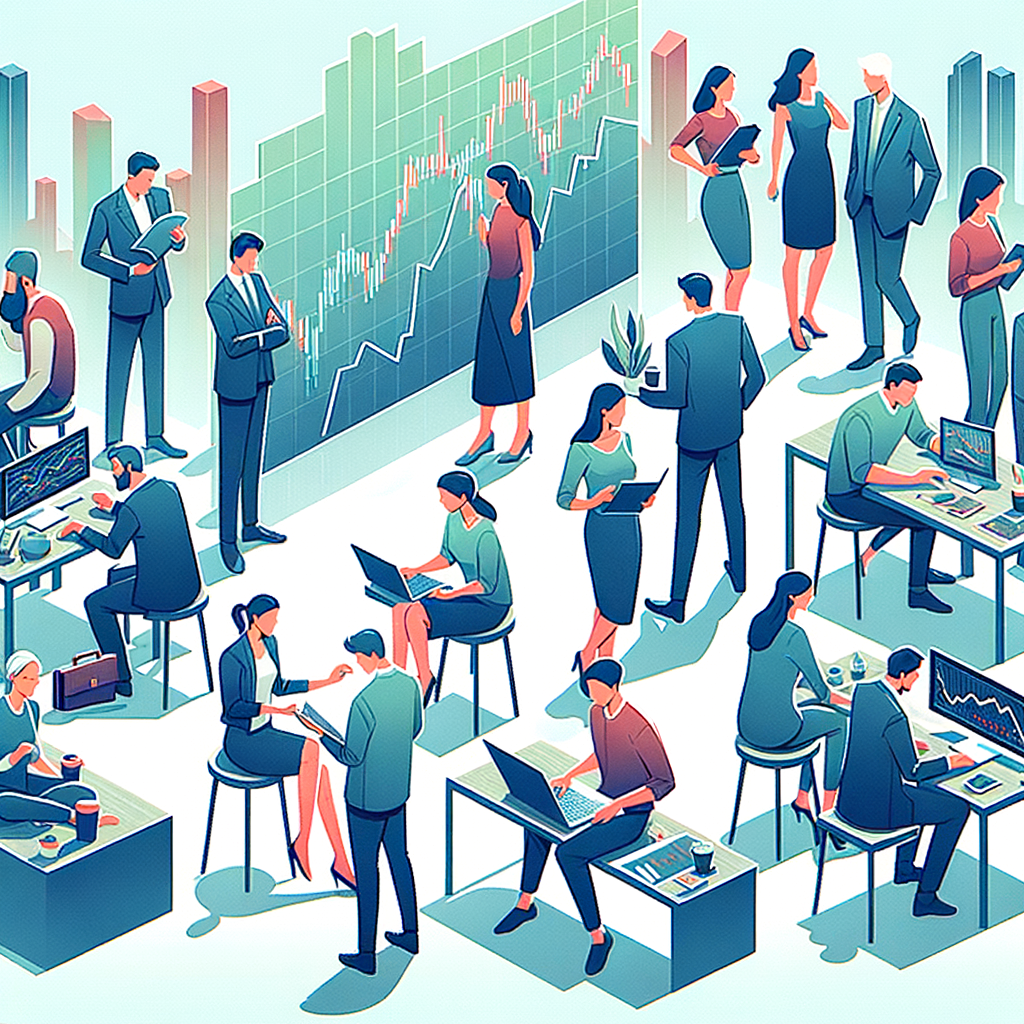
Economics is often perceived as a complex subject reserved for academia, stockbrokers, and policymakers. However, its principles percolate through every aspect of our daily lives. From the cost of your morning coffee to the workplace conditions and the broader implications of global trade, economic theories and models subtly influence our choices and circumstances. Understanding these influences not only clarifies why certain financial decisions are made but also empowers individuals to navigate the economic landscape more strategically. Economics is about making choices in the face of scarcity, balancing supply and demand, setting prices, and anticipating market trends — all of which shape the world we live in. In this article, we will explore how economics impacts everyday lives by dissecting its role in consumer behavior, employment, government policies, and international relationships.
Consumer Behavior and Market Decisions
Consumer behavior is a central element of economics and plays a pivotal role in everyday life. Every purchase decision we make contributes to a larger economic pattern known as consumer demand. This demand is inherently linked to the availability of resources, which are always scarce. Whether buying groceries, choosing a streaming service, or investing in property, individuals make choices that reflect their preferences, income level, and expectations for the future. Concepts such as utility — the satisfaction or benefit derived from consuming a product — guide how consumers prioritize their needs and wants.
Moreover, prices are a fundamental factor shaping consumer decisions. The price of goods is determined by the interaction of supply and demand within the market. For example, if a particular fruit becomes scarce due to poor harvests, its increased price will lead consumers to substitute it with other, more affordable options. These decisions, on a larger scale, affect the supply chain and can prompt shifts in production priorities. Price elasticity, another key economic concept, measures how responsive the quantity demanded of a good is to a change in price. Inelastic goods, such as essential medications, will see little change in demand as prices rise, whereas non-essential luxury items may experience significant drops in demand if their prices increase.
The role of advertising in consumer choices cannot be overlooked. Marketing strategies tap into economic principles by emphasizing the scarcity or superiority of a product, shaping consumer preferences and creating demand. Every advertisement is an exercise in economic persuasion, manipulating how consumers perceive value and utility.
Employment and Labor Markets
The job market is another domain heavily influenced by economic forces. Employment levels, wages, and working conditions are primarily determined by the economic environment and policies. Labor economics studies the supply and demand for labor, where the workforce supplies labor and employers provide demand. The equilibrium of this supply and demand dictates wage levels. During times of economic contraction, such as a recession, demand for labor typically decreases, leading to higher unemployment rates and downward pressure on wages.
Additionally, technological advancements continually reshape the labor market. Automation and artificial intelligence are replacing certain job functions, while simultaneously creating demand for new skills and professions. This necessitates a workforce capable of adapting and acquiring new skills, highlighting the concept of human capital — the economic value of a worker’s experience and skills.
Minimum wage laws also illustrate how economic theory plays out in everyday life. While aimed at ensuring a livable wage, setting a minimum wage too high could potentially decrease employment in sectors where businesses cannot afford to pay these wages, leading to unintended economic consequences. Conversely, it can also uplift overall consumer spending due to increased incomes, benefiting the broader economy.
Government Policies and Economic Impact
Government interventions in the economy are pivotal in shaping everyday economic experiences. Through fiscal and monetary policies, governments aim to stabilize the economy and promote growth. Fiscal policy involves government spending and taxation decisions. For instance, tax cuts can increase disposable income for individuals, encouraging spending and stimulating economic growth. Conversely, increased taxation during times of economic overheating can curb excessive consumer spending and rein in inflation.
Monetary policy, managed by a nation’s central bank, involves regulating the money supply and interest rates. Lowering interest rates can encourage borrowing and spending by making loans cheaper, whereas increasing rates can cool down an overheating economy by discouraging borrowing. These measures affect everything from mortgage rates to credit card interest rates, directly impacting household budgets.
International trade policies also affect the national economy and personal finances. Tariffs on imports can protect domestic industries but also result in higher prices for imported goods. Trade agreements can open up new markets for exporters but might also expose local industries to intense foreign competition, necessitating adjustments within the local economy.
Global Economics and Everyday Life
The global economy exerts a substantial influence on domestic economic conditions and individual lifestyles. Economic globalization has led to increased interconnectedness in trade, finance, culture, and communications. This interconnectedness means that an economic event in one part of the world can ripple into our daily lives. For instance, a recession in a major economy can decrease global trade volumes, which may reduce export opportunities for other nations and lead to job losses domestically.
Currency fluctuations, another element of the global economy, directly impact consumers. Travelers, for instance, are affected by favorable or unfavorable exchange rates which dictate how far their money will go in foreign lands. For businesses, currency strength affects export competitiveness. A strong currency makes a country’s goods more expensive on the world market, potentially reducing foreign demand and impacting jobs.
Importantly, understanding global economic trends enables better personal financial planning. Fluctuations in global oil prices can influence everything from the cost of transportation and flights to heating bills for your home. Similarly, geopolitical tensions can affect stock markets, necessitating cautious investment strategies. Thus, a grasp of global economic shifts aids individuals in making informed decisions regarding savings, investments, and consumption.
Conclusion
Economics undeniably influences everyday life in multitude ways, from the micro-decisions we make as consumers to our careers and the broader economic policies that govern our countries. Grasping the basics of economic principles provides valuable insights that can guide personal and professional decisions. As individuals, being more economically literate empowers us to anticipate changes, adapt proactively, and optimize our resources effectively. Furthermore, understanding economics facilitates civic engagement and informed discussions about policy choices, as citizens who grasp economic implications can better advocate for policies that promote equitable growth and sustainable development. In a world where economic forces are omnipresent, recognizing their impact equips us with the tools to manage our personal lives better, contribute meaningfully to our communities, and navigate the ever-evolving global economic landscape.
Frequently Asked Questions
1. How does economics influence the price of goods and services I use daily?
Economics plays a critical role in determining the prices of the goods and services you encounter each day. At the heart of it is the interplay between supply and demand. For example, let’s talk about your daily cup of coffee. The price you pay is influenced by various economic factors, including the costs of production, such as labor and raw materials like coffee beans. If there’s a frost in Brazil, a major coffee producer, it may damage coffee crops, thus reducing the supply. With demand staying constant, the price of coffee may rise as a result. Additionally, the coffee shop’s pricing might reflect their operational costs, competition from other cafes, and broader economic conditions like inflation, which can affect how much you’re ultimately paying. Understanding these connections can provide insights into why prices fluctuate and how they affect your daily budget.
2. Why is understanding economics important when it comes to personal finance decisions?
Understanding economic principles gives you a solid foundation for making smarter personal finance decisions. Take budgeting as an example. An awareness of economic trends can guide you in making informed decisions about saving and spending. If economic indicators suggest a potential recession, you might choose to save more to buffer against future financial uncertainty. On the other hand, if the economy is booming, you might feel more secure in making an investment or big purchase, such as buying a home. Economics also plays a role in your access to credit; interest rates, dictated by policies from central banks, influence the cost of borrowing money. By understanding these fundamentals, you can better manage your finances, anticipating how changes in the economy might affect your personal financial health.
3. How does economic policy impact my employment opportunities and workplace conditions?
Economic policies have far-reaching effects on employment and workplace conditions. For instance, fiscal policies, such as government spending and tax regulations, can influence job creation. During economic downturns, governments might ramp up public spending to stimulate job growth, potentially leading to more employment opportunities. Conversely, during periods of financial tightening, job opportunities might become scarcer. Monetary policy, particularly interest rates set by central banks, also dictates how businesses invest and hire. A low-interest-rate environment encourages company expansion and recruitment, enhancing job prospects. On an individual level, minimum wage laws, labor regulations, and policies promoting equal employment opportunities directly affect your work conditions and wages. By comprehending these policies, you gain a clearer understanding of their impacts on your career and work environment.
4. In what ways does global trade affect my everyday life?
Global trade profoundly impacts your everyday life, often in ways you may not realize. Each time you purchase a product, whether it’s a smartphone or clothing, you’re potentially benefiting from complex supply chains spanning multiple countries. These trades ensure availability and diversity, offering a broader range of products at competitive prices. For example, if the costs of importing raw materials decrease due to favorable trade agreements, you might notice a price drop in consumer goods. Trade tariffs, however, can cause prices to rise if importing goods becomes more expensive. Moreover, global trade trends determine job markets and economic growth worldwide, which in turn, can influence local job availability and wage levels. A good grasp of these trade dynamics can enhance your awareness of consumer costs and global market shifts, better preparing you for fluctuations in everyday purchases.
5. How do economic trends and indicators inform my long-term financial planning?
Economic trends and indicators are pivotal in shaping effective long-term financial strategies. Indicators like GDP growth rates, unemployment statistics, and consumer confidence indices offer insights into the economy’s current status and future directions, impacting decisions on investments, retirement planning, and savings. For instance, during periods of economic expansion, you may decide to invest in stock markets, anticipating potential returns. On the other hand, during economic contractions or high inflation periods, shifting some investments to safer assets like bonds or increasing your savings buffer could offer more security. Understanding how inflation affects purchasing power over time can also guide your retirement planning to ensure sufficient funds in the future. By regularly monitoring economic indicators, you can make more informed financial decisions that align with your personal goals and the broader economic climate.