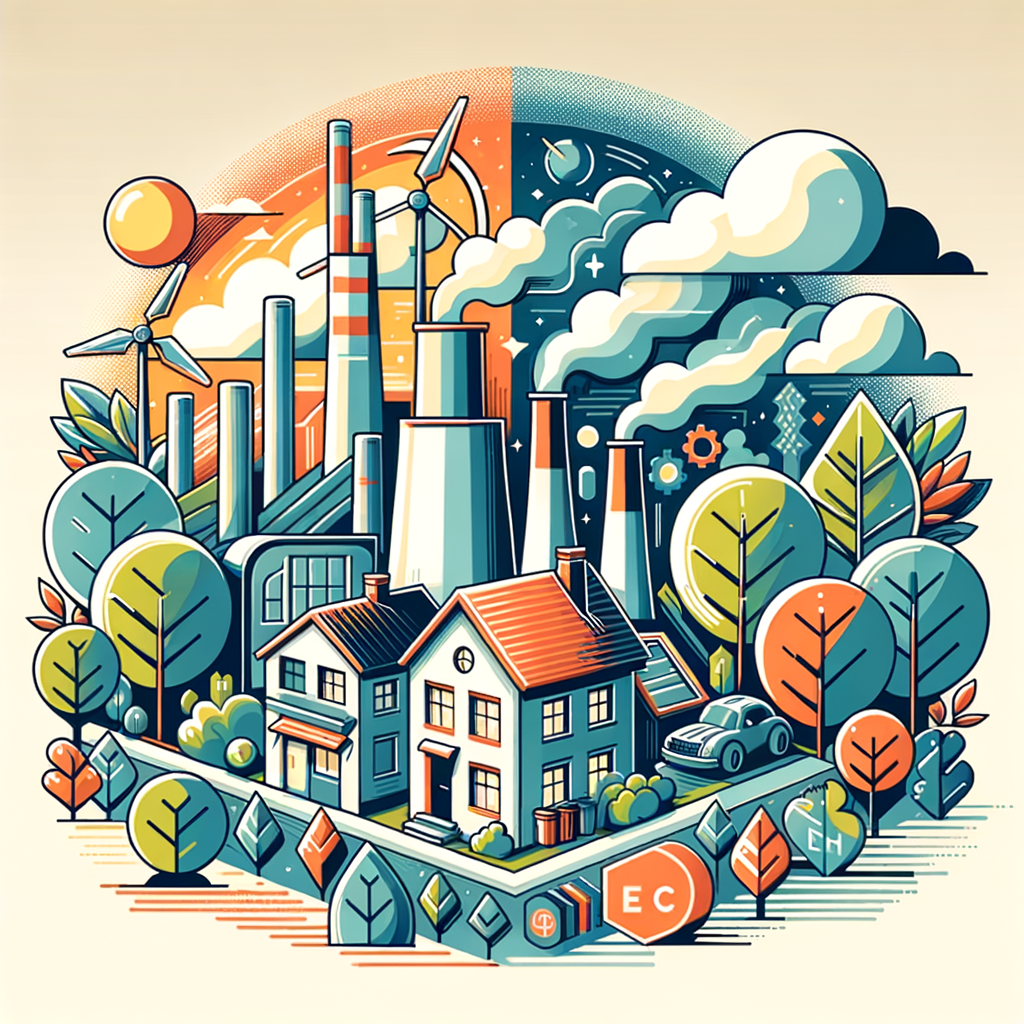
Our economic choices wield an immense power over the environment, shaping its condition and future sustainability. As consumers, producers, and policymakers, every decision we make in relation to resource use, production methods, and consumption patterns comes with profound environmental implications. The invisible hand of the market, which Adam Smith famously referenced, does not always account for the externalities that economic activities generate. These externalities can manifest as pollution, resource depletion, and loss of biodiversity, among others, which result in long-term detrimental effects on the planet. Understanding how economic decisions influence the environment is crucial for developing strategies that align economic growth with ecological preservation. This exploration begins with the fundamental principles of economics, shedding light on how supply and demand, pricing mechanisms, and regulatory policies intersect with environmental health.
The mechanisms through which economic activities impact the natural world include the extraction of resources, waste generation, energy consumption, and emissions. As global populations grow and more nations pursue industrialization, the demand for resources escalates, often leading to unsustainable practices that degrade ecosystems. The advent of technology has further amplified resource utilization, causing an unprecedented strain on the planet’s capacity to regenerate. Consequently, comprehending the intricate relationship between economy and ecology is essential for fostering a sustainable society. In this article, we delve into various economic practices that impact the environment, examining both the negative and positive outcomes, while emphasizing the need for informed and conscientious decision-making. It is only through this lens of understanding that viable, sustainable solutions can be crafted.
The Economics of Resource Extraction
The extraction of natural resources, a cornerstone of economic activity, poses one of the most direct threats to the environment. Whether it’s mining, logging, or drilling, the physical removal of resources from the earth alters ecosystems and landscapes. Mining activities, for instance, not only lead to habitat destruction but also result in soil erosion and the contamination of water resources through the release of toxic substances. Similarly, deforestation driven by the timber industry not only contributes to biodiversity loss but also exacerbates climate change through increased carbon emissions.
Moreover, fossil fuel extraction, which powers much of the global economy, is a significant contributor to environmental degradation. The burning of oil, coal, and natural gas releases greenhouse gases, the principal drivers of global warming and climate change. This underscores the critical intersection of energy policy and environmental health. As economies strive for growth, the reliance on fossil fuels persists, presenting a challenge that necessitates a shift towards renewable energy sources. Transitioning to sustainable energy technologies can mitigate environmental harm while sustaining economic development.
Manufacturing and Industrial Impacts
The industrial sector is a vital component of economic development but is also among the largest polluters. Manufacturing processes are energy-intensive, often relying on fossil fuels that produce significant amounts of carbon dioxide and other pollutants. Additionally, industrial activities generate waste, much of which is hazardous, leading to air and water pollution. The implication for the environment is profound, as these emissions contribute to global warming, acid rain, and health problems such as respiratory diseases in humans and animals.
Moreover, the globalization of trade has led to an increase in the transportation of goods, further exacerbating pollution levels as emissions from ships, trucks, and airplanes emit greenhouse gases. While the economic benefits of industrialization and global trade are evident, finding a balance with environmental health is imperative. Strategies such as cleaner production technologies, stricter emission standards, and the promotion of circular economy practices can minimize industrial environmental impacts. These practices not only reduce environmental harm but also encourage innovation and efficiency within industries, aligning economic interests with environmental sustainability.
Consumer Behavior and Consumption Patterns
Consumer behavior and consumption patterns are pivotal in shaping environmental impacts. The rise of a consumer-driven economy has led to increased production and disposal of goods, contributing to environmental degradation. The concept of “throwaway culture,” where products are discarded rather than reused or recycled, exacerbates waste management issues and pollution. The overconsumption of goods, especially in affluent societies, leads to increased demand for raw materials, thereby accelerating environmental depletion.
However, consumers can also drive positive environmental change by shifting towards sustainable products and practices. The growing demand for eco-friendly products has encouraged companies to adopt greener practices, such as reducing packaging, using renewable materials, and implementing sustainable supply chains. By making informed purchasing decisions, consumers hold the power to influence corporate behavior, fostering a market for sustainable development. Public awareness campaigns and educational initiatives play a critical role in reshaping consumer habits towards mindfulness and responsibility.
Government Policy and Regulation
Government policies and regulations significantly influence economic activities and their environmental repercussions. Policymakers have the authority to legislate interventions that mitigate ecological harm while promoting economic welfare. For example, setting limits on emissions, enforcing pollution control technologies, and offering tax incentives for sustainable practices direct economic activities towards environmental compatibility. The implementation of carbon pricing, such as taxes or cap-and-trade systems, internalizes the environmental costs associated with carbon emissions, encouraging businesses to reduce their carbon footprint.
However, policy effectiveness often depends on the political will and economic context within which they operate. In some instances, regulatory measures can face opposition from entrenched economic interests or result in unintended economic consequences. Nonetheless, informed and adaptive policymaking is crucial in steering economic activities towards sustainability. Multilateral cooperation on environmental issues, such as international climate agreements, highlight the critical role of governments in addressing transboundary environmental challenges.
Technological Advancements and Innovations
The role of technology in both advancing economic growth and addressing environmental concerns is a double-edged sword. On one hand, technological advancements have led to increased efficiency and the potential for reduced environmental impact. Innovations in renewable energy, such as solar, wind, and bioenergy, offer viable alternatives for meeting energy demands without the associated carbon emissions of traditional fossil fuels. Additionally, advancements in waste management technologies and resource recycling can significantly diminish environmental footprints.
On the other hand, technology has facilitated increased resource extraction and consumption, contributing to environmental stress. The rapid development and deployment of digital technologies have ecological impacts, often requiring substantial energy consumption and generating electronic waste. Therefore, embracing technology as a solution demands a conscientious approach that prioritizes sustainability. Investing in green technologies and fostering innovation in clean tech industries is vital for harmonizing technological progress with environmental preservation.
Economic Growth and Sustainability
One of the fundamental questions in economics is how to balance economic growth with environmental sustainability. Traditional economic models often prioritize growth indicators such as GDP, overlooking environmental degradation and resource depletion. However, there is a growing recognition that long-term prosperity is inextricably linked to the health of the environment. Sustainable development, which aims to meet the needs of the present without compromising the ability of future generations to meet their own needs, is becoming an increasingly central paradigm in economic discourse.
Economic growth can align with environmental sustainability through practices such as green innovation, sustainable agriculture, and the promotion of services over goods-based economies. Leveraging economic resources to enhance environmental resilience, such as through conservation efforts and investments in ecosystem services, can create a symbiosis between economic objectives and ecological health. By embracing a holistic approach to growth, economies can thrive while safeguarding natural resources for the future.
Conclusion
The complex interplay between economic choices and environmental health is a defining challenge of our time. As this article elucidates, every economic decision — from resource extraction to consumer behavior and policy-making — has significant environmental implications. To pave the way towards a sustainable future, it is imperative to integrate environmental considerations into the very fabric of economic decision-making. Embracing sustainability requires a multifaceted approach, combining regulatory frameworks, technological innovation, consumer actions, and sustainable business practices.
By acknowledging the pervasive influence of economic activities on the environment, stakeholders at all levels — individuals, businesses, and governments — can take proactive steps towards mitigating ecological harm. Investments in clean energy, stronger environmental regulations, and a shift in consumer culture towards sustainability are critical measures that will help balance economic growth with ecological preservation. As stewards of the Earth, we hold the responsibility to ensure that economic development fosters a thriving planet, nurturing ecosystems while supporting livelihoods and human prosperity. In doing so, we can create a future marked by sustainability, where economic and environmental goals are not at odds but are harmoniously aligned. Through conscious choices and collective action, the economy can be a powerful force for environmental stewardship and global well-being.
Frequently Asked Questions
1. How do economic choices affect the environment?
Ah, let’s dive into this! Economic choices significantly impact our environment because every decision we make around production, consumption, and resource allocation carries environmental consequences. Consider this: when a company decides to expand production, it might increase its resource use, leading to higher energy consumption and waste generation, which culminates in more pollution. Moreover, consumers choosing to buy products made from unsustainable practices indirectly support systems that degrade our natural resources. Economic choices not only alter supply and demand but also cultivate patterns that can either harm or, if chosen wisely, help conserve the environment. It’s like a domino effect; a single decision can lead to substantial environmental changes.
2. What are externalities in economics, and how do they relate to environmental issues?
Great question! An externality is an economic term that describes a situation where a third party experiences either a benefit or a cost due to an economic transaction they’re not involved in directly. Picture yourself living near a factory; the production processes might cause pollution, reducing air quality and affecting your health. Even though you aren’t involved in the factory’s activities, you’re bearing a cost due to their economic behavior—a negative externality. On the other hand, if a company invested in green technology reducing emissions, you could benefit from cleaner air—a positive externality. Externalities are crucial in environmental discussions because they highlight the unseen impacts of economic activities on people and the planet, often motivating policies to mitigate negative impacts.
3. Can sustainable economic choices really make a difference for the environment?
Absolutely, yes! Sustainable economic choices can create ripples of positive change. Imagine this: products manufactured with renewable energy sources or materials that are recycled or sustainably sourced. Making these choices can decrease deforestation, reduce greenhouse gas emissions, and even lessen waste going to landfills. By choosing sustainable products or supporting companies with eco-friendly practices, consumers encourage a market shift towards sustainability. Additionally, when businesses adopt sustainable practices, it often leads to innovation, increased efficiency, and long-term economic benefits. While it might feel like an uphill battle against unsustainable practices, these choices collectively contribute to significant ecological improvements and steer economies toward a greener future.
4. What role do policymakers play in shaping the environmental impact of economic choices?
Policymakers are pivotal in this arena. You see, they have the authority to introduce regulations and incentives that align economic activities with environmental goals. For instance, they can impose taxes on pollution and offer tax credits for companies reducing their carbon footprint or investing in renewable energy. Policies may also mandate sustainability reporting, limiting resource extraction, or encouraging circular economies to minimize waste. Such policies aim to internalize the externalities—acknowledging and addressing the unseen environmental costs borne by the activities. By crafting policies that hold businesses accountable for their environmental impacts, policymakers guide both the marketplace and society towards sustainable, eco-friendly economic behaviors.
5. How can individuals contribute to positive environmental impacts through their economic choices?
Oh, this one is empowering! Individuals hold significant power through their economic behaviors. By choosing where they spend their money, consumers can promote environmental sustainability. Consider making choices like buying locally-produced goods which reduce transportation emissions, using products made with eco-friendly materials, or supporting brands committed to sustainability practices. Moreover, reducing consumption overall, embracing a minimalistic lifestyle, or opting for second-hand goods can significantly reduce waste. Let’s not forget the influence individual advocacy can have: by campaigning for improved regulations or supporting community initiatives focused on environmental health, people can further nudge economic systems towards sustainability. Every small choice contributes to a larger movement, forging an economic environment that harmonizes with nature’s needs.