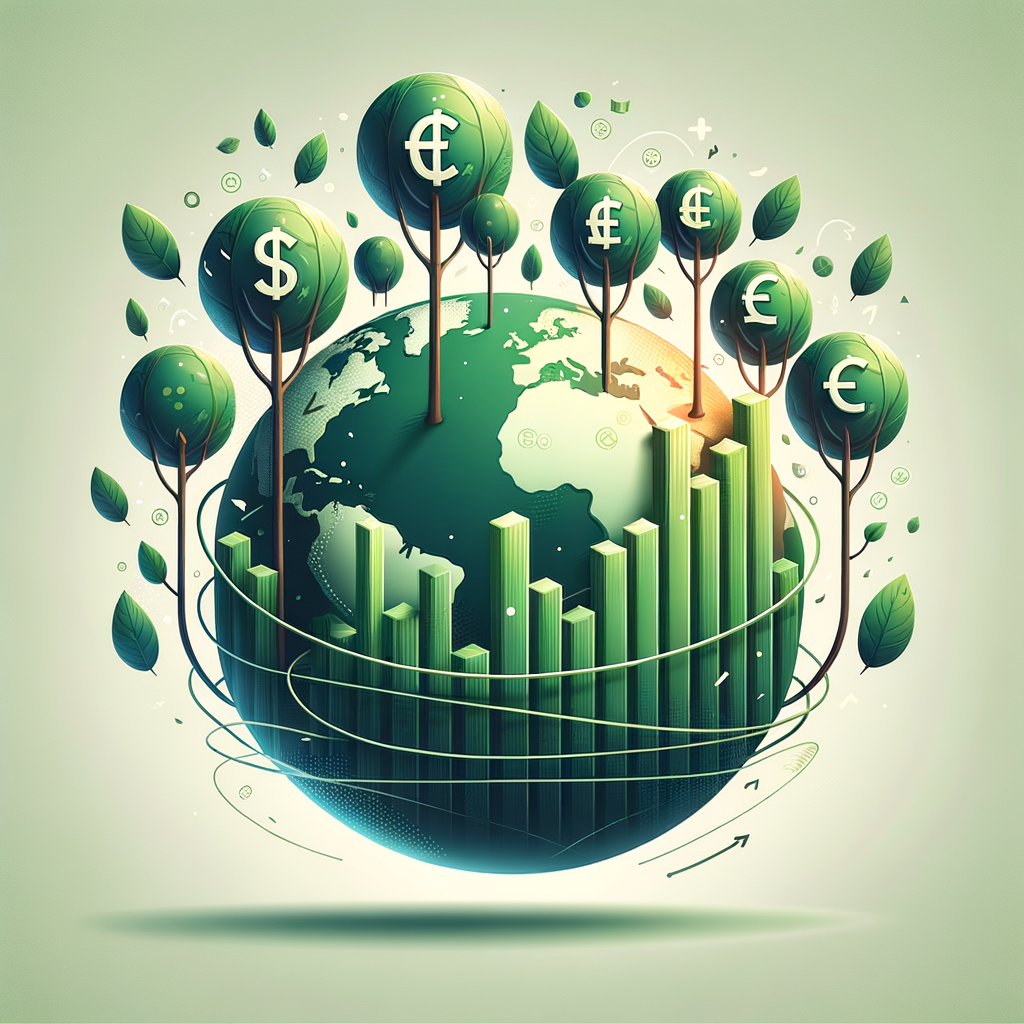
The concept of green growth has been gaining considerable attention in recent years as economies around the world grapple with the challenge of balancing economic prosperity with environmental sustainability. As climate change, resource depletion, and ecological degradation emerge as pressing concerns, the question arises: can the economy continue to grow without further harming the planet? This inquiry is not only fundamental to future economic strategies but relevant in ensuring the long-term survivability of both human societies and ecosystems. We are confronted with the dire consequences of traditional industrial growth models that often prioritize immediate economic gains over environmental stewardship. As policymakers, industries, and the public become increasingly aware, the pressure intensifies to find a harmonious path that allows for economic expansion while protecting our natural world. This journey toward sustainable development involves exploring innovative technologies, regulatory frameworks, and societal shifts necessary to foster green growth. It requires a reimagining of how we define economic success, prioritizing ecological health alongside fiscal growth, and promoting circular economies that reduce waste and energy consumption. This article will delve into the numerous aspects of green growth, examining its viability and assessing whether economic development truly can align with environmental conservation.
The Promise of Green Growth
Proponents of green growth argue that economic expansion and environmental sustainability are not mutually exclusive goals. Rather, they propose that it is possible to decouple economic development from environmental degradation. This process involves fostering industries and technologies that emphasize energy efficiency, reduce greenhouse gas emissions, and limit resource consumption. Renewable energy sectors, such as solar, wind, and hydroelectric power, have become pivotal to this transformative agenda. These alternatives to fossil fuels offer cleaner, more sustainable energy options that contribute significantly to reducing carbon footprints globally. Investment in renewable energy technologies has surged, driven by decreasing costs and increasing awareness of their potential to mitigate climate crisis impacts.
Furthermore, innovations within various industries also hold promising avenues for green growth. Sectors like transportation, agriculture, and manufacturing are experiencing significant technological shifts. Electric vehicles (EVs) reduce reliance on oil and lower emissions, while developments in smart grid technology enhance energy distribution efficiency. In agriculture, precision farming techniques, which utilize data to optimize resource use, reduce environmental impacts while maintaining productivity. Industrial processes are increasingly being optimized to use fewer materials and generate less waste, contributing to more sustainable production cycles.
Regulatory and Policy Frameworks
The role of governments and international bodies in advancing green growth cannot be overstated. Policymaking bears a critical influence on curbing environmental damage while propelling economies forward. Stringent regulations aimed at reducing emissions, controlling pollution, and managing natural resources are essential components of this endeavor. Carbon pricing is one strategy that assigns a monetary value to carbon emissions, effectively incentivizing industries to adopt cleaner practices. By internalizing the environmental costs of pollution, carbon pricing encourages the development of low-carbon technologies and business models.
Furthermore, governments can promote green growth through targeted subsidies and fiscal incentives. These financial supports can accelerate the transition to cleaner energy sources, support research and development in eco-friendly technologies, and aid industries in reducing their ecological footprints. Additionally, international agreements such as the Paris Agreement provide frameworks for countries to commit to and collaborate on reducing their contributions to global warming. Policymaking and international collaboration are instrumental in creating a conducive environment for green growth to thrive.
Economic and Social Considerations
While the ecological benefits of green growth are evident, its economic and social implications warrant careful examination. A transition toward sustainable economic models requires re-thinking existent job structures and market economies. The advancement of green industries often leads to job creation, particularly in renewable energy sectors and environmental conservation. However, the shift away from traditional industries, such as coal mining and oil production, can lead to job displacement and necessitate comprehensive retraining programs. These programs are essential to equip the workforce with skills necessary for new occupational roles within a green economy.
Moreover, issues of income inequality and access to resources are crucial social considerations. Green technologies and sustainable practices must be made affordable and accessible to all societal segments, ensuring that the benefits of green growth are widely distributed. Inclusivity in economic development not only promotes social equity but also engenders widespread public support for environmental initiatives.
Challenges and Barriers to Green Growth
Despite its promise, several challenges and barriers hamper the realization of green growth objectives. Economic concerns remain at the forefront, as transitioning away from conventional energy sources and practices often involves upfront costs and investment risks. Businesses and governments need to reconcile these immediate financial concerns with long-term environmental benefits—an often arduous balance to achieve.
Additionally, entrenched interests in fossil fuel industries exert significant political and economic influence, slowing down the adoption of greener alternatives. Lobbying and resistance from these sectors can hinder ambitious policy-making necessary for significant green growth progress. Furthermore, varying commitment levels from different countries and regions result in discordant policies and inconsistent momentum toward sustainability goals.
Technological challenges also exist; while many innovations are on the horizon, they require substantial research, development, and refinement. This aspect raises questions about scalability and the timeline necessary for these technologies to become mainstream solutions. Moreover, inadequate infrastructure and institutional frameworks can obstruct the efficient deployment of green technologies and slow down overall progress.
Moving Toward a Sustainable Future
Notwithstanding these obstacles, a global commitment to realizing green growth can pave the way for a sustainable future. Governments, businesses, and individuals must embark on a collective effort to reformulate priorities, align incentives, and champion innovation. Educational initiatives and public awareness campaigns are instrumental in shifting societal values toward supporting environmentally responsible choices. Additionally, building strong public-private partnerships can converge resources and expertise, accelerating the transition to sustainable economies.
Involvement at the grassroots level is equally important, with communities playing an influential role in advocating for and implementing sustainable practices. The synergy between top-down policies and bottom-up initiatives ensures a more robust and comprehensive approach to green growth. This collaborative engagement advances a shared vision of sustainability, resilience, and prosperity.
Conclusion
Can the economy grow without harming the planet? The prospect of green growth offers a hopeful answer to this question, demonstrating that sustainable economic development is not only achievable but also essential. By embracing renewable energies, innovative technologies, and supportive policies, economies can pivot away from harmful practices toward conservation-oriented models. However, realizing this vision necessitates overcoming substantial challenges, including financial constraints, political opposition, and technological hurdles.
Furthermore, fostering green growth requires emphasizing inclusivity and equity, ensuring social benefits are widespread and accessible to all. It entails a collective commitment across all societal strata, where individuals, businesses, and governments work in unison toward sustainable goals. Ultimately, irrespective of the obstacles, the consequences of inaction are far more insidious, underscoring the urgency of pursuing green growth pathways. Striking a balance between economy and ecology is not just an idealistic approach but an imperative for safeguarding our planet and ensuring continuous prosperity for future generations.
Frequently Asked Questions
1. What is ‘Green Growth’ and how does it differ from traditional economic growth?
Green growth is a development paradigm that seeks to harmonize economic growth with the necessity to preserve and protect our environment. Unlike traditional economic growth, which often prioritizes increased production and consumption without factoring in environmental costs, green growth emphasizes the integration of ecological and sustainability concerns into economic planning. This includes seeking ways to use resources more efficiently, reducing pollution and emissions, and investing in renewable energy and sustainable practices. The ultimate goal is to create an economy that not only prospers but also respects and nurtures the planet, ensuring that future generations can thrive in a healthy environment.
2. Why is it important for economies to focus on green growth now more than ever?
In recent years, the effects of climate change, such as extreme weather events, rising sea levels, and the loss of biodiversity, have posed significant threats to human societies. At the same time, the depletion of natural resources and environmental degradation have underscored the urgent need to rethink traditional economic models. Focusing on green growth is crucial because it offers a path to address these environmental challenges while still supporting economic development. By transitioning to sustainable practices, economies can mitigate the impacts of climate change, reduce their ecological footprint, and create a resilient economic future that can withstand the complexities of a changing world. At a time when the window to act is narrowing, green growth represents a proactive and necessary shift.
3. How can countries implement green growth strategies effectively?
Countries can implement green growth strategies effectively by adopting a multi-faceted approach that encompasses policy, technology, and education. Firstly, governments should establish clear regulations and incentives to promote sustainable practices and discourage harmful ones, such as subsidies for renewable energy projects and taxes on carbon emissions. Embracing innovation and technology is also critical, as it can lead to the development of cleaner production methods and more efficient resource use. Additionally, investing in education and raising public awareness about sustainability can foster a culture of environmental responsibility. Collaboration between public and private sectors, as well as international cooperation, is equally important to share knowledge and resources, driving a global transition towards a green economy. Successful implementation will likely require tailoring strategies to specific regional contexts, acknowledging socio-economic differences and the unique challenges they present.
4. Can green growth create new job opportunities?
Absolutely. One of the significant benefits of the transition to a green economy is the potential for job creation across various sectors. As industries strive to reduce their environmental impacts, new opportunities arise in fields such as renewable energy, energy efficiency, environmental protection, and sustainable agriculture. Jobs in solar, wind, and other renewable energy sectors, for instance, have seen considerable growth as countries invest in cleaner energy sources. Additionally, as businesses adopt greener practices, there is an increasing demand for professionals such as environmental engineers, sustainability consultants, and ecologists. Moreover, green growth can spur entrepreneurship as individuals and businesses innovate to meet new environmental standards. While certain traditional jobs may diminish, the overall economic impact is expected to be positive as the workforce transitions to more sustainable industries.
5. What challenges might economies face in achieving green growth?
While the vision of green growth is compelling, several challenges must be navigated. Transitioning from traditional to green growth models involves overcoming financial, technological, and social barriers. Initial investment costs for sustainable technologies and infrastructure can be high, and many economies, especially developing ones, might struggle to secure such funding without external support. Moreover, technological advancements required for green growth are still developing, and the pace of innovation may not match the urgency of environmental issues. Socially, there may be resistance from industries reliant on non-renewable resources and from communities that lack awareness about the benefits of sustainable practices. Furthermore, ensuring equity in the transition process is essential to avoid widening socio-economic disparities. Addressing these challenges requires coordinated policy efforts, widespread education, and importantly, inclusive and just stakeholder engagement, leaving no one behind in the move towards sustainability.