
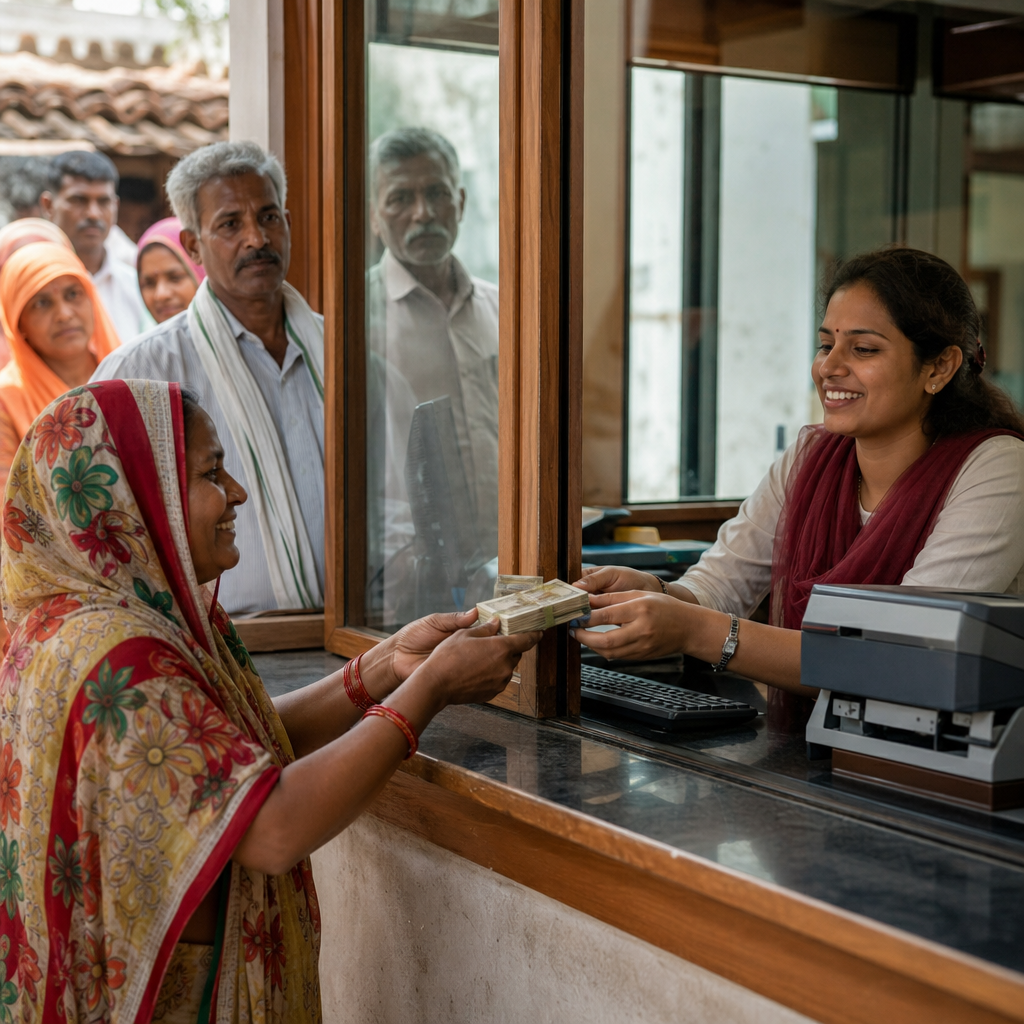
Financial inclusion means giving people and businesses access to useful, affordable financial services, including bank accounts, payments, savings, credit, and insurance, delivered responsibly and at a cost they can manage. Bank access matters because it is the practical doorway into modern economic life: wages are paid into accounts, bills move through digital rails, emergencies are easier to absorb with savings, and small firms can build a record that supports future borrowing. In my work reviewing consumer finance programs and local banking partnerships, I have seen the same pattern repeatedly: households without reliable bank access pay more for basic transactions, face longer delays, and have fewer options when something goes wrong.
The core terms are straightforward. A banked person has an account at a regulated institution. An underbanked person may have an account but still relies on nonbank services such as check cashers, money orders, pawn loans, or payday lenders. The unbanked have no checking or savings account at an insured institution or credit union. Financial inclusion goes beyond opening accounts. It includes account usage, product quality, digital access, consumer protection, and the ability to move from simple transactions to savings, credit, and risk management over time.
This topic matters at both household and national levels. For families, a safe account lowers the cost of receiving income, storing money, and making payments. For economies, broader participation in formal finance supports higher savings, better tax collection, more efficient transfers, and a clearer path for entrepreneurship. The World Bank’s Global Findex has shown a long-term rise in account ownership worldwide, yet large gaps remain by income, gender, geography, disability status, and documentation. Even in wealthy countries, many people avoid banks because of fees, distrust, language barriers, branch closures, or minimum balance rules. Understanding those frictions is essential if the goal is real inclusion rather than account-opening statistics.
Bank access also shapes resilience. During economic shocks, governments and employers can move money quickly to people with functioning accounts. Households can separate spending from savings, automate bill payment, and avoid carrying cash. Firms can accept digital payments, manage payroll, and establish transaction histories useful for underwriting. Put simply, financial inclusion is not a niche social program. It is infrastructure for participation, security, and growth.
Why bank access changes daily life
A bank account reduces friction in routine financial tasks. Direct deposit speeds up access to wages and benefits. Debit cards and account-to-account transfers lower the need for money orders or expensive remittance channels. Account statements create verifiable records, which help with apartment applications, tax filing, reimbursement claims, and loan applications. When people operate entirely in cash, each of these tasks becomes slower, costlier, or less certain.
The savings function is often underestimated. Even a basic insured savings account protects money from theft, fire, or informal pressure to spend. Behavioral features matter too. Automatic transfers after payday, labeled savings buckets, and transaction alerts make it easier to accumulate small balances. In community programs I have evaluated, the single biggest improvement in short-term stability often came not from credit but from enabling people to hold and preserve modest emergency savings without repeated leakage.
Bank access also matters for dignity and agency. A customer who can receive money digitally, dispute unauthorized transactions, and review balances in real time has more control than someone dependent on cash intermediaries. This is especially important for gig workers, migrants sending remittances, older adults collecting benefits, and people leaving abusive relationships who need private, secure control over funds. Inclusion, in this sense, is not only about economics; it is about practical autonomy.
The real costs of being unbanked or underbanked
People outside mainstream banking usually do not avoid costs; they shift them. Check-cashing outlets charge percentages that can erode already thin paychecks. Money orders, prepaid card reload fees, out-of-network withdrawals, and same-day bill payment charges add up quickly. Short-term credit obtained through payday loans or auto title loans can carry annualized costs far above traditional bank products. What looks like convenience in the moment often becomes a persistent premium for being excluded.
There are hidden costs as well. Cash-based households spend more time traveling to payment locations, waiting in line, and managing due dates manually. They may miss discounts for autopay or online billing. Landlords, utilities, and mobile phone providers increasingly assume digital payment capability. Without it, customers can be pushed into deposits, reconnection fees, or less favorable plans. Small businesses face similar penalties when they cannot accept card or instant payments, forcing customers toward competitors.
Risk rises too. Cash can be lost or stolen with little recourse. Informal savings groups can work well, but they depend heavily on trust and local norms. Unregulated lenders may use aggressive collection practices. By contrast, regulated deposit accounts generally come with disclosures, error-resolution procedures, and deposit insurance within statutory limits. Those protections are not perfect, but they are materially better than operating outside the formal system.
What keeps people out of the banking system
The barriers are practical, not abstract. Cost is the most obvious. Monthly maintenance fees, overdraft charges, minimum balance requirements, and unpredictable penalty structures deter low-income users who need certainty. A person living paycheck to paycheck may rationally prefer cash to an account that can drop negative after one mistimed debit. Overdraft reform and transparent no-fee products have improved this in some markets, but fee anxiety remains one of the strongest deterrents.
Documentation is another major hurdle. Know Your Customer and anti-money laundering rules are necessary, but implementation can exclude people with unstable housing, expired identification, inconsistent names across documents, or immigration-related concerns. Rural customers may have a branch many miles away. Urban customers may live in neighborhoods where branches closed after mergers. Digital-only onboarding helps some users but excludes others with limited broadband, older phones, low digital literacy, or disabilities that poorly designed apps do not accommodate.
Trust is equally important. People who have experienced account closures, surprise fees, debt collection, or discrimination may avoid banks for years. Language access matters; disclosures in complex legal English do not build confidence. So does product fit. If deposit timing, cash deposit options, customer support hours, and transaction limits do not match the realities of shift work or informal income, a nominally available account is not truly accessible.
| Barrier | How it affects consumers | Practical response |
|---|---|---|
| High fees and overdrafts | Unpredictable costs discourage account use | No-overdraft accounts, clear fee schedules, small-buffer alerts |
| ID and address requirements | Applicants cannot complete onboarding | Alternative verification, broader accepted documents, in-branch assistance |
| Branch closures or weak digital access | Cash deposits and support become difficult | Shared networks, postal banking models, accessible mobile design |
| Distrust and low product fit | People revert to cash or fringe providers | Transparent terms, bilingual service, products built for volatile income |
How banks support saving, credit, and economic mobility
The first benefit of bank access is transaction efficiency, but the larger long-term value is progression. A stable account relationship creates data: deposit frequency, bill payment patterns, average balances, and cash-flow regularity. Used responsibly, that information supports better underwriting than blunt proxies alone. Customers can move from a basic account to secured credit cards, small-dollar loans, auto loans, and eventually mortgages or business credit. That pathway is one reason bank access matters for economic mobility rather than only convenience.
Credit quality improves when lenders can see real cash flow. Many fintech and bank partnerships now use transaction data, payroll links, or open banking connections to assess affordability, supplementing traditional credit bureau files. This can help “thin file” consumers who have limited formal credit history. The tradeoff is privacy and consent: data sharing must be understandable, revocable where possible, and used with fair lending discipline. Better access should not mean weaker protections.
For microenterprises and sole proprietors, the effect is immediate. A business account separates personal and commercial finances, simplifies bookkeeping, and creates records useful for tax compliance and loan applications. Payment acceptance through cards, ACH, or instant rails expands the customer base. In several local merchant programs I have reviewed, simply moving vendors from cash-only operations to low-cost digital acceptance increased sales consistency because customers no longer needed exact cash on hand.
Digital finance, mobile money, and the new access model
In many countries, financial inclusion has advanced fastest through phones rather than branches. Mobile wallets and agent networks allow users to store value, transfer funds, and pay merchants without a traditional bank visit. Kenya’s M-Pesa remains the classic example: mobile money reduced transaction costs, broadened person-to-person transfers, and helped households manage shocks by receiving support from wider social networks. Similar models across Africa and Asia show that access can expand rapidly when products match daily habits and cash-in or cash-out points are convenient.
In higher-income markets, digital banks, payment apps, and real-time transfers are reshaping expectations. People now expect instant notifications, remote deposit capture, card controls, and low-friction onboarding. These tools can improve inclusion, especially for workers with irregular hours who cannot visit branches. Yet digital-only models create new exclusions if they assume stable internet, high reading proficiency, or flawless identity verification through automated systems. Good design includes multilingual interfaces, screen-reader compatibility, fraud education, and responsive human support when automation fails.
Payment infrastructure matters here. Faster payment systems, interoperable QR standards, and open banking frameworks lower switching costs and reduce lock-in. They can make small accounts economically viable by reducing transaction expense. However, inclusion is not solved by technology alone. The best outcomes come when digital rails are paired with cash access, consumer safeguards, and straightforward products people can understand without specialist knowledge.
The role of governments, regulators, and community institutions
Public policy strongly shapes who gets access and on what terms. Deposit insurance builds confidence in the safety of small balances. Consumer protection rules govern disclosures, error resolution, fair lending, and unfair or deceptive practices. Payment regulation influences whether transfers are fast and affordable. Identification systems affect onboarding. When these elements work together, banks can serve lower-balance customers sustainably without relying on opaque fees.
Government payment programs are especially influential. Social benefits, tax refunds, pensions, and wage payments can either draw people into formal accounts or reinforce exclusion if distribution methods are cumbersome. During crises, the ability to push funds electronically becomes critical. Countries that had broader digital account coverage were generally able to deliver emergency support faster than those relying heavily on paper-based distribution or manual verification.
Community banks, credit unions, postal networks, and nonprofit intermediaries remain vital. Large national institutions provide scale, but local organizations often provide trust, language access, and patient onboarding. Certified community development financial institutions in the United States, for example, have long focused on underserved neighborhoods and small borrowers who may be overlooked by mainstream underwriting models. Effective inclusion strategies usually combine national infrastructure with local relationships.
What meaningful financial inclusion looks like in practice
Success is not merely counting opened accounts. Meaningful inclusion means people can open an account easily, keep it open, use it regularly, and graduate to better financial options over time. A useful checklist includes low or no monthly fees, no surprise overdrafts, free direct deposit, broad ATM access, simple dispute processes, multilingual support, and app features that help users avoid mistakes. Products should fit volatile income, not assume perfectly timed pay cycles.
Measurement should track outcomes, not only enrollment. Useful indicators include account dormancy, digital login frequency, direct deposit adoption, savings accumulation, reduction in alternative financial service use, and successful transitions to safer credit. For small businesses, look at digital payment acceptance, bookkeeping separation, revenue stability, and loan readiness. These are stronger signals of real inclusion than a headline number on accounts opened during a campaign.
The hub issue across this economics subtopic is simple: access to banking connects people to the rest of the financial system. It lowers transaction costs, improves safety, supports saving, and creates a platform for credit and enterprise. The strongest policies and products are the ones built around everyday constraints, especially irregular income, documentation gaps, disability access, language needs, and justified distrust from past harm.
Financial inclusion is therefore both a fairness issue and a productivity issue. Households benefit from lower costs and greater resilience. Businesses benefit from better payment flows and stronger records. Governments benefit from more efficient transfers and a broader formal economy. Banks benefit when they design transparent products that people can actually use, because long-term, active relationships are more valuable than short-lived accounts opened to meet quotas. If you are evaluating this topic for research, policy, or practice, start with one question: can an ordinary person receive money, store it safely, pay bills affordably, and build a financial history without avoidable friction? If the answer is no, inclusion is incomplete, and that is where the next improvement should begin.
Frequently Asked Questions
What is financial inclusion, and why does it matter in everyday life?
Financial inclusion means making sure people and businesses can access affordable, useful, and responsibly delivered financial services such as bank accounts, payments, savings tools, credit, and insurance. In practical terms, it is about whether someone can safely store money, receive income, pay bills, handle emergencies, and participate fully in the economy without relying on expensive or risky alternatives. A bank account is often the first step because it creates a secure place for wages, benefits, and business revenue to land and move.
In everyday life, bank access matters because modern economic systems are increasingly built around digital payments and account-based transactions. Employers often prefer direct deposit, landlords and utilities may expect electronic payments, and many public benefits are distributed through financial channels that work best with an account. Without access, people can face extra fees, delays, and inconvenience just to cash checks, send money, or pay routine expenses. Over time, those friction points can make it harder to build savings, maintain stability, and plan ahead.
Financial inclusion also has a long-term effect on resilience and opportunity. When people can save consistently, they are better positioned to absorb shocks such as medical bills, job interruptions, or urgent repairs. When small businesses can separate personal and business finances, process payments, and build transaction histories, they are in a stronger position to qualify for financing later. That is why financial inclusion is not just a banking issue; it is closely tied to economic mobility, household security, and broader participation in modern financial life.
Why is having a bank account so important compared with using only cash or alternative financial services?
A bank account provides security, convenience, and a financial foundation that cash alone cannot offer. Cash can be lost, stolen, or spent quickly without a clear record, while funds held in a regulated account are generally safer and easier to track. A bank account also helps people manage recurring financial tasks more efficiently, including receiving payroll through direct deposit, paying utilities, making online purchases, transferring money, and setting aside savings. In a world where more payments move electronically, an account is increasingly essential rather than optional.
Alternative financial services such as check cashers, money orders, and some short-term lenders may fill immediate gaps, but they often come with higher costs and fewer protections. Repeated fees for cashing checks, paying bills, or accessing short-term credit can consume money that could otherwise go toward savings or essentials. By contrast, many banks and credit unions now offer low-cost or no-overdraft accounts designed to help customers manage money more affordably. The difference may seem small transaction by transaction, but over months and years, lower fees and better access can significantly improve financial stability.
Just as important, a bank account creates a usable financial record. Regular deposits, payment activity, and account history can support future applications for rental housing, business accounts, or certain forms of credit. For entrepreneurs and small firms, that record can be especially valuable because it helps demonstrate revenue patterns and financial discipline. So while cash remains useful, relying on cash alone can leave people outside systems that increasingly shape employment, commerce, and opportunity.
How does bank access help people build savings and handle financial emergencies?
Bank access makes saving easier because it creates structure. When money enters an account directly, people can set aside part of each paycheck before it gets absorbed into daily spending. Many institutions offer automatic transfers into savings, alerts, and budgeting tools that encourage consistency even when income is modest. This matters because savings are often less about large amounts and more about habit, accessibility, and keeping funds separate from everyday cash flow.
In an emergency, even a small savings cushion can make a major difference. Unexpected expenses such as car repairs, medicine, school costs, or temporary job loss can quickly destabilize a household. Without a safe place to store money and a practical way to build reserves, families are more likely to rely on high-cost borrowing, miss payments, or forgo essentials. A bank account does not eliminate financial stress, but it gives people better tools to prepare for it and respond with more control.
There is also a psychological benefit to secure savings. Knowing that money is protected and available can reduce the pressure that comes with living entirely from one transaction to the next. For many households, the ability to check balances, schedule payments, and separate emergency funds from spending money improves confidence and decision-making. Financial inclusion works best when products are affordable and understandable, because the goal is not merely access on paper, but access that genuinely helps people weather instability and build a stronger financial base.
What role does bank access play for small businesses and entrepreneurs?
For small businesses, bank access is often the gateway to operating more efficiently and growing more sustainably. A business account helps owners separate personal and business finances, which improves bookkeeping, tax preparation, and overall financial clarity. It also makes it easier to accept digital payments, pay suppliers, manage payroll, and demonstrate professionalism to customers and partners. In many industries, the ability to move money electronically is no longer a competitive advantage; it is a basic requirement for participation.
Banking access also helps businesses build a track record. Account statements, deposit history, payment flows, and cash management patterns can all contribute to a clearer picture of business performance. That record becomes important when an owner later seeks credit, a line of working capital, equipment financing, or even a commercial lease. Lenders and partners often need verifiable financial information, and businesses operating mostly in cash may struggle to present the documentation needed to support growth.
Beyond lending, financial inclusion can improve resilience for entrepreneurs. Businesses with access to savings tools, payment systems, and appropriate financial products are better equipped to manage uneven cash flow, seasonal revenue swings, and unexpected costs. For very small firms and sole proprietors, especially those in underserved communities, responsible bank access can reduce dependence on expensive informal financing and create more stable paths to expansion. In that sense, inclusion supports not only individual business owners but also local employment and community economic development.
What barriers keep people from using banks, and what makes financial inclusion more effective?
People remain outside the banking system for many reasons, and cost is only one of them. Common barriers include minimum balance requirements, monthly fees, overdraft concerns, lack of nearby branches, limited internet access, identification challenges, language barriers, distrust of financial institutions, and products that do not match irregular income patterns. Some individuals have had negative experiences with account closures or surprise charges, while others simply do not see enough value in traditional accounts compared with the hurdles involved in opening and maintaining one.
Effective financial inclusion addresses those realities directly. That means offering low-cost, transparent accounts with simple terms, reducing unnecessary fees, providing strong customer support, and designing products that work for people who may be paid unpredictably or in cash-heavy environments. It also means expanding access through mobile banking, community partnerships, multilingual service, and practical financial education that helps users understand how to avoid fees, build savings habits, and use accounts confidently. Inclusion is most successful when it is built around usability and trust, not just availability.
Policy, regulation, and institutional design all matter here. Consumer protections, fair identification standards, responsible digital onboarding, and support for community-based banking models can make access broader and safer. At the same time, banks and credit unions need to treat underserved customers as long-term participants in the financial system, not as marginal users. Real financial inclusion happens when people can open an account, use it regularly, afford it comfortably, and benefit from it over time. In other words, access matters most when it leads to meaningful participation and stronger financial outcomes.