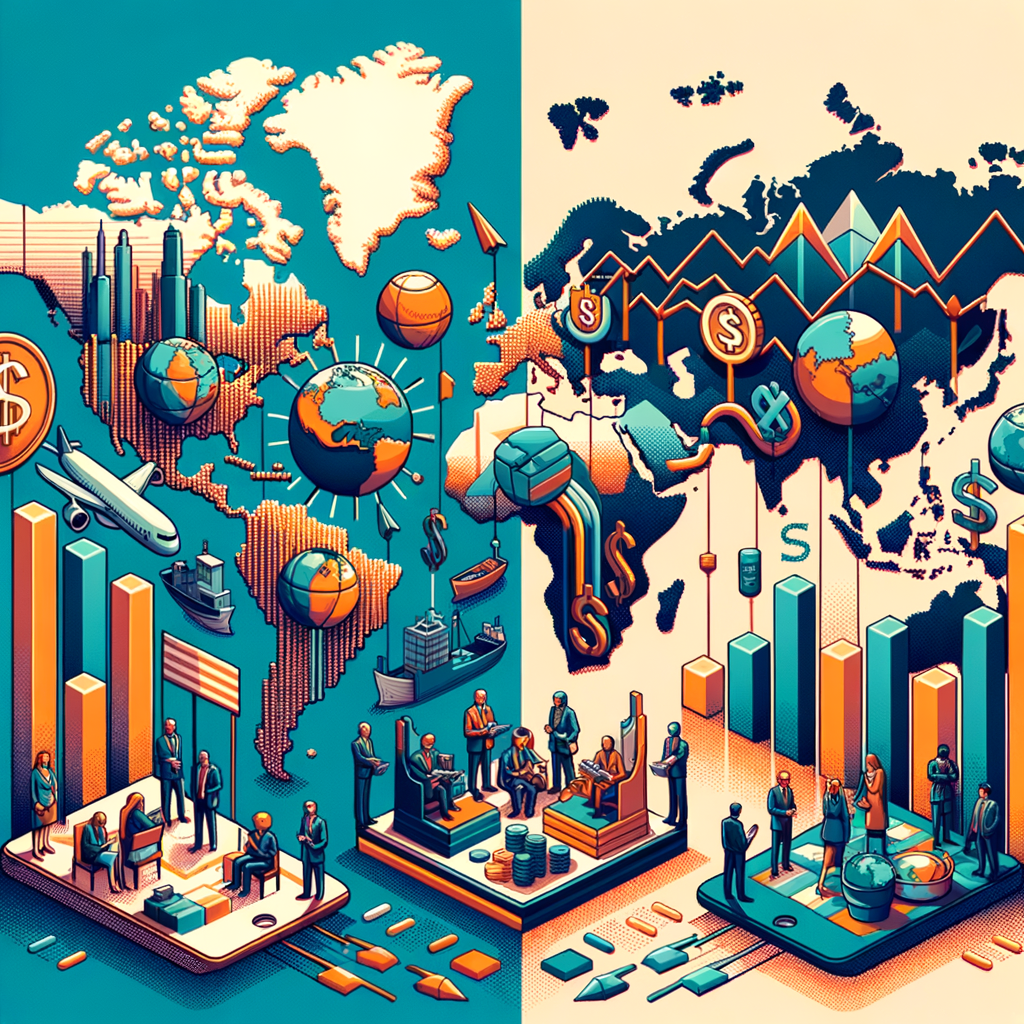
At its core, an economic system defines how a country allocates its resources among its population, balances the levels of supply and demand, and regulates the production, distribution, and consumption of goods and services. Over time, nations have developed various models to harness and manage economic activity effectively. An understanding of the different economic systems is crucial in today’s interdependent global economy. This guide explores the various economic systems around the world, providing insights into how different countries operate economically. From free-market mechanisms to state-controlled planned economies, each system reflects its history, culture, values, and political priorities. The common types of systems include capitalism, socialism, mixed economies, and the more centralized planned economies. This introduction serves to offer a glimpse into the intricate network of economies that shape our world. By delving into specific examples, we will explore how different countries have adopted these systems and adapted them according to their unique circumstances. Understanding the diversity of these systems helps shed light on the successes and challenges that different nations face. This comprehensive guide will focus on specific countries, illustrating the multifaceted nature of global economics.
Capitalist Economies
Capitalism is characterized by private ownership and the free market’s role in directing economic activity. In capitalist economies, businesses operate in a competitive marketplace, and the forces of supply and demand determine prices and production. In theory, capitalism promotes innovation, efficiency, and economic growth, as individuals and corporations seek to maximize profits. The United States exemplifies a predominantly capitalist system, known for its dynamic free-market ethos. With minimal government intervention, the U.S. economy encourages entrepreneurship and innovation. The stock market and financial sectors play significant roles in shaping economic policy and progress. Other examples of capitalist economies include the United Kingdom, where the service sector dominates, and markets drive much of the economic activity. Singapore’s economy is also founded on capitalist principles, with significant emphasis on trade, finance, and foreign investment. Despite a strong free-market foundation, government policies support strategic industries, showing a blend of capitalist and state-driven models.
Socialist Economies
Socialism, in its various forms, aims to reduce inequality and redistribute wealth by maintaining state control over key industries and resources. In socialist economies, the government often provides essential services such as healthcare and education, funded through taxation. Wealth distribution policies seek to mitigate disparities and promote social welfare. Sweden embodies socialism through its robust welfare system. The government ensures citizens have access to healthcare, education, and pensions, funded by high taxation but balanced by economic stability and low poverty rates. Sweden’s success stems from a mixed model where private enterprise flourishes alongside strong government intervention. Cuba, a more traditionally socialist economy, reflects centralized control over most economic activities. The state administers the majority of the country’s resources, but recent reforms are allowing small-scale private businesses. These changes reflect an ongoing shift as Cuba seeks to rejuvenate its economy while retaining its socialist ideals.
Mixed Economies
Mixed economies incorporate elements from both capitalist and socialist frameworks, recognizing the benefits and limitations of each. In mixed systems, private enterprise and government intervention coexist, creating a dynamic equilibrium to maintain growth and social welfare. Germany operates as a mixed economy with strong industrial and economic policies. It balances capitalist practices with a comprehensive social welfare framework. The ‘social market economy’ encourages businesses and competition while upholding a solid social safety net for its citizens. Other examples include France and Canada, where market-driven principles merge with government policy to foster equality and ensure public welfare. These nations demonstrate how the mixed model can result in resilient, robust economies by leveraging the strengths of both private and public sectors.
Planned Economies
Planned or command economies are defined by state control over production and distribution, often associated with communist ideologies. In these systems, central authorities determine economic goals, allocate resources, and set output levels. The planned approach can achieve rapid industrialization but often at the cost of consumer choice and market responsiveness. North Korea represents one of the few remaining command economies, characterized by tightly controlled economic activity. The government directs all production and trade, heavily regulating foreign interactions. North Korea’s isolation illustrates the difficulties inherent in planned systems, including inefficiency and lack of innovation. Meanwhile, China, though historically a planned economy, has significantly transitioned toward market reforms, resulting in a ‘socialist market economy.’ While the government remains influential, China’s opening to market principles has propelled substantial economic growth and global influence.
Traditional Economies
Traditional economies rely on historical customs and practices to manage resources, often seen in rural or tribal settings. These economies are typically unaffected by global influences and remain guided by age-old traditions. They center around agriculture, fishing, and manual work, utilizing barter systems for trade. Parts of Africa and the Amazon basin sustain traditional economies, where indigenous communities live off the land, hunting, gathering, and fishing. These economies prioritize ecological balance and cultural preservation over rapid economic growth. Despite limited industrialization, traditional systems retain sustainability and harmony with nature.
Conclusion
The diversity of economic systems worldwide reflects the multiplicity of human societies, each with distinct priorities and challenges. From strictly capitalist models to command economies, nations strive to harness resources effectively, foster growth, and ensure the welfare of their citizens. Each system offers advantages and drawbacks, shaped by cultural, historical, and political factors unique to each country. As globalization intensifies, economic interdependence requires understanding these diverse systems to foster cooperation, identify competitive advantages, and address common concerns. Trade agreements, international frameworks, and economic summits often seek to bridge differences and manage the complexities of a global economy. The future will continue to see the evolution of these systems in response to technological advancement, demographic shifts, and environmental concerns. This guide provides an essential overview of the world’s economic systems, highlighting the diversity and complexity underpinning global economic relations. By studying these different systems, we can better appreciate the interconnectedness of our world and the tremendous challenges and opportunities it presents today.
“`htmlFrequently Asked Questions
1. What is an economic system, and why is it important for countries?
An economic system is essentially the way a nation organizes and coordinates its resources, including land, labor, capital, and entrepreneurship, to provide for its citizens’ needs and wants. It plays a fundamental role in determining how goods and services are produced, what kinds and quantities of goods are available, and how wealth is distributed among the population. Understanding economic systems is vital because they shape everything from the availability of consumer goods to the level of individual prosperity, and ultimately, they impact everything from government policy-making to international relations. These systems influence not just economic outcomes, but often social and geopolitical stability as well. With the globalization of markets, knowing how different countries manage their economies can provide insight into global trade dynamics, potential partnership opportunities, and competitive threats.
2. Can you explain the main types of economic systems found around the world?
There are several fundamental types of economic systems, each with its own unique characteristics. The major categories include: – A market economy, where decisions about investment, production, and distribution are based on supply and demand. Prices for goods and services are determined in a free price system. An example is the United States. – A command economy, where the government plays a significant role in determining what goods should be produced, how much should be produced, and the price at which the goods will be offered for sale. A classic example would be the defunct Soviet Union. – A mixed economy, which combines elements of both market and command economies, is prevalent in most developed countries today. It allows private enterprise but also has significant government intervention. Countries like Sweden or France illustrate this blend well. – A traditional economy, found in more rural or isolated communities, relies on customs and traditions to make economic decisions. This type is less common in modern economies but can still be found in some parts of Africa and South America.
3. How do economic systems impact international trade and globalization?
Economic systems have a substantial impact on international trade and globalization. The framework of a country’s economic system dictates how it engages with the global market. For instance, countries with market economies may readily embrace globalization, with less restrictive trade policies and a greater emphasis on free-market principles. This openness can lead to prolific exchange of goods, services, and ideas. Contrarily, countries with command economies might adopt protectionist policies, with more stringent controls over foreign imports and less engagement in trade relationships, which can inhibit globalization. Moreover, mixed economies, which balance state and private control, often showcase diverse approaches towards international trade, potentially offering attractive investment climates while fostering domestic industries. Every economic system must navigate the complexities of globalization, seeking to harness its benefits while safeguarding national interests.
4. What are the challenges countries face with their economic systems?
Each type of economic system presents its own unique set of challenges. In market economies, challenges can include wealth inequality, monopolies, and market failures where the market does not efficiently allocate goods and resources. Regulatory bodies, like antitrust commissions, often need to step in to maintain competition and fairness. Command economies, on the other hand, can suffer from inefficiencies due to a lack of competition and innovation stifling, as they rely heavily on government planning. Mixed economies experience tensions between different economic goals, such as growth versus welfare, or private enterprise versus public interest. Traditional economies, though relatively stable, can inhibit growth and development due to their resistance to change and lack of integration with the global economy. All economic systems must grapple with challenges of sustainability, technological change, and demographic shifts.
5. How have economic systems evolved over time, and what influences these changes?
Economic systems have continuously evolved, influenced by historical, political, social, and technological factors. The transition from agrarian societies to industrialized economies drastically altered global economic landscapes, paving the way for the rise of capitalism. The Great Depression and World Wars spurred the development of welfare states and Keynesian economics in Western countries. Conversely, Marxist ideologies led to the establishment of centrally-planned economies in the Soviet bloc. The latter half of the 20th century saw the rise of neoliberal policies, emphasizing deregulation and the opening up of markets, which fueled globalization. Recent influences include digital transformation, which is creating new economic activities and changing traditional industries, and the urgent need for sustainable practices amid climate change concerns. Nations must remain adaptive, often blending models to meet contemporary challenges while ensuring prosperity and stability for their populations.
“`