
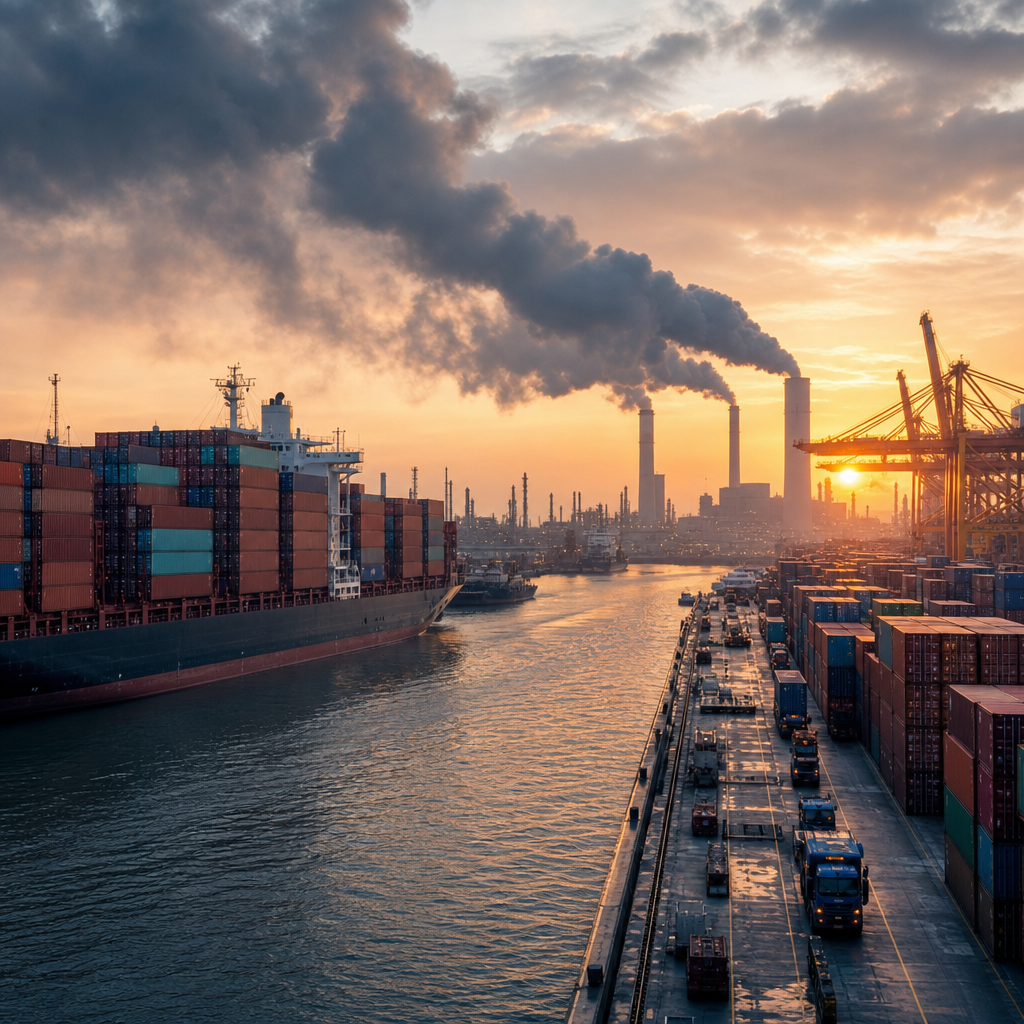
Cost-push inflation from energy and supply chain shocks occurs when firms face higher production and distribution costs, then pass part of those increases to buyers through higher prices. In practical terms, electricity, natural gas, diesel, container freight, parts shortages, and longer delivery times all raise the cost of making and moving goods. I have worked with manufacturing and retail operating data during volatile periods, and the pattern is consistent: when input costs jump suddenly, margins compress first, purchasing teams scramble second, and consumer prices often rise third. This matters because the inflation households feel at the gas pump, grocery shelf, and utility bill is frequently rooted upstream in energy markets and logistics networks.
To understand the issue clearly, it helps to define a few terms. Inflation is a sustained increase in the general price level, usually tracked by indexes such as the Consumer Price Index and the Producer Price Index. Cost-push inflation differs from demand-pull inflation. Demand-pull inflation starts when spending outpaces the economy’s capacity to supply goods and services. Cost-push inflation starts when the cost of labor, energy, raw materials, transport, financing, or regulation rises and businesses respond by lifting prices, reducing output, or both. Energy shocks are abrupt increases in oil, gas, coal, or power prices caused by war, sanctions, underinvestment, weather, or policy changes. Supply chain shocks are disruptions in sourcing, production, shipping, warehousing, or customs that create shortages, delays, and extra expense.
Why does this topic deserve a hub article under economics misc? Because cost-push inflation sits at the intersection of macroeconomics, industrial organization, trade, geopolitics, and business operations. It affects central bank decisions, wage bargaining, inventory policy, industrial strategy, and consumer behavior. It also explains why inflation can stay elevated even when demand cools. A retailer may see fewer shoppers and still raise prices if freight costs double. A steel mill may reduce output if electricity prices spike. A food processor may pay more for fertilizer, packaging, refrigeration, and trucking at the same time. Understanding these channels helps readers interpret headlines, earnings calls, and policy debates with more precision.
This article serves as a practical hub for the broader misc area by connecting several related themes: commodity cycles, pass-through pricing, bottlenecks, resilience planning, inflation measurement, and policy tradeoffs. It covers what cost-push inflation is, how energy and supply chain shocks transmit through the economy, what real-world episodes teach us, how businesses and governments respond, and where the limits of those responses lie. If you want a clear framework for analyzing inflation beyond simple claims about excess demand, this is the starting point.
How energy shocks create cost-push inflation
Energy is a foundational input, so a sharp rise in energy prices reaches almost every sector. Oil matters not only for gasoline and diesel but also for petrochemicals, plastics, synthetic fibers, aviation fuel, asphalt, and many industrial lubricants. Natural gas matters for electricity generation, home heating, fertilizer production through ammonia, glassmaking, ceramics, and metals processing. When these prices move suddenly, businesses absorb the increase briefly, renegotiate contracts, and then adjust prices. The speed of pass-through varies by sector. Fuel surcharges can appear within days in freight markets, while regulated utilities may need months to recover higher generation costs through approved tariffs.
The transmission mechanism is straightforward. A bakery pays more for power, transport, and packaging. A trucking fleet pays more for diesel and maintenance inputs. A chemical plant pays more for feedstocks and process heat. These firms then either cut margins, improve productivity, reduce output, or raise prices. In my experience, firms usually do all four in sequence, not as exclusive choices. First they use inventory, hedges, and working capital to buffer the shock. Then they trim promotions or delay hiring. If high costs persist, they reprice contracts and cut lower-margin product lines. That is how an upstream energy shock becomes broad consumer inflation without any surge in demand.
The 1973 oil embargo and the 1979 energy crisis remain classic examples. Oil supply disruptions sharply raised fuel costs, transportation costs, and production expenses across advanced economies. Inflation accelerated while growth slowed, creating stagflation. More recently, Europe’s 2021 to 2023 natural gas crisis showed the same logic in a modern setting. Gas prices surged after supply constraints worsened following Russia’s invasion of Ukraine. Energy-intensive industries, especially chemicals, fertilizers, aluminum, and paper, faced severe cost pressure. Some plants reduced output because selling finished goods no longer covered variable costs. Households then experienced higher electricity bills and more expensive food, partly because fertilizer and transport costs rose.
How supply chain shocks raise prices and reduce output
Supply chain shocks create cost-push inflation by making goods harder and more expensive to source, produce, and deliver. During the pandemic era, factory shutdowns, port congestion, container shortages, rolling quarantines, labor absences, and volatile demand collided at once. The result was not just scarcity but a measurable increase in logistics cost. The Drewry World Container Index and the Baltic Dry Index both signaled extraordinary freight stress at different points. Ocean rates on key routes rose several times above pre-2020 norms. Importers paid more for shipping, warehousing, demurrage, air freight substitution, and expedited trucking. Those costs filtered into final prices for furniture, appliances, electronics, apparel, and building materials.
Supply chain inflation is often misunderstood as mere inconvenience. In reality, long lead times change production economics. If a car manufacturer cannot get semiconductors, assembly lines idle, fixed costs spread over fewer vehicles, dealer inventories shrink, and prices rise. If a pharmaceutical producer waits longer for active ingredients, safety stock requirements increase, cold-chain handling may become more complex, and emergency sourcing costs more. The shortage itself can also shift bargaining power toward suppliers. When buyers compete for scarce inputs, vendors can shorten payment terms, reduce discounts, and prioritize strategic accounts. That pricing power is one reason bottlenecks can persist even after demand begins to normalize.
| Shock type | Main cost channel | Typical sectors hit first | Common price response |
|---|---|---|---|
| Oil price spike | Fuel, petrochemicals, transport | Freight, airlines, plastics, food distribution | Fuel surcharges, retail price increases |
| Natural gas surge | Power, heat, fertilizer feedstock | Utilities, chemicals, agriculture, metals | Higher utility tariffs, food and industrial goods inflation |
| Port congestion | Freight delay, storage, rerouting | Retail, electronics, home goods, autos | Longer lead times and higher landed costs |
| Component shortage | Idle capacity, emergency sourcing | Automotive, machinery, medical devices | Reduced output and higher unit prices |
A useful real-world example is the semiconductor shortage that hit automakers from 2020 onward. Modern vehicles require chips for engine control, safety systems, infotainment, and battery management. When chip foundries allocated capacity toward consumer electronics and vehicle demand recovered faster than expected, automakers lacked critical components. Production cuts reduced new-car supply, and buyers shifted to used cars, where prices also surged. This was a textbook supply chain shock with broad inflation effects. It did not begin with excessive consumer demand for all goods in general. It began with a specific bottleneck in a tightly optimized global production network.
Why pass-through differs across industries
Not every cost shock leads to the same inflation outcome because pass-through depends on market structure, contract design, regulation, and substitution options. Commodity producers often experience rapid price transmission because their products trade in transparent markets. Consumer brands may move more slowly, using packaging changes, reduced promotions, or product mix shifts before posting overt price increases. Regulated sectors such as electricity, water, and rail may face delayed pass-through because tariff changes require administrative review. Service businesses can be more insulated from imported goods shortages but remain vulnerable to fuel, rent, wage, and utility costs.
Industry concentration also matters. Firms with strong brands or limited competition usually have more pricing power than fragmented sectors with many substitutes. Airlines commonly use fuel surcharges or dynamic pricing to reflect input volatility quickly. Supermarkets operate on thinner margins and face intense price comparison, so they may pass through selectively, raising prices faster on less visible categories while defending key traffic-driving items such as milk, bread, or eggs. Manufacturers with annual procurement contracts may delay the impact for one or two quarters, but once those contracts reset, prices can step up sharply. Analysts who only watch monthly consumer data often miss this lagged structure.
Another reason pass-through differs is the share of energy and logistics in total cost. Cement, aluminum, glass, fertilizers, and chemicals are energy intensive, so an electricity or gas shock can alter their economics dramatically. Software companies are less directly exposed, though data center power costs still matter at scale. Furniture importers are highly exposed to container rates and port delays. Local hair salons are not. The basic rule is simple: the more essential and less substitutable the affected input, the greater the likelihood of broad cost-push inflation. That is why economists monitor producer prices, shipping indexes, and commodity benchmarks alongside consumer inflation releases.
Measurement, policy, and business response
Economists track cost-push inflation through several indicators. The Consumer Price Index shows what households pay, while the Producer Price Index captures prices received by domestic producers. Import and export price indexes help identify cross-border cost transmission. Purchasing Managers’ Index surveys from S&P Global often reveal delivery delays, input price pressure, and order backlogs before those dynamics appear fully in official inflation data. Central banks also study inflation expectations, wage settlements, and core measures that strip out the most volatile food and energy components. Core inflation is useful, but it should never be treated as proof that energy and supply chain shocks do not matter. Those shocks often bleed into core categories over time.
Policy responses are difficult because the usual anti-inflation tool, higher interest rates, mainly suppresses demand. That can reduce second-round effects, such as persistent wage-price dynamics, but it does not produce more natural gas, unclog ports, or manufacture missing chips overnight. Governments therefore face a tradeoff. Tight monetary policy can prevent temporary shocks from becoming entrenched, yet excessive tightening during a supply shock can deepen unemployment without solving the original constraint. Fiscal tools can be more targeted, including temporary energy subsidies, strategic stockpile releases, port investment, streamlined customs procedures, or incentives for grid expansion and domestic manufacturing. Each option has costs and distributional consequences.
Businesses respond with operational changes rather than macro tools. The most effective measures I have seen are supplier diversification, dual sourcing for critical components, buffer inventory on high-risk inputs, indexed pricing clauses, and better sales and operations planning. Some firms redesign products to reduce scarce material content. Others nearshore production to shorten lead times, though that can raise labor costs. Energy management matters too. Companies with efficient equipment, on-site generation, long-term power purchase agreements, or hedging programs are less exposed to spot market spikes. The goal is resilience, not perfect insulation. No company can eliminate all exposure to energy and supply chain shocks, but many can reduce the speed and severity of pass-through.
For readers using this page as a hub, the core lesson is that cost-push inflation from energy and supply chain shocks is both macroeconomic and operational. It explains why inflation can rise during weak growth, why some categories surge before others, and why policy debates become contentious when supply constraints drive prices. The most reliable way to analyze it is to trace the chain from input shock to producer margin pressure to output decisions to final pricing. Watch energy benchmarks, freight rates, inventories, lead times, and contract resets, not just headline inflation. That fuller view makes economic news easier to interpret and business decisions easier to stress test. Use this framework as your starting point for deeper reading across economics topics and related misc articles.
Frequently Asked Questions
What is cost-push inflation, and how do energy and supply chain shocks cause it?
Cost-push inflation happens when businesses face higher costs to produce, source, or deliver goods and services, and then pass at least some of those increases on to customers through higher prices. In the case of energy and supply chain shocks, the mechanism is very direct. When electricity, natural gas, gasoline, or diesel prices rise, operating expenses increase across the economy. Factories pay more to run equipment, warehouses pay more for power and climate control, and transportation providers pay more to move raw materials and finished products.
Supply chain disruptions add a second layer of pressure. If firms encounter container shortages, port congestion, delayed shipments, parts shortages, or longer lead times, they often have to pay more for expedited freight, alternative suppliers, higher inventory buffers, or substitute materials. Even when a company does not pay a visibly higher sticker price for an input, delays and uncertainty can still raise costs by reducing efficiency, increasing downtime, and forcing operational workarounds. That is why inflation tied to energy and logistics often spreads beyond one industry. It moves from upstream producers to manufacturers, then to wholesalers, retailers, and finally end consumers.
The important point is that this form of inflation starts on the cost side rather than from unusually strong consumer demand. Businesses do not raise prices simply because they want to; they often do so because margins are being compressed by sudden cost increases that are difficult to absorb indefinitely. In real operating data, this pattern tends to show up first in freight, utilities, fuel surcharges, and key inputs, then later in broader product prices.
Why do higher energy costs affect so many prices across the economy?
Energy is a foundational input, which is why its price matters far beyond gas stations or utility bills. Nearly every product requires energy at multiple stages: extracting raw materials, processing components, running factories, refrigerating inventory, powering distribution centers, and transporting goods to stores or customers. When electricity or fuel costs rise sharply, those increases ripple through the full production and distribution chain.
For example, a food manufacturer may pay more for natural gas used in processing, more for electricity in cold storage, and more for diesel in trucking. A construction materials supplier may face higher kiln, smelting, or transport costs. Retailers may then see inbound freight rates rise, and e-commerce businesses may face higher last-mile delivery costs. None of these businesses operate in isolation, so higher energy expenses become embedded in the final price of many goods and services.
Another reason energy-driven inflation is so pervasive is that companies often cannot quickly eliminate their exposure. Many facilities require steady power, transport fleets still depend on fuel, and critical equipment cannot always be switched to cheaper alternatives in the short term. That means even efficient firms may have limited flexibility during a sudden energy spike. In practice, businesses typically respond by trying to cut waste, improve routing, renegotiate contracts, or adjust packaging and sourcing, but if the shock is large enough, some portion usually shows up in customer prices.
How do supply chain shocks translate into higher consumer prices?
Supply chain shocks raise prices by increasing both direct and indirect business costs. Direct costs include higher ocean freight rates, air cargo premiums, rush shipping, storage fees, tariffs, and the need to source from more expensive backup suppliers. Indirect costs can be just as important. Longer delivery times may force companies to carry more inventory, tie up more working capital, accept lower production efficiency, or tolerate missed sales windows. If a critical component arrives late, an entire production line may slow down or stop, which increases unit costs even if labor and overhead remain fixed.
Shortages also change bargaining power. When essential inputs become scarce, suppliers can command higher prices, larger minimum orders, or stricter contract terms. Buyers may accept those terms because the alternative is stockouts or halted production. Once these higher costs enter the system, firms decide how much to absorb and how much to pass along. Companies with thin margins or highly disrupted inputs typically have less room to absorb increases, so retail prices move up faster.
Consumers often notice the final result without seeing the chain behind it. A product may cost more not only because the material itself is pricier, but because it took longer to arrive, required alternative routing, came from a costlier supplier, or was produced below normal efficiency. That is why supply chain inflation can persist even after one headline problem fades. Clearing backlogs, rebuilding inventories, and normalizing supplier relationships can take time, especially in industries with long production cycles.
Do all businesses pass higher costs on to customers at the same rate?
No. The speed and extent of pass-through vary widely by industry, business model, competition, and customer expectations. A company selling essential goods with stable demand may be able to adjust prices relatively quickly, especially if the entire market is facing the same cost pressures. By contrast, firms in highly competitive categories may hesitate to raise prices immediately because they worry about losing volume, market share, or long-term customer relationships.
Contract structure also matters. Some businesses have supply agreements or customer contracts that lock in prices for a period of time, delaying pass-through. Others use fuel surcharges, index-based pricing, or shorter contract windows, which allows them to reflect changes more quickly. Retailers may also respond in less obvious ways before raising the sticker price directly. They might reduce promotions, shrink package sizes, narrow product variety, or shift customers toward higher-margin substitutes.
From an operating perspective, firms usually try several defensive steps before pushing through full price increases. They may redesign products, consolidate shipments, renegotiate supplier terms, automate processes, or cut discretionary spending. But when input shocks are large and persistent, there is often a limit to what efficiency gains can offset. In those periods, price increases become less a strategic choice and more a necessary response to protect viability and maintain supply. That is why pass-through often appears gradual at first, then broader if cost pressures continue.
How long does inflation from energy and supply chain shocks usually last, and what helps it ease?
The duration depends on whether the shock is temporary, repeated, or structural. If the disruption is short-lived, such as a brief freight bottleneck or seasonal fuel spike, price pressures may ease once logistics normalize and businesses work through expensive inventory. However, if the shock reflects deeper issues such as persistent energy scarcity, geopolitical disruption, chronic labor shortages, or long-lasting supplier constraints, inflation can remain elevated for much longer.
In practice, these episodes often unwind slowly rather than all at once. Even after shipping rates or fuel prices fall, businesses may still be selling inventory produced at earlier, higher costs. Some firms also keep prices elevated until they are confident the improvement is durable, especially if margins were badly squeezed during the shock. In addition, supply chains do not instantly return to pre-disruption efficiency. Rebuilding supplier reliability, reducing backlog, and optimizing inventory levels can take multiple quarters.
What helps inflation ease is a broad improvement in input availability, transport reliability, and energy costs. Lower fuel and utility prices reduce pressure at many stages simultaneously. Better delivery performance cuts the need for expensive contingencies. More stable lead times allow companies to plan efficiently and carry less protective inventory. As these conditions improve, cost increases stop compounding and competitive pressure can begin pulling prices down or at least slowing future increases. Still, the adjustment is often uneven, with some categories normalizing faster than others depending on how exposed they were to the original shock.