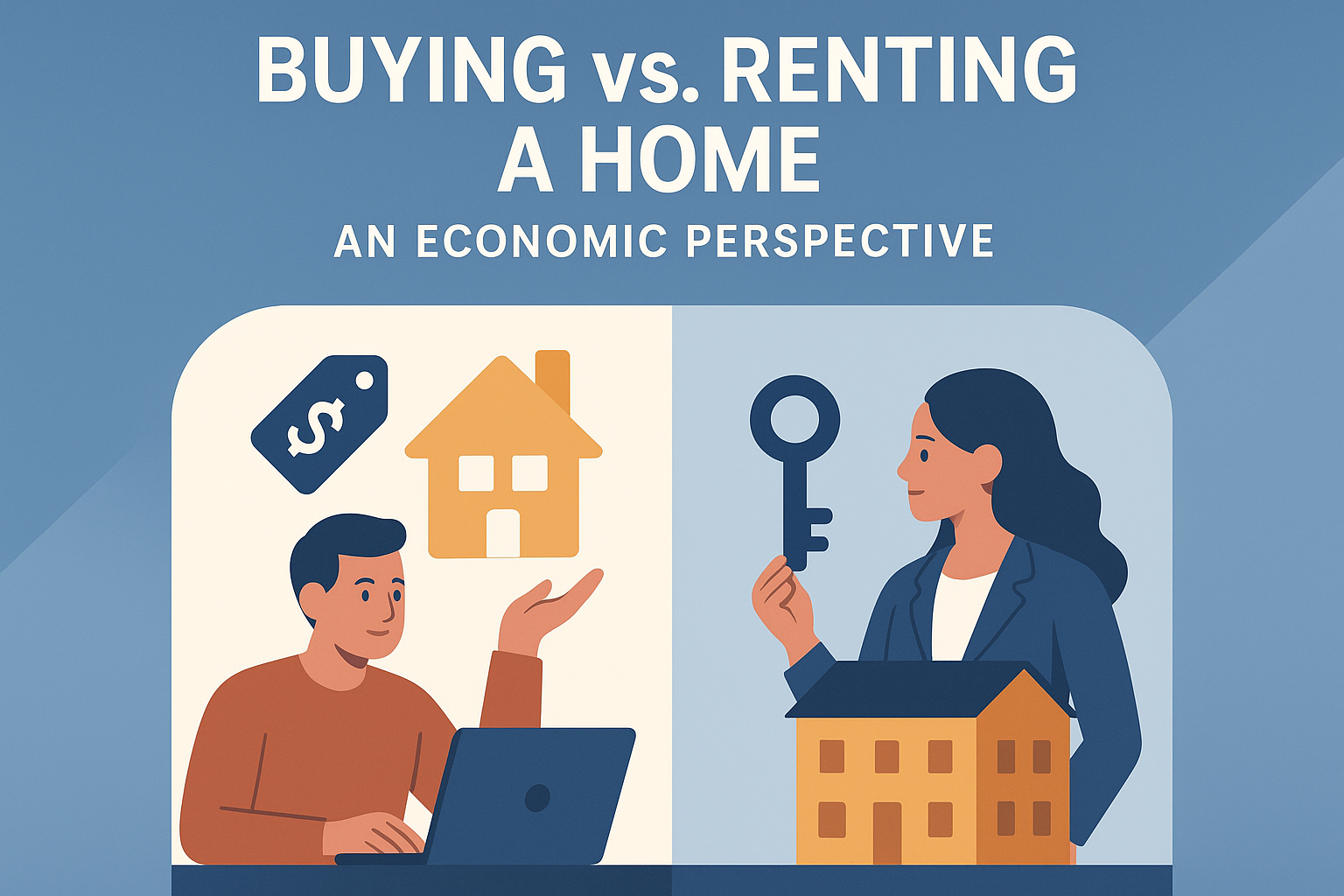
When it comes to housing, individuals worldwide face a crucial financial decision: buying or renting a home. Understanding the economic perspective of this choice is essential for making an informed decision that aligns with one’s financial goals and lifestyle preferences. One’s home often represents the most significant single investment made in a lifetime. Hence, evaluating whether to purchase a property or opt for renting involves various factors like cost, long-term benefits, and financial stability. This article serves as a comprehensive guide to understanding the economic implications, providing insights to help navigate this pivotal decision. Ultimately, whether to buy or rent depends on numerous personal and market variables, and a clear understanding of these factors is vital for financial wellbeing.
The Financial Implications of Buying a Home
Purchasing a home is often perceived as a major financial milestone. From an economic standpoint, buying a property means acquiring a tangible asset that can appreciate over time. However, homeownership is accompanied by significant upfront costs, including down payments, closing fees, property taxes, insurance, and ongoing maintenance expenses. Mortgage interest rates also play a vital role in determining the total cost of homeownership.
For instance, in the United States, the average down payment for a home can range from 3.5% to 20% of the purchase price, depending on the type of mortgage. Additionally, homeowners often allocate an estimated 1% of the home’s total value each year towards maintenance and repairs. Over the years, housing markets have shown a tendency for long-term appreciation, but market downturns can temporarily reduce a home’s value, impacting equity.
Consider Sarah, a young professional in Boston. She bought a home in 2015 and has seen its value rise steadily, reflecting the broader market trend. Despite paying hefty upfront costs, Sarah enjoys the benefits of property appreciation, which contributes to her net worth. Moreover, homeowners can leverage tax deductions, such as mortgage interest and property tax deductions, potentially providing financial relief.
Recognizing the Flexibility of Renting
In contrast, renting a home offers greater flexibility, without the burden of long-term commitment. Renting typically involves lower initial expenses and eliminates many of the additional costs associated with homeownership, such as maintenance and property taxes. This makes renting an attractive option for individuals who value mobility or are uncertain about long-term living arrangements.
Take, for example, John, an IT consultant who frequently relocates due to the nature of his work. Renting a home allows John the freedom to move without the complexities involved in selling a property, making it a suitable arrangement for his lifestyle. Renters also avoid the financial risk associated with property value depreciation, which is particularly advantageous in volatile markets.
Rent agreements typically require a security deposit and the first and last month’s rent, making it financially accessible for many. While renting does not build equity, tenants enjoy the predictability of set monthly payments and the ability to allocate savings or investments elsewhere, potentially achieving returns through financial instruments like stocks or bonds.
Comparing Long-Term Benefits and Goals
Deciding between buying and renting also involves weighing personal and long-term financial goals. Homeownership is often associated with a sense of stability and community involvement. Owners have the freedom to personalize their space, contribute to property improvements, and enjoy the psychological benefits of ownership.
In contrast, renters benefit from less maintenance responsibility and the ability to live in areas they might not afford if purchasing. Over time, however, consistent rent payments may increase without contributing to personal equity, which might not align with financial objectives of those seeking wealth accumulation.
For example, consider an investor who purchases real estate in a growing neighborhood. Over time, property values and rental income can appreciate, offering substantial returns compared to stock market investments. Conversely, those focused on career mobility or working in high-cost areas may find renting a more suitable financial strategy, offering the flexibility needed to adapt to changing circumstances without significant financial drawbacks.
The Importance of Market Conditions and Timing
The state of the housing market and economic climate heavily influence the decision between buying and renting. During an economic downturn, property prices might fall, presenting an opportunity for buyers to acquire assets below market value. Conversely, during booming economic periods, potential buyers may find themselves priced out of the market.
The Covid-19 pandemic, for instance, saw significant shifts in housing markets globally. In some regions, housing demand surged, increasing prices due to remote work trends and changing lifestyle priorities. Conversely, urban areas experienced declining rent prices as individuals moved to suburban locations, seeking larger living spaces. Such shifts underscore the importance of understanding market dynamics when deciding to buy or rent, as economic conditions can significantly impact housing affordability and value.
Exploring Hybrid Solutions and Personal Preferences
For those torn between the security of homeownership and the flexibility of renting, hybrid solutions such as rent-to-own agreements or investing in Real Estate Investment Trusts (REITs) offer alternative pathways. Rent-to-own contracts provide an opportunity for tenants to purchase a property after a specified leasing period, combining the benefits of both renting and buying.
Similarly, individuals interested in real estate investment without the responsibilities of direct ownership might consider REITs. These entities allow investors to purchase shares in a portfolio of properties, diversifying investment risk while providing opportunities for income generation through dividends.
- Rent-to-Own: Ideal for individuals looking to build equity without immediate financial commitment.
- Real Estate Investment Trusts (REITs): Offers real estate exposure with liquidity akin to stocks, suitable for diversified investment portfolios.
Ultimately, personal preferences, financial objectives, and modern market offerings shape the choice between buying and renting. Evaluating one’s financial capacity, risk tolerance, and lifestyle requirements is paramount in aligning housing decisions with long-term goals.
Building Wealth through Property Investment
Real estate has long been heralded as a cornerstone for wealth creation. Properties purchased in prime locations or during favorable market conditions can yield significant returns, not only through appreciation but through rental income as well. For instance, investors in highly sought-after cities like New York or London have historically benefited from robust rental markets, providing steady cash flow and potential property appreciation.
Additionally, homeowners can utilize home equity loans or lines of credit, leveraging their property’s appreciated value for further investments. Understanding the broader economic environment and property market trends enhances one’s ability to capitalize on buying opportunities, underscoring real estate’s role as a dynamic asset class in wealth accumulation strategies.
| Factor | Buying | Renting |
|---|---|---|
| Initial Cost | High (down payments, closing costs) | Low (security deposit, rent) |
| Financial Risk | Property value fluctuation | Rent increases, no equity |
| Flexibility | Less (commitment to mortgage) | More (ease of relocation) |
| Long-Term Benefits | Equity building, tax advantages | Lower maintenance burden, investment freedom |
Conclusion: Making an Informed Housing Decision
Whether to buy or rent a home is indeed a profound economic decision, with each option presenting distinct advantages and challenges. Buying a home symbolizes a long-term investment, with potential benefits of appreciation and equity accumulation. It offers security, potential tax deductions, and personalization opportunities. Conversely, renting provides flexibility, reduced responsibility, and allows for easier adaptation to life’s changing circumstances. The comparison illustrates that the decision ultimately revolves around personal financial plans, risk tolerance, and lifestyle priorities.
As a prospective homeowner or renter, it’s critical to assess one’s financial situation, consider market conditions, and reflect on long-term objectives. By weighing these factors carefully and exploring all available options, such as hybrid agreements or investment alternatives, individuals can make well-informed housing choices. In taking this approach, one aligns the economic implications of their home environment with broader personal goals, ensuring a stable and rewarding living situation.
As you consider your next steps, reflect on your financial goals and lifestyle, consult with financial advisors if necessary, and explore the housing market thoroughly. The decision of whether to buy or rent will have long-lasting impacts, so investing time in understanding each option’s nuances is paramount. Armed with this information, you are better equipped to make a choice that supports both your current needs and future aspirations.
Frequently Asked Questions
1. What are the major financial considerations when deciding between buying and renting a home?
Deciding between buying and renting a home is a significant financial decision that involves multiple considerations. If you’re thinking about buying, you’ll need to consider the upfront costs, which include the down payment, closing costs, and any immediate expenses for repairs or renovations. Additionally, owning a home comes with ongoing expenses such as mortgage payments, homeowners insurance, property taxes, and maintenance costs. On the other hand, renting a home generally requires a security deposit and the first month’s rent but comes without the burdens of property taxes or maintenance. When renting, you’re looking at recurring monthly rent payments, which may increase over time. Moreover, when weighing these options, consider how buying a home can build equity over time and potentially offer tax advantages, versus renting, which can offer more flexibility and less responsibility. Your lifestyle, job stability, and financial situation should all guide your choice, as should your long-term financial goals and current market conditions.
2. How do I determine if it’s financially better for me to buy or rent?
To determine what’s financially better between buying or renting, you’ll want to start by analyzing your current financial health and projecting future scenarios. Begin with your budget: Assess your savings, debts, and monthly income. Calculate the monthly costs of owning a home, including mortgage payments, property taxes, insurance, utilities, and maintenance, and compare this to the stable rent expenses you might encounter. Then, consider how long you plan to stay in a location. If you expect to stay less than five years, renting might be more sensible, as the costs associated with buying and then selling a property can outweigh short-term home ownership benefits. It’s also crucial to take into account potential investment growth. Buying a home can lead to accumulated equity and appreciation over time, which renting does not provide. Conversely, the money saved by renting can be invested in other assets that might yield higher returns. Making use of online calculators to compare renting vs. buying based on your zip code can give you a detailed view tailored to your situation.
3. How do lifestyle preferences impact the decision to rent or buy a home?
Lifestyle preferences play a fundamental role when it comes to deciding whether to rent or buy a home. If you highly value flexibility and mobility, renting could be ideal for you because it typically comes with fewer long-term commitments. This might suit you if your career involves frequent relocations, or if you’re uncertain about future plans. On the contrary, if you’re inclined towards stability and have found a community you love, buying a home could be the right move. Owning gives you the freedom to renovate and customize your space, and perhaps the opportunity to choose a home with a yard for children or pets. Additionally, renting often comes with fewer responsibilities, such as not having to worry about repairs and maintenance, allowing you to invest more time in your interests or career. Reflect on what you value in terms of lifestyle, community, leisure activities, and personal freedom before making your decision, as these factors will contribute significantly to your satisfaction with either choice.
4. What are the long-term economic implications of buying versus renting?
In the long-term, the economic implications differ significantly between buying and renting. Buying a home can be seen as a form of forced savings or an investment, wherein you build equity as you pay down your mortgage. Additionally, as property values rise, the potential for your home’s appreciation can lead to substantial financial gain when you decide to sell. Often, owners can also benefit from tax deductions related to mortgage interest and property taxes. Over many years, owning a home can lead to a stable and predictable living cost, especially once the mortgage is paid off. Conversely, renting generally does not build equity and is subject to rental price fluctuations. While renting can be economically beneficial in the short term, particularly if rent is lower than the total cost of owning a home, it may not provide the same investment return as property ownership. However, the money saved from renting could be invested elsewhere, potentially yielding higher returns depending on market conditions. Consider your long-term financial goals, investment preferences, and lifestyle desires when evaluating the implications of each choice.
5. What role do market conditions play in the decision to rent or buy a home?
Market conditions are crucial in the decision to buy or rent, influencing both the cost effectiveness and the availability of housing. In a buyer’s market, where supply exceeds demand, housing prices tend to be lower, making purchasing a home more appealing and economically sensible. Low interest rates also make buying attractive, as they decrease the monthly mortgage payment. Alternatively, in a seller’s market, characterized by higher demand than supply, home prices are higher, making renting potentially more cost-effective and attractive, especially if rent prices remain stable. Additionally, consider the broader economic context. Economic downturns may lead to lower interest rates, benefiting homebuyers with cheaper borrowing costs, whereas during economic booms, higher rents might encourage more people to buy to lock in housing costs. Stay updated with real estate trends, understand local market conditions, and evaluate economic forecasts to make an informed decision. The right time for you to buy or rent might also hinge on personal circumstances, such as job security or the stability of household income. Balancing market conditions with personal financial readiness will help you make a decision that best suits your circumstances.