
Introduction to Nationalism and Globalism
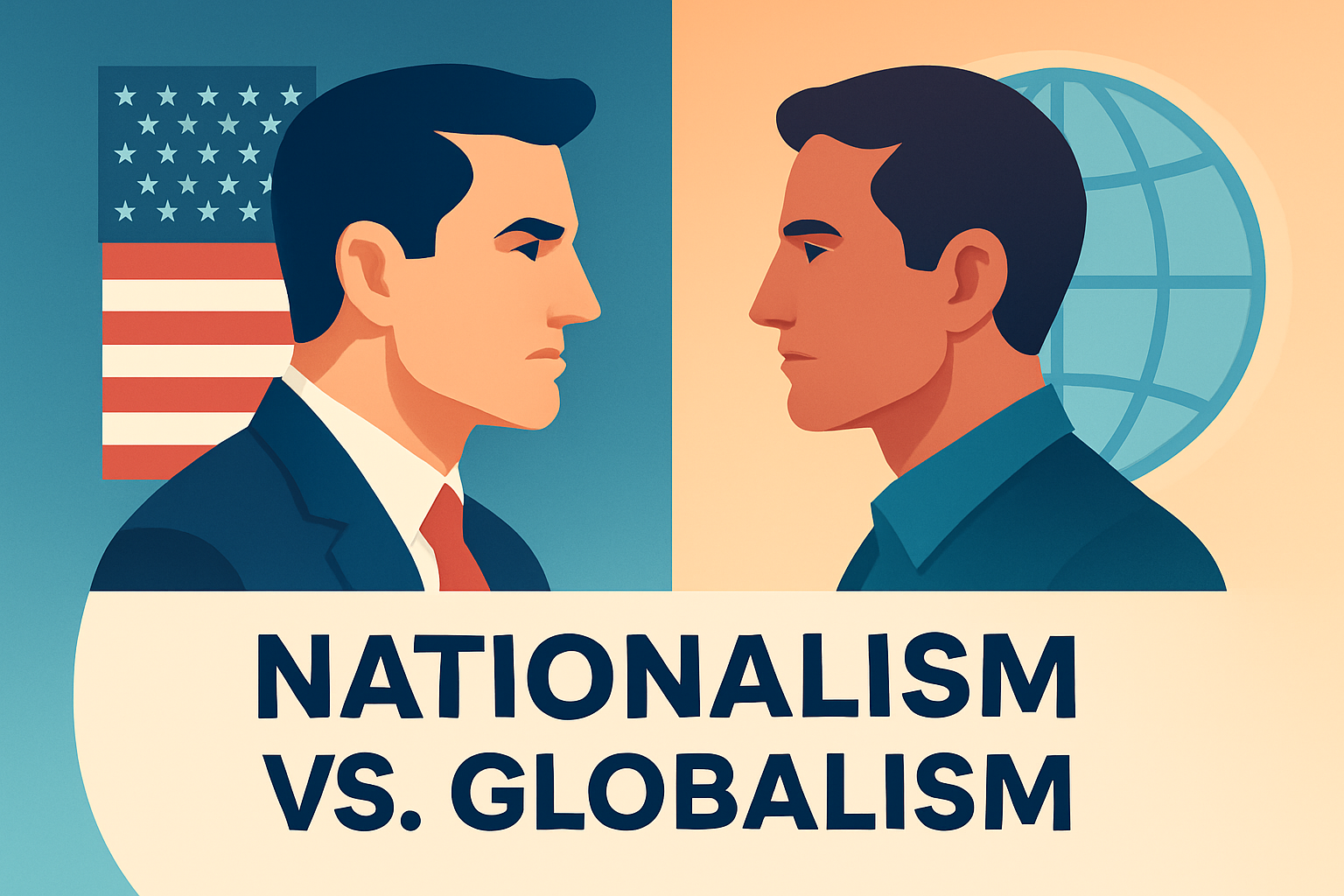
The world today is witnessing a dynamic tug-of-war between two powerful ideologies: nationalism and globalism. These terms have become buzzwords in political discourse, often used to define opposing viewpoints in contemporary international relationships. Nationalism is a political ideology focused on prioritizing the interests of a particular nation, emphasizing unity, cultural heritage, and self-governance. Globalism, on the other hand, advocates for cooperation among nations, valuing economic, political, and cultural globalization with an eye toward shared, cross-border interests.
Understanding the nuances of these ideologies is crucial as they influence governing policies, economic strategies, and societal values on a global scale. With nationalism gaining traction in several parts of the world, it presents both opportunities and challenges. Meanwhile, globalism continues to champion connectivity and interdependence in a world that is increasingly globalized. The interplay between these ideologies determines the trajectory of global development, impacting everything from trade agreements to immigration policies and environmental collaborations.
This article will delve into the two ideologies, illustrating their practical implications and highlighting the potential risks and benefits each presents. We will explore recent political developments in the U.S. under the Trump administration as a case study of nationalism, juxtaposed with globalist perspectives to provide a holistic view.
The Rise of Nationalism
Nationalism, at its core, promotes the interests and culture of one’s own nation, frequently at the expense of international commitments. This ideology can foster a sense of pride and unity, often evoking historical and cultural ties that bind a nation’s people together. Nationalism has seen a resurgence in recent years, largely due to increasing concerns about immigration, cultural dilution, and economic disparity. Leaders who espouse nationalist rhetoric often gain support by promising to put their country and its citizens first.
One prominent recent example of nationalism is found in the United States under the Trump administration. President Donald Trump was elected in 2016 on a platform heavily focused on “America First,” encapsulating nationalist ideals. His policies included restricting immigration, renegotiating trade deals such as the North American Free Trade Agreement (NAFTA), and withdrawing from multilateral agreements like the Paris Climate Accord. These actions were intended to protect domestic industries and prioritize national sovereignty.
Nationalism, however, is not without its pitfalls. Critics argue that it can lead to isolationism, reduce the country’s influence on global platforms, and exacerbate tensions with other nations. In the increasingly interconnected world, countries that retreat into nationalist policies risk losing out on the benefits collaborations bring.
Globalism: A Transnational Perspective
Contrastingly, globalism supports the idea that international collaboration and integration are vital for fostering peace and prosperity. Advocates for globalism believe that by transcending national boundaries and embracing a shared destiny, nations can better tackle global challenges such as climate change, poverty, and inequality.
For instance, the European Union (EU) is a prime example of globalism in action. The EU is built on principles of unity and cooperation among European nations, aiming to facilitate free movement of goods, capital, services, and people. It serves as a testament to the power of collective bargaining and shared policies in enhancing economic stability and growth.
The primary advantage of globalism lies in its vision of inclusivity and cooperation. By pooling resources and collaborating across borders, countries can achieve more significant progress than they could alone. However, globalism is sometimes criticized for undermining local cultures and economies, with detractors arguing that it can lead to the exploitation of labor and environmental resources in less developed nations.
A Comparative Analysis
To better understand how nationalism and globalism manifest in current political climates, consider their contrasting approaches to issues such as immigration. Nationalist policies often focus on tightening borders and prioritizing citizens’ employment, viewing immigrants as a potential burden on resources or a threat to national identity.
In contrast, globalist policies see immigration as a positive force that can drive economic growth, enrich cultures, and address demographic challenges like ageing populations. Countries with globalist approaches to immigration often benefit from increased diversity and innovation.
Immigration Policies Illustrated:
| Policy Aspect | Nationalism | Globalism |
|---|---|---|
| Border Control | Strict, controlled | Flexible, open |
| Labor Market | Citizen priority | Inclusive for skilled workers |
| Cultural Integration | Emphasizes local culture | Promotes multiculturalism |
The stark difference in these policy outcomes illustrates how nationalism and globalism can drastically alter a nation’s approach to transnational issues. This duality plays out not just in immigration policies but also in trade, environmental protection, and security matters.
The Economic Impact
From an economic standpoint, nationalism and globalism influence market dynamics in different ways. Nationalist policies often focus on protectionism, aiming to shield domestic industries from foreign competition. This can involve implementing tariffs, renegotiating trade deals, or subsidizing specific industries.
For example, under the Trump administration, tariffs were placed on steel and aluminum imports to protect American manufacturers. While this move provided temporary relief to certain industries, it also led to trade tensions with critical allies and increased costs for businesses reliant on imported materials.
Globalism, meanwhile, promotes free trade and economic integration. It argues that removing trade barriers fosters competition, drives innovation, and ultimately benefits consumers with more choices and lower prices. The World Trade Organization (WTO) exemplifies globalist principles by supervising and facilitating international trade agreements. However, globalism’s open-market ethos may lead to job losses in industries unable to compete on a global scale.
Environmental Perspectives
Environmental issues serve as an important battleground between nationalistic and globalistic ideologies. Nationalists may prioritize short-term economic growth over environmental protection, focusing on utilizing natural resources to invigorate the economy. As an example, the withdrawal of the United States from the Paris Climate Accord in 2017 highlighted a nationalistic stance prioritizing economic considerations over international environmental commitments.
In contrast, globalism champions the need for nations to work together to tackle environmental challenges. Climate change, by nature, is a transnational issue requiring coordinated efforts and shared technologies. Globalist policies push for international accords that impose environmental regulations and foster greener technological advancements. The collective effort enhances research, funding, and innovation in renewable energy.
Security Concerns
Nationalism and globalism have disparate approaches to national security. Nationalist policies emphasize strict border controls and militarization to protect national interests. During Trump’s term, stringent travel bans from certain countries and the focus on building a border wall exemplified a nationalist approach to security.
Alternatively, globalism promotes international cooperation for security, viewing multilateral alliances as key to managing transnational threats like terrorism, cyber-attacks, and pandemics. Globalist policies advocate for intelligence sharing and coordinated defense strategies.
Both measures come with trade-offs. While nationalism can rapidly boost immediate border security, it may strain diplomatic relations. Globalist approaches, however, require compromise and patience but can lead to more sustainable, long-term security robust against global threats.
Conclusion: Navigating Nationalism and Globalism
The ideologies of nationalism and globalism embody different visions for the world, each with its own set of advantages and challenges. Nationalism fosters a sense of unity and pride, championing the nation’s sovereignty, but can risk isolation and global detachment. Meanwhile, globalism encourages cooperation and camaraderie across borders, leveraging collective problem-solving but can dilute national identities and priorities.
Understanding the long-term implications of these ideologies is pivotal for policymakers, businesses, and individuals. The balance between nationalism and globalism will shape global political, economic, and environmental landscapes for years to come. As you navigate this complex terrain, consider how you can contribute to fostering dialogue and bridging gaps between these powerful forces. Engaging in informed discussions, promoting education, and advocating for policies that consider both national interests and global responsibilities can help create a more harmonious and prosperous future.
The choice may not be between nationalism or globalism; rather, it might be an opportunity to synthesize the strengths of both to address modern-day challenges. Reflect on the broader impacts of policy choices and become active participants in global citizenship. The path forward depends on our ability to synergize these paradigms and navigate an ever-changing world effectively.
Frequently Asked Questions
1. What exactly is nationalism, and how does it impact a nation?
Nationalism is a political ideology that centers on the interests of a particular nation, seeking to promote a strong sense of unity, cultural heritage, and self-governance. It often involves a deep connection to one’s country, prioritizing national over international goals. Nationalism can positively impact a nation by fostering pride and cohesion, driving people to work toward common objectives that benefit the country as a whole. On the other hand, it may lead to isolationism or xenophobia if taken to extremes, as it can create an ‘us versus them’ mentality and resistance to international collaboration.
The ideology has historical roots dating back to the formation of modern states and has played crucial roles in independence movements around the world. By emphasizing sovereignty and identity, nationalism seeks to preserve cultural traditions and prioritize domestic economic and political agendas. However, nationalist policies can sometimes lead to conflicts with neighboring nations or ethnic groups within a country, particularly if the interests of the nation are perceived as infringing on the rights and traditions of others.
2. How does globalism differ from nationalism, and what are its main goals?
Globalism stands in contrast to nationalism, as it is a perspective that emphasizes interconnectedness and collaboration beyond national boundaries. The main goals of globalism include fostering international cooperation, promoting free trade, advancing global economic integration, and addressing global challenges such as climate change and poverty through collective action. Globalism champions the idea that no nation can thrive in isolation; instead, understanding and cooperating with the global community is essential for long-term prosperity and peace.
Globalism relies heavily on international institutions like the United Nations, World Trade Organization, and international treaties, which work to facilitate diplomatic dialogue and cooperation across borders. The philosophy of globalism argues that in today’s interconnected world, where technology and communication transcend geographic constraints, nations must work together for the global good. While proponents praise globalism for its potential to uplift developing countries and foster a more peaceful world, critics argue that it can lead to cultural homogenization and undermine national sovereignty.
3. What are the potential benefits and downsides of nationalism?
Nationalism offers a range of benefits. A key advantage is the promotion of national unity and identity, which can create a cohesive society with shared goals and values. It can inspire citizens to contribute positively to their nation’s progress and foster a strong sense of belonging and pride. Economically, nationalist policies might emphasize the protection of domestic industries, potentially leading to job creation and local investment.
However, nationalism also carries potential downsides. An overly nationalist approach can result in insularity and resistance to immigration, which might limit cultural exchange and diversity. It can risk alienating other countries and potentially lead to international conflict, as national interests are prioritized over global cooperation. When taken to extremes, nationalism has historically led to militarism and expansionist policies, often escalating tensions and creating conflicts.
4. In what ways can globalism positively affect global economies?
Globalism can have several positive effects on global economies. By promoting free trade, globalism encourages the removal of tariffs and barriers, leading to more competitive pricing for consumers and broadening access to goods and services. This can boost economic growth both domestically and internationally. As globalism facilitates the movement of goods, services, and labor across borders, it can drive innovation and increase efficiencies, allowing countries to specialize in industries where they hold competitive advantages.
Additionally, globalism allows for increased international investment, as companies seek to expand their operations and markets beyond national borders. This influx of foreign capital can lead to job creation and infrastructure development in host countries. Globalism’s emphasis on collaboration is especially crucial when addressing economic challenges like poverty, as wealthier nations can aid less developed countries through partnerships and development programs.
5. Can nationalism and globalism coexist, and if so, how?
Although nationalism and globalism are often seen as conflicting ideologies, they can indeed coexist through a balanced approach known as cosmopolitan nationalism or “glocalism.” This involves embracing patriotic values and cultural heritage while recognizing the importance of international collaboration. Nations can maintain their unique identity while being open to global influences that promote mutual benefit.
Both ideologies offer insights into how societies can thrive. By integrating elements of both, a nation can prioritize domestic priorities while participating in global initiatives that benefit humanity as a whole. For example, a country might adopt protectionist policies to boost local industries while simultaneously engaging in multilateral trade agreements that open international markets for those same industries. Similarly, by partaking in global forums, countries can address issues that transcend borders, such as climate change and terrorism, while still safeguarding their national interests.
Ultimately, the coexistence of nationalism and globalism requires agile policymaking and a willingness to navigate complexities, striving to craft policies that acknowledge the necessity of both local and global aspects for a balanced approach.