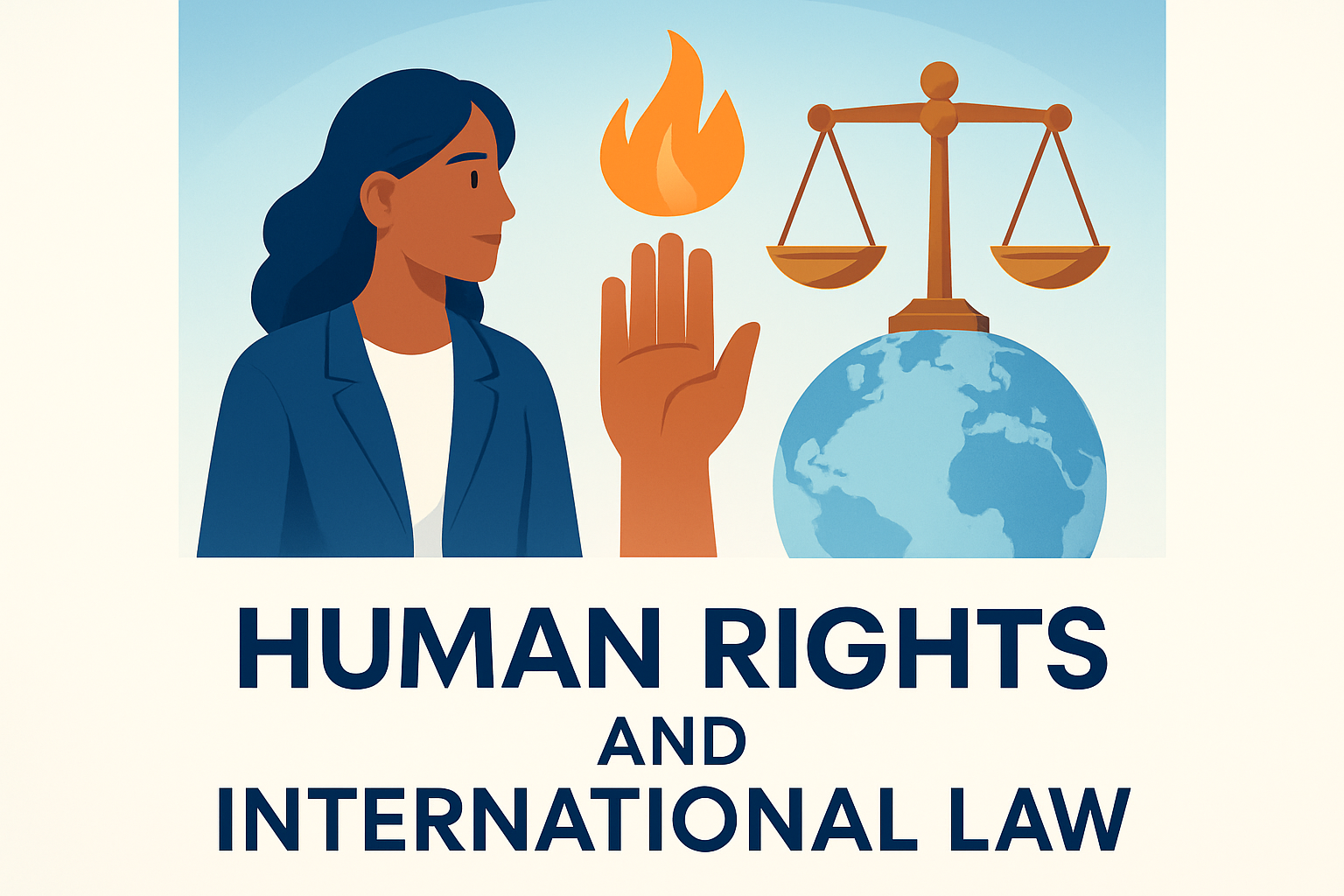
Human rights are fundamental rights and freedoms that every individual is entitled to as a human being, regardless of nationality, gender, ethnicity, religion, language, or any other status. These rights are indispensable to the integrity and dignity of human beings and are considered inalienable and universal. International law, on the other hand, is a set of legal principles, treaties, and agreements that govern relations between nations and, increasingly, individuals and international organizations. Combining these two global tenants gives rise to the domain of human rights under international law. This area of law matters greatly as it provides the framework for ensuring peace, justice, and equity across borders, safeguarding individuals from abuses, and holding states accountable for their obligations to treat people fairly and humanely.
Understanding the Framework of International Human Rights Law
International human rights law operates within a complex framework consisting of treaties, customary international law, and other international instruments. The primary documents that form the backbone of international human rights law include the Universal Declaration of Human Rights (UDHR), International Covenant on Civil and Political Rights (ICCPR), and the International Covenant on Economic, Social and Cultural Rights (ICESCR). These form the “International Bill of Human Rights.” Such frameworks are crucial as they provide international standards that all countries are expected to adhere to.
An example of this framework in action can be seen in the European Convention on Human Rights, which is legally binding for its member states. Suppose a state within Europe is found to violate human rights, individuals can appeal to the European Court of Human Rights, an independent judicial body charged with enforcing the convention.
Overall, international human rights frameworks establish a collective understanding of what constitutes human rights, offering pathways to address grievances and challenge injustices.
The Role of International Organizations and Treaties
International organizations and treaties play a pivotal role in enforcing human rights. Organizations like the United Nations, Amnesty International, and Human Rights Watch tirelessly work to monitor, report, and advocate for human rights adherence. Treaties negotiated or enforced by these organizations often detail specific rights and set out obligations for states that are signatories.
For instance, the Convention on the Elimination of All Forms of Discrimination Against Women (CEDAW) requires countries to implement policies that promote women’s rights. This treaty has been instrumental in pushing forward legislation to protect women from discrimination and violence worldwide, leading to significant policy changes and advancements in gender equality in various nations.
- Universal Declaration of Human Rights (UDHR)
- International Covenant on Civil and Political Rights (ICCPR)
- International Covenant on Economic, Social and Cultural Rights (ICESCR)
- The European Convention on Human Rights
- Convention on the Elimination of All Forms of Discrimination Against Women (CEDAW)
International organizations and treaties act as powerful tools for advocating human rights, holding states accountable, and fostering a collaborative global environment willing to address rights violations.
Case Studies Highlighting Challenges and Progress
Exploring real-world scenarios illuminates both challenges and advancements in the realm of human rights under international law. One such case study can be seen in the ongoing Rohingya crisis in Myanmar. Despite the international legal frameworks, accountability and protection for the Rohingya people have been challenging. The International Court of Justice (ICJ) has been involved in holding Myanmar accountable for genocide, reflecting international law’s role in addressing human rights atrocities.
In contrast, progress is evident in the global response to the crisis of apartheid in South Africa. International pressure and legal frameworks, including numerous United Nations resolutions, played a crucial part in dismantling apartheid policies and moving towards a democratic society where human rights were acknowledged for all, irrespective of race.
Through these examples, it becomes clear that while international law provides mechanisms and platforms to address human rights challenges, its success often depends on the global commitment and willingness to enforce these principles uniformly.
Impact of Global Politics on Human Rights
Global politics significantly affects the implementation and enforcement of human rights. Political dynamics, including alliances, power struggles, and national interests, often dictate a country’s approach to complying with international human rights laws. This can lead to inconsistencies in how laws are applied and how countries are held accountable.
For example, the political tensions surrounding the Israel-Palestine conflict exemplify how global politics can complicate human rights enforcement. Despite numerous UN resolutions and international calls for peace and human rights enforcement, political dynamics have often led to stalled progress in safeguarding human rights in the region.
Understanding the intersection between politics and human rights is crucial for international law practitioners and policymakers as it often impacts human rights advocacy and the effectiveness of legal frameworks.
| Factor | Impact on Human Rights |
|---|---|
| International Diplomacy | Can lead to increased cooperation or conflict, affecting human rights advocacy |
| Economic Sanctions | May pressure states to comply with human rights but can also impact citizens negatively |
| Military Interventions | Sometimes justified as protecting human rights, though they can lead to further human rights violations |
The influence of global politics on human rights emphasizes the complexity of enforcing international law. It also highlights the need for continued dialogue and evolution of diplomatic strategies aligned with human rights objectives.
The Future of Human Rights under International Law
Looking towards the future, the evolution of human rights under international law is set to address emerging challenges such as climate change, digital rights, and artificial intelligence. These new domains raise questions about privacy, consent, and the long-term impact on human rights.
For instance, climate change poses a significant threat to human rights, with rising sea levels and extreme weather conditions impacting vulnerable populations disproportionately. The Paris Agreement, while primarily a climate treaty, also intersects with human rights by compelling countries to consider the rights of individuals affected by climate-related policies.
The future trajectory of international human rights law will rely heavily on the adaptability and forward-thinking approaches of legal frameworks and international bodies. Emphasizing collaboration and innovation will be key in addressing both current and unforeseen challenges.
Conclusion: The Path Forward
In conclusion, human rights and international law are intrinsically linked, forming the foundation for global justice and equity. Throughout history, international law has played a pivotal role in advocating and upholding human rights, despite numerous challenges. The intricate frameworks and treaties developed over the years have continually guided nations towards greater accountability and fairness.
However, ensuring that these rights are respected and upheld is an ongoing journey. With rapid advancements in technology and new global threats, international law must continuously evolve to meet these challenges. For readers, understanding the significance of international human rights law can deepen their awareness and involvement in advocating for justice. As a call-to-action, individuals and organizations are encouraged to continue supporting human rights through education, advocacy, and holding leaders accountable.
By remaining steadfast in these efforts, we can collectively ensure that the principles of human rights endure, shaping a world where everyone is treated with dignity and respect.
Frequently Asked Questions
1. What are human rights and why are they important?
Human rights are the basic rights and freedoms that belong to every person in the world, from birth until death. They apply regardless of where you are from, what you believe, or how you choose to live your life. These rights can never be taken away, although they can sometimes be restricted – for example, if a person breaks the law, their rights might be restricted by the legal system. Human rights are essential because they set the standards for how individuals and governments interact with each other. They are fundamental to maintaining peace and justice in the world because they promote respect, dignity, equality, and fairness. By acknowledging and protecting human rights, societies ensure that people’s basic needs are met and that everyone has the opportunity to lead a life marked by a sense of worth, security, and fulfillment.
2. How does international law protect human rights?
International law plays a crucial role in the protection of human rights. It comprises various treaties, agreements, and conventions that countries commit to following in order to enhance human rights protections. One prominent document is the Universal Declaration of Human Rights (UDHR), which was adopted by the United Nations General Assembly in 1948. While not a legally binding document, it has inspired more than 70 human rights treaties applied today on a global scale. Treaties such as the International Covenant on Civil and Political Rights and the International Covenant on Economic, Social, and Cultural Rights are legally binding and oblige signatory countries to uphold the rights the treaties cover. Additionally, international courts and tribunals, such as the International Court of Justice and the International Criminal Court, help enforce international law by holding violators accountable. Countries often incorporate international human rights standards into their domestic laws, providing another layer of protection.
3. What is the role of the United Nations in promoting human rights?
The United Nations (UN) plays a pivotal role in the promotion and protection of human rights globally. As the world’s premier intergovernmental organization, the UN enforces human rights through its various agencies and bodies, such as the UN Human Rights Council and the Office of the High Commissioner for Human Rights. The UN Human Rights Council, for instance, is responsible for overseeing the Universal Periodic Review process, which evaluates the human rights records of all member states every four years. The UN also facilitates international cooperation and dialogue through forums, reports, and resolutions addressing human rights issues. Furthermore, the UN periodically deploys Special Rapporteurs and human rights missions to investigate, monitor, and report on situations where human rights abuses are suspected, thus helping sustain international pressure for reform and accountability.
4. Can individuals bring human rights claims under international law?
Yes, individuals can bring human rights claims under international law, but the process can be complex and is often limited by nationality and jurisdictional matters. Many international human rights instruments, such as the European Convention on Human Rights and the Inter-American Convention on Human Rights, provide mechanisms through which individuals can lodge complaints about human rights violations. Regional courts, such as the European Court of Human Rights and the Inter-American Court of Human Rights, allow individuals to bring cases against member states after domestic remedies have been exhausted. Voluntary mechanisms, such as the Human Rights Committee and the Committee on the Elimination of Discrimination Against Women, permit individuals to file complaints provided their country has accepted these procedures. However, challenges like the lack of enforcement power and political will, combined with procedural restrictions, often complicate the ability of individuals to seek justice.
5. How do cultural differences affect the application of international human rights?
Cultural differences quite significantly affect the application and perception of international human rights. Cultural perspectives shape people’s understanding of rights and freedoms, and what they consider just and equitable. Critics argue that Western ideals heavily influence international human rights law, potentially clashing with local customs and traditions. Some countries voice concerns about the imposition of external standards that might not align with their cultural practices or socio-political contexts. This tension can lead to resistance against certain human rights norms, such as gender equality and freedom of expression. However, proponents assert that human rights are by definition universal and applicable to all individuals regardless of cultural context. To navigate these differences, dialogue and cultural understanding are crucial. The international community works toward a broader interpretation of universal principles alongside respect for cultural diversity, aiming to balance global human rights standards with cultural particularities.