
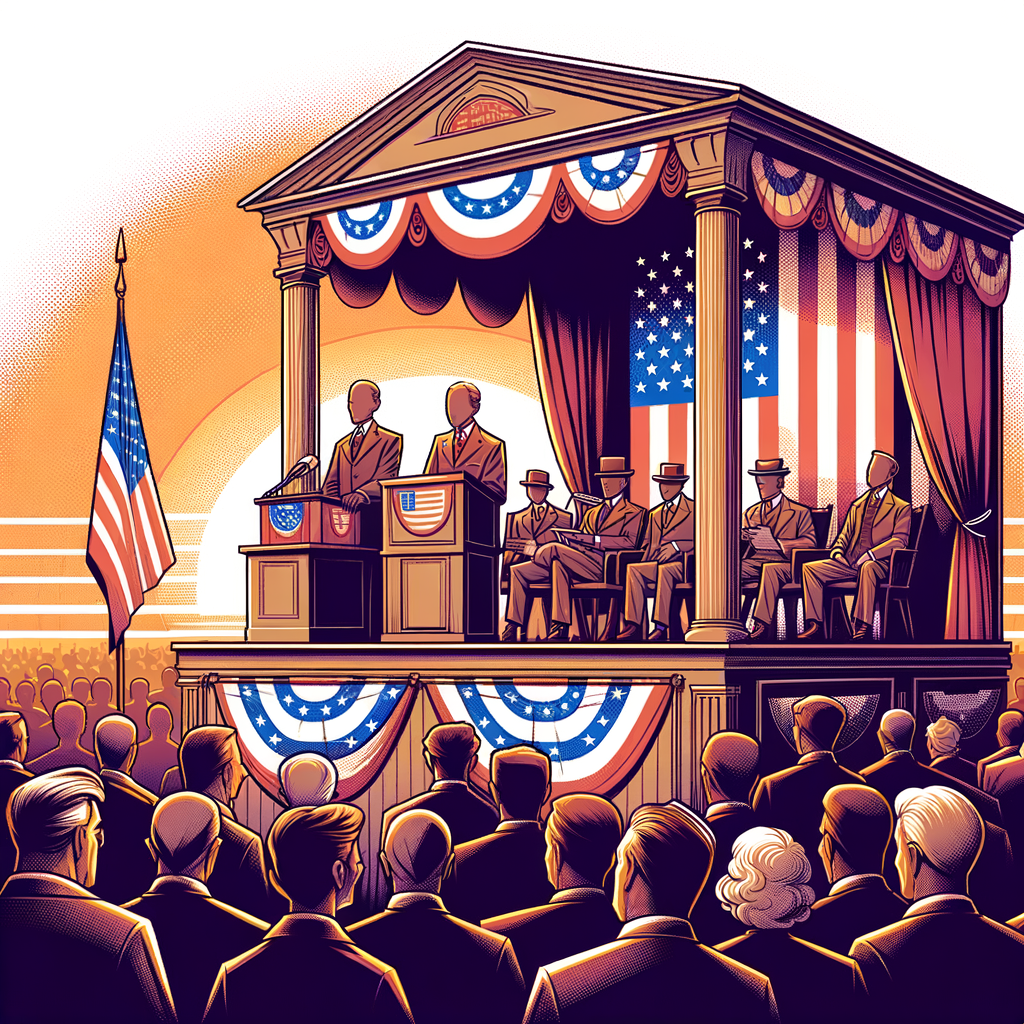
In the mid-20th century, American society was at a crossroads. Racial discrimination was a pervasive problem that deeply affected many areas of daily life, including the fundamental process of voting. Despite the ratification of the 15th Amendment in 1870, which prohibited any government in the United States from denying a citizen the right to vote based on race, color, or previous condition of servitude, systemic barriers persisted. State and local governments employed a variety of tactics, such as literacy tests, poll taxes, and outright intimidation, to disenfranchise Black voters. This led to diminished voter turnout among minority communities and a lack of representation in the political processes that governed their lives.
The situation reached a tipping point in the 1960s, when the civil rights movement gained momentum and placed voting rights at the forefront of its agenda. Activists organized protests, marches, and voter registration drives to demand justice and equality. It was against this backdrop that the Voting Rights Act of 1965 was born. Signed into law by President Lyndon B. Johnson, the act was a landmark piece of legislation that aimed to eradicate racial discrimination in voting. It introduced critical measures to protect minority voters and ensure their full participation in the democratic process.
The Voting Rights Act transformed elections in America. It dismantled legal structures designed to impede minority voting and mandated federal oversight in jurisdictions with a history of discrimination. This act not only amplified the voices of previously marginalized communities but also reshaped the political landscape by ushering in a new era of inclusivity and equality. Understanding the profound impact of the Voting Rights Act is crucial to appreciating the evolution of American electoral processes. This piece delves into the creation, implementation, and lasting influence of the Voting Rights Act on American elections, detailing how it changed the fabric of democracy in the United States.
Historical Context and Creation of the Voting Rights Act
To appreciate the significance of the Voting Rights Act, it is essential to understand the historical context in which it was conceived. The civil rights movement of the 1960s was a time of profound social agitation, as African Americans and their allies fought against the oppressive systems that perpetuated racial inequality. The struggle for voting rights was one of the movement’s central themes, highlighted by events such as the Selma to Montgomery marches, where demonstrators were brutally attacked by law enforcement as they advocated for their voting rights.
The televised violence of “Bloody Sunday” on March 7, 1965, shocked the nation and generated widespread public support for a comprehensive voting rights bill. In response, President Johnson delivered a powerful speech to Congress, calling for the protection of minority voting rights and using the phrase, “We shall overcome,” echoing the civil rights movement. The Voting Rights Act of 1965 was introduced shortly thereafter, marking a pivotal moment in the fight for civil rights.
The act aimed to eliminate the legal hurdles that prevented minorities from voting. It prohibited the use of literacy tests and other discriminatory practices. Moreover, it introduced a formula to identify jurisdictions with significant minority populations where voter disenfranchisement was historically practiced. These regions required federal preclearance before making any changes to their voting laws or practices, ensuring that any new laws did not negatively affect minority voters. This federal oversight was crucial in effectively dismantling barriers to voting and promoting participation in elections.
Implementation and Immediate Impacts
Upon its enactment on August 6, 1965, the Voting Rights Act began to have substantial impacts on elections across the United States. The immediate effect of the legislation was the dramatic increase in voter registration among African Americans in the southern states. In Mississippi alone, the voter registration rate among Black residents skyrocketed from a dismal 6% in 1964 to nearly 60% by the end of 1967. This newfound ability to vote empowered communities that had been politically and socially marginalized for generations.
Federal examiners were dispatched to oversee voter registration and monitor elections in jurisdictions known for disenfranchisement. Their presence helped reduce intimidation and fraudulent practices that had long been employed to manipulate election outcomes. The introduction of federal oversight also served as a deterrent against future discriminatory practices. This not only protected minority voters but also instilled confidence in the electoral process as a fair and just means of determining governance.
The act’s effects extended beyond registration as equal representation in government began to emerge. With an increase in registration and voting, African Americans were able to elect representatives who more closely represented their communities’ interests and perspectives—leading to better defense and advancement of minority rights at local, state, and federal levels. This shift in political dynamics highlighted the broader impact of the Voting Rights Act on the distribution of power in American elections.
Long-Term Effects on American Elections
In the decades following its passage, the Voting Rights Act continued to influence American electoral processes significantly. One of its most notable long-term effects was the diversification of elected officials across the country. As more minorities registered to vote and participated in elections, the political landscape evolved to become more reflective of America’s diverse population. This change fostered greater racial equity and helped ensure that the voices and interests of previously underrepresented communities were heard in governance.
Another significant impact was the increase in voter turnout among minority populations. The act’s provisions served to build trust in the electoral system, encouraging citizens who had previously disengaged due to systemic obstacles to participate actively in elections. As a result, voter turnout disparities between racial groups diminished over time, contributing to more comprehensively representative outcomes. This shift underscored the Voting Rights Act’s role in deepening democracy by fostering a more inclusive and participatory political process.
However, the act faced challenges and changes over the years. The landmark Supreme Court decision in Shelby County v. Holder (2013) invalidated the coverage formula used to determine which jurisdictions required federal preclearance, effectively nullifying a crucial component of the act. Critics argued that this decision undermined the act’s original intent and threatened to set back decades of progress in minority voting rights. Nonetheless, the foundation laid by the Voting Rights Act continued to influence public discourse and inspire efforts to protect and expand voting rights nationwide.
Conclusion
The Voting Rights Act of 1965 fundamentally reshaped American elections by dismantling discriminatory practices and empowering minority communities to participate fully in the democratic process. This historic piece of legislation addressed systemic barriers that had long been used to suppress minority votes, enabling a dramatic increase in voter registration and participation among African Americans and other marginalized groups. By doing so, it not only enhanced the representativeness of elected officials but also contributed significantly to the ongoing struggle for civil rights and social justice.
While the act’s journey over the subsequent decades was not without challenges, particularly in light of judicial decisions that threatened its core provisions, its impact remains indelible. The Voting Rights Act served as a cornerstone for advancing political equality in the United States, fostering an environment in which elections could more accurately reflect the diverse populace they govern. This legacy underscores the importance of continued vigilance and advocacy to ensure that access to the ballot box remains uninhibited for all citizens.
Ultimately, the Voting Rights Act reminds us of the power of collective action and the ongoing need to protect the fundamental right to vote. It highlights the dynamic nature of democracy—a system that must continually adapt and evolve to meet the needs of its constituents and safeguard the principles of equality and justice. As we reflect on its impact, we recognize the vital role it played in shaping the contemporary electoral landscape and the enduring necessity of nurturing and defending the voting rights of every American.
Frequently Asked Questions
1. What was the main purpose of the Voting Rights Act of 1965?
The primary aim of the Voting Rights Act of 1965 was to eliminate racial discrimination in voting. Despite the 15th Amendment being in place since 1870 to prohibit such practices, many states, especially in the southern United States, employed various mechanisms to deter African Americans from exercising their right to vote. The Voting Rights Act sought to dismantle these barriers by outlawing discriminatory voting practices like literacy tests and poll taxes. It empowered the federal government to intervene where necessary to ensure that all citizens, irrespective of their race, could participate in elections without facing systemic prejudices or administrative impediments. It marked a significant federal move to enforce civil rights more robustly and tangibly than ever before, embedding the principle of racial equality more firmly in the political fabric of the country.
2. How did the Voting Rights Act change the political landscape in the United States?
The impact of the Voting Rights Act on American elections was profound and far-reaching. It fundamentally altered the political landscape by facilitating greater participation of racially marginalized communities in the electoral process. This increase in voter turnout, especially amongst African Americans and other minority groups, changed the dynamics of political power. The increased participation overturned many racially biased state and local governments as more representative and diverse leadership began emerging from historically marginalized communities. Political issues that mattered to minorities gained more prominence, and the overall national dialogue became more inclusive. This transformation also led to more equitable policies and representation across different levels of governance, infusing the American political system with a deeper democratic ethos.
3. How did state and local governments previously prevent minorities from voting before the passage of the Voting Rights Act?
Prior to the introduction of the Voting Rights Act, state and local governments used a variety of underhanded tactics to stifle minority voting rights. Literacy tests were among the most common barriers; these tests were often arbitrarily administered and evaluated primarily in states with high African American populations. Poll taxes were another restriction, forcing would-be voters to pay in order to cast a ballot, disproportionately affecting minority groups and economically disadvantaged individuals. Grandfather clauses and various forms of intimidation also played a role in suppressing voter turnout among minorities. These systemic strategies effectively disenfranchised millions, ensuring that the political power remained concentrated in white hands, upholding the status quo of racial inequality and oppression for decades until the federal government intervened with the Voting Rights Act.
4. What were some key provisions of the Voting Rights Act?
The Voting Rights Act was comprehensive in scope and included several pivotal provisions designed to enforce voting rights for all Americans. Firstly, it banned literacy tests and other discriminatory registration practices nationwide. It granted the federal government oversight powers over jurisdictions with significant histories of voting discrimination, requiring them to obtain federal pre-clearance before making any changes to their voting laws or practices. This pre-clearance process was intended to prevent the implementation of any new discriminatory measures. The Act also facilitated federal monitoring and oversight during elections in places where racial discrimination in voting had been historically prevalent. These provisions worked collectively to break down formal and informal barriers that had long prevented minority voters from accessing the ballot box.
5. Have there been any significant updates or changes to the Voting Rights Act since its original passage?
The Voting Rights Act has undergone several important changes and extensions since 1965. A notable amendment came with the 1975 extension, which expanded the Act’s reach to protect voters whose primary language wasn’t English, acknowledging the growing diversity of the American electorate. The 1982 amendments extended the special provisions of the Act for 25 years and allowed for challenges to discriminatory practices through court orders. However, a significant change occurred with the 2013 Supreme Court ruling in Shelby County v. Holder, which invalidated the pre-clearance requirement for certain jurisdictions, a central enforcement mechanism of the Act. The decision argued that the historical conditions that initially justified such oversight no longer held, although critics argue this has led to a new wave of voting restrictions. Since then, there have been ongoing debates and legislative efforts aimed at restoring or updating these protections to address contemporary challenges in voter discrimination.