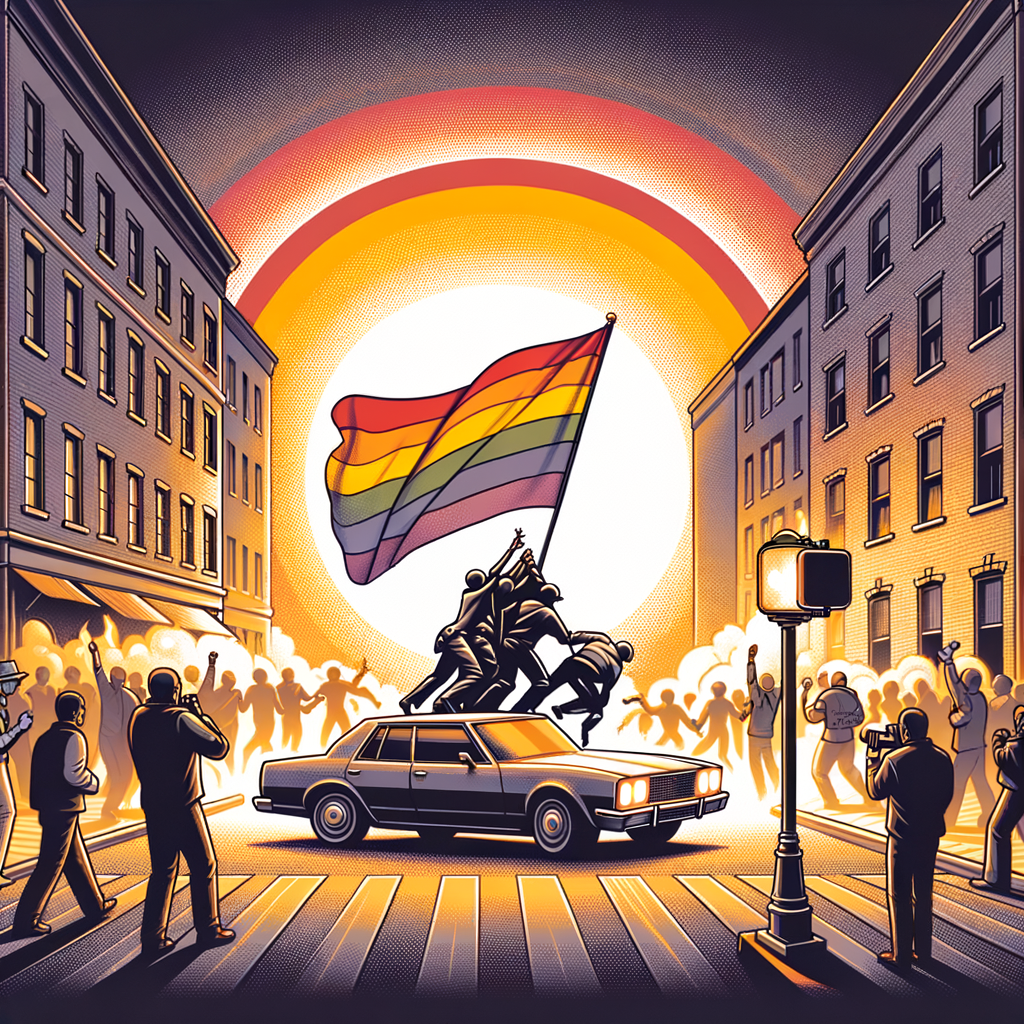
The Stonewall Riots, which erupted on a warm night in June 1969 in New York City, marked a critical juncture in the fight for LGBTQ+ rights. While previous efforts to secure common rights had taken place, they were often small in scale and drew limited public attention. The significance of Stonewall lies not only in the riot itself but in the awakening it provoked amongst the LGBTQ+ community and society at large. The events that transpired at the Stonewall Inn propelled LGBTQ+ rights into the global spotlight, catalyzing a movement that has continued to grow in both strength and influence. This article will explore the conditions leading up to the Stonewall Riots, how the events unfolded, the immediate aftermath, and its long-term impacts on the LGBTQ+ rights movement. Understanding the Stonewall Riots helps to appreciate the struggles and progress made by the LGBTQ+ community and sheds light on the continued fight for equality and acceptance worldwide.
Pre-Stonewall Conditions
Before the Stonewall Riots, LGBTQ+ individuals were often marginalized, stigmatized, and subjected to severe oppression by society and government institutions. Same-sex relationships were criminalized in most parts of the United States, and those who were openly gay faced discrimination in employment, housing, and everyday life. In New York City, homosexuality was considered a criminal offense, and wearing clothing deemed inappropriate for one’s gender could lead to arrest. Harassment from law enforcement was common, with police frequently raiding gay bars and establishments, subjecting patrons to verbal and physical abuses, and making unlawful arrests under vaguely written “morality codes”. The LGBTQ+ community, aware of the risks involved in gathering or expressing their identities openly, often lived in secrecy and fear.
The Stonewall Inn, located in Greenwich Village, operated as a gay bar and was managed by the Mafia, who viewed the LGBTQ+ community as a profitable demographic to exploit. While Stonewall was not the first venue of its kind, it became a symbol of refuge and resilience, attracting diverse individuals from the community, including drag queens, transgender people, young homeless LGBTQ+ individuals, and others who sought a space where they could freely be themselves. Even though it wasn’t immune to police raids, patrons considered the Stonewall Inn one of the few places that allowed them a semblance of normalcy and acceptance in a world largely hostile to their existence.
The Night of the Riot
The atmosphere at Stonewall was typically lively on the night of June 27, 1969. However, the situation quickly escalated when police conducted a routine raid in the early hours of June 28. What was expected to be another predictable raid took a dramatic turn when patrons and local residents, weary from incessant harassment, decided to resist. As officers attempted to arrest and transport people into waiting police wagons, their patience ran thin. A palpable frustration boiled over, and the crowd, galvanized by a collective sense of injustice, began to fight back. Bottles were thrown, and tensions reached a fever pitch as the scene descendent into chaos, with physical altercations breaking out between the police and protesters.
The clash, unprecedented in its intensity, saw crowds pushing back against the police to reclaim the streets of Greenwich Village. The fervor of that night set off a series of spontaneous demonstrations that lasted several days. Protesters returned each night in greater numbers, emboldened by the support and urgency of those around them. News of the uprising spread rapidly, drawing attention from mainstream media and shine a light on the community’s call for dignity and equality. Stonewall was no longer just a single event; it became emblematic of the LGBTQ+ community’s frustration and determination to achieve civil rights.
Immediate Aftermath and Response
In the days following the riots, the LGBTQ+ community rallied together stronger than ever before, recognizing the power and impact of collective action. The events at Stonewall sparked an unprecedented level of organization and activism. People who previously operated in secret felt emboldened to step out of the shadows. The first grassroots protests and marches took place in New York City, with activists calling for an end to the discrimination they endured for too long. This momentum experienced at Stonewall acted as a catalyst for the foundation of several LGBTQ+ rights organizations, including the Gay Liberation Front (GLF) and the Gay Activists Alliance (GAA). These groups actively pushed for legislative changes, fair treatment under the law, and the fundamental right to live openly as part of society.
The activism post-Stonewall began gaining traction at an international level as well. LGBTQ+ rights became a topic of discussion not just within communities but also in broader political and societal spheres. Activists worked tirelessly to convert the energy of the riots into tangible change, organizing events, lectures, and protests that continued to apply pressure on lawmakers and society. The Pride rallies that are now celebrated annually around the world commemorated the anniversary of the Stonewall Riots, reminding each successive generation of the struggles faced and the progress still needed.
Long-term Impacts and Legacy
The Stonewall Riots set the stage for transformational change far beyond the immediate buzz of 1969, serving as the foundation for an international movement advocating for the rights and recognition of LGBTQ+ people. The activism stemming from Stonewall fundamentally shifted the discourse around LGBTQ+ issues, leading to progressive changes that include the decriminalization of homosexuality in numerous countries, the repeal of discriminatory laws, and the recognition of same-sex partnerships and marriages in many regions around the world.
Stonewall’s legacy is seen in the present, as it legitimized the struggle for LGBTQ+ rights, fostering an environment where future policy changes became achievable realities. The visibility gained through community and ally support underpinned progress, such as anti-discrimination policies, advancement in healthcare rights tailored to LGBTQ+ needs, and increased representation in media and politics. Leaders within the LGBTQ+ advocacy sphere often regard Stonewall as the turning point from cautious assimilation to bold demands for equality and justice.
The memory of Stonewall continues to inspire activists globally as they address persistent and emerging challenges, such as the ongoing fight against hate crimes, bullying, and workplace inequality. Since the riots, countless individuals have found inspiration in this pivotal moment to publicly come out, contribute to their communities, fight for their rights, and embrace their identities. The courage demonstrated at Stonewall has paved the way for rich and diverse histories within the LGBTQ+ narrative, highlighting the complexity and intersectionality of the community’s ongoing journey.
Conclusion
The Stonewall Riots unequivocally represent a cornerstone in the history of the LGBTQ+ rights movement, igniting a flame for equality whose light stretches far beyond the boundaries of New York City and the summer of 1969. This marked turning point was not merely about a confrontation with police, but a declaration filled with the bravery of a community that had long been marginalized and oppressed. The impact of this uprising is felt to this day, serving as a poignant reminder of the power ordinary people hold to effect extraordinary change. Stonewall exemplifies the quintessential struggle for dignity, recognition, and rights within the LGBTQ+ community — where indignation was transformed into a vital quest for justice.
The courage of those who stood at Stonewall transcends generations, providing both a historical foundation and driving force for the ongoing fight against inequity and discrimination. While progress has undeniably been achieved since the night of the raids, the road to true equality is continually being paved, with the events of June 1969 standing as a solemn, yet hopeful guidepost. As society continues to evolve, it is crucial for every generation to learn from and honor Stonewall’s legacy, ensuring that the struggles and sacrifices of the past serve as a testament to what remains before true equality is universally realized.
Let us acknowledge and celebrate this history with commitment to foster an inclusive future where love and identity are free from prejudice, and where the courage shown at Stonewall can inspire an unyielding pursuit of universal rights for the LGBTQ+ community.
Frequently Asked Questions
1. What were the Stonewall Riots, and why did they happen?
The Stonewall Riots were a series of spontaneous protests and clashes between members of the LGBTQ+ community and the New York City police. These events took place over several days, starting on June 28, 1969, at the Stonewall Inn in Greenwich Village. Prior to the riots, LGBTQ+ establishments were frequently targeted by law enforcement, with patrons often facing harassment and arrest. Witnessing another aggressive police raid at the Stonewall Inn, a burgeoning frustration and desire for change sparked a powerful resistance among the LGBTQ+ people present that night. Different societal pressures, combined with an urgent need for basic human rights and recognition, fueled the outbreak of these demonstrations. The anger and resistance against oppression that unfolded at Stonewall became a catalyst for a larger movement pushing towards equality and the recognition of LGBTQ+ rights.
2. Why is the Stonewall Riots considered a pivotal moment for LGBTQ+ rights?
The significance of the Stonewall Riots extends beyond the immediate upheaval it represented. Although activism for LGBTQ+ rights had been slowly simmering for years prior, Stonewall ignited a new era characterized by increased visibility and vocal demands for equality. Before Stonewall, many activities and organizations advocating LGBTQ+ rights functioned under the radar due to societal pressures and threats of arrest. The riots were a dramatic shift toward public, unapologetic activism, inspiring the establishment of several LGBTQ+ rights organizations such as the Gay Liberation Front and Gay Activists Alliance. These groups advocated not only for legal rights but also for societal acceptance and acknowledgment of LGBTQ+ individuals. The riots are often regarded as the birth of the modern LGBTQ+ rights movement, marking a critical turning point where members of the community refused to be marginalized any longer and began to fight openly for their rights and dignity.
3. How did the events at Stonewall spark the formation of Pride Month?
In the years following the Stonewall Riots, members of the LGBTQ+ community sought to commemorate the uprising and continue championing for their rights. In June 1970, to mark the first anniversary of the riots, parades were organized in major cities like New York, Los Angeles, and Chicago under the theme of “Pride.” These early marches, known as “Gay Liberation” marches, were more political demonstrations aimed at securing equal rights and building community among LGBTQ+ individuals. Over time, these evolved into what we now recognize as Pride Month. Every June, people across the globe remember the courage shown during the Stonewall Riots, celebrate LGBTQ+ culture, and push for progress where rights and acceptance are recognized universally. Pride celebrations now reflect both the gains achieved and the continued fight against discrimination and inequality in various forms around the world.
4. Who were some of the key figures involved in the Stonewall Riots?
While the Stonewall Riots were a collective uprising with contributions from many courageous individuals, a few stand out for their significant roles and lasting impact on the movement. Marsha P. Johnson and Sylvia Rivera, both transgender activists of color, are frequently celebrated for their efforts and leadership during and after the riots. They were instrumental in organizing and advocating for transgender rights, founding STAR (Street Transvestite Action Revolutionaries) to support homeless transgender and LGBTQ+ youth. Their contributions are remembered not only for advocating LGBTQ+ rights but also for highlighting the intersectional challenges faced by LGBTQ+ youth, particularly those from marginalized communities. Additionally, Stormé DeLarverie, a butch lesbian, is often credited with playing a key role in inspiring the initial resistance. The participation and leadership of these figures underscore the diverse dynamics within the LGBTQ+ movement and the importance of inclusive representation in the fight for equality.
5. How did media coverage affect the LGBTQ+ rights movement post-Stonewall?
Media coverage played a crucial role in advancing the LGBTQ+ rights movement following the Stonewall Riots. Initially, mainstream media outlets often covered the events with a mix of sensationalism and bias. However, the visibility that these protests garnered furthered the movement’s reach and notoriety. For one of the first times, issues faced by the LGBTQ+ community were making headlines, albeit sometimes negative. As more LGBTQ+ individuals and allies came forward, addressing issues in articles, public discussions, and interviews, there was a growing perception shift gradually occurring in society. This new awareness cultivated empathy, inspiring broader alliances amongst various civil rights movements. Activists adeptly utilized both mainstream exposure and alternative media platforms to maintain momentum, educate allies, and recruit new supporters. Over time, coverage became more balanced and supportive as social attitudes began to transform, acknowledging the legitimacy and humanity of the LGBTQ+ community’s struggle for justice.