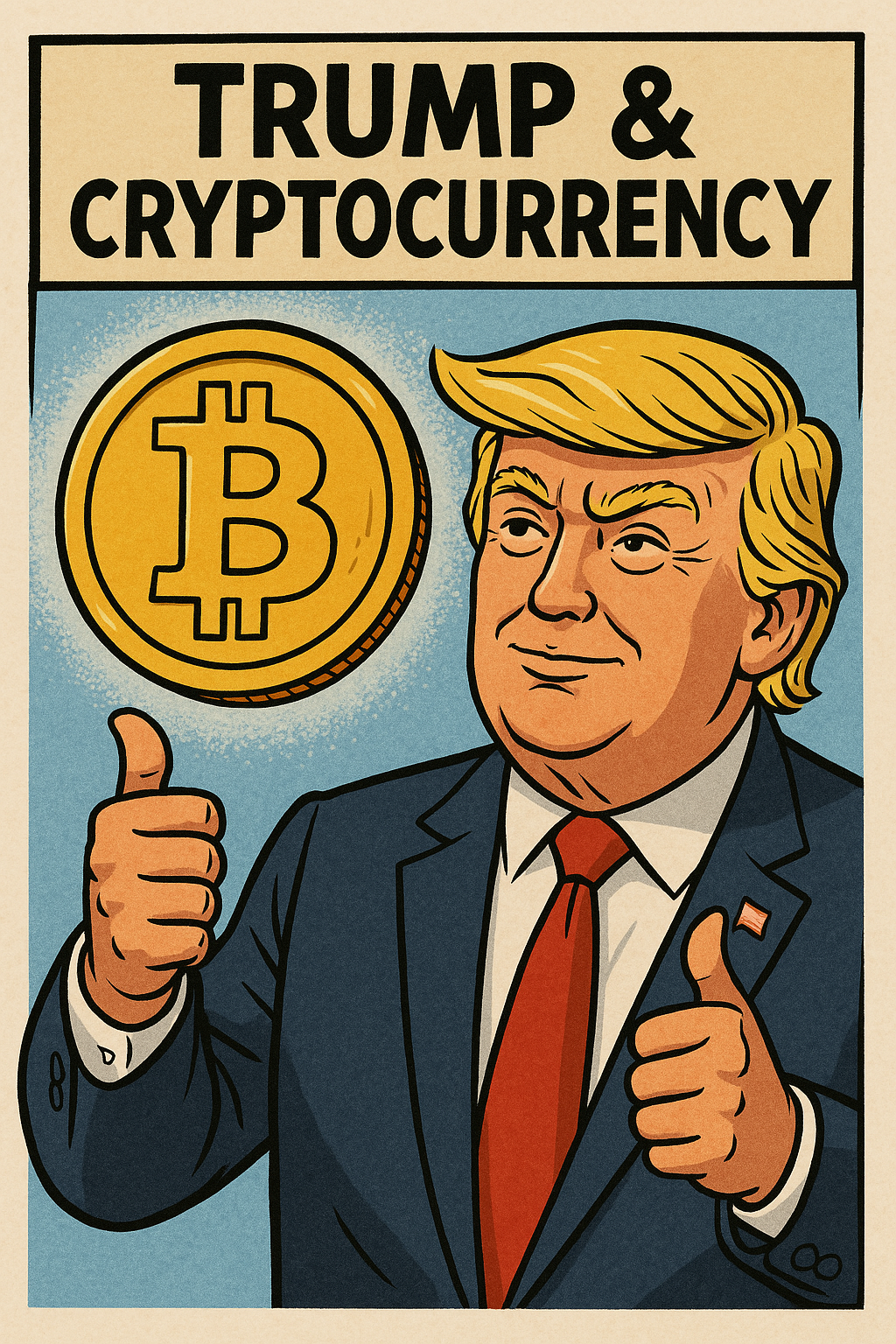
As global economies evolve rapidly, the role of cryptocurrency in economic policy-making is increasingly significant. With President Donald Trump assuming office once again in January 2025, his administration’s approach to cryptocurrency will undoubtedly impact the broader economic landscape. The influence of this digital currency revolution, particularly with high-profile support for meme coins, introduces new dimensions to economic policy. This article aims to explore the potential trajectory of the Trump administration’s cryptocurrency policy, emphasizing its importance in future economic policy, its implications on the financial sector, and how this aligns with the broader goals of economic development and digital transformation. Emphasizing the crucial interplay between cryptocurrencies and emerging economic policies, we delve into how such innovations may reshape governance, regulatory frameworks, and market dynamics under Trump’s leadership. As cryptocurrencies gain proliferation and endorsement, particularly through meme coins connected to Trump and his family, the administration’s stance presents intriguing possibilities and challenges for the future of economic policy.
The Trump Administration’s Stance on Cryptocurrency
Since Donald Trump’s initial presidency, there has been significant discussion around his views on cryptocurrency. Initially cautious, with sporadic remarks expressing skepticism about Bitcoin and other digital currencies, his recent position shows growing openness to the idea of incorporating cryptocurrencies into mainstream financial systems. As he steps back into the presidency in 2025, the landscape has shifted; digital currencies are far more widespread and integrated into various global economies.
The administration’s approach is likely to combine regulatory scrutiny with a progressive outlook on how blockchain technology can enhance transparency and efficiency in financial transactions. This dual approach seeks to balance innovation with the prevention of illicit activities commonly associated with crypto, such as money laundering. The key question remains how this administration will craft policies to harness the benefits of digital currencies while mitigating associated risks.
Regulatory Frameworks for Digital Currencies
The Trump administration’s pro-business approach suggests a regulatory framework that favors innovation. However, as cryptocurrencies potentially disrupt traditional financial systems, balancing regulation to protect consumers without stifling innovation is crucial. This involves crafting policies that encourage responsible use, protect personal data, and ensure financial stability.
Implementing a thoughtful regulatory policy could position the United States at the forefront of the digital economy, fostering an environment where new crypto technologies thrive. Regulatory measures would likely focus on robust security protocols, ensuring transactional transparency, and setting a standard for compliance that other nations might emulate. By leading global discussions on cryptocurrency regulation, the Trump administration could shape international standards, reflecting its influence in global financial markets.
The Impact on Traditional Financial Institutions
Cryptocurrency’s increasing acceptability challenges traditional financial institutions, prompting them to adapt to stay relevant. Under Trump’s administration, policies may encourage banks and other institutions to integrate blockchain technology and offer crypto-based services. This integration can lead to increased efficiency, reduced costs, and expanded access to financial services.
Moreover, as cryptocurrencies gain legitimacy and user trust, these institutions may become more open to investing in blockchain innovations and integrating them into their operations. The collaboration between traditional banks and crypto platforms could lead to hybrid financial systems offering broader, more secure, and more efficient services. By encouraging such a cooperative landscape, the Trump administration could drive innovation and economic growth while maintaining the financial system’s stability.
Meme Coins and Political Influence
One of the more unconventional elements of crypto’s rise is meme coins, cryptocurrencies that have garnered attention for being associated with celebrities, trends, or insider jokes. Under the Trump administration, meme coins associated with Trump and his family have surprisingly gained traction. This popularity not only increases public awareness and interest in cryptocurrencies but also highlights potential policy direction.
The creation and endorsement of meme coins like those linked to Trump may suggest a broader acceptance and harnessing of digital currencies as cultural and economic tools. As meme coins leverage popularity and celebrity influence to drive value, the Trump administration might use this trend to promote wider crypto adoption, seeing it as an innovative way to engage with a younger, more tech-savvy electorate.
This phenomenon underscores the potential for cryptocurrencies to transcend their financial roots and become intertwined with cultural and political representations, affecting both market dynamics and political strategies. By embracing this trend, the Trump administration could be positioning itself as a supporter of next-generation technology, driving both economic strategy and public engagement.
Integration into Broader Economic Policies
Cryptocurrency’s role in future economic policy extends far beyond financial systems. In a broader economic context, cryptocurrencies could support economic recovery, technological advancement, and trade facilitation. Under Trump’s administration, leveraging cryptocurrencies to stimulate economic growth and modernization could be a significant focus.
The integration of blockchain technology may facilitate a myriad of applications, such as secure voting systems, supply chain transparency, and public record accessibility. This not only aligns cryptocurrencies with Trump’s other policy priorities, such as enhancing national security and reducing government expenditure, but also showcases their potential as instruments for public sector reform.
Additionally, promoting cryptocurrency as part of international trade policies could benefit the United States by reducing transaction costs and enhancing transactional security. This could be especially crucial in trade agreements, where cryptocurrencies could become a standard for international transactions, thereby increasing efficiency and reducing the complexities of currency exchange.
Challenges and Opportunities in Implementation
While the integration of cryptocurrency into economic policy presents numerous opportunities, it also poses significant challenges. The unpredictable nature of crypto markets, potential security vulnerabilities, and the need for international cooperation on regulatory standards present hurdles. Nonetheless, under Trump, the U.S.’s formidable influence could drive global consensus and cooperation.
The administration will need to tackle issues of consumer protection, market volatility, and technology infrastructure. Prioritizing cybersecurity measures and establishing a robust framework for digital currency operations will be essential. Furthermore, educating the public and financial institutions about the safe use and integration of cryptocurrencies will play a critical role in their successful adoption and implementation.
The opportunity lies in positioning the United States as a leader in digital financial innovation. Such a role could attract investment, foster technological developments, and capitalize on the growing digital economy. By overcoming these challenges, the Trump administration could establish a legacy of forward-thinking economic policy attuned to the realities of the 21st century.
Conclusion
The role of cryptocurrency in future economic policy is poised to reshape both national and international economic landscapes. Under the leadership of the Trump administration, this transformation is expected to be marked by a pragmatic embrace of blockchain technology, fostering innovation while ensuring regulatory oversight. By incorporating cryptocurrencies within broader economic strategies, the U.S. can pursue growth objectives, leverage market trends, and establish itself as a global leader in digital finance.
Beyond financial innovation, the administration’s potential endorsement of cryptocurrencies, particularly meme coins, adds a cultural and political layer to economic policymaking. By capitalizing on these trends, President Trump could redefine public engagement and economic policy, capturing the zeitgeist of technological advancement.
The coming years will be critical in defining how cryptocurrencies are integrated into economic policies and how they influence financial systems. With Trump’s administration at the helm, there exists a unique opportunity to harness the potential of digital currencies, setting a precedent for how nations might navigate the complex terrain of digital finance. As this integration unfolds, it will be essential to address challenges, seize opportunities, and navigate the evolving intersection of technology and economic policy, ensuring that the United States continues to lead and innovate on the global stage.
Frequently Asked Questions
1. How is cryptocurrency likely to influence future economic policies?
Cryptocurrency is poised to play a pivotal role in shaping future economic policies due to its rapidly increasing integration into global financial systems. As digital currencies gain traction, policymakers may have to reconsider traditional approaches to monetary policy. The decentralized nature of cryptocurrencies presents both opportunities and challenges. It could lead to increased financial inclusion, enabling access to financial services for unbanked populations, but also might complicate regulatory efforts and tax compliance. We can expect governments to consider and address the regulatory implications, tax policies, and the stability of traditional financial systems in response to the growing presence of cryptocurrencies.
Additionally, as President Donald Trump’s administration resumes in 2025, the stance it adopts will be crucial. Trump’s approach will have to balance innovation with regulation to foster economic growth without jeopardizing economic stability. This necessitates developing strategies that facilitate risk management and safeguarding against potential economic volatility while leveraging the benefits of digital currency. As countries contend with such dual objectives, this could redefine the landscape of international economic policy negotiations.
2. What impact might President Trump’s administration have on cryptocurrency regulation?
President Trump’s administration could potentially enact significant changes in the regulation of cryptocurrencies. Given Trump’s previous comments on cryptocurrencies, which were skeptical at times, there’s a chance that the administration may opt for tighter controls and regulations. This could mean implementing clear and stringent guidelines for cryptocurrency exchanges and initial coin offerings (ICOs), with a focus on ensuring consumer protection and preventing illicit activities such as money laundering.
Moreover, it’s likely that any regulatory framework developed by the Trump administration will seek to harmonize U.S. regulations with international standards, promoting cross-border cooperation. This would not only bring consistency in how cryptocurrencies are treated worldwide but also protect U.S. financial interests on a global level. It’s anticipated that Trump’s administration could foster an environment where legitimate cryptocurrency activities are supported, while simultaneously implementing measures to minimize risks associated with digital currencies in matters like financial crimes.
3. What economic advantages might arise from supporting meme coins?
Supporting meme coins, which are cryptocurrencies originating as internet memes, could offer various economic advantages. Despite being novel and somewhat playful, meme coins have the potential to mobilize substantial economic interest and investments, spurring innovation and entrepreneurial ventures. Such coins often garner high-profile endorsements and develop vibrant online communities, sparking substantial retail investment and media attention.
The collective enthusiasm for meme coins can lead to increased consumer spending and the creation of new market segments that break into mainstream use. They might also prompt enhanced technological developments as the demand for secure and scalable solutions for transactions increases. Furthermore, successful meme coins could bolster cross-generational engagement with financial markets, introducing younger generations to investing and financial management within the digital realm.
While monetary policy implications could be significant, the broader economic impact of meme coins hinges on how governments categorize and regulate these assets, ensuring investor protections while capitalizing on their popularity to stimulate the economy.
4. How might international economic relations be affected by the growing use of cryptocurrencies?
The rise of cryptocurrencies is likely to reshape international economic relations, presenting both challenges and opportunities for governments and financial institutions. Cryptocurrencies, by their decentralized and borderless nature, facilitate global transactions that could strengthen trade by lowering costs and accelerating payment processes, effectively enhancing global connectivity.
However, they also present regulatory challenges. Countries must work collaboratively to establish a cohesive regulatory framework that addresses cross-border financial crimes, tax compliance, and discrepancies across jurisdictions. The potential for cryptocurrencies to weaken centralized control over monetary policy might prompt international forums, such as the G20, to develop strategic guidelines and collaborative efforts addressing these emerging digital assets.
Additionally, nations with strong crypto adoption could gain an early competitive advantage in innovation and technology, which could alter economic power dynamics, influence cross-border trade agreements, and potentially lead to a reconfiguration of economic alignments on the global stage.
5. Could cryptocurrency drive significant changes in traditional banking systems?
Cryptocurrencies might indeed drive profound changes in traditional banking systems as they challenge the conventional banking model. The growth of decentralized finance (DeFi) represents competition for banks by providing alternative financial services such as lending, borrowing, and trading directly on blockchain platforms without intermediaries. This could lead to increased efficiency, reduced costs, and more transparency in financial transactions.
Banks may need to innovate and adjust to remain competitive in an increasingly digital economy. This adaptation could involve integrating blockchain technologies to enhance their services, improve security, and create more tailored, customer-centric banking solutions. Furthermore, banks are likely to explore opportunities in digital asset management, offering custody services, and creating new investment products targeted at cryptocurrency users.
Despite these prospects, there are authority challenges ahead, with traditional banks typically having to navigate the regulatory concerns associated with cryptocurrencies. They must balance compliance with evolving financial regulations while harnessing the benefits that cryptocurrencies and blockchain technologies offer. Ultimately, collaboration between these traditional institutions and the new digital currency space might drive an era of unprecedented transformation within the banking sector.