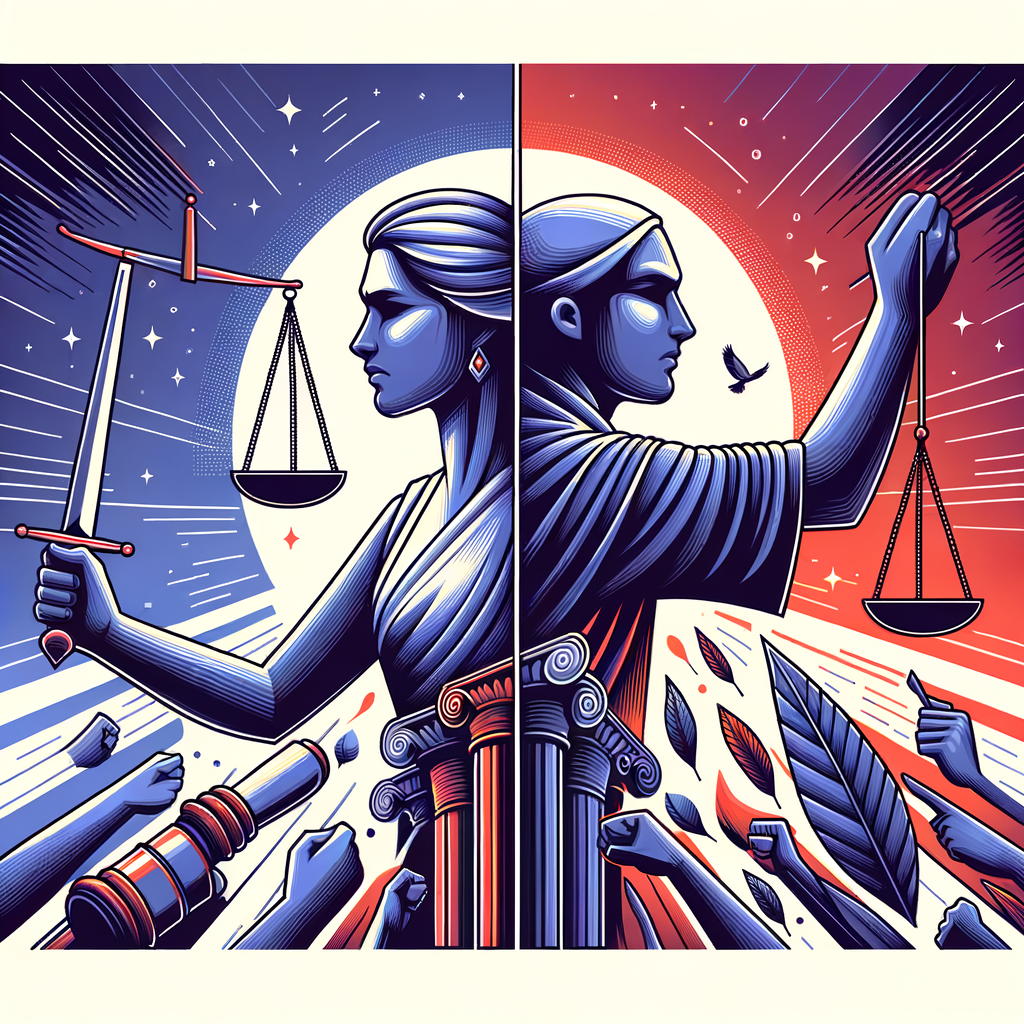
The right to protest is a fundamental human right that allows individuals to express their opinions, dissent, and demand change peacefully. It plays a crucial role in preserving democracy, promoting public debate, and fostering societal progress. Across the world, people have used protests to draw attention to issues such as civil rights, climate change, and government policies. However, while the right to protest is widely recognized, it is not absolute, and limitations can be imposed under certain circumstances. Legal protections vary significantly across regions, influenced by cultural norms, governmental frameworks, and historical context. In some places, these rights are enshrined in the constitution, while in others, they are upheld through international human rights agreements. Nevertheless, as protests continue to serve as powerful tools for societal change, understanding the legal protections and restrictions surrounding them is essential. In this article, we will delve into the legal foundations that support the right to protest, examine the restrictions imposed, and explore the balance between maintaining public order and protecting freedom of expression. This exploration is significant in shedding light on how societies can uphold democratic values while managing public order and safety.
The intricate relationship between the right to protest, legal frameworks, and governmental authority often sparks debate over where the line between personal freedoms and public safety should be drawn. In democratic societies, the right to protest is typically seen as a manifestation of freedom of speech and assembly, enabling citizens to voice grievances and seek redress. However, as governments grapple with the prospect of public disorder or threats to national security, restrictions are often imposed to regulate these activities. Such limitations can include requiring permits for large gatherings, setting time or place restrictions, and prohibiting violent or disruptive behavior. Successfully navigating these legal landscapes is critical for ensuring that protests remain effective yet orderly. Equally important is the role of law enforcement in facilitating peaceful demonstrations while avoiding excessive force. Inherent in this delicate balance is the need to protect citizens’ rights while maintaining civic order. Throughout this article, we will dissect the legal scaffolding surrounding protests and provide a comprehensive overview of their implications in various jurisdictions worldwide.
Legal Foundations of the Right to Protest
The right to protest has its roots deeply embedded in several international human rights frameworks, most notably within the United Nations’ Universal Declaration of Human Rights (UDHR). Article 19 of the UDHR asserts the right to freedom of opinion and expression, while Article 20 underlines the right to peaceful assembly and association. These provisions lay a worldwide foundation that champions the individual’s right to protest peacefully. Furthermore, the International Covenant on Civil and Political Rights (ICCPR), another cornerstone document ratified by numerous countries, echoes similar sentiments, recognizing that “everyone shall have the right to freedom of expression” and that the freedom of peaceful assembly shall not be restricted without legitimate governmental justification. Additionally, regional bodies, such as the European Convention on Human Rights, reinforce these principles within their respective frameworks.
In addition to international agreements, many national constitutions uphold the right to protest within their borders. The First Amendment of the United States Constitution prominently safeguards the rights to free speech and peaceful assembly, laying a substantial groundwork for protest activities. Likewise, Canada’s Charter of Rights and Freedoms, South Africa’s Bill of Rights, and the German Basic Law offer analogous protections for their citizens. These legal guarantees ensure individuals can assemble and express dissent without facing unwarranted government interference.
Despite these overarching protections, every jurisdiction may implement specific laws that govern how protests can unfold, highlighting the intricacies involved in legislating such a fundamental freedom. Various legal frameworks may establish requirements for obtaining protest permits, creating designated protest zones, or defining the conducts or speech permitted during assemblies. These laws aim to balance the rights of protesters with the need to maintain public order, safety, and the rights of others.
Restrictions and Limitations
While the right to protest is highly regarded, it is subject to numerous restrictions designed to maintain societal balance. The ability to impose restrictions largely hinges on the need to protect public safety, prevent disorder, and respect the rights of others. Such limitations, however, cannot be arbitrary or overly broad and must align with the needs of a democratic society. Commonly, these restrictions can include the requirement for permits, limitations on protest locations, and constraints on the time and manner in which protests may occur.
In many jurisdictions, obtaining a permit is a prerequisite for organizing a protest, particularly if it involves large crowds or occurs in public spaces. This permit system allows authorities to manage logistics, allocate necessary resources, and ensure the safety of participants and bystanders. However, concerns often arise with this requirement, as critics argue that authorities may misuse permit systems to suppress dissent, particularly if permits are denied without valid cause. Furthermore, restrictions on protest locations can emerge to protect sensitive sites, ensure the unobstruction of traffic, and maintain access to public services. This can mean designating areas for protests—sometimes far from intended targets of protest, which can dilute the intended impact.
The time, place, and manner restrictions play significant roles in defining where, when, and how protests can legally occur. For instance, protests near courtrooms or legislative buildings may face tighter controls to preserve the institutions’ integrity and ensure the public can continue to access these facilities. Similarly, noise restrictions or bans on certain items, such as megaphones or weapons, might be enforced. In times of heightened national security concerns, governments may implement more rigorous restrictions. Under these circumstances, authorities argue that there is a heightened need to prevent potential risks linked to protests, such as violent disruptions or security threats.
Moreover, protests occurring without prior notice may prompt law enforcement to intervene more rapidly to maintain order. However, the rationale for implementing such restrictions is often met with scrutiny, especially if perceived as suppressing legitimate dissent. Striking a balance is vital, as the imposition of restrictions must be narrowly tailored and proportionate to the legitimate aims pursued by the state.
Police Intervention and Use of Force
Law enforcement’s role in managing protests is crucial. Police are often tasked with upholding the delicate balance between enabling free expression and ensuring public safety. This can involve facilitating the free flow of movement, averting violence, and safeguarding both protesters and the public. Nonetheless, issues can arise when police interactions with protesters appear overly aggressive or discriminatory, leading to further tensions and questioning of both police legacies and tactics.
The use of force by law enforcement during protests is another highly contested issue. Generally, international standards assert that any use of force should be proportionate, minimum, and necessary, with non-violent means attempted initially. However, excessive use of force, such as through tear gas, rubber bullets, or baton charges, is often decried as contrary to those standards, raising human rights concerns. It is critical for clear, transparent guidelines to guide officers’ actions to prevent escalation and minimize conflict.
One of the challenges in law enforcement during protests is the potential stigmatization or scapegoating based on arbitrarily profiling demonstrators. Effective protest management becomes exponentially more challenging when peaceful protesters are unjustly targeted, leading to a breakdown of trust between the community and law enforcement. Measures to build trust, such as establishing open communication channels, understanding community concerns, and training law enforcement officers in crowd management and de-escalation tactics, can significantly enhance peaceful coordination.
Role of the Judiciary
The judiciary plays a pivotal role in enforcing the protections and limits on the right to protest by interpreting constitutional frameworks, adjudicating disputes, and reviewing government actions that may infringe on these freedoms. Courts are entrusted with upholding the balance between freedom of expression and public order, often taking a critical stance against unjustified or disproportionate limitations imposed by authorities. Judicial intervention can shape the dialogue around protests, reaffirm the rule of law, and hold authorities accountable for abuses or lapses.
Legal challenges to restrictions often bring protests’ fundamental status as a democratic institution into the broader focus, stimulating much-needed debate on civil liberties and the appropriate bounds of state intervention. Many landmark legal decisions have served as important precedents, refining the understanding of what constitutes permissible state limitations and reinforcing the public’s right to dissent.
For example, courts may evaluate whether law enforcement acted within their lawful authority when employing measures like curfews or dispersing crowds. Furthermore, judiciaries question permit denials, seeking to determine whether such constraints were objectively necessary or unjustifiably restrictive. Through these determinations, courts shape the democratic processes, ensuring continuous dialogue between societal obligations and rights.
Conclusion
The right to protest is an essential component of democracies worldwide, serving as a vehicle for societal progress and public engagement. While protected under international and national law, this right is not without restrictions, posing ongoing challenges in balancing freedom of expression with public safety. Governments must tread carefully to ensure that restrictions are justified, proportionate, and implemented with transparency. Establishing clear legal frameworks, ensuring police accountability, and involving judiciaries in scrutinizing constraints are vital to preserving these fundamental rights.
Moreover, societies must foster environments where dissent can flourish without unwarranted suppression, reinforcing the importance of dialogue, participation, and accountability. To truly uphold democratic principles, protest rights and restrictions should continually be reevaluated and adapt to changing societal climates. Maintaining open channels for public discourse ensures that these rights remain alive and reflective of civic sentiment, aligned with the ever-evolving dynamics of human rights and governance. It is through this ongoing commitment to both protect and assess the right to protest that societies can navigate the complexities of modern governance while empowering individuals to voice their convictions.
Frequently Asked Questions
1. What legal protections exist for the right to protest?
The right to protest is protected by various legal frameworks internationally and domestically. Globally, the Universal Declaration of Human Rights and the International Covenant on Civil and Political Rights recognize the right to peaceful assembly. These instruments highlight the importance of individuals coming together to express collective interests and seek changes in society. Domestically, most democratic nations enshrine this right within their constitutions or legal systems. For instance, the First Amendment of the United States Constitution guarantees the right to peacefully assemble and petition the government for grievance redress. Similarly, the European Convention on Human Rights includes provisions to safeguard the freedom of assembly and association. These legal protections ensure that individuals can protest without fear of unjustified repercussions, thereby fostering a healthy democratic environment where public dialogue and dissent are encouraged.
2. Under what circumstances can restrictions be placed on protests?
While the right to protest is widely recognized, it is not without limitations. Restrictions are often imposed to balance other significant societal interests, including public safety, order, and rights and freedoms of others. Governments can implement certain restrictions on protests, provided they are lawful, necessary, and proportionate. For example, to prevent violence, authorities may designate specific time, place, and manner restrictions such as requiring permits for large gatherings. Prohibiting protests near sensitive locations like military bases or in situations where there is a credible threat of harm are measures often justified under public safety. However, these restrictions should not stifle the very essence of the protest itself and should avoid being overly broad or unnecessary. Courts in many democracies review these restrictions to ensure they do not infringe upon the fundamental aspect of the right to protest.
3. How do legal systems distinguish between peaceful protests and unlawful assemblies?
Legal systems differentiate peaceful protests from unlawful assemblies through criteria focused on the protest’s nature and conduct. Peaceful protests are characterized by the non-violent gathering of individuals who come together to articulate their grievances, hold demonstrations, or campaign for their causes. Key to their legality is the absence of violence or weapons, and the intention not to incite imminent violence. On the other hand, unlawful assemblies are those identified by factors such as incitement to violence, participation in violent acts, or the realistic prospect of leading to public disorder or safety threats. For instance, when a protest escalates into rioting, looting, or involves direct threats of harm, it can be labeled unlawful. Law enforcement is tasked to distinguish between the two, ensuring any interventions are targeted and proportionate, maintaining the right balance between allowing freedom of expression and safeguarding the broader public interest.
4. What are some common challenges protestors face despite having legal protections?
Despite their legal right to protest, individuals often encounter numerous obstacles. These can include excessive use of force by law enforcement, wrongful arrests, and the deployment of technologies that infringe on privacy, such as facial recognition. Additionally, legal ambiguities or overly broad regulations can foster environments where protestors are deterred by the fear of legal repercussions. Sometimes, authorities might restrict media coverage, making it difficult for protestors to get their message across. Harassment, surveillance, and infiltration of groups by security agencies are tactics that can intimidate and undermine public demonstrations. Furthermore, in some regions, saved states of emergency or other extraordinary measures can be used to justify drastic crackdowns on assembly rights under the guise of national security or public order. Protestors must stay informed about their rights and engage with legal support frameworks to navigate these complex challenges effectively.
5. How can individuals ensure their rights are protected when participating in a protest?
To ensure their rights are protected, individuals participating in protests can take several proactive steps. Preparation is crucial; protestors should familiarize themselves with their local laws regarding protests and understand any specific requirements such as permits. It’s essential to stay informed about the legal boundaries set by regulations and be aware of any potential restrictions before joining a demonstration. Bringing identification, legal contact information, and knowing emergency procedures can also be beneficial. Participating peacefully and abiding by lawful instructions is vital, as is documenting events through videos or photos, should legal evidence be needed later. Where possible, joining reputable protest groups can provide collective strength, credibility, and legal protection, offering assistance and guidance. Engaging with local advocacy groups and organizations supporting civil liberties can equip protestors with the necessary resources and knowledge to assert their rights effectively, advocating for themselves and others in times of need.