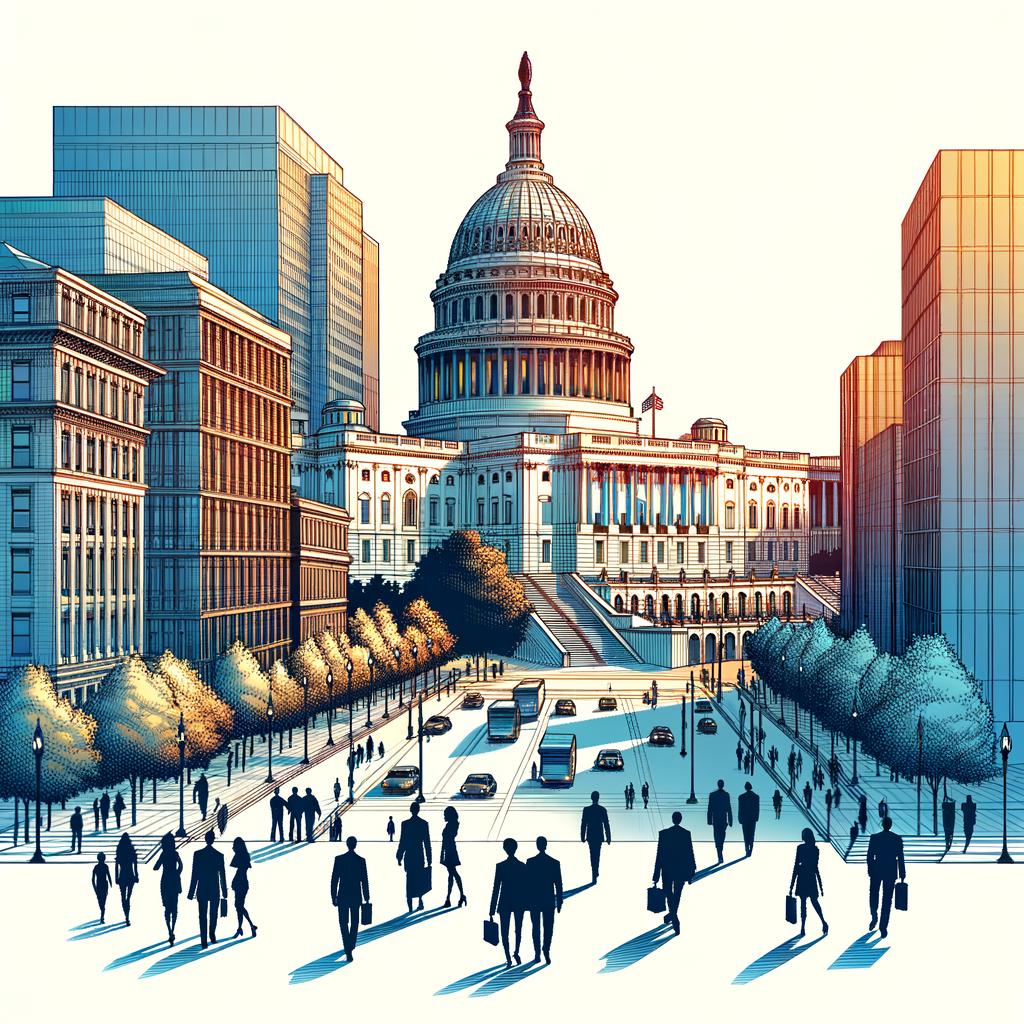
The labyrinthine world of Washington, D.C. is one that bustles with policymaking, legislative drafting, and public service. However, nestled amid the corridors of power, influencing decisions from behind closed doors, is a potentially more formidable force than many realize: lobbyists. The power of lobbyists in Washington is profound and pervasive, impacting legislative outcomes, shaping regulations, and swaying those who hold the nation’s reins. An extensive network of professionals, lobbyists work to influence policymakers on behalf of diverse interest groups, from environmental advocates and large corporations to labor unions and small community coalitions. It is crucial to understand the mechanics, strategies, and impact of these agents who play an integral role in the U.S. political landscape. Their presence and influence significantly sway and shape the legislation that defines our society, making it imperative for the public to comprehend the power wielded by these often unseen actors in the political theater.
Lobbyists are often seen as conduits for special interests, and while their work sometimes fosters criticisms of operating in shadows and wielding undue influence, their role is not devoid of legal frameworks or ethical boundaries. In this analytical exploration, we delve into the significant aspects of their influence: their modus operandi, the mechanisms that empower them, the ethical conundrums they pose, and their undeniable capability to drive change. By breaking down these elements, one gains a clearer understanding of not only how lobbying shapes policy but also how it interacts with the democratic processes designed to reflect the will of the people.
The Machinery of Influence
To comprehend the influential power of lobbyists, one needs to first recognize the scale and sophistication of the lobbying ‘machine’. This apparatus is supported by robust financial resources, strategic prowess, and a network that extends into many sectors of governance and business. Lobbyists employ various tactics to advance their clients’ interests, ranging from direct advocacy and coalition building to public relations campaigns and strategic communications. Their objectives are to educate lawmakers, present research or data that supports their case, and facilitate connections between lawmakers and industry experts, aiming to demonstrate how specific policies align or clash with broader societal issues.
At its core, the lobbying industry operates with a clear understanding of how the political system functions. Their power is essentially derived from expertise and information, which are disseminated among policymakers who may not possess the same depth of knowledge on every issue. By positioning themselves as entities that can bridge the knowledge gap, lobbyists thus insert themselves into the policymaking ecosystem as indispensable players. The immediacy and relevance of the information they provide can dramatically impact legislative outcomes, often tipping the scales in favor of the clients they represent.
Financial Influence and Political Capital
One cannot discuss lobbying without addressing the substantial amounts of money that fuel these operations. Washington lobbying is, without doubt, a big-money enterprise, with billions of dollars spent annually to sway political processes. Financial clout enables lobbyists to conduct comprehensive campaigns, organize fundraisers, and contribute strategically to political candidates who support their causes. This financial aspect grants lobbyists considerable leverage, stirring debates over the ethical implications and the potential overshadowing of public interest by private capital.
Campaign contributions and Political Action Committees (PACs) are powerful tools in the lobbyist’s arsenal. While lobbying laws exist to create transparency and oversight, the immense financial power behind lobbying efforts raises questions about equity and access within the political system. Average constituents may feel their voices are drowned out by these financially potent players. This poses concerns about the real influence of voters in a system susceptible to monetary sway, leading to an ongoing discourse on the need for further regulatory reforms to ensure fairer representation of public interests.
The Role of Ethical Considerations
Despite the power and influence that lobbyists hold, their operations are subject to ethical scrutiny and legal regulations. Various lobbying laws aim to ensure transparency and fairness, requiring lobbyists to register their activities and disclose their financial transactions and influences. Yet, these rules often offer loopholes, allowing for continued debate around the integrity of lobbying practices. Ethics in lobbying involves navigating a complex landscape between advocating for interests and preserving the integrity of democratic systems without encroaching on the very foundations of governmental accountability and public trust.
Lobbyists themselves often emphasize their role in contributing positively to democracy by providing essential expertise and facilitating dialogue between stakeholders and legislators. Balancing this claim is the persistent view that excessive influence by lobbyists fosters a risk of skewing policy in favor of interests driven more by profit than by public good. Enhancing the ethical rigor of lobbying practices requires ongoing vigilance and reform, particularly in ensuring that policymaking remains fundamentally anchored in serving the people’s interests.
The Impact on Policy and Legislation
Lobbyists play an influential role across the entire spectrum of policy and legislation. Their expertise and vested interests span issues ranging from health care and environmental regulation to trade, taxation, and more. In several high-stakes political battles, lobbyists tactically employ their resources and knowledge to sway decision-making trajectories. Notably, significant bills and reforms often reflect the influence of heavy lobbying, evident in political compromises and amendments that deviate from initial proposals to accommodate these forces.
This influence, however, is not unidirectional. Public interest groups and advocacy organizations also engage in lobbying, attempting to counterbalance corporate influence and promote policies that protect public goods, such as clean air and water, human rights, and access to education and health care. In this balancing act, the outcome of policy battles often hinges on the ability of these diverse lobbying entities to navigate the political landscape effectively, mobilize public support, and maintain the momentum through persistent engagement with legislators and the public alike.
The Challenges and Future of Lobbying
The future of lobbying in Washington involves navigating several challenges that reflect evolving political, technological, and social paradigms. As technology advances, so do the ways in which lobbyists engage and influence, utilizing digital platforms for advocacy and broader outreach. This transformation poses questions about transparency, regulation, and the protection of democratic integrity. Ensuring that technological advancements are harnessed responsibly remains an ongoing concern for policymakers, regulators, and the public alike.
Moreover, the increasing polarization of American politics has seen lobbying efforts become more targeted, focusing on deepening divisions or capitalizing on partisan tensions to either push through or block legislation. This dynamic requires an acute awareness among stakeholders to foster environments where the propensity for constructive dialogue and compromise is not lost amid an increasingly contentious political field. Sustaining fair and equal representation in such a charged atmosphere is crucial to maintaining the tenets of democracy.
Conclusion
In understanding the power of lobbyists in Washington, it becomes evident that their role is woven into the very fabric of modern legislative processes. They are neither solely villains nor heroes, rather practitioners in a complex system where effective advocacy meets the necessity for transparency and balance. As lobbyists advocate for a multitude of interests, their influence on policy and politics cannot be understated. They have the potential to champion causes that benefit society or, conversely, represent interests that prioritize profit over public welfare.
To mitigate potential downsides and harness the positive capabilities of lobbying, continued emphasis on reform, regulation, and a culture of ethical accountability is necessary. Public understanding and engagement in policymaking, supported by transparent and fair lobbying practices, remain key. As long as society remains alert to the movements and implications of lobbying efforts, it can work towards a political landscape where lobbyist influence aligns more closely with the public’s best interests.
Frequently Asked Questions
1. What role do lobbyists play in Washington, D.C.?
Lobbyists in Washington, D.C. play a crucial role in the political ecosystem. They act as intermediaries between interest groups, corporations, non-profits, and the government. Their primary role is to influence legislation and policy-making to align with the interests of those they represent. By providing detailed information, expertise, and perspectives to lawmakers and their staff, lobbyists help shape regulation and legislative outcomes that align with the aims of their clients. They engage in various activities ranging from direct advocacy, providing testimony to committees, participating in public relations campaigns, and drafting legislation. Additionally, lobbyists often contribute to political campaigns, which can grant them access and influence over lawmakers. Essentially, they are indispensable players in the legislative process, helping to ensure that the perspectives of their clients are considered in public policy decisions.
2. How do lobbyists exert their power in the legislative process?
Lobbyists exert their power primarily through relationships and information. They maintain close connections with members of Congress and their staff, which allows them direct access to those drafting and voting on legislation. Using these relationships, they communicate the needs and interests of their clients. Beyond mere access, lobbyists offer specialized knowledge and inform lawmakers about how proposed legislation might affect specific industries or communities. Often, lobbyists prepare draft bills, amendments, or briefing materials to assist congressional staffers. Furthermore, they participate in coalitions that can apply pressure on lawmakers through grassroots mobilization or public campaigns. Through these methods, lobbyists can galvanize public opinion or voter pressure to support their causes. Financial contributions are another tool in their arsenal, allowing lobbyists to gain influence by donating to political campaigns or organizing fundraisers. This comprehensive approach allows them to have a formidable presence in the legislative process.
3. Is lobbying considered a legal and ethical practice?
Lobbying itself is completely legal and an integral element of the democratic process. Rooted in the right to petition the government, as guaranteed by the First Amendment of the United States Constitution, lobbying enables various groups to present their cases to policymakers. This process ensures that elected officials hear a diversity of perspectives, allowing them to make informed decisions. However, the ethical dimensions of lobbying can be complex. While the practice is legal, it is heavily regulated to prevent corruption and ensure transparency. Regulations dictate the disclosure of lobbying activities and financial contributions to ensure that the influence of money on politics is monitored. Despite these regulations, critics argue that the practice can skew policy outcomes in favor of those with substantial resources, creating an imbalance. Nevertheless, when conducted within the bounds of law and ethics, lobbying provides a necessary platform for dialogue between the government and various societal interests.
4. Who hires lobbyists and why?
A wide array of entities hire lobbyists, including corporations, industry associations, labor unions, non-profits, foreign governments, and even individual citizens or small groups. The primary reason for hiring lobbyists is to ensure that their perspectives and interests are effectively communicated to those in power. Given the complexities of federal lawmaking and the myriad of issues facing policymakers, organizations often need dedicated professionals who can navigate this environment and advocate on their behalf. Corporations may hire lobbyists to influence tax policies, trade regulations, or environmental laws to benefit their business operations. Non-profits might engage lobbyists to promote causes such as education, healthcare, or civil rights legislation. Foreign governments may hire lobbyists to improve diplomatic relations or secure trade benefits with the United States. Ultimately, lobbyists serve as tactical resources to advance an organization’s strategic objectives within the political framework of Washington, D.C.
5. What impact do lobbyists have on the governance of the United States?
The impact of lobbyists on the governance of the United States is both significant and multifaceted. Through their interactions with policymakers, lobbyists can alter the direction of legislation and influence regulatory frameworks. They play an essential role in the policymaking process by providing information that lawmakers use to make decisions that affect the entire nation. Consequently, lobbyists can have a direct effect on the final shape of laws and how resources are distributed. On the positive side, this influence can lead to informed and balanced policy decisions that accommodate a wide range of stakeholder perspectives. Conversely, the presence of well-funded lobbying efforts can also result in policies that prioritize special interests over the public good, leading to concerns about the equity and fairness of governance. Despite these divergent outcomes, the presence of lobbyists is a testament to the dynamic nature of participatory governance, albeit one that continually requires oversight and adjustment to ensure it aligns with democratic principles.