
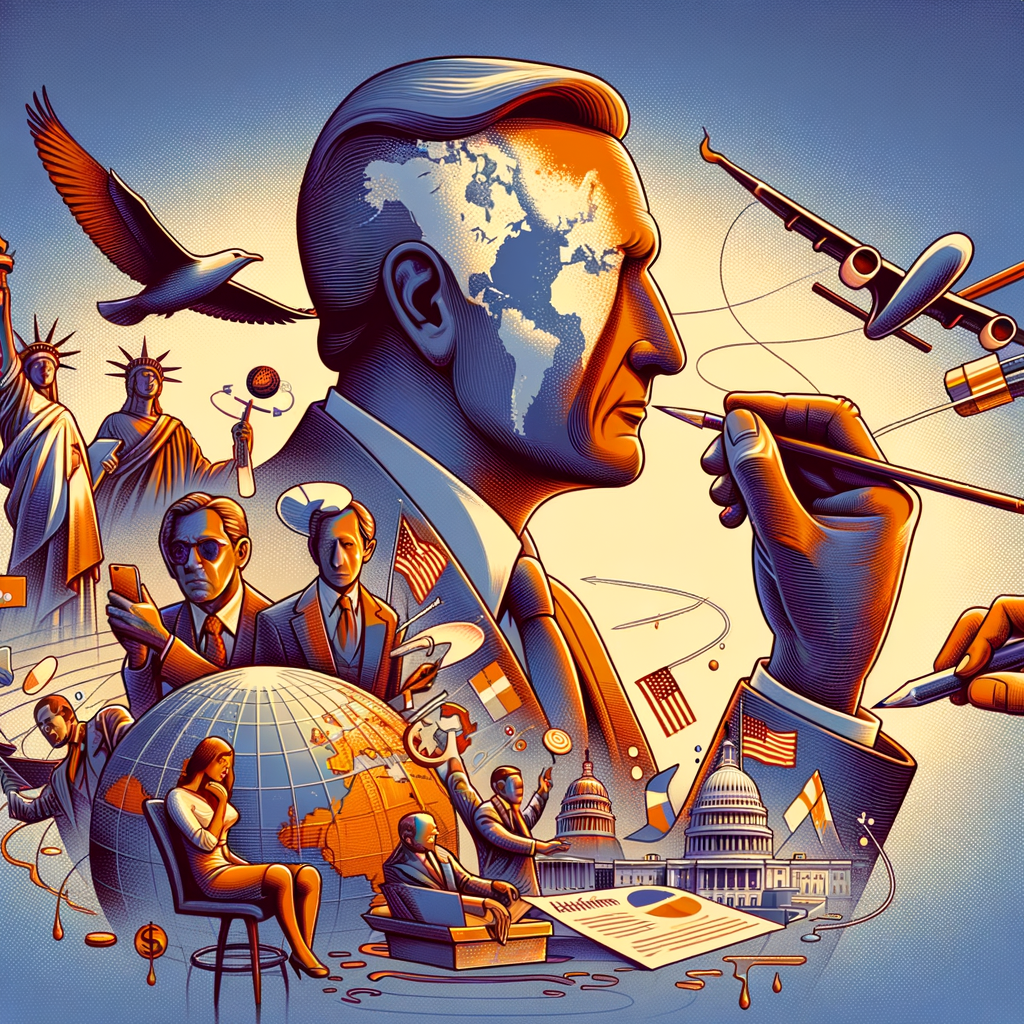
The phenomenon of globalization, which relates to the interconnection and integration of economies, societies, and cultures on a global scale, profoundly affects various aspects of life as we know it. One area where its impact is particularly significant is domestic politics. In recent decades, globalization has not only transformed economic landscapes but also reshaped how political systems function in many countries worldwide. The influence of globalization on domestic politics can be seen through its effects on national sovereignty, political ideologies, policy-making processes, economic policies, and social structures. Furthermore, as borders become increasingly permeable, countries face the challenge of maintaining their unique identities while participating in a global community. This article aims to explore the intricate ways in which globalization exerts its influence over domestic politics, how political actors respond to these challenges, and the resulting implications for governance and citizen engagement across different nations.
To understand the far-reaching impact of globalization on domestic politics, it is essential to consider various dimensions, including economic policies, social movements, technological advancements, and environmental considerations. In many cases, globalization leads to increased economic interdependence among countries, compelling governments to adopt policies that cater not only to national interests but also to international obligations and standards. This interconnectedness requires political leaders to engage in diplomatic relationships and multi-lateral agreements that may have been less critical in a pre-globalized era. Furthermore, globalization often results in the diffusion of ideas and values, leading to more homogenized cultural and political landscapes across borders.
Yet, globalization’s impact is multifaceted and can trigger internal conflicts and debates. For instance, citizens may resist perceived threats to their cultural heritage and political autonomy while simultaneously appreciating the benefits of global cooperation. Consequently, domestic political dynamics can become increasingly complex, necessitating nuanced approaches to governance. The rise of populism in various parts of the world reflects a pushback against certain aspects of globalization, as communities grapple with perceived economic disadvantages and cultural erosion. In this comprehensive analysis, we will delve into the transformative effects of globalization on domestic politics and explore how various stakeholders navigate this evolving landscape to strike a balance between global influence and local priorities.
The Economic Dimension of Globalization and Domestic Politics
Globalization has substantially redefined economic landscapes globally, with cascading impacts on domestic politics. The increased flow of goods, services, and capital across borders has necessitated shifts in domestic economic policies, often leading governments to prioritize market liberalization, privatization, and deregulation. These changes are frequently driven by the need to remain competitive in a global economy, attracting foreign investment and boosting trade. As countries strive to integrate into the global economic system, they must align their policies with international standards set by organizations such as the World Trade Organization (WTO), International Monetary Fund (IMF), and World Bank.
This economic transformation, however, is not without its political repercussions. On one hand, globalization has facilitated economic growth and development, leading to increased prosperity in many regions. On the other hand, it has exacerbated economic disparities both within and between countries. The latter has become a contentious issue within domestic political arenas, as policymakers grapple with growing inequality and the demand for more equitable distribution of wealth. The rise of protectionist and nationalist sentiments in some countries can be attributed to these economic grievances, as they challenge the perceived negative consequences of globalization such as outsourcing, job losses, wage stagnation, and the perceived erosion of local industries.
Moreover, globalization has also prompted a reevaluation of the role of the nation-state in economic governance. As multinational corporations play an increasingly dominant role in global markets, questions about their influence over domestic politics become more pertinent. Corporate lobbying, regulatory capture, and fiscal policies designed to attract foreign direct investment often spark debates about the extent to which domestic priorities may be sacrificed in favor of global market demands. Consequently, political actors must navigate a complex landscape where competing interests and international pressures intersect with national policies and public opinion, making economic governance a delicate balancing act.
Impact on National Sovereignty and Political Ideologies
The permeability of borders and the encroachment of supranational institutions on traditionally sovereign matters have significant implications for national sovereignty, a core concern in domestic politics. Globalization has facilitated the creation of transnational entities and agreements that often require countries to cede a degree of sovereignty to achieve collective benefits. For example, the European Union (EU) is a prominent illustration of this trend, where member states have transferred certain legislative powers to regional governance structures to facilitate economic and political integration.
Such arrangements can lead to shifts in political ideologies within nations, as stakeholders either embrace or oppose these new structures. Supporters argue that regional and global cooperation enhances collective security, economic stability, and environmental sustainability. In contrast, critics fear a loss of autonomy and control over domestic affairs, fueling nationalist and separatist movements with slogans urging a return to national self-determination. The Brexit referendum in the United Kingdom exemplifies how debates about sovereignty and globalization can influence political discourse and policy decisions.
Furthermore, globalization can influence political ideologies by facilitating the exchange of ideas, cultural practices, and normative values, leading to increased convergence or polarization in political thought. Ideas that advocate for human rights, democracy, and environmental protection gain traction and may reshape domestic political landscapes. At the same time, the reaction against what is perceived as cultural imperialism or homogenization can reinvigorate local traditions and nationalist ideologies, creating a dynamic tension within domestic politics.
Challenges and Opportunities from Social Movements and Technological Advancements
Social movements have become more prevalent and potent in the age of globalization, bolstered by technological advancements that facilitate the rapid dissemination of information. The ability to mobilize support across borders for social, political, and environmental causes has empowered citizens and civil society groups, enhancing their influence on domestic politics. Movements advocating for climate action, racial justice, gender equality, and human rights have made significant inroads in shaping policy agendas and national discourses.
Technological advancements, particularly the proliferation of digital platforms and social media, have transformed how political engagement occurs, granting individuals and groups unprecedented access to information and the ability to voice opinions. Policymakers face the dual challenge of responding rapidly to the demands of digitally-savvy constituencies while addressing concerns about misinformation, political polarization, and privacy. The rise of digital activism and grassroots mobilization has reshaped the political landscape, compelling traditional political institutions to adapt to new forms of participation and advocacy.
Furthermore, globalization and technology create opportunities for governments to modernize and increase transparency in their operations. E-governance initiatives can enhance public service delivery, improve efficiency, and foster greater citizen engagement. However, these digital transformations necessitate careful consideration of ethical and security concerns, as well as efforts to bridge digital divides that may exacerbate existing inequalities.
Environmental Considerations and Global Governance
Environmental issues represent a critical arena where globalization’s influence on domestic politics is increasingly evident. Climate change, biodiversity loss, and pollution are transboundary challenges that require coordinated global responses, leading to international agreements such as the Paris Agreement on climate change. Domestically, countries are compelled to align their environmental policies with global standards, often requiring significant political commitment and resource allocation.
Global governance mechanisms in the environmental domain can serve as catalysts for domestic policy change, promoting sustainable development practices and incentivizing countries to transition to low-carbon economies. However, tension arises when the interests of global governance institutions conflict with national priorities or when domestic stakeholders resist change due to economic or political costs. Finding common ground between global environmental imperatives and local development goals remains a key challenge for policymakers worldwide.
Moreover, environmental considerations can become a point of contention in domestic political debates, particularly where short-term economic considerations conflict with long-term environmental obligations. As citizens become more aware of environmental impacts on their livelihoods and health, they may demand greater accountability and action from their governments, fostering a shift towards more sustainable political agendas. Consequently, maintaining a balance between pursuing economic growth and protecting environmental resources becomes a central aim in domestic politics.
Conclusion
In conclusion, globalization has emerged as a powerful force reshaping domestic politics in multifaceted ways. Its influence extends into economic policies, national sovereignty, political ideologies, social movements, technological progress, and environmental governance. While globalization has created opportunities for economic growth, collaboration, and the spread of democratic ideals, it has also posed significant challenges such as fostering inequality, eroding national sovereignty, and prompting cultural homogenization.
Policymakers and political actors are tasked with navigating this complex terrain, where they must balance the demands and benefits of global integration with the need to preserve national interests and cater to local constituencies. The rise of populism, protectionism, and nationalism in various parts of the world underscores the tension between global influences and domestic priorities.
Ultimately, the ongoing dialogue between globalization and domestic politics requires adaptive governance strategies that embrace the dynamics of an interconnected world while safeguarding the rights, values, and aspirations of local populations. As we move forward, striking an equilibrium that respects both global obligations and national sovereignty will be critical in shaping the future political landscape. In doing so, countries can harness the benefits of globalization while mitigating its adverse repercussions, paving the way for a more inclusive and sustainable global political order.
Frequently Asked Questions
1. How does globalization influence national sovereignty in domestic politics?
Globalization can significantly impact national sovereignty by challenging the traditional power dynamics within a country. As nations engage more closely in global trade, politics, and culture, they may find that their autonomy in decision-making becomes diluted. International agreements and global organizations, like the World Trade Organization (WTO) or United Nations (UN), often require countries to adhere to external rules and standards. This means that domestic policies can be influenced or dictated by international considerations, sometimes at the expense of national preferences. Moreover, multinational corporations exert considerable influence over domestic economics and policies, which can weaken governmental control. Essentially, while globalization opens doors for economic growth and cultural exchange, it simultaneously questions and sometimes undermines the power of countries to shape their regulations independently.
2. What role does technology play in the influence of globalization on domestic politics?
Technology is a vital driver of globalization and significantly impacts domestic politics. In an increasingly digital world, information flows across borders instantaneously, shaping public opinion and political discourse. Social media platforms, news outlets, and other online resources enable citizens to access ideas beyond their national boundaries, often leading to shifts in political views and agendas. This technological advancement strengthens global interconnectedness but can also challenge political structures. On one hand, the spread of information promotes transparency and accountability, encouraging positive political change and reform. On the other hand, technology can lead to misinformation and manipulation, which political actors or foreign governments might exploit to influence electoral outcomes and sway national policies. Governments must adapt to these technological changes, finding ways to embrace the enhanced engagement while combating potential negative impacts.
3. How does globalization affect economic policy in domestic politics?
Globalization has a profound effect on domestic economic policies as economies become interlinked through trade and investment. This interconnectedness often necessitates that countries adopt policies promoting competitiveness in the global market, sometimes prioritizing globalization’s economic advantages over local economic needs. For example, governments may pursue trade liberalization, deregulation, and policies favoring free-market dynamics to attract foreign investment and boost exports. However, these shifts can introduce challenges, such as widening income inequality, job displacements, and domestic industries struggling to compete with multinational counterparts. As a result, while globalization offers economic growth opportunities, it compels domestic governments to carefully balance global integration with maintaining domestic welfare and ensuring that economic gains are distributed fairly across society.
4. In what ways does globalization influence cultural politics within countries?
Globalization’s influence on domestic cultural politics is significant, as it facilitates an unprecedented exchange of cultural norms, values, and practices worldwide. This exchange shapes national identities and influences cultural policies. On one hand, globalization promotes cultural diversity and acceptance, encouraging the exchange of artistic expressions, food, fashion, and ideas, which enriches societies. On the other hand, it can also lead to cultural homogenization, where dominant cultures overshadow local traditions and customs, sometimes sparking cultural tensions and identity crises. Politically, this can lead governments to reinforce national cultural policies aimed at preserving their heritage and promoting local identities as a counterbalance to global influences. The ongoing dialogue between embracing global culture and retaining domestic traditions shapes the political landscape in fascinating and often contentious ways.
5. Can globalization lead to political instability at the domestic level?
Yes, globalization has the potential to cause political instability within countries. As economies and societies globalize, they often face transformative pressures that disrupt traditional power structures and societal norms. Economic disparities may become more pronounced, leading to social tensions and populist movements questioning globalization’s benefits. Additionally, global challenges like international terrorism, climate change, and economic crises necessitate coordinated responses, putting pressure on national governments to act in ways that may not always align with domestic interests or public opinion. This can lead to dissatisfaction among citizens who feel their needs are sidelined by international priorities, potentially eroding trust in government institutions and fueling instability. Furthermore, increased immigration due to globalization may heighten cultural and social challenges, invoking political reactions that exacerbate domestic divides. Thus, while globalization fosters remarkable opportunities for growth and development, it simultaneously poses complex challenges that may destabilize domestic politics if not managed with foresight and sensitivity.