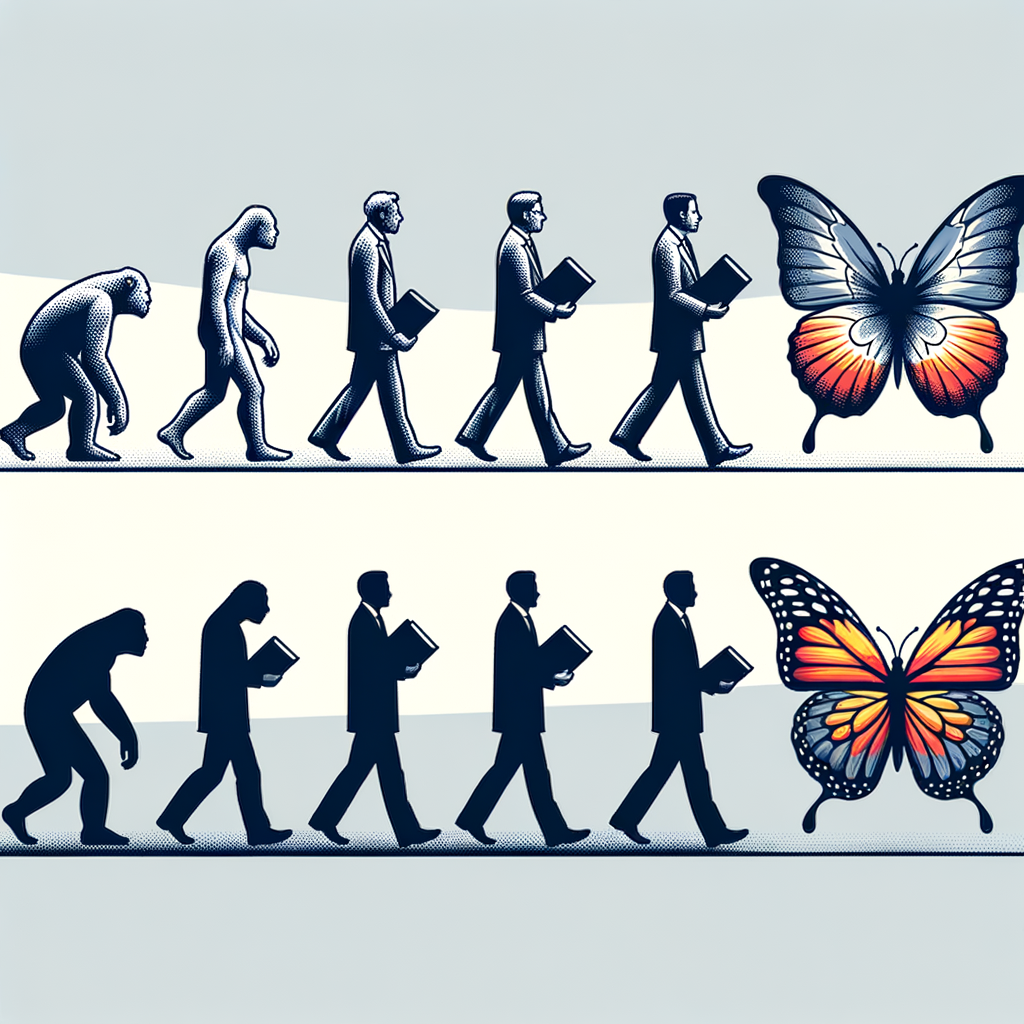
The political landscapes of the Republican and Democratic parties in the United States have undergone significant changes since their inception. These shifts reflect broader societal changes, technological advancements, cultural shifts, and evolving policy priorities. Understanding the evolution of these political ideologies is essential for comprehending the motivations driving current political strategies and debates. The Republican Party, often associated with conservatism, and the Democratic Party, traditionally seen as liberal, have both navigated complex transformations over the decades. This examination reveals a tapestry of ideological evolution shaped by historical contexts, leadership influences, economic necessities, and responses to global changes. By delving into the historical trajectories of these parties, we gain a deeper insight into how they have arrived at their present stances and the factors influencing their future directions.
The Origins of the Democratic and Republican Parties
The Democratic Party has its roots dating back to the early 19th century, emerging from the Democratic-Republican Party led by Thomas Jefferson and James Madison. Initially, the party favored states’ rights and opposed strong central government, which was a reflection of the agrarian interests prevalent at that time. As the United States expanded, the Democratic Party began to embrace a wider array of social reforms, notably during the presidency of Andrew Jackson, who advocated for more power to the “common man” and initiated policies that were quite populist in nature.
In contrast, the Republican Party was founded in the 1850s as an anti-slavery party. Its primary platform was to prevent the spread of slavery into the American territories. The election of Abraham Lincoln, the first Republican president, marked a major turning point for the party. This period was defined by the Civil War and the subsequent era of Reconstruction, during which Republicans were known for their more progressive stances on civil rights, as evidenced by their support of the 13th, 14th, and 15th Amendments.
20th Century Transformations
The 20th century heralded dramatic ideological shifts for both parties. The Democratic Party, under the leadership of Franklin D. Roosevelt, embraced a progressive platform during the Great Depression. Roosevelt’s New Deal policies marked a departure from earlier ideological stances by orchestrating federal government intervention in the economy. These policies laid the groundwork for modern American liberalism and framed Democrats as champions of social welfare and economic regulation.
Simultaneously, the Republican Party maintained a stance favoring limited government and free-market principles. However, tensions within the party were evident as progressive Republicans, like Theodore Roosevelt, earlier championed regulatory reforms and conservation efforts. Over time, the conservative wing gained substantial influence, emphasizing traditional social values and fiscal conservatism, especially during the Ronald Reagan era, which further solidified modern Republican ideology centered around tax cuts, deregulation, and reduced government spending.
Modern Political Realignments
The Civil Rights Movement of the 1960s was instrumental in reshaping party ideologies. Democrats, who had once included southern segregationists, increasingly aligned with civil rights activists, advocating for equal rights and anti-discrimination laws. Presidents like Lyndon B. Johnson embraced civil rights reforms, although this alignment led to a significant political shift among conservative Southern Democrats, who began gravitating towards the Republican Party.
This period saw the Republicans adopt the “Southern Strategy,” which sought to gain the support of disaffected white voters from the southern states. This strategy shifted the party’s focus more towards traditionalism and conservatism, echoing sentiments of limited federal intervention in cultural and social issues.
21st Century Challenges and Developments
In the 21st century, both parties face new challenges that continue to shape their ideologies. The Democratic Party today is seen as a coalition of diverse groups advocating for progressive policies in areas like healthcare, climate change, and social justice. The Obama era brought a focus on healthcare reform with the Affordable Care Act, while recent movements within the party push for policies on environmental sustainability and economic equality.
The Republican Party, on the other hand, has experienced its own challenges and shifts. The rise of the Tea Party in the early 2010s emphasized a return to traditional conservative principles, including a strong stance against government overreach. More recently, the influence of Donald Trump has brought about a populist wave within the party, characterized by a nationalist approach, skepticism towards globalization, and a focus on immigration control.
The Future Outlook of the Two Parties
Looking ahead, both parties face significant ideological tests. For Democrats, the challenge is balancing the diverse priorities within their coalition, which includes progressives, moderates, and an array of identity-based caucuses. The rise of figures like Bernie Sanders and Alexandria Ocasio-Cortez indicates a potential shift towards a more progressive, European-style social democracy platform.
Republicans, however, grapple with an identity heavily influenced by the Trump administration’s policies. The internal division between traditional conservatives and the more populist factions poses a question of future direction. How the party reconciles these differences will shape its policies and electoral strategies in the coming years.
Conclusion
The evolution of Republican and Democratic ideologies is emblematic of the dynamic nature of political thought in the United States. Both parties have altered their platforms in response to changing historical contexts, responding to social, economic, and international pressures. Democrats have moved from their early 19th-century roots to become a party favoring broad social reforms and government involvement in economic affairs. Republicans have transformed from their anti-slavery origins into a bastion of limited government and traditional values.
The ideological evolution of both parties continues to influence American politics today. As the nation grapples with unprecedented challenges such as globalization, climate change, and shifting demographics, the ideological landscape will likely continue to shift. Each party will need to adapt, finding ways to bridge internal divisions and respond to the evolving needs and values of their constituents. The durability and effectiveness of their future policies will depend on how well they navigate these transformations, ultimately shaping the broader political fabric of the United States.
Frequently Asked Questions
1. How have the ideologies of the Republican and Democratic parties changed over time?
The Republican and Democratic parties have both experienced significant ideological transformations since their inception. Originally, the Democratic Party, founded in the early 19th century, supported agrarian interests and states’ rights. Over time, they evolved to champion civil rights, social welfare, and progressive policies. The pivotal shifts began around the New Deal era in the 1930s under Franklin D. Roosevelt, where the party embraced government intervention in the economy and social welfare as necessary tools for improving citizens’ lives.
The Republican Party, established in the mid-19th century, initially emerged in opposition to the expansion of slavery and was the party of Abraham Lincoln during the Civil War. It has come to be associated with fiscal conservatism, reduced government spending, and individual liberties. The transition towards a more conservative stance began in the mid-20th century, around the time of the Reagan administration, which emphasized free-market policies, tax cuts, and a strong national defense. Both parties have adapted to changing social values and economic conditions, continuously redefining their platforms to address contemporary issues.
2. What were some of the major turning points in the evolution of these parties’ ideologies?
Several key events and periods significantly influenced the ideological shifts of both parties. For the Democrats, the New Deal era under FDR marked a transformation towards a welfare state presence in U.S. governance. This period fostered a dedication to social welfare programs, labor rights, and government intervention in the economy. The Civil Rights Movement of the 1960s was another turning point, marking a decisive shift towards a platform prioritizing equality and civil rights for all Americans.
For Republicans, the Goldwater campaign of 1964 and the subsequent Reagan Revolution of the 1980s were crucial. Barry Goldwater’s candidacy was notable for its clear rejection of the New Deal liberalism and its advocation for a significantly reduced role for the federal government—a trend that continued and expanded during Ronald Reagan’s presidency with the conservative push for free-market principles, tax cuts, and a robust national defense. Another turning point was the Southern Strategy, which aimed to gain support from southern white voters by appealing to their conservative values, thereby shifting the traditional Republican base.
3. How have societal changes influenced the platforms of both parties?
Societal changes have greatly affected the platforms of both parties. The Civil Rights Movement and the subsequent struggle for various civil rights led the Democratic Party to embrace a platform centered on equality, anti-discrimination laws, and accommodating diverse societal segments. As society has become more diverse and interconnected, Democrats have increasingly focused on policies that advocate for minority rights, women’s rights, LGBTQ+ rights, and environmental protection.
For the Republicans, societal shifts have often reinforced a return to traditional values and a focus on maintaining the status quo in face of rapid social change. With an emphasis on a smaller government, individual liberties, and traditional family values, the Republican platform has often pushed back against rapid societal advancements, arguing instead for measured, manageable progress. The party has appealed to individuals concerned with upholding traditional cultural and social norms, particularly in response to the liberal movements’ rapid acceptance of social changes.
4. How do technological advancements influence political ideologies within these parties?
Technological advancements have a profound influence on political ideologies. For Democrats, technology is often seen as a means of advancing environmental initiatives, creating new jobs in green technology, and enhancing education. They have advocated for wider internet access, technology-driven social programs, and regulations ensuring that technological growth benefits society as a whole. Democrats focus on using technology to address climate change and infrastructure improvements.
Republicans, conversely, often emphasize the role of technology in driving economic growth and enhancing national security. They tend to advocate for the deregulation of tech industries to encourage innovation and competition. The party’s stance often aligns with business interests that seek less governmental interference, particularly in issues like net neutrality or data privacy, believing that a free market will lead to optimal outcomes. Technologically, Republicans also prioritize cybersecurity and using tech to strengthen national defense systems.
5. Why is understanding the evolution of these ideologies essential for current political discourse?
Understanding the evolution of Republican and Democratic ideologies is crucial for navigating current political discourses and strategies. This historical context helps voters, politicians, and analysts comprehend why parties prioritize certain issues and how their approaches emerge. As political landscapes include complex issues like immigration, healthcare reform, or climate change, insights from past ideological shifts offer clues into present tactics and potential future directions.
Moreover, appreciating these evolutions enables a better understanding of the parties’ cultural appeals and voter bases, explaining why certain policies resonate with or alienate segments of the population. It underscores how deeply intertwined political strategies are with socio-economic contexts, making historical insight indispensable for comprehensively analyzing the ongoing dynamics in American politics. Recognizing these ideological paths provides clarity and perspective to current debates, fostering informed public discourse and decision-making.