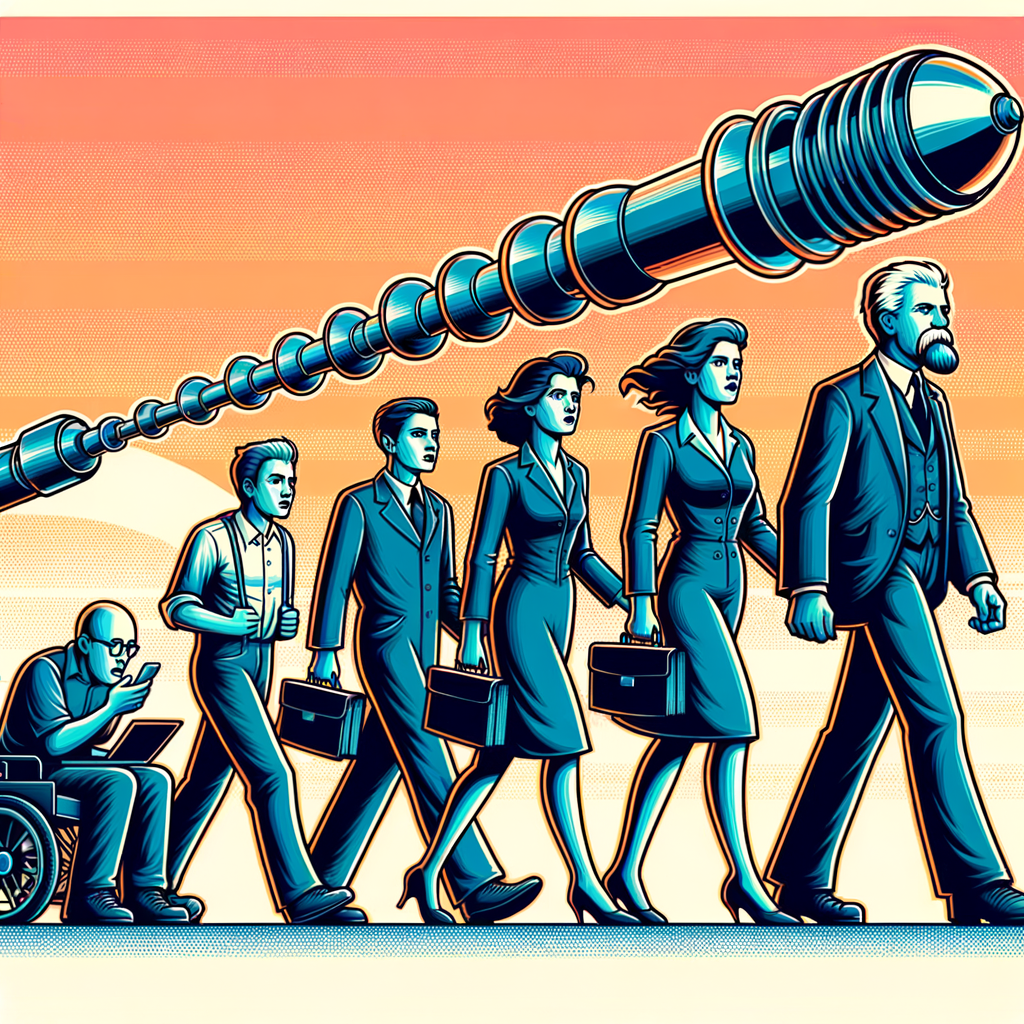
Free speech is a foundational pillar of democratic societies, often linked with the idea of truth-seeking and the open exchange of ideas. On college campuses, this principle has historically played a vital role, fostering environments where intellectual debate is encouraged, diverse perspectives are embraced, and critical thinking is cultivated. However, the evolution of free speech on college campuses in the United States has been anything but linear. Over the decades, this concept has undergone significant transformation, necessitating a reevaluation of its meaning, boundaries, and implications. In recent years, the discourse surrounding free speech on campuses has become increasingly contentious, with debates centered on the balance between fostering an inclusive environment and preserving the unfettered exchange of ideas. This ongoing evolution reflects broader cultural shifts, legal interpretations, and dynamic societal values. By examining this development, we can better understand the role of free speech in shaping academic and social discourse and anticipate future challenges and opportunities that it may pose.
The modern college campus, vibrant and diverse, serves as a microcosm of broader societal debates, with free speech at its core. This evolution is influenced by a myriad of factors, including technological advancements, legal precedents, and shifting cultural norms. As students become more vocal in their demands for inclusive and safe spaces, administrators grapple with the challenges of balancing these with the preservation of free speech rights. Simultaneously, new media and digital platforms have transformed the landscape of discourse, complicating traditional notions of speech and expression. Understanding the historical trajectory and current landscape of free speech on college campuses is essential for anyone looking to grasp the complexities of this issue. It allows us to appreciate the delicate interplay between rights and responsibilities, freedom and inclusivity, and tradition and change. Through this exploration, we aim to illuminate the multifaceted nature of free speech in academia and its implications for the future.
Historical Context and Legal Foundations
The notion of free speech in academia has deep roots, tracing back to early educational institutions. Traditionally, college campuses have been envisioned as spaces dedicated to free inquiry, where students and faculty can challenge the status quo and explore controversial ideas without fear of reprisal. The First Amendment of the United States Constitution, ratified in 1791, enshrined the principle of free speech as a fundamental right, though it applies primarily to public universities due to their government affiliation. Historically, the judicial interpretation of this amendment has fluctuated, especially concerning its application on college campuses.
The landmark Supreme Court case, “Tinker v. Des Moines Independent Community School District” in 1969, set a significant precedent. The Court ruled that students do not “shed their constitutional rights to freedom of speech or expression at the schoolhouse gate,” affirming that educational environments are not exempt from the First Amendment. This decision underscored the idea that student expression could not be suppressed unless it substantially disrupted educational activities. Subsequently, this principle has extended to higher education, reinforcing the expectation that colleges remain bastions of free speech.
Over the years, courts have consistently defended the rights of students and faculty to engage in free speech, even when that speech is deemed unpopular or offensive. However, the interpretation of what constitutes protected speech and the extent of its limitations has been hotly debated, with campuses often at the forefront of these discussions. The development of free speech zones and speech codes in the latter half of the 20th century is one such example, reflecting institutional efforts to manage and sometimes restrict speech in the name of maintaining order and safety. These measures, while intended to strike a balance between free expression and campus civility, have often sparked controversy, leading to legal challenges and heated public debate.
Technological Advances and New Media
The rise of the internet and digital communication platforms has revolutionized the way students and faculty engage in discourse. Social media, in particular, has become a double-edged sword for free speech on college campuses. On one hand, it democratizes speech, providing everyone with a voice and platform to express their views. This has enabled students to organize more effectively, participate in activism, and raise awareness on issues that might otherwise be overlooked. The hashtag movements like #BlackLivesMatter and #MeToo are testament to the power of digital activism, with substantial campus involvement.
On the other hand, the viral nature of online platforms has raised concerns about misinformation, cyberbullying, and the spread of hate speech. The anonymity afforded by the internet can embolden individuals to engage in disruptive or harmful behavior, undermining the respectful exchange of ideas that campuses strive to uphold. As a result, universities are faced with the challenge of creating policies that address these concerns while not infringing upon free speech rights. The development of comprehensive digital communication guidelines has become a necessary yet complex endeavor for educational institutions.
The reach of social media also means that on-campus events can attract significant attention far beyond the borders of the institution, sometimes leading to national or even global controversies. This can amplify the impact of speech-related incidents, placing additional pressure on universities to respond swiftly and appropriately. The dynamic interaction between physical and virtual campus spaces continues to shape the current and future landscape of free speech in academia.
Balancing Free Speech and Inclusivity
One of the most challenging aspects of free speech on college campuses is finding the right balance between protecting expression and fostering an inclusive, respectful environment. Colleges are increasingly diverse, with students from a variety of cultural backgrounds, identities, and perspectives. Ensuring that all students feel safe and respected while allowing for robust debate is a complex yet crucial task.
In pursuit of inclusivity, some universities have instituted policies and practices that aim to prevent speech that could be deemed harmful or derogatory. This includes the establishment of safe spaces and trigger warnings to shield students from potentially distressing content. Critics of these measures argue that they can lead to the censorship of legitimate discourse, stifling intellectual diversity and critical engagement.
Proponents, however, maintain that such measures are necessary to protect marginalized communities from harmful rhetoric and ensure that all students can participate fully in academic life. They argue that free speech should not be an unchecked license to spread hate or discrimination but should be aligned with the values of respect and understanding. This debate continues to evolve, reflecting broader societal conversations about the limits and responsibilities of free speech in diverse communities.
Recent Trends and Incidents
The past decade has seen a marked increase in high-profile incidents involving free speech on college campuses. Controversial speakers, student protests, and clashes between opposing ideologies have become almost commonplace. These incidents highlight the tensions inherent in maintaining a commitment to free speech while addressing the concerns of an increasingly vocal and diverse student body.
One notable trend is the emergence of speaker disinvitation or “no-platforming,” where students or activist groups pressure universities to withdraw invitations to speakers whose views are perceived as harmful or offensive. This practice has sparked significant debate about the limits of speech and the role of universities as platforms for diverse viewpoints. Some argue that disinvitation undermines the purpose of higher education as a space for exposure to different ideas, while others assert the right to protest against speech that does not align with community values.
The rise of student activism has also been a defining feature, with many students demanding that universities take stronger stands against hate speech and discriminatory rhetoric. These movements often echo larger societal campaigns for social justice and equality, demonstrating the interconnectedness of campus and national dialogues. This activism has prompted some institutions to reconsider their policies and practices, striving to align them more closely with contemporary expectations of transparency, equity, and justice.
Policy Implications and Future Directions
As the debate over free speech on college campuses persists, universities are grappling with the development of policies that adequately address the complex interplay of rights and responsibilities. Key considerations include the delineation of protected speech, the handling of hate speech, and the mechanisms for addressing conflicts that arise from competing interests.
Many universities are exploring the creation of comprehensive speech policies that emphasize the importance of both free expression and inclusivity. These policies are often developed in collaboration with various stakeholders, including students, faculty, legal experts, and community members, to ensure that they reflect the diverse values and needs of the campus community. The aim is to craft guidelines that not only comply with legal standards but also foster a culture of respectful dialogue and engagement.
Looking ahead, the future of free speech on college campuses will likely be shaped by ongoing technological innovations, evolving legal standards, and shifting cultural values. Institutions must remain adaptable, prepared to face challenges that emerge in this dynamic environment. This includes staying informed about developments in digital communication, participating in broader societal discussions about speech, and continuously evaluating and refining policies and practices in light of new insights and experiences.
Conclusion
Free speech on college campuses is a dynamic and evolving concept, integral to the mission of higher education yet fraught with complex challenges. The journey of free speech in academia reflects broader societal trends, highlighting the tensions between tradition and progress, freedom and responsibility, and individual rights and community values. As campuses continue to serve as arenas for critical discourse and cultural exchange, the evolution of free speech will remain a crucial area of focus for students, educators, policymakers, and society at large.
In navigating this evolving landscape, it is essential that colleges and universities uphold their commitment to fostering environments where diverse perspectives can be expressed and explored. At the same time, they must remain vigilant in addressing the legitimate concerns of inclusivity, equity, and safety, ensuring that all members of the academic community have the opportunity to participate in dialogue without fear of marginalization or harm.
The ability to strike this balance will determine the extent to which higher education can continue to fulfill its role as a catalyst for innovation, social progress, and intellectual growth. By embracing an approach that is both principled and pragmatic, institutions can contribute to the development of a more informed, engaged, and inclusive society. The future of free speech on college campuses depends on our collective ability to navigate these complexities with wisdom, courage, and foresight.
Ultimately, the evolution of free speech in academia offers a valuable lens through which to understand the interplay of ideas, identity, and power within society. It challenges us to reconsider what it means to be truly free and to imagine the possibilities of a more just and inclusive world. As we move forward, this evolution will continue to shape and be shaped by the ever-changing dynamics of campus life and beyond.
Frequently Asked Questions
1. What exactly is meant by ‘free speech’ on college campuses?
The concept of ‘free speech’ on college campuses refers to the fundamental right to express one’s opinions and ideas without fear of censorship or punishment. This principle is meant to create an educational environment where students and faculty can freely share diverse perspectives, engage in deep intellectual discussions, and challenge prevailing norms. On college campuses, free speech is essential for fostering critical thinking, resilience, and innovation. Throughout history, higher education institutions have been seen as bastions of free speech, where the exchange of ideas contributes to personal growth, societal progress, and the discovery of truth.
However, while the philosophical foundation of free speech is straightforward, its application has been contentious and complex, especially in an era where political, social, and cultural dynamics are rapidly evolving. Topics such as hate speech, offensive content, and safe spaces often create friction between the ideal of unrestricted expression and the reality of maintaining a respectful, inclusive campus community.
2. How has the debate over free speech on college campuses evolved over time?
The evolution of free speech on college campuses in the United States has been influenced by myriad historical and social changes. During the civil rights movement in the 1960s, campuses were hotbeds for political activism and protest, advocating for political reform and social justice under the banner of free expression. During this period, students demanded the right to voice opinions and engage in activism without institutional interference.
In recent decades, however, the landscape has shifted dramatically. There’s been an increasing emphasis on creating a more supportive and inclusive environment. As societal awareness about issues related to race, gender, sexuality, and identity has grown, so have conversations about the balance between free speech and potential harm or marginalization. Critics argue that some measures to promote inclusivity may impede open dialogue and suppress controversial viewpoints, while proponents emphasize the importance of protecting individuals from speech that could contribute to a hostile environment.
3. Are there legal limits to free speech on college campuses?
Yes, there are specific legal limits to free speech on college campuses, which are guided by the First Amendment of the U.S. Constitution. While free speech is protected, it is not absolute. The Supreme Court has outlined several categories of speech that are not protected, including incitement, fighting words, true threats, and obscenity.
College campuses, especially public institutions, must navigate these legal standards while upholding their educational mission. Public universities are subject to stricter scrutiny when it comes to restrictions on speech, but private institutions have more leeway to establish their own standards, though they often still attempt to align with First Amendment principles. As a result, the creation of campus policies related to speech often involves a delicate balancing act between ensuring a safe and inclusive environment and preserving academic freedom and expression.
4. How do ‘safe spaces’ and ‘trigger warnings’ fit into the debate on free speech?
‘Safe spaces’ and ‘trigger warnings’ are relatively new components of the campus free speech debate. Safe spaces are environments where individuals can retreat from ideas and discussions that they find hurtful, offensive, or challenging to their identity. Trigger warnings are alerts issued to students about potentially distressing material that may be included in coursework.
Critics of these practices argue that they can stifle free speech by insulating individuals from differing viewpoints and shielding them from ideas that may be critical for learning. They suggest that exposure to challenging ideas is an integral part of the educational experience. On the other hand, proponents assert that these tools are necessary to ensure that all students, particularly those from marginalized or vulnerable backgrounds, feel supported and are able to engage in learning without being detrimentally affected by material that may evoke traumatic experiences.
Ultimately, the tension lies in balancing the protection of sensitive individuals with the preservation of an open and rigorous academic discussion.
5. What role do universities play in shaping the future of free speech?
Universities play a crucial role in shaping the future of free speech by serving as microcosms of broader societal debates and governmental frameworks regarding expression. As centers of learning and innovation, they are tasked with cultivating an environment where ideas can be freely exchanged, critically analyzed, and respectfully challenged. They have a responsibility to prepare students for participation in democratic societies where the free expression of ideas leads to progress and understanding.
This responsibility involves teaching students to engage with a spectrum of viewpoints and ideas constructively and to develop both intellectual and emotional resilience. Universities also need to ensure that policies on free speech are transparent, equitable, and consistent, creating an environment that respects both free expression and the dignity of all individuals. By doing so, they not only contribute to the intellectual growth of their community members but also set a precedent for how society at large might address the complexities of free speech in an increasingly diverse and interconnected world.