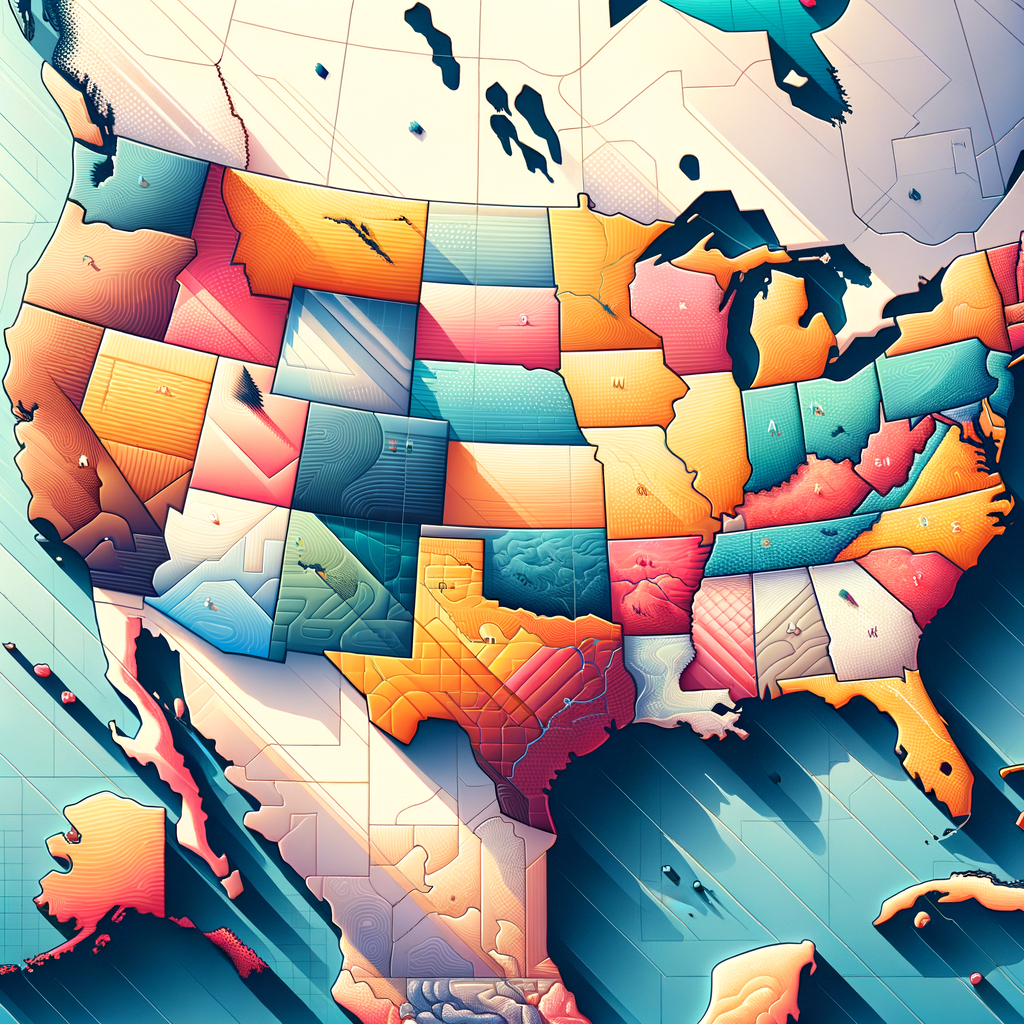
The political landscape of the United States is marked by significant regional differences, shaped by historical, economic, cultural, and demographic factors. These variations manifest in the political ideologies and party affiliations predominant in different areas. Understanding these regional political nuances is crucial for comprehending the broader political dynamics of the U.S., especially in the context of national elections and policymaking. From the conservative South to the liberal Northeast, these differences influence political strategies, voter behavior, and policy outcomes. This article explores the regional political differences across the United States, delving into the historical roots, key characteristics, and contemporary implications of these variations. By examining regions such as the Northeast, South, Midwest, and West, we gain insight into the diverse political fabric of the country.
The political climate in the United States is a tapestry woven from the threads of history, culture, and geography. While national trends often dominate the headlines, regional political patterns reveal a deeper, more nuanced picture of the nation’s ideological divides. These differences are evident not only in presidential and congressional election outcomes but also in state-level politics and local governance. Moreover, as demographic shifts continue to occur, understanding these regional distinctions becomes increasingly important for political parties, policymakers, and citizens alike. By exploring these regional political differences, we aim to shed light on the complex interplay of factors that contribute to the unique political identity of each area, ultimately enhancing our understanding of the United States as a whole.
Northeast
The Northeast, often referred to as the birthplace of American democracy, is characterized by its liberal political orientation. This region includes states like New York, Massachusetts, Pennsylvania, and New Jersey, which have consistently leaned Democratic in presidential elections. The Northeast’s political climate is influenced by several factors, including its history of industrialization, high levels of urbanization, and diverse population. The presence of major cities such as New York City and Boston contributes to the region’s progressive outlook, as urban areas tend to support liberal policies on social issues, healthcare, and education.
Historically, the Northeast has been a stronghold for labor unions and progressive movements, advocating for workers’ rights and economic equality. This legacy continues today, with many Northeastern states implementing policies that reflect these values, such as raising the minimum wage and expanding healthcare access. Additionally, the region’s emphasis on higher education, with numerous prestigious universities, fosters an environment that prioritizes innovation, research, and progressive social policies. As a result, the Northeast is often at the forefront of championing environmental protection, LGBTQ rights, and immigrant rights.
South
In stark contrast, the Southern United States is known for its conservative political leanings. This region, comprising states like Texas, Florida, and Georgia, has a unique political culture rooted in its history of agriculture, states’ rights, and traditional values. The South has been a Republican stronghold in recent decades, with many states consistently voting for Republican presidential candidates. However, it is worth noting that parts of the South, particularly in metropolitan areas, are experiencing demographic changes that are gradually shifting the political landscape.
Religious conservatism plays a significant role in Southern politics, with many voters prioritizing issues such as opposition to abortion, gun rights, and limited government intervention. The influence of evangelical Christianity is particularly strong, shaping the region’s social and cultural attitudes. Additionally, the South’s historical context, including the legacy of the Civil Rights Movement, continues to impact its political outlook. Issues related to race, such as voting rights and criminal justice reform, remain pivotal in Southern political discourse. Despite these challenges, the South’s growing urban centers and increasing diversity present opportunities for political shifts in the future.
Midwest
The Midwest, often referred to as the “Heartland,” presents a more mixed political landscape, with states like Ohio, Michigan, and Wisconsin frequently classified as battlegrounds in national elections. The region’s political identity is shaped by its industrial history, agricultural base, and strong community values. While the Midwest holds a reputation for being politically moderate, the region has experienced significant political shifts in recent years, partly due to economic changes and demographic trends.
Manufacturing and agriculture have historically been economic mainstays, influencing political priorities such as trade policies, agricultural subsidies, and worker rights. The decline of manufacturing jobs has led to economic uncertainty, contributing to a sense of disenfranchisement among some Midwestern communities. This discontent has manifested in support for populist candidates promising economic revitalization and job creation. Meanwhile, issues like healthcare access, education, and environmental protection remain at the forefront of Midwest politics.
The Midwest is notable for its political pragmatism, with voters often prioritizing practical solutions over strict ideological adherence. This approach is evident in the region’s willingness to elect leaders from both major parties, as seen in the shift from Democratic strongholds in the industrial regions to Republican gains in recent elections. As such, the Midwest continues to be a crucial political battleground, with its influence extending beyond regional concerns to national policy debates.
West
The Western United States encompasses a diverse array of political cultures, ranging from the liberal coastal states of California and Oregon to the more conservative interior regions. The West is characterized by its dynamic and evolving political landscape, shaped by its expansive geography, economic diversity, and demographic shifts. This region has experienced rapid growth and transformation, driven by the tech industry, immigration, and changing social values.
California, as the most populous state, wields significant political influence and is a key driver of progressive policies at both the state and national levels. Issues such as climate change, technology, and healthcare are prominent, reflecting the region’s innovative and forward-thinking mindset. The state’s diversity also plays a central role in shaping its inclusive social policies, particularly related to immigration and LGBTQ rights.
In contrast, the interior Western states, such as Idaho and Wyoming, maintain more conservative political orientations. These areas prioritize issues like land use, resource management, and states’ rights, often advocating for limited federal intervention. The region’s vast public lands and natural resources are central to its economy, leading to political debates over environmental regulations and energy policies.
As the West continues to grow in population and economic significance, its political influence is expanding. The region’s dynamic nature ensures that its political landscape will remain an area of interest and a source of innovative policy solutions.
Conclusion
The political differences across various regions of the United States are deeply rooted in historical, cultural, and economic contexts, contributing to the nation’s diverse political identity. Each region’s unique characteristics influence its political leanings, party affiliations, and policy priorities. Understanding these regional distinctions is essential for grasping the broader political dynamics of the country, especially as demographic shifts and economic changes continue to reshape the political landscape.
The Northeast, with its liberal inclination, continues to champion progressive policies, while the South maintains its conservative values rooted in tradition and religion. The Midwest, as a political battleground, reflects the complexity and evolving nature of American politics, balancing industrial heritage with pragmatic solutions. The West, with its vibrant and diverse political culture, remains a beacon of innovation and inclusivity.
Recognizing and appreciating these regional political differences allows for a more comprehensive understanding of the United States’ political system. It highlights the importance of addressing regional concerns in national policymaking and underscores the need for political strategies that consider the varied perspectives across different parts of the country. As the U.S. continues to evolve, these regional distinctions will play an integral role in shaping the nation’s political future, presenting both challenges and opportunities for political leaders and citizens alike.
Frequently Asked Questions
1. What are the main regional political differences in the U.S.?
The United States is a country with a vast landscape and diverse population, resulting in distinctive regional political differences that have evolved over time. Broadly speaking, the Southern states, also known as the Bible Belt, tend to lean conservative, with a strong emphasis on traditional values, evangelical Christianity, and Republican Party affiliation. The Northeastern states, on the other hand, are generally more liberal, prioritizing progressive policies related to social issues, and having a strong Democratic presence. The Midwest, also known as America’s Heartland, has a mix of conservative rural areas and some liberal urban centers. Meanwhile, the Western states, particularly the Pacific Coast with states like California, Oregon, and Washington, are known for their progressive stances and environmental consciousness. The variability in regional political ideologies can often influence the outcome of national elections and can be instrumental in shaping the legislative landscape of the country.
2. How have historical events shaped regional political differences in the U.S.?
Historical events have profoundly shaped the political identity of various American regions. For instance, the legacy of the Civil War and the Reconstruction era significantly influenced the Southern states, leading to a long-standing tradition of conservative politics. Post-Civil Rights Movement, many Southern Democrats switched allegiances to the Republican Party, shaping what we see today as a Republican stronghold in the South. Similarly, the Northeast’s political leanings have historical roots stemming from the industrial revolution, immigration booms, and progressive Labor movement influences that favored Democrat ideals. Westernfrontier states, driven by innovation and tech, have developed a liberal outlook that supports progressive economic and environmental policies. Understanding these historical contexts is essential in appreciating why certain regions lean toward a particular political perspective.
3. Why do economic factors contribute to regional political differences?
Economic factors are central to shaping the political landscape of different U.S. regions. States with economies driven by agriculture and resource extraction, such as many Southern and Midwestern states, tend to support policies that favor businesses and limit regulation, aligning with conservative Republican views. Conversely, regions with diverse economies, including technology, finance, and services such as the Northeast and Pacific Coast, are inclined towards the Democratic Party, emphasizing regulation, labor rights, and investment in R&D. Changes in job opportunities and industry presence can also sway political allegiances. For example, areas suffering from industrial decline may have populations that feel disillusioned with federal policies, making them more susceptible to populist rhetoric. Economic factors are thus vitally linked to regional political identities, influencing voter preferences and party dominance.
4. How do cultural demographics impact regional political identity?
Cultural demographics play a pivotal role in sculpting the political character of U.S. regions. States with diverse populations, particularly along the East and West Coasts, often embrace inclusive, multicultural policies and support immigration, which align with Democratic principles. Cultural events, educational institutions, and historical roots further play into how regions define their political stance. The South’s deep-rooted evangelical Christian values find expression in conservative politics, favoring policies that resonate with traditional family values and often eschewing progressive social change. The Midwest’s cultural identity, with a blend of rural and urban influences, might see political leanings shift with demographic changes. This variation in cultural makeup can influence everything from policy preferences, party affiliation to voter turnout.
5. How do regional political differences affect national elections?
Regional political differences are a key factor in national elections, as they determine the political composition of the Electoral College and Congressional representation. Swing states, those with no overwhelming partisan lean, often become the battlegrounds where regional political identities and preferences can tip the scale during presidential elections. These differences also dictate campaign strategies, where candidates tailor their messages to resonate with regional values and priorities, influencing policy-making platforms and debates. Moreover, Senate and House elections are profoundly affected by these regional variations. States that consistently vote for one party influence national party strategies, resource allocation, and legislative agendas. Ultimately, understanding regional political differences is essential for engaging with the broader complexities of national governance and democracy in the U.S.