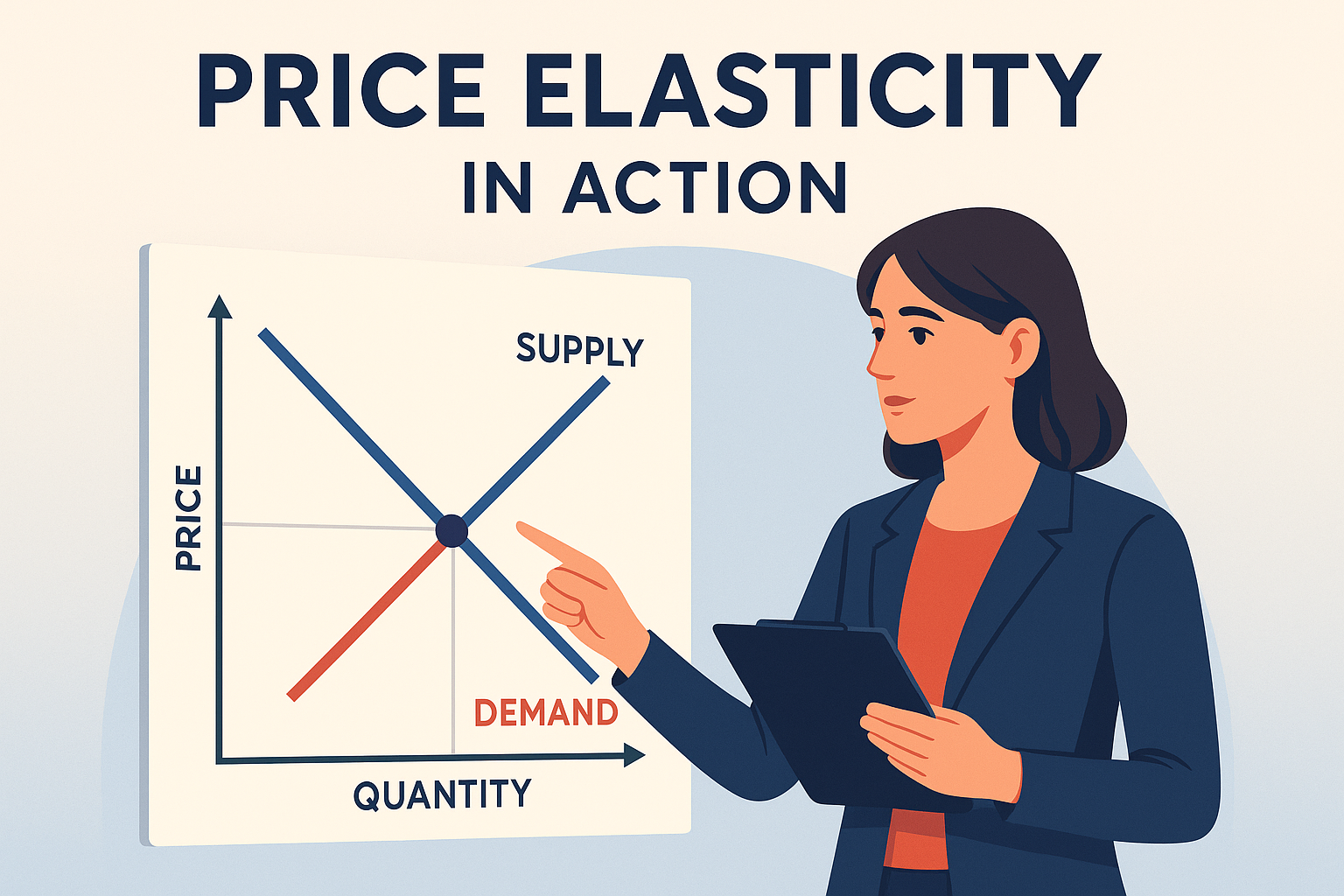
Price elasticity is a fundamental concept in economics that describes how the quantity demanded of a product changes in response to changes in its price. Understanding price elasticity is crucial for businesses, policymakers, and consumers as it influences pricing strategies, taxation policies, and spending behavior. In this article, we will explore what price elasticity is, why it matters, and examine specific examples of elastic and inelastic products to see this economic principle in action.
Price elasticity of demand can be categorized into two main types: elastic and inelastic. A product is considered elastic if a small change in price leads to a significant change in the quantity demanded. Conversely, a product is inelastic if changes in price have little effect on the quantity demanded. The degree of elasticity is determined by various factors, including the availability of substitutes, necessity, and the proportion of income spent on the product.
Understanding elasticity is essential for businesses aiming to optimize pricing, maximize revenue, or maintain market share. For consumers, it helps in making informed purchasing decisions. For policymakers, insights into elasticity inform effective taxation and subsidy strategies. Let’s delve into the specifics of elastic and inelastic products, offering real-world examples to illustrate these concepts.
The Concept of Elastic Products
Elastic products are those where a change in price causes a significant change in the quantity demanded. This elasticity indicates that consumers are highly responsive to price changes. Typically, products that are considered non-essential and have readily available substitutes fall into this category. Consumers can easily switch to alternatives if the price rises, which reflects high sensitivity to price shifts.
Example: Luxury Goods
Luxury goods such as high-end vehicles, designer clothing, or gourmet food items serve as prime examples of elastic products. When the price of a luxury car increases significantly, potential buyers may either postpone the purchase or consider different brands or models. Luxury items are often seen as discretionary spending, and when faced with higher prices, consumers can easily adjust their buying habits or defer purchases altogether.
Example: Restaurant Dining
Dining out is another example of an elastic product. If a favorite restaurant raises its prices significantly, patrons might choose to eat at home or explore more affordable dining options. The availability of numerous eateries ensures that consumers have alternatives, enhancing the elasticity of restaurant dining.
The Dynamics of Inelastic Products
In contrast, inelastic products are those where price changes have little impact on the quantity demanded. Such products are often necessities, with few or no close substitutes, causing consumers to purchase them regardless of price fluctuations.
Example: Prescription Medication
Prescription medications are typically inelastic because they are essential for health and well-being. Patients cannot easily substitute a required medication, making them less sensitive to price changes. Even if the cost of a necessary drug rises, patients are likely to continue purchasing it, reflecting the inelastic nature of pharmaceuticals.
Example: Basic Utilities
Basic utilities such as electricity, water, and gas also exhibit inelastic demand. Households and businesses rely on these utilities daily, and even significant price increases might not deter consumption. The necessity of these services ensures that their demand remains relatively stable, irrespective of price changes.
| Product Type | Elasticity | Example |
|---|---|---|
| Luxury Goods | Elastic | High-end Vehicles |
| Restaurant Dining | Elastic | Casual Dining |
| Prescription Medication | Inelastic | Chronic Illness Drugs |
| Basic Utilities | Inelastic | Electricity |
Factors Affecting Elasticity
Several factors influence whether a product is elastic or inelastic. One key factor is the availability of substitutes. Products with many substitutes tend to be more elastic. Another factor is the necessity of the product; essential goods often demonstrate inelastic demand. Additionally, the proportion of income spent on a product can affect its elasticity. Products that consume a large portion of a consumer’s budget are generally more elastic than those that consume less.
Example: Public Transportation
Public transportation provides an interesting example where elasticity can vary. In urban areas with an extensive network of routes and high convenience, demand may be inelastic because public transportation is vital for daily commutes. However, in regions with limited service or for people with alternative means of travel, such as cars or bikes, public transportation might be more elastic.
Practical Implications for Businesses and Policymakers
Understanding price elasticity allows businesses to make informed pricing decisions. For products with elastic demand, businesses might employ promotional strategies or discounts to increase sales volume. Meanwhile, firms dealing with inelastic products might focus on maintaining quality or improving service as pricing becomes less significant.
Policymakers also benefit from insights into elasticity. When imposing taxes, understanding whether a product is elastic or inelastic helps determine the potential impact on consumption. Taxes on inelastic products are more likely to generate stable revenue without drastically altering demand, whereas taxes on elastic goods might lead to reduced consumption, affecting overall tax revenue.
Example: Taxation on Tobacco
Tobacco products often face heavy taxation, and their demand is considered relatively inelastic since addiction limits the willingness of users to reduce consumption dramatically. Policymakers exploit this inelasticity to generate substantial tax revenue while also aiming to curb usage for health reasons. However, understanding the elasticity allows them to balance revenue goals with public health objectives effectively.
Summary and Call to Action
In summary, the concept of price elasticity is pivotal in economics, influencing the behavior of consumers, businesses, and policymakers. Elastic products are sensitive to price changes, often encompassing non-essential or luxury items with many substitutes. Conversely, inelastic products are essential goods where price changes have little effect on demand.
For businesses, comprehending elasticity is critical for developing pricing strategies, maximizing profits, and enhancing competitiveness. For consumers, awareness of elasticity can guide smarter purchasing decisions, while policymakers leverage these insights for effective fiscal policies.
As a reader, consider examining your personal or business expenditures and pricing strategies through the lens of price elasticity. Identify which items in your inventory or budget fall into elastic or inelastic categories and think about how this understanding can influence your decisions moving forward.
By mastering the intricacies of price elasticity, you can make more informed decisions, align with market dynamics, and foster better outcomes in both commercial and personal financial planning. Dive deeper into this topic, and use elasticity insights to drive your strategies to new heights.
Frequently Asked Questions
1. What is price elasticity, and why is it important?
Price elasticity is a significant economic measure expressing how the quantity demanded of a product reacts to price adjustments. It encompasses two primary categories: elastic and inelastic demand. When demand is elastic, a small price variation results in a substantial change in the quantity demanded. Conversely, inelastic demand means that price alterations have minimal impact on demand. Understanding this concept is pivotal for businesses, policymakers, and consumers. For businesses, it aids in setting strategic prices to maximize revenue. Policymakers use it for setting effective taxation policies, predicting potential impacts on sales, and understanding consumer behavior following tax changes. Additionally, consumers, perhaps unknowingly, leverage it to make informed purchasing decisions, opting for alternatives if prices rise for elastic products.
2. Can you give examples of elastic products, and why their demand is sensitive to price changes?
Elastic products are generally those with readily available substitutes or that are not necessities. Examples include luxury goods like designer handbags, electronic devices, and certain fashion items. The demand for these items is sensitive to price modifications because consumers can easily choose not to purchase or switch to alternatives if a price rise occurs. For instance, if the price of a specific brand of smartphone increases, consumers might opt for a different brand offering similar features at a lower price. This substitution option makes their demand elastic, as it is highly responsive to price changes. Similarly, if the price of a particular luxury car model increases, potential buyers might reconsider and opt for another make or model offering similar attributes at a more affordable price point.
3. What characteristics define inelastic products, and can you provide examples?
Inelastic products are typically those that are necessities, have fewer substitutes, or where the product’s price constitutes a small proportion of a consumer’s income. Classic examples include essential commodities like water, gasoline, and basic food items such as bread and eggs. Despite price increases, the demand for these items remains relatively constant because consumers need them for daily living, and few alternatives exist. For instance, despite fluctuating gas prices, people still need to fuel their vehicles for commuting and other essential travel. Similarly, essential medications often display inelastic demand since consuming them is critical for health, and substitutes might not have the same effectiveness. These examples illustrate how inelastic products maintain consistent demand even amid price shifts.
4. How do businesses use knowledge of elasticity to set pricing strategies?
Businesses leverage an understanding of elasticity to craft pricing strategies that enhance profit margins and market share. For products with elastic demand, businesses might focus on competitive pricing and promotions to attract price-sensitive customers. They may lower prices to increase demand and maximize sales volume, capitalizing on elasticity. On the other hand, for inelastic products, businesses might employ a strategy of raising prices without losing customers, safeguarding revenue even in the face of higher prices. For example, a pharmaceutical company may adjust the pricing of a unique, life-saving drug understanding its inelastic nature, ensuring that increased prices do not significantly deter demand. Overall, businesses use elasticity knowledge as a tool to optimize their revenue and market presence by aligning price strategies with consumer behavior and market conditions.
5. How does price elasticity affect government taxation policies?
Price elasticity is a crucial consideration for governments in designing taxation policies, particularly excise taxes aimed at altering consumption behavior. For elastic goods, where consumers are price-sensitive, higher taxes intended to discourage consumption (such as on tobacco or sugary drinks) may be effective as they lead to reduced purchase quantities. Alternatively, an inelastic product, like gasoline, is less affected by price hikes, meaning even with increased taxes, consumption remains relatively steady. This inelastic nature ensures consistent tax revenue despite raised prices. Policymakers must carefully evaluate elasticity when imposing taxes to balance revenue generation with desired behavioral outcomes, such as encouraging healthier lifestyle choices or environmental conservation through reduced consumption of certain goods.