
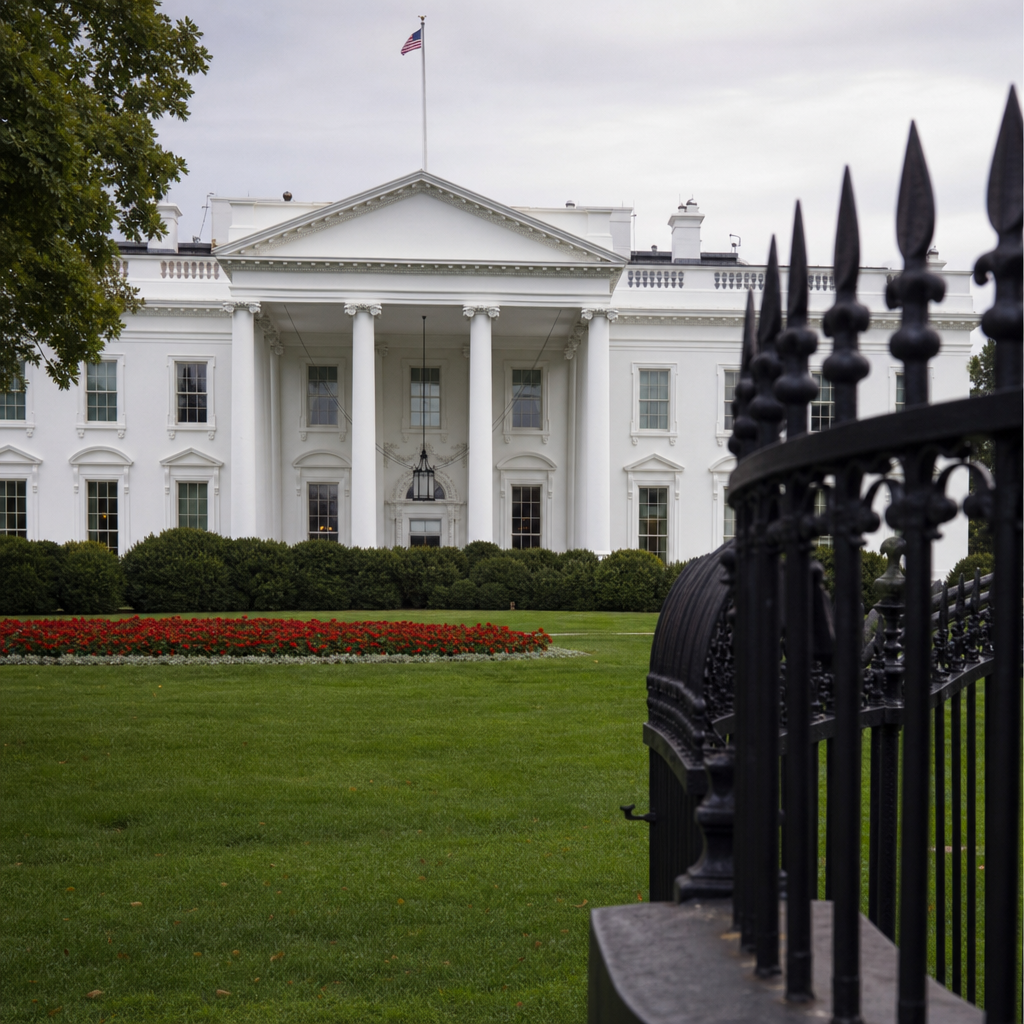
OIRA sits at the center of modern federal rulemaking, yet many students of AP Government and Politics encounter its influence long before they learn its name. The Office of Information and Regulatory Affairs, housed within the Office of Management and Budget in the Executive Office of the President, reviews significant federal regulations before agencies can publish them. In practical terms, OIRA is the White House checkpoint for many major rules on air pollution, workplace safety, health insurance, financial reporting, transportation, privacy, and dozens of other policy areas.
To understand OIRA, start with three key terms. A regulation is a binding rule issued by an executive agency under authority delegated by Congress. Rulemaking is the process agencies use to propose, revise, and finalize those rules under the Administrative Procedure Act. Regulatory review is the presidential oversight process that examines whether a proposed rule is lawful, consistent with administration policy, supported by evidence, and worth its expected costs. I have worked through agency rulemaking dockets and OIRA review logs, and the pattern is clear: agencies may draft the substance, but OIRA often shapes timing, analytical rigor, and political feasibility.
Why does this matter? Because OIRA helps determine how campaign promises become governing choices. A president who wants stricter climate standards, looser immigration paperwork, stronger consumer protections, or narrower business compliance burdens often relies on agencies to act. OIRA reviews those actions, asks hard questions, requests revisions, and sometimes sends rules back. Supporters see that as quality control and democratic accountability. Critics see it as a bottleneck that can dilute agency expertise or delay urgent protections. Either way, if you want to understand how the White House reviews federal regulations, you need to understand OIRA.
This article serves as a hub for the broader AP Government and Politics “Misc” area because OIRA connects multiple recurring themes: separation of powers, bureaucratic discretion, presidential control, judicial review, interest group access, and the limits of administrative government. It also links naturally to related topics such as executive orders, the federal bureaucracy, independent agencies, cost-benefit analysis, notice-and-comment rulemaking, and the courts’ role in reviewing agency action. Once you grasp OIRA, many scattered pieces of modern government fit together more clearly.
What OIRA Is and Why It Exists
Congress created OIRA in 1980 through the Paperwork Reduction Act, originally focusing on information collection and paperwork burdens. Over time, presidents expanded its role through executive orders, especially Ronald Reagan’s Executive Order 12291 and Bill Clinton’s Executive Order 12866, which still structures much of regulatory review today. Later orders from Barack Obama and Joe Biden refined priorities, emphasizing public participation, distributional effects, retrospective review, and modernized regulatory analysis. The core idea remained stable: major agency rules should receive centralized review inside the White House before they take effect.
OIRA’s institutional location matters. Because it sits within OMB, and OMB sits within the Executive Office of the President, OIRA can coordinate among agencies while reflecting presidential priorities. If the Environmental Protection Agency proposes an emissions rule that affects the Department of Energy, the Department of Transportation, and the Council of Economic Advisers, OIRA can pull those perspectives together. That coordination function is one reason presidents of both parties have kept OIRA powerful. It prevents agencies from operating as isolated silos and helps the White House maintain a coherent regulatory agenda.
In plain terms, OIRA exists to ask several questions before a major rule moves forward. Is the agency acting within statutory authority? Does the rule solve a real problem? Are the benefits likely to justify the costs? Have alternatives been considered? Does the rule conflict with another agency’s approach? Is the timing politically and administratively realistic? Those questions may sound technocratic, but they are deeply political because the answers affect who pays, who benefits, and how aggressively the federal government acts.
How the OIRA Review Process Works
Most significant rules reach OIRA after an agency has drafted regulatory text and prepared supporting analysis, often including a Regulatory Impact Analysis for economically significant actions. The agency submits the package to OIRA, which begins an interagency review. Analysts examine the rule, circulate it to relevant offices, gather comments, and hold meetings with agency staff and outside stakeholders. Under Executive Order 12866, review is generally supposed to conclude within ninety days, though extensions and delays occur. Once review ends, OIRA may clear the rule, clear it with changes, or return it for reconsideration.
In practice, the process is more iterative than many textbooks suggest. Agencies usually talk with OIRA before formal submission, especially for controversial rules. I have seen rules evolve through several rounds of informal edits before the clock even officially starts. That pre-review stage matters because agencies know what objections are likely to arise. By the time a rule appears on OIRA’s public dashboard, many strategic choices about costs, legal theory, exemptions, and implementation dates may already have been negotiated inside the executive branch.
Review applies most clearly to “significant” regulatory actions, especially rules with an annual economic effect of $100 million or more, serious policy implications, or major interagency consequences. Not every guidance document or routine technical amendment gets the same scrutiny. Still, the boundaries can be contested, and agencies sometimes disagree with OIRA about whether a matter deserves central review. During crises, such as the COVID-19 pandemic, timing pressures can compress normal procedures, but OIRA does not disappear; it adapts to emergency conditions while still serving as the White House review hub.
| Stage | What Happens | Why It Matters |
|---|---|---|
| Agency drafting | Agency writes proposed rule, legal justification, and economic analysis | Creates the record that OIRA and courts will examine |
| Submission to OIRA | Agency sends the package for centralized review | Starts formal White House oversight for significant rules |
| Interagency review | OIRA gathers comments from affected agencies and White House offices | Prevents conflicts and aligns rules with presidential priorities |
| Outside meetings | Stakeholders can request meetings with OIRA during review | Provides access, but also raises questions about influence |
| Conclusion | OIRA clears, changes, or returns the rule | Determines whether and how the rule proceeds to publication |
Cost-Benefit Analysis and the Substance of Review
The most famous part of OIRA review is cost-benefit analysis. For major rules, agencies estimate expected benefits and costs, compare alternatives, and explain why the chosen approach is justified. Benefits may include fewer deaths, lower injury rates, cleaner air, reduced fraud, or time saved by consumers. Costs may include equipment upgrades, reporting burdens, compliance staff, reduced output, or delays in market entry. OIRA does not simply total numbers on a spreadsheet; it tests assumptions, discount rates, baseline scenarios, and whether quantified effects omit important realities that cannot be priced easily.
For AP Government students, the key point is that cost-benefit analysis is not value-neutral. If an agency uses a high discount rate, future benefits look smaller in present terms, which can weaken support for climate or infrastructure rules. If it counts co-benefits, such as reduced particulate pollution from carbon controls, a rule may appear more valuable. If an agency struggles to monetize dignity, fairness, privacy, or ecological resilience, those interests can be undervalued. OIRA’s influence therefore extends beyond procedure into the substance of policy choices.
Real-world examples show the stakes. Vehicle emissions standards, mercury regulations, overtime rules, net neutrality actions, student loan servicing requirements, and bank capital rules have all involved disputes over analytical methods, legal risk, and implementation burdens. During one administration, a stricter interpretation of regulatory costs could slow new protections; under another, broader attention to equity and long-term benefits could support stronger action. OIRA is not an independent court. It is an executive branch office applying presidential priorities through administrative review.
Transparency, Politics, and Criticism
OIRA publishes review information, meeting logs, and return letters, which gives the public at least a partial view of the process. That transparency is meaningful. Researchers, journalists, and advocacy groups routinely check review timelines to see whether a promised rule is moving, stalled, or revised. If a labor rule sits at OIRA for months, unions and employers notice. If a public health standard suddenly clears after a long delay, reporters often ask what changed. These records make OIRA one of the more observable sites of White House influence over bureaucracy.
Still, transparency has limits. Much of the negotiation happens through calls, emails, draft edits, and interagency exchanges that ordinary citizens never see in full. Critics argue that well-funded business groups can use OIRA meetings to gain disproportionate access, especially because they can hire specialized regulatory lawyers and economists. Public interest groups also meet with OIRA, but they often have fewer resources. Defenders respond that centralized review improves consistency, catches weak analysis, and reduces the risk that agencies will issue poorly designed rules that later fail in court.
Another criticism is delay. Agencies charged with environmental protection, workplace safety, or consumer finance may believe a problem demands quick action, while OIRA pushes for more analysis or broader consultation. Delay can effectively become a policy choice. A rule not issued before an election, litigation deadline, or statutory target may lose momentum or become vulnerable to reversal. Yet speed has tradeoffs. Rules rushed without a strong record can be struck down as arbitrary and capricious under the Administrative Procedure Act. OIRA’s best defense has always been that careful review can make rules sturdier as well as smarter.
OIRA in AP Government: Big Themes and Related Topics
OIRA is especially useful in AP Government because it bridges abstract concepts and current events. It illustrates how the presidency extends influence beyond speeches and vetoes into administrative control. It shows that bureaucracy is not purely neutral expertise; agencies operate within a chain of political accountability. It highlights delegated authority, since Congress writes statutes that agencies interpret and implement. It connects to interest groups because outside organizations lobby both agencies and OIRA. It also ties directly to judicial review, because courts evaluate whether final rules are reasoned, lawful, and supported by the administrative record.
As a hub topic, OIRA points students toward several related subtopics in AP Government and Politics “Misc.” First is notice-and-comment rulemaking, the process by which agencies publish proposed rules, collect public comments, and issue final rules. Second is executive orders, since presidents use them to shape regulatory priorities and review standards. Third is independent regulatory commissions, which occupy a more complicated relationship with presidential control than cabinet agencies do. Fourth is the nondelegation debate and the major questions doctrine, both of which affect how aggressively agencies can regulate. Fifth is congressional oversight, appropriations, and hearings, which can pressure both agencies and the White House.
The simplest way to remember OIRA is this: Congress authorizes, agencies draft, the White House reviews, the public comments, and courts check legality. That formula is not perfect, but it captures the flow of modern governance. If you are studying bureaucratic politics, federal regulations, or presidential power, OIRA is not a side issue. It is one of the clearest examples of how law, economics, and politics meet inside the administrative state.
OIRA matters because federal regulations shape daily life, and OIRA helps decide which rules move, change, or stall before the public ever sees a final version. The office reviews significant agency actions, coordinates interagency disputes, tests legal and economic analysis, and aligns rulemaking with presidential priorities. For supporters, that means better oversight, more consistency, and stronger rules. For critics, it can mean delay, reduced agency autonomy, and unequal access for powerful stakeholders. Both views capture part of the truth, which is why OIRA remains one of the most consequential and contested institutions in Washington.
For AP Government and Politics, learning OIRA pays off across multiple units. It clarifies how the federal bureaucracy works, how presidents control administration, how interest groups seek influence, and how courts evaluate agency decisions. It also provides a practical framework for understanding news about climate rules, labor standards, healthcare mandates, banking oversight, and technology regulation. When a headline says the White House is reviewing a rule, OIRA is usually the place to look.
The main benefit of understanding OIRA is that it turns a confusing rulemaking story into a readable process. Instead of seeing regulations as obscure paperwork, you can see the sequence of authority, analysis, politics, and review that produces real policy outcomes. Use this article as your hub, then continue into connected topics like rulemaking, executive orders, independent agencies, cost-benefit analysis, and judicial review to build a complete picture of modern American government.
Frequently Asked Questions
What is OIRA, and where does it fit in the federal government?
OIRA stands for the Office of Information and Regulatory Affairs. It is a small but highly influential office housed within the Office of Management and Budget, which itself is part of the Executive Office of the President. That location matters because it places OIRA close to the White House and gives it an important coordinating role in the federal rulemaking process. While individual agencies such as the Environmental Protection Agency, the Department of Labor, or the Department of Health and Human Services draft regulations within their areas of expertise, OIRA reviews many of the most important proposed rules before they are released to the public.
In practice, OIRA serves as a central checkpoint for significant federal regulations. Its staff examines whether an agency has adequately explained the problem it is trying to solve, whether the rule is consistent with the president’s policies, whether the agency has considered costs and benefits, and whether the proposal overlaps or conflicts with actions by other agencies. Because of this role, OIRA is often described as the White House’s regulatory review office. For students of AP Government and Politics, OIRA is a key example of how presidential influence extends beyond speeches and executive orders into the everyday machinery of administration.
What does OIRA actually do when it reviews a federal regulation?
When OIRA reviews a regulation, it does not usually write the rule from scratch. Instead, it evaluates the agency’s draft and supporting analysis before the agency can move forward with publication. The review often focuses on so-called “significant” regulations, especially those expected to have large economic effects or major policy consequences. OIRA looks closely at whether the agency has identified a real policy problem, supported its decisions with evidence, and considered alternatives that might achieve the same goal at lower cost or with fewer unintended consequences.
Another major part of OIRA’s job is coordination. Federal agencies do not operate in isolation, and one agency’s rule can affect another agency’s programs, budget priorities, or statutory responsibilities. OIRA can bring agencies together to resolve disputes, align policy goals, and avoid contradictory federal actions. It also reviews regulatory impact analyses, which estimate a rule’s likely costs, benefits, and broader consequences. In that sense, OIRA is not just a legal checkpoint; it is also a policy and management review office that helps ensure major regulations reflect both agency expertise and broader presidential priorities.
Why is OIRA considered so important in modern rulemaking?
OIRA is important because federal regulations can shape huge areas of national life, from clean air standards and workplace safety protections to health insurance rules, consumer finance requirements, and transportation policy. Agencies may possess the technical expertise to craft these rules, but OIRA provides a central layer of presidential oversight. That makes it one of the most powerful institutions in the administrative state, even though it is much less well known than Cabinet departments or the Supreme Court.
Its importance also comes from timing. OIRA reviews many major rules before they are published, which means it can influence policy at a stage when changes are still possible. A draft rule may be revised, delayed, or returned to the agency for further work. That gives OIRA leverage over the substance of regulation, not just its presentation. For students trying to understand how government actually works, OIRA shows that policymaking often happens through review, negotiation, and internal executive branch processes rather than only through headline-grabbing acts of Congress. It is a reminder that the presidency exercises power not only through public leadership but also through control over administrative procedure.
Does OIRA have the power to block or change agency rules?
OIRA does not replace the agency as the formal rulemaking authority, but it can have a major effect on whether and how a rule moves forward. If OIRA raises serious concerns about a draft regulation, the agency may need to revise its analysis, narrow the rule, justify its approach more clearly, or coordinate with other agencies before publication. In some cases, rules are delayed for substantial periods while disagreements are worked out. In others, OIRA may return the draft to the agency for reconsideration. So while the agency remains the legal author of the regulation, OIRA’s review can shape the final product in meaningful ways.
This influence comes less from dramatic vetoes and more from institutional position. Because OIRA is part of the Executive Office of the President, its review reflects presidential management of the executive branch. Agencies are expected to take that review seriously. Critics sometimes argue that this can slow down urgent protections or inject politics into technical decisions. Supporters respond that centralized review improves accountability, consistency, and analytical rigor. Both views capture part of the reality: OIRA is powerful not because it openly legislates, but because it sits at a strategic point where law, policy, economics, and presidential authority intersect.
Why should AP Government students care about OIRA?
AP Government students should care about OIRA because it helps explain how the federal bureaucracy is connected to presidential power. Textbook discussions often separate the branches of government too neatly, but OIRA shows how the executive branch is internally structured to give the president influence over administrative agencies. If you want to understand how rules are made in the real world, it is not enough to know that Congress passes statutes and agencies enforce them. You also need to understand the review process inside the White House, where major regulatory decisions are examined before they become public proposals or final rules.
OIRA also matters because it illustrates several core AP Government themes at once: bureaucracy, executive control, policy implementation, political accountability, and the balance between expertise and democratic oversight. A rule about air pollution, worker safety, or health coverage may look like a technical agency action, but OIRA reminds students that such decisions are often tied to broader presidential agendas and interagency politics. Learning about OIRA gives students a more realistic picture of the administrative state and helps them see federal regulation not as a mechanical process, but as a contested and deeply political part of American government.