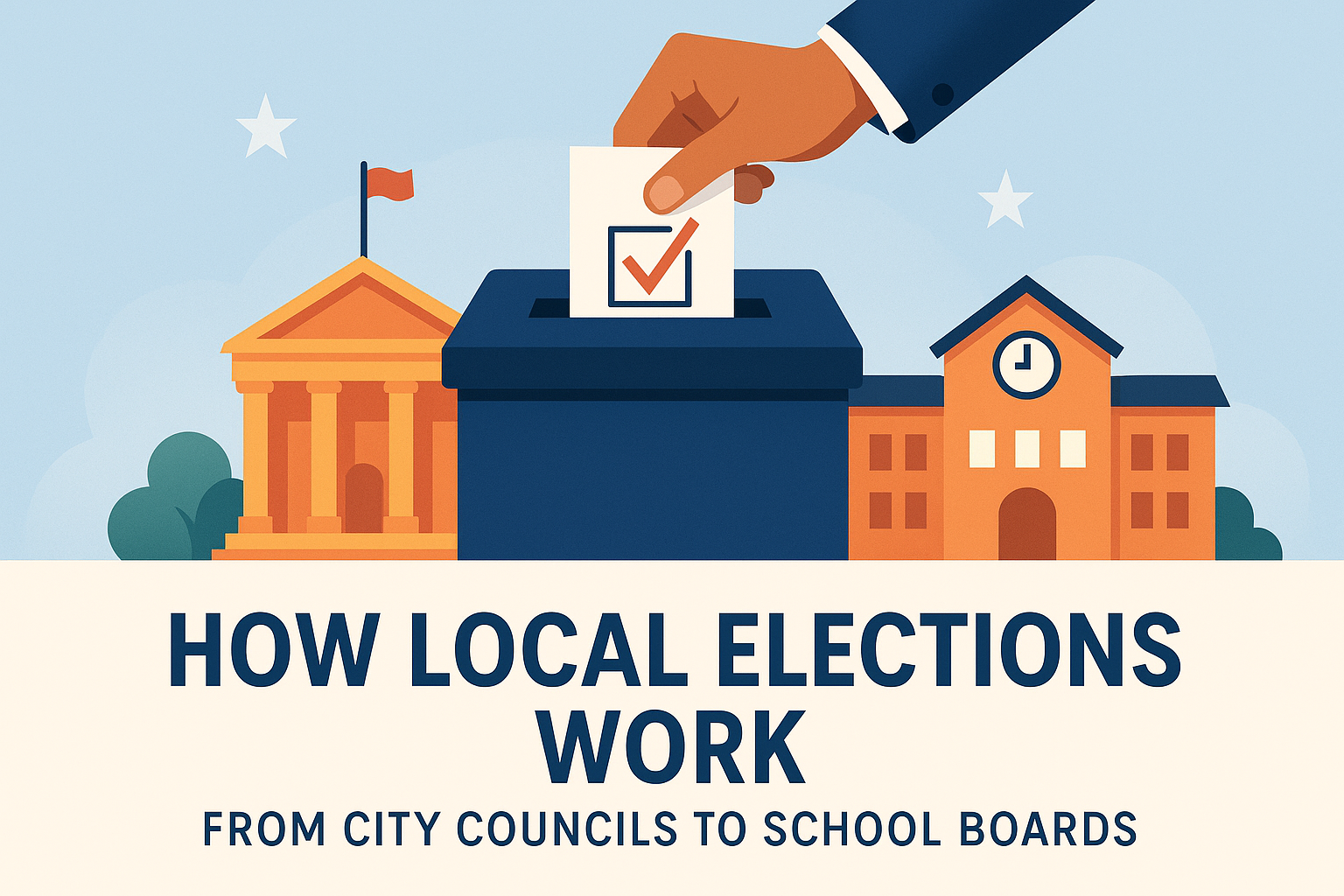
Introduction to Local Elections
Local elections play a crucial role in shaping the communities we live in. While national elections tend to garner more attention, the decisions made in local elections often have a more direct impact on our daily lives. But what exactly are local elections, and why should we care? Simply put, local elections are held to elect officials to various positions within local government structures. These can range from city councils and mayors to school boards and sheriffs.
The significance of these elections lies in their proximity to the electorate. Unlike national or state elections, which can seem distant and sometimes abstract, local elections determine who handles your road maintenance, directs local law enforcement, decides school curricula, and even manages your water supply. The key terms here include “city council,” which is the legislative body of a city, “mayor,” who serves as the executive authority of a city, and “school board,” which is the governing body for the local school district.
Understanding local elections is essential because they provide an opportunity for citizens to influence decisions that directly affect their quality of life. By voting in these elections, residents can shape policy in areas such as public safety, school quality, and urban development. Furthermore, participating in local elections strengthens democratic practices and civic engagement, promoting a more responsive and accountable system of government.
City Councils: The Legislative Backbone of Localities
City councils are the primary legislative bodies at the local level. Typically, they are comprised of elected council members who represent specific districts or are elected at-large. The council is responsible for passing ordinances, approving budgets, and setting policies on a wide array of municipal issues.
A real-world example of the influence of city councils can be seen in New York City, where the City Council plays a vital role in the governance of the nation’s largest city. The council decides on significant issues such as housing, public safety, and urban planning. It was the New York City Council that approved the budget for community policing initiatives, leading to a reduction in crime rates in recent years.
City councils generally operate through a system of committees that focus on specific areas such as health, education, and transportation. This structure allows for more thorough discussions and informed decision-making on local policy matters. Understanding the operations and significance of city councils can empower citizens to engage more effectively with their local representatives and advocate for issues they care about.
Mayoral Elections: Choosing the Local Executive Leader
Mayors serve as the executive heads of city governments. Their role varies significantly depending on their city’s charter, but typically, they are responsible for executing the laws and ordinances passed by the city council, ensuring public safety, and managing city departments.
Taking the case of Chicago, the mayoral election is a pivotal event in the city’s political landscape. The mayor of Chicago wields substantial influence over budget allocations, municipal appointments, and policy direction. For instance, Mayor Lori Lightfoot has been instrumental in implementing police reform and addressing systemic issues like public transportation and education in the city.
The importance of mayoral elections cannot be overstated, as the individuals elected to this position often set the vision and priorities for the city. Knowing the candidates’ platforms and past performance is crucial for voters wanting to make informed choices that align with their hopes for their community’s future.
School Board Elections: Shaping Educational Policy
School boards are perhaps the most impactful yet overlooked entities in local governance. Elected school board members oversee public school districts, determining how funds are allocated, setting academic standards, and shaping educational policy.
A powerful example of school board impact occurred in Los Angeles, where the school board’s decision to ban sugary drinks in school cafeterias set a precedent that was followed by schools across the nation. This decision not only influenced student health in Los Angeles but also spurred a national conversation about nutrition in schools.
The members of a school board must collaborate with educators, parents, and administrators to ensure that the educational needs of the community are met. Being involved in school board elections empowers communities to demand accountability, advocate for necessary changes, and support initiatives that will improve educational outcomes for students.
County Elections: The Broader Scope of Local Governance
County elections are broader than city or school board elections, yet they remain local in nature. County governments typically manage services that extend beyond city lines, such as public health, transportation infrastructure, and regional land use.
In Harris County, Texas, county elections have routinely influenced regional policy. The Commissioners Court, which operates akin to a county board of supervisors, makes crucial decisions on issues like flood control, law enforcement funding, and public health programs. Notably, it played a significant role in responding to the COVID-19 pandemic by implementing comprehensive public health measures.
County elections have the power to influence not only immediate localities but also the surrounding regions. By participating in these elections, voters can help guide the direction of policy for large numbers of people living within a county’s jurisdiction.
Visualizing Local Election Structures
| Level of Government | Position | Main Responsibilities |
|---|---|---|
| City | Mayor | Executes city laws and policies, oversees city departments |
| City | City Council | Passes ordinances, approves budget, sets city policies |
| County | Commissioner | Oversees county services and budgets |
| School | School Board Member | Determines educational policies, approves budget for schools |
Understanding the Impact of Local Law Enforcement Elections
Local law enforcement positions, such as sheriffs, are also often filled through elections. Sheriffs play crucial roles in setting law enforcement priorities, jail management, and overall public safety in their respective jurisdictions.
In Maricopa County, Arizona, the election of Sheriff Paul Penzone marked a significant shift in law enforcement style, with a focus on community policing and reducing racial profiling. This election underscored the power voters have in shaping policing strategies and law enforcement accountability.
The role of a sheriff is of critical importance, especially in areas where law enforcement practices face scrutiny. Voter engagement in sheriff elections is fundamental to ensuring that law enforcement agencies reflect the values and expectations of the communities they serve.
The Role of Ballot Initiatives and Referendums
In addition to electing officials, local elections often include ballot initiatives and referendums. These allow voters to directly participate in creating or repealing laws and policies.
An illustrative example is California’s Proposition 13, which was passed in a 1978 voter referendum, drastically cutting property taxes and influencing how educational and municipal services are funded. This initiative has significantly shaped California’s fiscal policy and spurred debates on tax reform and public funding that continue today.
Ballot initiatives and referendums provide a powerful tool for citizens to craft policies that directly affect their lives, emphasizing the importance of understanding each measure and its potential impact. Engagement in these processes allows citizens to express their views on key issues directly, bypassing the legislative process to initiate change.
Conclusion: Empowering Communities Through Local Elections
The landscape of local elections—from city councils to school boards and beyond—is critically important to understanding how our communities operate and thrive. Participation in these elections ensures that the voices of citizens are heard on the issues that affect their everyday lives. Key takeaways from this discussion include the diverse roles that different local offices play, the significance of ballot initiatives and referendums, and the direct impact these elections can have on policy and governance.
For individuals seeking to make a difference in their community, the next step is to become informed about local election processes and the candidates running for office. Attending town hall meetings, researching candidate platforms, and understanding upcoming ballot measures are effective ways to engage. By proactively participating in local elections, citizens can drive meaningful change in their communities and help build accountable and responsive local governments.
By demystifying this crucial aspect of our democratic system, we hope this article encourages more informed and active participation in local governance. Now is the time to get involved, learn about the candidates and issues, and ultimately, make your voice heard.
Frequently Asked Questions
1. What are local elections, and why are they important?
Local elections are opportunities for residents to vote for officials who make crucial decisions affecting their day-to-day lives within their communities. These elections can include positions like city council members, mayors, school board officials, and others who oversee local policies and administration. While national elections often dominate the media spotlight, local elections are incredibly important because they determine who will make decisions that impact everything from public safety and local education to property taxes and municipal services. Local officials enact policies that can affect schools, infrastructure, and local ordinances, directly influencing how communities operate and develop. By participating in these elections, voters have a direct hand in shaping the immediate environment around them, potentially making immediate differences in quality of life, education quality, and community services. Therefore, local elections are foundational to participatory democracy, highlighting the significance of staying informed and participating actively in them.
2. What positions are typically elected during local elections?
The positions elected during local elections can vary greatly depending on the area, but generally, they include key roles such as city council members, mayors, county officials, and sometimes judges or district attorneys. One critical position often elected in local races is that of school board members, who are responsible for making important decisions regarding local public education policies, budgets, and school management. In addition, roles such as sheriffs, who enforce law and order, and other city administrative positions may also be on the ballot, all of which significantly influence how local government functions. Each role typically comes with specific responsibilities, directly affecting everything from zoning laws and public transportation to health care services and community development projects.
3. How do city councils work, and what is their role?
City councils serve as the legislative bodies of cities, towns, or municipalities, representing the residents and local interests in decision-making processes. They are usually composed of elected officials who work collaboratively to pass ordinances, approve budgets, and establish policies that guide the operation and development of their communities. City councils engage in reviewing and debating proposed city regulations, addressing constituent concerns, and ensuring that the city’s needs are met through effective governance. Their goal is to enhance the quality of life for all residents by balancing economic growth, public safety, and community services. City councils serve as a critical link between the electorate and the executive functions of local government, making them vital in how local plans and policies are implemented.
4. What does a school board do, and why is it significant?
A school board is a group of elected officials who oversee the management and functioning of a local school district. They bear significant responsibility for setting educational policies, approving curriculum and budgets, hiring superintendents, and ensuring regulatory compliance. They play a crucial role in shaping the educational landscape by making decisions that influence school culture, academic goals, and resource allocation. The board’s actions can directly impact teacher contracts, student-to-teacher ratios, inclusion policies, and even school safety protocols. Therefore, electing knowledgeable and committed school board members is essential as they contribute significantly to defining the educational quality and opportunities available to students. Engaging with school board elections enables community members to voice their educational priorities and advocate for the change they wish to see in local schools.
5. How can community members engage with and impact local elections?
Community engagement in local elections can be incredibly rewarding and impactful. First, it’s essential for residents to become informed about the candidates and issues that will appear on their ballots. This involvement can be achieved by attending town hall meetings, educational forums, or participating in discussions hosted by local media outlets. Another key step is voter registration; ensuring that you are registered early helps streamline the voting process on election day. Beyond voting, community members can volunteer for campaigns or advocacy groups, contribute to discussions on social media and community platforms, and encourage friends, family, and neighbors to participate in elections. Engaging in these activities facilitates higher voter turnout and a more informed electorate, which can lead to meaningful changes and improvements within the community. Additionally, many local governments hold public meetings where residents can directly voice their opinions or concerns, further driving accountability and transparency in local governance. Community involvement ensures that elected officials are representative and responsive to the needs of the public they serve.