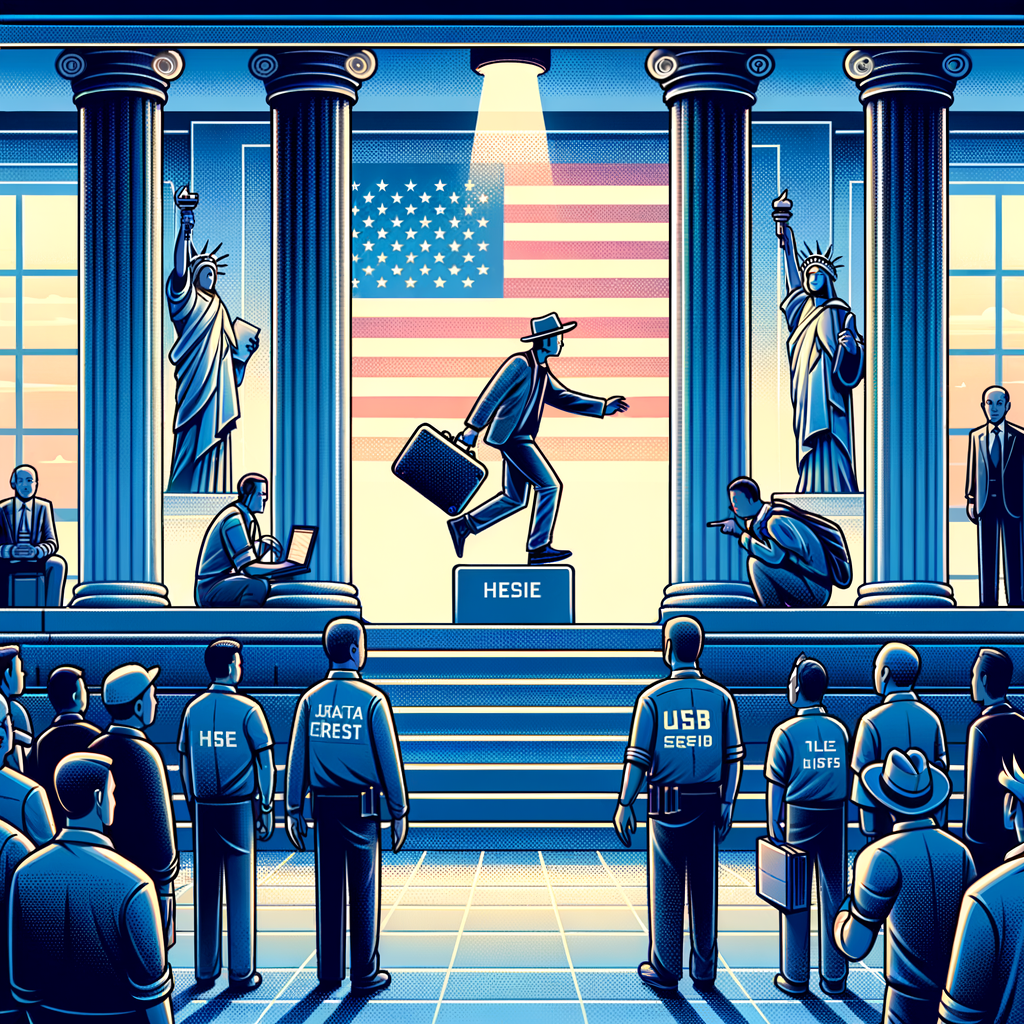
Immigration has played a crucial role in molding the political landscape of the United States, impacting every dimension of American political culture. With its history as a nation primarily forged by immigrants, the U.S. has continually navigated the complex dynamics that come with integrating diverse populations. Political attitudes, policies, national identity, and cultural shifts reflect the ongoing dialogue surrounding immigration. This conversation has become even more pertinent given recent developments in the political arena. As of late, the American political climate has been significantly influenced by policies under President Joe Biden and further intensified by the return of Donald Trump to the presidency in his second term. Examining how these two administrations have shaped immigration policy is essential to understanding how immigration continues to influence the broader spectrum of American political culture.
Currently, the United States faces a spectrum of challenges and opportunities relating to immigration. The discourse involves matters such as border security, asylum processes, workforce implications, and economic contributions by immigrant communities. But beyond practical implications, immigration stirs debates about national identity, human rights, and global responsibility. These issues intertwine with political ideologies and voting behaviors, making immigration a central pillar in the political fabric of America. To fully appreciate how immigration shapes American political culture, one must delve into policy shifts, evaluate the political implications of these shifts, and understand their impact on society’s perception of newcomers.
The Political Landscape Under Different Administrations
The approach to immigration under the Biden administration marked a substantial departure from the policies set by his predecessor, Donald Trump, during Trump’s first term. Biden’s presidency aimed at reversing many of the rigid stances on immigration that had characterized Trump’s administration from 2016 to 2020. This recalibration sought to emphasize humane treatment, comprehensive immigration reform, and the restoration of programs such as Deferred Action for Childhood Arrivals (DACA). Biden’s administration also focused on creating pathways to citizenship for undocumented immigrants. By prioritizing family unification and increasing refugee admissions, Biden aimed to illustrate a more compassionate and inclusive vision for America’s immigration policies.
In contrast, Trump’s initial term focused heavily on strict border enforcement and reducing immigration numbers. His policies prominently featured the construction of a border wall between the U.S. and Mexico, stringent measures on asylum seekers, and a travel ban for individuals from certain predominantly Muslim countries. These actions reflected an emphasis on national sovereignty and security concerns. Trump’s rhetoric often highlighted the perceived risks of unchecked immigration, which resonated with a substantial segment of the American electorate concerned about cultural dilution and economic competition.
The fluctuating nature of immigration policy between these two administrations underscores the polarization in American political culture. Where Trump campaigned on a platform of “America First,” positioning immigration as a matter of national security, Biden’s policies aimed to reconcile these concerns with humanitarian values and the economic necessity of immigration. These differences illustrate a core division in political values and the ideological battle lines that have defined recent elections.
Immigration Under Trump’s Second Term
Trump’s return to the presidency has brought a reinvigoration of his prior immigration agenda. Significant emphasis has been placed on completing the border wall, enhancing the technological surveillance of borders, and eroding sanctuary city protections. These policies have been bolstered by a robust legal apparatus designed to expedite deportations and tighten the legal criteria for asylum. Trump’s renewed emphasis on a restrictive immigration policy also extends to employment sectors. Stricter visa regulations for foreign workers continue to shape the business landscape, impacting industries reliant on immigrant labor, such as agriculture and technology.
Moreover, Trump’s approach heavily leverages executive orders to bypass congressional gridlock, utilizing these tools to quickly implement changes within the immigration system. His administration highlights these measures as crucial steps to safeguard American jobs and security, emphasizing a sovereign approach to border management. This political viewpoint resonates with a significant voter base that perceives immigration as a zero-sum equation, where the gain of immigrants is seen as a loss for native-born citizens.
In his second term, Trump has also proposed merit-based immigration, seeking to shift preferences towards immigrants with desirable skills that could directly contribute to the economy. This approach reflects a vision of immigration as a benefit-driven relationship, contrasting with the more humanitarian perspectives advocated by his predecessors. This policy aligns with conservative philosophies that prioritize economic productivity and self-sufficiency among immigrants.
Impact on American Political Culture
The varied approaches to immigration by different political administrations contribute to evolving national political sentiments and cultural values. Each policy stance not only affects those directly impacted by immigration laws but also influences broader political and ideological divides within American society. Political culture in the U.S. is characterized by its diversity of opinions, and immigration has become a bellwether for broader ideological positions.
On one side, immigration is seen through the lens of opportunity, enriching the social and cultural tapestry of the nation. Proponents argue for inclusive policies, emphasizing the contributions of immigrants to economic vitality and cultural innovation. They highlight stories of immigrant success as emblematic of the American dream. Biden’s policies resonate with these narratives, garnering support from liberal constituencies who prioritize social justice and diversity.
Conversely, opponents of expansive immigration policies argue for limitations on newcomers, underscoring the potential strain on resources, identity cohesion, and security. This perspective is deeply rooted in a narrative that associates national identity with security and cultural continuity. Trump’s policies cater to these views, appealing to constituents who stress traditionalism and sovereignty. These entrenched positions reflect deeper cultural conflicts about what it means to be American.
Immigration continues to be a defining factor in electoral politics, influencing voter alignment and party platforms. Democrats often champion more inclusive immigration reforms, considering them integral to broadening their voter base and addressing demographic shifts. Republicans, particularly under Trump, have often leveraged stricter immigration stances to solidify their appeal to conservative and rural communities. The ongoing immigration debate underscores the intricate dance between policy, public sentiment, and political strategy.
Conclusion
Immigration remains a multifaceted component of American political culture, its influence enduring and dynamically shifting with each political administration. Under both Biden and Trump, immigration has served as a lightning rod for deeper political, economic, and cultural discussions about the very essence of American identity. While Biden’s tenure reflected a possible shift towards a more inclusive approach, Trump’s second term affirms a return to more stringent, security-oriented policies.
This ongoing dialogue is indicative of broader societal changes and challenges. The policies implemented by these administrations hold profound implications for America’s future—a future where the politics of immigration will continue to sway electoral outcomes, dictate party dynamics, and shape the cultural narrative. As America progresses, the immigration debate will undoubtedly remain central to its political discourse, continually reshaping its political culture.
Thus, a comprehensive understanding of how immigration policies affect American political culture is not only pertinent for political scientists and policymakers but also crucial for citizens who wish to engage fully with the political process. In a nation marked by its diversity, the ability to reconcile different perspectives on immigration remains a testament to the robustness of American democracy, a democracy continually evolving in the face of new challenges and opportunities.
Frequently Asked Questions
1. How has immigration historically influenced American political culture?
Immigration has been a fundamental component in shaping American political culture throughout history. The United States, often called a “melting pot,” was built by diverse groups of immigrants bringing their own cultural, religious, and political ideas. These influences have significantly shaped the American identity, helping to establish the values of democracy, liberty, and equality. For example, the influx of Irish and German immigrants in the 19th century influenced political movements such as the labor rights movement, while immigrants from southern and eastern Europe in the early 20th century played crucial roles in the development of cities and industrial growth. The integration of these diverse backgrounds has continuously forged and remodeled the nation’s political landscape, contributing to the rich tapestry of American life that encompasses varied perspectives, which in turn informs policy-making and national dialogue.
2. In what ways does immigration impact American political policies today?
Today, immigration continues to impact American political policies significantly. It is a major topic in political debates, influencing legislation and policy-making regarding border control, healthcare, education, and labor laws. The political discourse around immigration shapes party platforms, with different parties often taking distinct stances on how immigration should be managed. This topic affects everything from fiscal budget allocations to social services, as policymakers work to balance the economic benefits that immigrants bring, such as filling critical labor shortages and contributing taxes, against the complexities of managing legal status and integration. Changes in immigration policy can also affect foreign relations, as agreements and negotiations with other countries are influenced by immigration standards and practices. Moreover, state and local governments tailor policies to address their unique demographic challenges and opportunities related to immigrant communities.
3. How do immigrants contribute to the political attitudes and ideology in the U.S.?
Immigrants contribute significantly to American political attitudes and ideologies, bringing distinctive viewpoints and experiences that enrich national debates. Cultural diversity introduces new ideas, values, and political perspectives that influence everything from local community activism to national policy discussions. Many immigrant communities form influential voting blocs that can sway election outcomes, prompting political parties to address diverse issues pertinent to these groups, such as immigration reform, civil rights, and economic equality. Additionally, immigrant participation in the political process, through advocacy and leadership roles, helps to highlight and address the rights and needs of minority groups, thereby broadening the policy agenda and encouraging inclusive governance. Their active involvement in the civic realm often promotes a spirit of inclusiveness, resilience, and innovation that reshapes historical narratives and supports the expansion of American democracy.
4. What role does immigration play in defining American national identity?
Immigration plays an integral role in defining American national identity, which is inherently characterized by its diversity and inclusivity. The narrative of America as a land of opportunity for people from all over the globe stems from its immigrant roots. This identity is continually reshaped as each new wave of immigrants contributes its unique cultural, social, and economic influences. The presence of diverse languages, religions, and traditions in American society illustrates the fluid nature of the national identity, which adapts over time while maintaining core democratic principles. Furthermore, American identity embraces ideals of self-reliance, innovation, and freedom, which are often bolstered by immigrant stories of perseverance and success. The ongoing conversation around what it means to be American encourages an evolving understanding of national identity that respects individuality while fostering collective unity.
5. How have recent immigration trends affected political discourse in the U.S.?
Recent immigration trends have significantly influenced political discourse in the United States, bringing issues related to immigration policy, border security, and integration to the forefront of national debate. With high-profile discussions on topics like the Deferred Action for Childhood Arrivals (DACA) program, refugee policies, and visa regulations, immigration remains a contentious subject often used to galvanize political bases and influence election outcomes. The complexities of modern migration patterns, including increases in refugee populations and visa overstays, challenge traditional policy approaches and spur discussions about comprehensive reform. Public opinion is deeply divided on these immigration issues, producing passionate arguments and societal rifts that underscore broader debates about human rights, economic impact, and the nation’s future direction. As political leaders navigate these trends, immigration continues to be a pivotal force shaping not just policies, but the broader cultural and political ethos of the country.