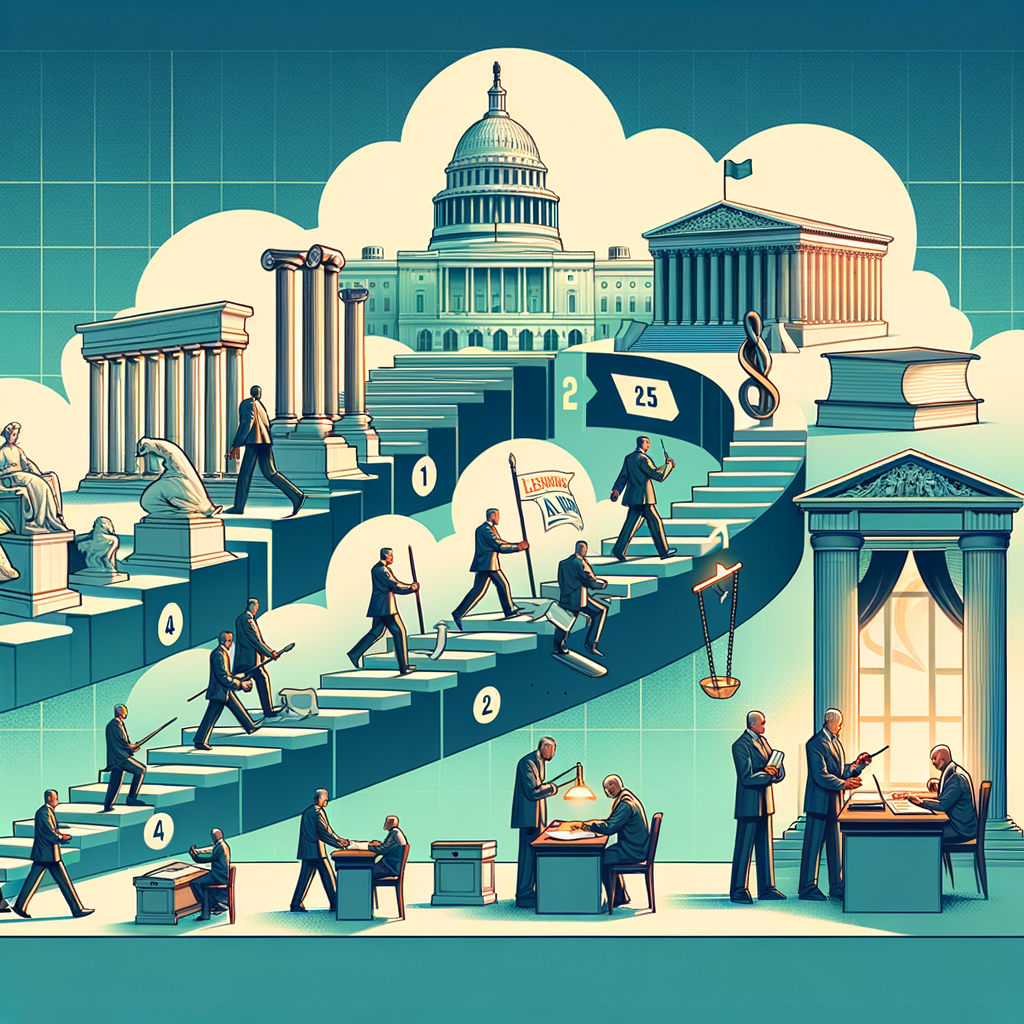
The journey of a bill becoming a law is at the heart of the legislative process in democratic systems. Understanding this process provides insights into how government functions and how citizens can engage in shaping the laws that govern them. While the specifics can vary between countries, the general procedure involves several key stages that a proposed piece of legislation goes through before it is enacted as law. This process is designed to ensure thorough scrutiny and debate, reflecting democratic principles of transparency, accountability, and representation. This article provides a detailed exploration of each stage, elucidating the intricacies of how a bill transforms into law.
The legislative process is fundamental in transforming societal needs and issues into actionable laws. It not only involves lawmakers but also requires input and feedback from the public, stakeholders, and various experts. Such a multifaceted process is critical in creating laws that are just, equitable, and effective. By engaging with this process, citizens can better understand their role in democracy and the impact legislative changes have on their daily lives. To fully grasp the importance and complexity of lawmaking, we must dissect each step meticulously, from the initial idea to the final enactment of a bill.
The Proposal Stage
The legislative process begins with the conception of an idea, which can originate from diverse sources such as legislators, constituents, interest groups, or the executive. This initial stage is crucial as it sets the foundation for legislative action. A bill’s proposal addresses a perceived issue, suggesting a new law or an amendment to existing laws. Proper research and consultation are essential at this juncture to ensure that the proposed bill effectively addresses the identified problem.
Once the idea is formed, a legislator, often a member of the lower house, formally introduces the bill. It is then assigned a unique identification number for tracking purposes. This initiation marks the start of the legislative path, as it becomes part of the official docket for consideration. This step is commonly referred to as the bill’s “first reading,” although it may not involve actual debate at this point.
Committee Review
After introduction, the bill is referred to the relevant committee(s) that specialize in the bill’s subject matter. Committees play a vital role as they focus on specific areas, providing specialized scrutiny that is crucial in a complex governing environment. The committee stage involves detailed examination and is critical in refining and evaluating the bill’s details and implications.
Committee members may conduct hearings where expert testimonies are presented. This process enables legislators to gather information and differing perspectives on the proposed legislation. Stakeholders, such as advocacy groups, industry representatives, and private citizens, might also contribute their insights, ensuring diverse viewpoints are considered. After deliberations, the committee may suggest amendments to the bill, approve it with changes, or reject it outright, which would halt its progress.
Debate and Voting in the First Chamber
If a bill passes the committee stage, it is then scheduled for debate in the full chamber where it was introduced, typically the lower house or assembly. Here, legislators engage in discussions that further scrutinize the bill’s merits and challenges. These debates are critical for transparency, allowing public access to lawmaking discussions and contributing to greater accountability.
Legislators express support or objections, and proposed amendments may also be debated. This stage ensures that each aspect of the bill is thoroughly considered, reflecting democratic principles where varying opinions are deliberated. Following debates, a vote is conducted. A simple majority is often required for the bill to progress, although different rules may apply depending on the legislative framework and the nature of the bill.
Consideration by the Second Chamber
Once a bill is approved by the first chamber, it is sent to the second chamber, where the process largely mirrors the first. The bill receives a first reading, potentially followed by referral to a committee for further study. This bicameral review is intended to provide an additional layer of scrutiny, which helps avoid hasty decisions and ensures broader representation in legislative processes.
In the second chamber, similar procedures of hearings, debates, and amendments take place. If the second chamber makes amendments to the proposed bill, it is typically sent back to the first chamber for concurrence. This back-and-forth process highlights the importance of collaboration and compromise in crafting laws that are balanced and fair. If both chambers reach an agreement, the bill moves to the next stage; otherwise, it may face revisions or be vetoed.
The Conference Committee
When there are discrepancies between the versions passed by both chambers, a conference committee is often convened to reconcile differences. This committee comprises members from both chambers, tasked with negotiating a compromise that aligns closely with the objectives of both sides. The conference committee plays a critical role in ensuring that legislation is coherent and acceptable to all parties involved.
After a consensus is achieved, the revised bill is sent back to both chambers for final approval. The bill must pass these final votes to move forward. This collaborative effort underscores the legislative process’s emphasis on consensus-building and the representation of diverse interests. Successful negotiation in the conference committee stage is pivotal for the enactment of unified legislation that articulates the intentions and compromises arrived at during negotiations.
Presidential or Executive Approval
Once both chambers agree on the final version of the bill, it is presented to the executive branch—usually the President or Prime Minister—for approval. This stage is a crucial checkpoint that involves executive scrutiny to ensure that the bill aligns with broader government policies and constitutional provisions.
The executive can either sign the bill into law or veto it. A signed bill becomes law and is deposited in an official registry. If vetoed, the bill returns to the legislative body, where further action depends on the jurisdiction’s constitutional law. In some systems, lawmakers can override a veto with a supermajority vote, reflecting a constitutional balance between branches of government.
Publication and Implementation
After receiving the executive’s signature, the new law is published in an official legal gazette or online portal, allowing citizens and officials to access its text and understanding its mandates. Publication ensures transparency, so all affected individuals are informed of the change and have the opportunity to adapt accordingly.
Next, the implementation phase begins, involving various government agencies responsible for enforcing the law. These agencies create regulations and guidelines to ensure that the law is applied consistently across the legislative jurisdiction. This stage may also include educating the public about the law’s implications and changes required for compliance. Administrative capacity strongly influences successful implementation, emphasizing the importance of good governance and efficient institutional frameworks.
Reassessment and Evaluation
Enacted laws are subject to ongoing reassessment and evaluation to ensure they achieve intended outcomes and address any unforeseen challenges. Legislative bodies, independent agencies, or external evaluators may carry out this evaluation. This ongoing process reflects the dynamic nature of society and governance, where laws may require adaptation to remain effective and relevant.
Evaluative processes typically involve data collection, analysis, and sometimes feedback from affected communities. Recommendations arising from evaluations can lead to further legislative amendments, highlighting the perpetual cycle inherent in the lawmaking process. Ensuring laws remain efficient and just involves continued oversight and commitment to progress and social equity.
Conclusion
The legislative process of transforming a bill into law involves numerous stages that encapsulate the complexity and nuance inherent in democratic governance. Each step—from initial proposal through to enactment and beyond—serves as a vital function ensuring that laws are well-considered, equitable, and effective. Understanding this journey allows citizens to engage more actively in their governance, advocating for measures that reflect the values and needs of their communities.
The importance of transparency, participation, and accountability is reflected throughout the legislative process, emphasizing the role of citizens, lawmakers, and executives in shaping law and policy. By familiarizing themselves with the intricacies of how a bill becomes a law, individuals gain the knowledge necessary to influence legislative outcomes positively, ensuring a society governed fairly and constructively.
The evolutionary nature of the legislative process reflects society’s changing needs and ambitions. As such, remaining informed and engaged with lawmaking is imperative for those wishing to contribute effectively to their communities and influence the direction of their legal and social framework. The ability to understand and navigate this process empowers individuals to advocate effectively for the legislation that shapes their world.