
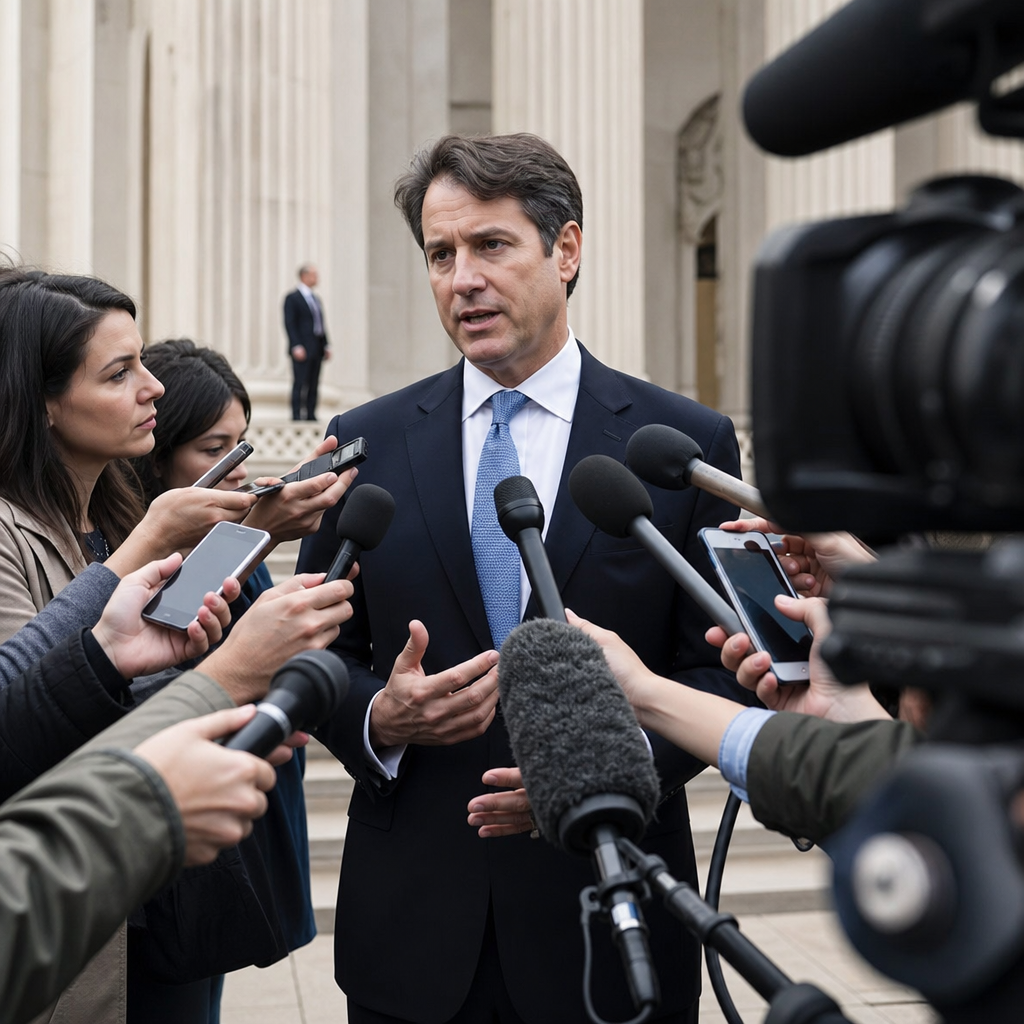
Framing, priming, and agenda-setting are three of the most important concepts in political communication because they explain how citizens come to see issues, judge leaders, and rank public priorities. In AP Government and Politics, these ideas often appear together, yet they describe different mechanisms. Agenda-setting is the process by which media, political elites, and institutions influence what the public thinks about. Framing is the process of shaping how an issue is presented, interpreted, and understood. Priming is the process by which exposure to certain issues changes the standards people use to evaluate politicians, parties, or policies. I have taught these concepts by pairing classic research with modern campaign examples, and students consistently grasp them faster when they are treated as connected but distinct tools of influence. They matter because modern politics is saturated with messages from cable news, social platforms, campaigns, government officials, and advocacy groups. Citizens rarely have time to investigate every issue independently, so the way information is prioritized and packaged affects democratic accountability. Understanding these mechanisms helps students analyze elections, public opinion, policymaking, and media effects with much more precision.
This hub article covers the full “Misc” side of political communication within AP Government and Politics by defining each concept, showing how they interact, and explaining where they appear in real political life. You will see how a topic reaches the public agenda, how language and visuals steer interpretation, and how repeated attention to selected problems changes the criteria voters use on Election Day. You will also learn the limits of media influence, including partisan filtering, selective exposure, and the growing role of algorithmic distribution. These terms are not abstract vocabulary. They are practical analytical tools for reading headlines, decoding campaign ads, evaluating presidential messaging, and understanding why some issues dominate public debate while others struggle for notice.
Agenda-Setting: How Political Attention Is Directed
Agenda-setting answers a basic question: why are some issues discussed constantly while others receive little attention? The central claim is not that media or elites tell people exactly what to think. Instead, they strongly influence what people think about. When news organizations devote sustained coverage to inflation, border security, abortion, or foreign conflict, those topics rise in perceived importance. In political science, this matters because public opinion about “the most important problem” often shifts with the flow of coverage and elite emphasis.
The classic logic came from Maxwell McCombs and Donald Shaw, whose Chapel Hill study during the 1968 election found a strong relationship between issue emphasis in the news and what voters said mattered most. That core finding still holds, although the media environment is far more fragmented today. A president can try to set the agenda through speeches, executive actions, and press briefings. Congressional leaders do it through hearings and floor votes. Interest groups do it through campaigns designed to attract journalists and mobilize supporters. In practice, agenda-setting is a competition for limited public attention.
Consider a modern example. During the COVID-19 pandemic, public health became a dominant agenda item across all levels of government. Daily briefings, hospitalization statistics, school closure debates, and vaccine policy kept the issue central. That visibility changed what citizens asked candidates, what reporters prioritized, and what legislators felt pressure to address. By contrast, policy areas with diffuse consequences, such as long-term pension reform or infrastructure maintenance, often struggle to command similar urgency unless a crisis or visible failure pushes them upward.
Framing: How Political Meaning Is Constructed
Framing explains how the same issue can be understood differently depending on language, context, imagery, and emphasis. A frame highlights certain aspects of reality while downplaying others. In campaign work and media analysis, I usually tell students to listen for the organizing idea behind a message. Is immigration framed as a humanitarian issue, a labor market issue, a rule-of-law issue, or a national security issue? Each frame cues different values, emotional responses, and policy preferences.
Framing matters because political disputes are often not only about facts but about interpretation. Tax cuts can be framed as economic growth, consumer relief, or benefits for high earners. Environmental regulation can be framed as public health protection or burdensome red tape. Protest activity can be framed as civic participation or disorder. The facts discussed may overlap, but the frame influences what audiences infer about causes, responsibility, fairness, and urgency.
One of the most studied examples is the contrast between describing policy choices in terms of losses versus gains. Research in behavioral science shows that people react differently when equivalent outcomes are presented as preventing losses rather than producing gains. In politics, that means a healthcare proposal described as “protecting coverage” may land differently than one described as “expanding government involvement,” even when discussing similar underlying provisions. Word choice is never trivial. It structures perception.
Priming: How Evaluative Standards Change
Priming occurs when repeated attention to certain issues changes the criteria citizens use to judge leaders and institutions. If media and elite discourse focus heavily on inflation, voters are more likely to evaluate an incumbent president through an economic lens. If the dominant conversation becomes foreign policy after an international crisis, leadership, stability, and command capacity may carry more weight than domestic policy details. Priming does not require persuasion on every issue. It works by changing what is top of mind when judgments are made.
This is why timing and repetition matter in campaigns. A candidate trailing on healthcare but leading on national security will try to keep security issues salient. An incumbent facing economic dissatisfaction may emphasize judicial appointments, infrastructure projects, or international successes to broaden the standards of evaluation. In my experience reviewing campaign messaging, effective priming is rarely a one-off event. It requires sustained repetition across speeches, advertising, interviews, and surrogate communication.
Priming also helps explain presidential approval patterns. Approval is not based on a complete checklist of everything a president has done. It is often anchored in the most visible and recently emphasized concerns. If natural disaster response dominates coverage, competence in emergency management can shape broader evaluations. If crime becomes highly salient, perceptions of order and safety may influence judgments even when the formal powers of federal officials are limited. Visibility shifts standards.
How Framing, Priming, and Agenda-Setting Work Together
These concepts are easiest to understand as a sequence. First, agenda-setting elevates an issue into public attention. Second, framing shapes how that issue is interpreted. Third, priming affects how the issue influences evaluations of leaders and institutions. The sequence is not always neat, but it is analytically useful. A school shooting, for example, can propel gun policy onto the public agenda. Competing actors then frame the event around gun access, mental health, school security, constitutional rights, or law enforcement failures. As coverage persists, voters may begin judging elected officials more heavily on their response to public safety and gun policy.
| Concept | Core Question | Main Effect | Typical Example |
|---|---|---|---|
| Agenda-setting | What issue gets attention? | Raises salience of a topic | Intense coverage makes inflation a top voter concern |
| Framing | How is the issue presented? | Shapes interpretation and meaning | Immigration presented as security versus humanitarian policy |
| Priming | What standard is used to judge leaders? | Changes evaluative criteria | Economic coverage leads voters to rate presidents mainly on prices and jobs |
For AP Government and Politics, this integrated view is especially useful because exam questions and classroom discussions often blend media effects with institutions, public opinion, and elections. Students who can identify the sequence can explain why the same event leads to different political outcomes under different communication conditions. They can also distinguish communication effects from actual policy change, which is an important analytical habit.
Who Sets the Political Agenda in the United States
No single actor controls the public agenda. Major legacy news outlets still matter because they provide original reporting and signal issue importance to other organizations. Presidents remain uniquely powerful agenda entrepreneurs because the office attracts automatic coverage. Congress can set the agenda through investigations, confirmations, budgets, and high-profile hearings. The Supreme Court can shift attention by taking major cases or issuing landmark decisions. Governors, mayors, party leaders, activists, and social media influencers also shape issue visibility, especially when they generate compelling visuals or conflict.
The rise of digital platforms changed distribution, not the underlying logic of competition for attention. A viral clip from a debate, a committee hearing, or a local protest can move from a niche audience into national coverage within hours. But algorithms reward engagement, and engagement often favors conflict, novelty, and emotion. That means agenda-setting today is partly institutional and partly platform-driven. An issue may rise because it is substantively important, because elites push it, or because platform dynamics amplify it.
Real-world examples show this mixed system clearly. Police reform surged after the killing of George Floyd because activists, cell phone video, national media, local protests, and official responses all reinforced one another. Student debt relief became more prominent through years of advocacy, campaign promises, executive action, and litigation. Election administration became unusually salient after 2020 because candidates, courts, state officials, and partisan media all elevated the topic. Public agendas are built through interaction, not simple top-down control.
Limits, Critiques, and the Modern Media Environment
These concepts are powerful, but they have limits. First, people are not blank slates. Prior beliefs, party identification, ideology, religion, education, and social networks filter messages. A frame that persuades one audience may fail with another because values differ. Second, selective exposure matters. Many citizens choose media sources that reinforce what they already believe. In a high-choice environment, the ability of any single outlet to set the agenda for everyone is weaker than it was in the broadcast era.
Third, real-world events can override communication strategy. Campaigns can try to emphasize preferred issues, but a recession, war, scandal, or natural disaster can instantly reorder public priorities. Fourth, frames compete. If one party calls a proposal “election integrity” and the other calls it “voter suppression,” audiences may split along partisan lines rather than converge on one interpretation. Finally, the line between news, opinion, and user-generated content is often blurred, which complicates causal claims about media effects.
Still, the concepts remain indispensable because they describe recurring patterns rather than universal laws. Political communication works through salience, interpretation, and evaluation. That framework helps explain everything from campaign ad strategy to presidential press operations to issue advocacy. It also helps students avoid simplistic claims that media “brainwash” the public. Influence is real, but it is conditional, contested, and mediated by institutions and audience characteristics.
How to Apply These Concepts in AP Government and Politics
For classwork, essays, and multiple-choice questions, the best approach is to tie each concept to a concrete political situation. If a prompt asks why voters suddenly rank crime as a top issue after extensive coverage, that is agenda-setting. If a question asks how a campaign ad presents a border issue as a matter of sovereignty rather than labor supply, that is framing. If a prompt asks why economic news changes how citizens judge an incumbent, that is priming. Naming the mechanism accurately is the first step toward stronger analysis.
It also helps to connect these concepts to related AP Government topics. Public opinion polls can measure issue salience. Political parties and interest groups try to shape frames. Elections reveal priming when one issue dominates candidate evaluations. Federal institutions influence attention through hearings, executive orders, and court decisions. Civil liberties and civil rights disputes often hinge on competing frames about freedom, equality, safety, or fairness. Once students see these links, political communication stops being an isolated unit and becomes a tool for interpreting the whole course.
Framing, priming, and agenda-setting give students a practical way to understand how political communication works in the United States. Agenda-setting determines which issues rise into public consciousness. Framing shapes what those issues mean. Priming affects how citizens evaluate officeholders when those issues dominate attention. Together, these concepts explain why public debate can change quickly, why the same facts can support competing narratives, and why campaigns fight so hard over language and visibility.
As a hub for the “Misc” side of AP Government and Politics, this page should anchor your understanding of media effects before you move into related articles on public opinion, elections, parties, interest groups, and institutions. The main benefit of mastering these ideas is analytical clarity. You stop treating political messages as random noise and start seeing the structure behind them: what is being elevated, how it is being presented, and why it may change voter judgment. Use that lens when reading headlines, watching debates, or analyzing campaign ads, and you will make stronger arguments in class and far better sense of American politics.
Frequently Asked Questions
What is the difference between agenda-setting, framing, and priming in political communication?
Agenda-setting, framing, and priming are closely related concepts, but they describe different ways political communication shapes public opinion. Agenda-setting refers to the process by which media organizations, political elites, parties, interest groups, and public institutions influence which issues people pay attention to. In simple terms, agenda-setting affects what the public thinks about. If news coverage repeatedly emphasizes inflation, immigration, health care, or foreign policy, those issues become more visible and are more likely to be seen as important by citizens.
Framing goes a step further by influencing how people understand an issue once it is already on the public agenda. A frame highlights certain facts, values, causes, or consequences while downplaying others. For example, immigration can be framed as an economic issue, a humanitarian issue, a national security issue, or a legal issue. Each frame encourages audiences to interpret the same topic through a different lens. Framing therefore shapes meaning, interpretation, and emotional response.
Priming focuses on the standards people use when evaluating political leaders, institutions, or policies. When communication repeatedly emphasizes specific issues, it can “prime” citizens to judge officials based on those issues. If the media consistently cover crime, voters may become more likely to evaluate a mayor or president according to perceptions of public safety. If coverage centers on unemployment, economic performance may become the key standard for judging political success. In short, agenda-setting influences issue salience, framing influences interpretation, and priming influences evaluation. Together, these concepts help explain why political communication has such a powerful role in democratic politics.
Why are framing, priming, and agenda-setting so important in AP Government and Politics?
These concepts matter in AP Government and Politics because they connect political institutions, public opinion, elections, and the media into one larger explanation of how democracy functions. Students often study them together because they show that political outcomes are not shaped only by laws, court decisions, or campaign platforms. They are also shaped by communication environments that affect what citizens notice, how they interpret information, and what criteria they use when making political judgments.
Agenda-setting is important because democratic politics depends heavily on attention. Government can address only a limited number of issues at a time, and voters also have limited time and information. As a result, the issues that dominate headlines, speeches, debates, and social media often become the issues people think government should prioritize. Framing is important because facts are rarely presented in a completely neutral way. The language used by journalists, candidates, activists, and officeholders can alter how the public understands a policy debate. Terms such as “tax relief,” “government spending,” “climate crisis,” or “border security” are not merely descriptive; they often signal a broader interpretive frame.
Priming matters because elections and public approval often turn on which issues are most prominent in people’s minds. A president may want voters focused on job growth, while opponents may want attention centered on inflation, scandals, or foreign conflict. This helps explain why campaigns spend so much effort trying to define what the election is “about.” In AP Government and Politics, these concepts are useful because they offer a practical framework for analyzing real political behavior. They help students understand why communication strategy is central to campaigns, why media coverage influences public priorities, and why the same event can produce different reactions depending on how it is presented.
How does agenda-setting actually influence public priorities?
Agenda-setting influences public priorities by repeatedly directing attention toward certain topics and away from others. Most citizens do not closely monitor every policy area, and very few have firsthand knowledge of every national problem. Because of this, they often rely on cues from news coverage, public officials, party leaders, advocacy organizations, and major institutions to determine which issues deserve concern. When an issue receives sustained and prominent attention, it becomes more salient, meaning people are more likely to remember it, discuss it, and rank it as important.
This process does not necessarily tell people what opinion to hold, but it strongly affects which problems they see as urgent. For example, if major media outlets lead with stories about a recession, layoffs, and consumer prices for weeks or months, economic concerns are likely to rise on the public agenda. If public attention then shifts to war, terrorism, or a public health emergency, those issues may quickly displace economic concerns as top priorities. Political elites play a major role here as well. Presidents, members of Congress, governors, and party leaders often try to elevate issues that benefit them politically or align with their policy goals.
Agenda-setting is especially powerful because issue attention is limited. The public cannot focus intensely on every topic at once, so visibility matters. The more often people encounter an issue in headlines, campaign ads, speeches, and online discussion, the more likely they are to conclude that it is one of the most important problems facing the country. In this way, agenda-setting helps structure the political environment by determining which issues dominate public debate and which remain in the background.
Can you give an example of framing and priming working together in an election or policy debate?
Yes. Imagine a presidential campaign during a period of rising inflation. Agenda-setting occurs when inflation receives extensive coverage from journalists, candidates, and party leaders, making it one of the main issues on the public agenda. Framing then shapes how inflation is understood. One side may frame inflation as the result of excessive government spending and failed executive leadership. Another side may frame it as a global supply-chain problem, corporate price behavior, or the aftereffects of international conflict. Both are talking about the same issue, but they are guiding citizens toward different interpretations of cause, responsibility, and possible solutions.
Priming enters when voters begin to evaluate the president primarily on the basis of inflation and broader economic conditions. Even if the administration has had success in other areas, constant attention to inflation can make economic performance the dominant standard by which the public judges leadership. This is what makes priming so politically significant: it affects the criteria voters use when deciding whether an official deserves support, criticism, reelection, or blame.
The same dynamic can happen with immigration, crime, health care, education, or foreign policy. For example, if crime is high on the agenda and is framed as evidence of weak leadership, voters may be primed to judge local or national officials by whether they appear capable of restoring order. If health care is framed as an issue of affordability and fairness, voters may be primed to evaluate candidates by their plans for access and costs. In real politics, these processes overlap constantly. Campaigns and media actors are not just competing over opinions; they are competing over attention, interpretation, and evaluation all at once.
Do framing, priming, and agenda-setting mean the media completely control public opinion?
No. These concepts show that communication can strongly influence public opinion, but they do not mean the media or political elites have unlimited power. Citizens are not passive recipients of information. People bring their own beliefs, partisan identities, values, life experiences, and social networks into the process of interpreting political messages. A frame that persuades one audience may fail with another. An issue that media outlets emphasize may still be ignored by citizens who do not trust those outlets or who care more about other concerns.
In addition, the modern media environment is highly fragmented. People get information from cable news, newspapers, podcasts, social platforms, influencers, campaign communications, and peer networks. Because audiences often choose sources that match their existing views, agenda-setting and framing effects may be uneven rather than universal. Political polarization also matters. Strong partisans are often more resistant to frames that challenge their side and more receptive to messages that reinforce prior beliefs.
Even so, these concepts remain powerful because they shape the context in which political thinking occurs. They influence which issues are visible, which narratives seem plausible, and which standards of judgment become politically important. Rather than imagining total control, it is more accurate to think of agenda-setting, framing, and priming as forms of influence that operate within a larger environment of competition, interpretation, and selective exposure. They do not erase citizen choice, but they do help explain why some issues dominate national debate, why political arguments are structured in particular ways, and why voters often evaluate leaders through certain issue lenses at specific moments in time.