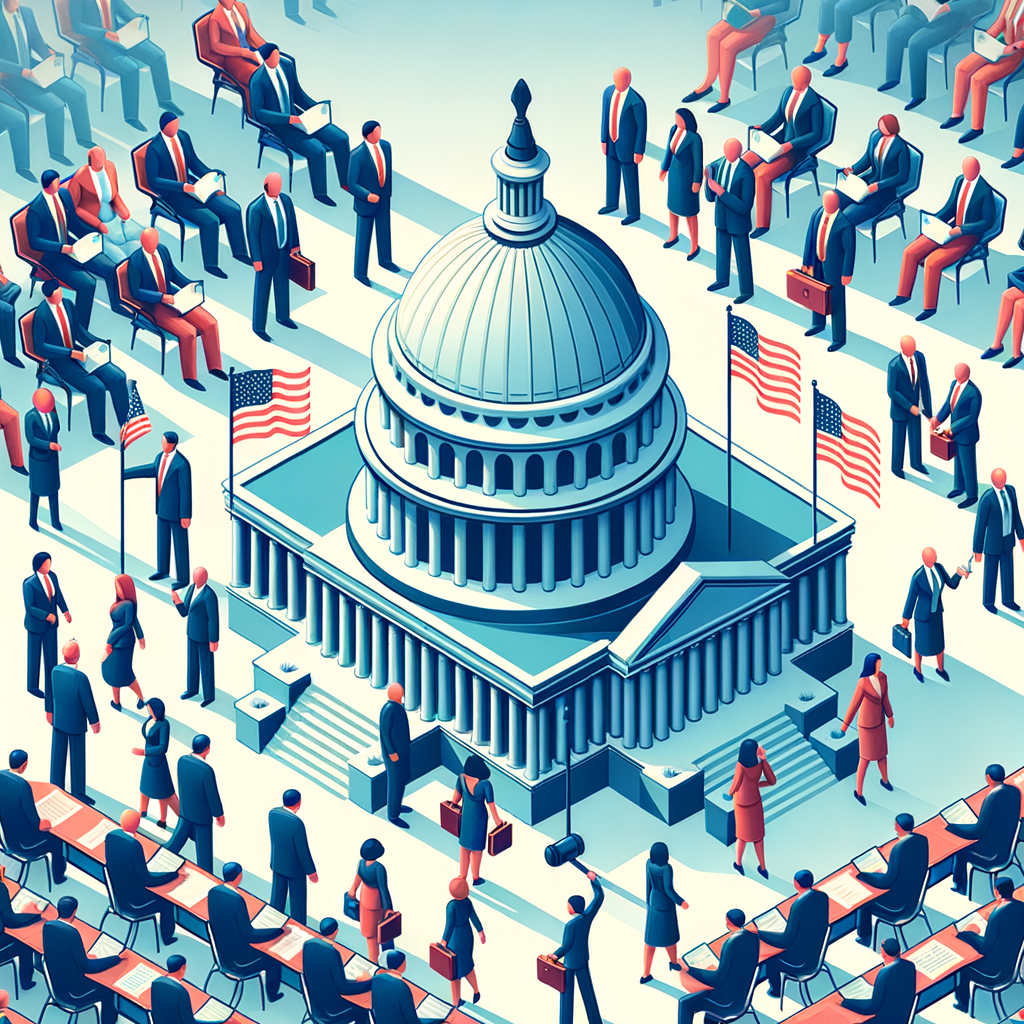
Congressional oversight is a fundamental part of the United States’ system of checks and balances, designed to prevent any single branch of government from becoming too powerful. Primarily, oversight is intended to ensure that the executive branch operates within the bounds of the law and effectively carries out its duties. This oversight is more than a procedure; it is a constitutional obligation anchored in the principles enshrined by the founding fathers. As complex as it may seem, it conveys a clear message that accountability and transparency in governance are paramount for a functioning democracy. While the Constitution outlines the powers of the legislative, executive, and judicial branches, congressional oversight is the unique and powerful tool Congress wields to monitor, influence, and even guide the activities of the executive branch. It comprises a set of activities, procedures, and often contentious politics blended with pragmatic governance, all ensuring that executive actions align with legislative intent.
Understanding how Congress carries out oversight over the executive branch requires exploring its multiple facets, including investigations, hearings, reports, appropriations, and the confirmation of presidential appointments. Each aspect of oversight functions as a building block of democracy, ensuring other powers remain checked. In its various forms, oversight not only includes examining the efficiency, transparency, and legality of executive actions but also plays a critical role in shaping public understanding and debate about governmental functions. This introduction will delve into these essential mechanisms of congressional oversight, illuminating the processes and significance that sustain the balance of power in the United States.
Mechanisms and Tools
Congressional oversight comprises a variety of mechanisms that Congress utilizes to check the executive branch. These mechanisms are as diverse as the policies and the governmental structures they are intended to oversee. Key among these are congressional hearings, investigations, and the power of the purse. Each serves a distinct yet intertwined purpose in ensuring that the executive functions effectively and within its authorized boundaries.
Hearings are often high profile, serving as a platform for public accountability as well as providing a venue for discussing national policies. Congressional committees hold hearings to collect information, scrutinize actions taken by the executive, and make assessments. Through hearings, both chambers of Congress, namely the House of Representatives and the Senate, have the opportunity to question and receive testimonies from executive officials, experts, and affected citizens. These proceedings often attract significant public and media attention, resulting in greater transparency and prompting reforms or adjustments in policies when necessary.
Investigations are more in-depth inquiries aimed at uncovering, scrutinizing, and understanding specific activities within the executive branch. These can stem from public concern, whistleblower reports, or suspicions of misconduct, corruption, inefficiency, or ineffectiveness. Investigations can lead to findings that cultivate legislative or administrative reforms, strengthen laws, and at times, culminate in substantial legislative undertakings. Noteworthy investigations, such as those into Watergate, the Iran-Contra affair, and more recently, matters concerning cybersecurity and foreign interference in elections, illustrate the breadth and impact of these congressional tools.
The power of the purse is another profound mechanism through which Congress checks the executive branch. Congress holds constitutional authority over federal spending, making appropriation acts pivotal tools of oversight. By adjusting, approving, or denying funding, Congress can direct or restrain executive action. Budget allocations reflect priorities, and through this power, Congress can enforce compliance, establish oversight conditions, and ultimately guide the focus of the executive’s activities. As such, funding decisions are crucial mechanisms by which Congress influences and reins in executive operations.
The Role of Committees
Committees are often the engines of congressional oversight, with specialized standing committees assigned to scrutinize various governmental aspects. Both the House and the Senate have committees overseeing different sectors like defense, health, international relations, finance, and more. Key committees with significant oversight power include the House Oversight and Reform Committee and the Senate’s Homeland Security and Governmental Affairs Committee.
These committees are empowered to issue subpoenas compelling individuals to provide testimony and documents. Such power is essential when the executive branch is reluctant to provide information voluntarily. The subpoena authority is critical for curbing potential misuse of power and facilitating comprehensive investigations. Additionally, committees play an instrumental role in confirming presidential appointments to the judiciary and executive departments, assessing the qualifications and fitness of nominees.
Furthermore, select committees can be established for unique, time-sensitive, or controversial issues that necessitate a focused, expert inquiry. An example is the 9/11 Commission, formed in response to the September 11 attacks. These committees bring together experts and members of different standing committees to conduct exhaustive analyses and offer policy recommendations. The findings can prompt significant legislative action or reform, thereby demonstrating the unique capacity of committees to not only conduct oversight but also shape consequential policies.
Legislation and Reporting Requirements
Legislation forms a substantial part of congressional oversight by mandating reports and audits that ensure ongoing checks and balances. Congress can embed specific reporting requirements within laws, which obliges the executive branch to provide updates and evaluations regarding particular programs or frameworks. These reports allow Congress to assess whether an initiative is meeting its objectives and maintaining compliance with legislative intent. Moreover, they provide vital data, outlining successes, challenges, and instances where amendments might be necessary.
Auditory functions facilitated by the Government Accountability Office (GAO), an independent, non-partisan agency, complement the legislative oversight processes. The GAO audits and evaluates the financial integrity and performance of government programs, providing Congress with detailed reports that inform decisions about potential reforms or terminations of existing programs. This type of examination is vital, not only for accountability but also for ensuring that taxpayer money is used effectively and efficiently.
Aside from these proactive legislative measures, Congress can enact new laws to establish or enhance oversight mechanisms in response to emerging challenges or to close loopholes identified through oversight activities. Such legislation often aims to fortify oversight capabilities, bolster protections against executive overreach, and ensure that new initiatives are subjected to rigorous scrutiny. In this way, the legislative process itself becomes an ecosystem of accountability, continually adapting to evolving governance challenges.
Public Perception and Political Implications
While oversight is procedural, it also carries significant political considerations. The effectiveness of congressional oversight often hinges on public perception and political will. Moreover, as oversight can sometimes be perceived through partisan lenses, its potency fluctuates with the political climate, affected by factors such as party control of Congress, the presidency, and shifting public opinion.
Congressional leaders must strike a balance between vigilant oversight and political maneuvering. Oversight investigations and hearings can serve varying strategic purposes, including electoral posturing or negotiating policy concessions. However, when handled adeptly, oversight builds public trust in governmental processes by showcasing due diligence in governance and diligence in uncovering and addressing potential missteps by the executive.
Political rivalry can sometimes overshadow pure oversight aims, steering processes towards political theater rather than substantial accountability. In such cases, the challenge for Congress is maintaining the integrity and objectivity of oversight while navigating its inevitable political undertones. Thus, successful oversight exercises are those that manage to elevate substance over spectacle and foster constructive dialogue across political divides.
Conclusion
Congressional oversight plays a pivotal role in upholding democracy by ensuring that the executive branch operates under the rule of law and in alignment with legislative intentions. Through hearings, investigations, budget controls, and all the varied tools Congress possesses, it effectively curtails potential excesses of executive power and advocates for transparency and accountability within the government. As illustrated, committees, legislation, and reporting mechanisms build the structured environment necessary for meticulous scrutiny.
Though often subject to political influences, successful oversight underscores Congress’s duty and capability to serve as the people’s representatives, ensuring that government actions reflect public interests and constitutional principles. While the friction between oversight and politics is inevitable, Congress’s challenge is navigating its oversight role with integrity and precision, sometimes bridging the gap between party interests and governance. Given today’s rapidly evolving political landscape, congressional oversight remains an essential, dynamic component of American governance. Its processes and outcomes significantly contribute to the informed citizenry and resilient democracy envisioned by the founders.
In essence, congressional oversight is not merely an institutional formality; it is a vibrant, active engagement with the democratic ideals that bind the essence of governance itself. As we progress into complexities of future political inquiries and executive challenges, maintaining robust oversight processes will continue to fortify the delicate balance of powers that sustains the United States’ democratic fabric.