
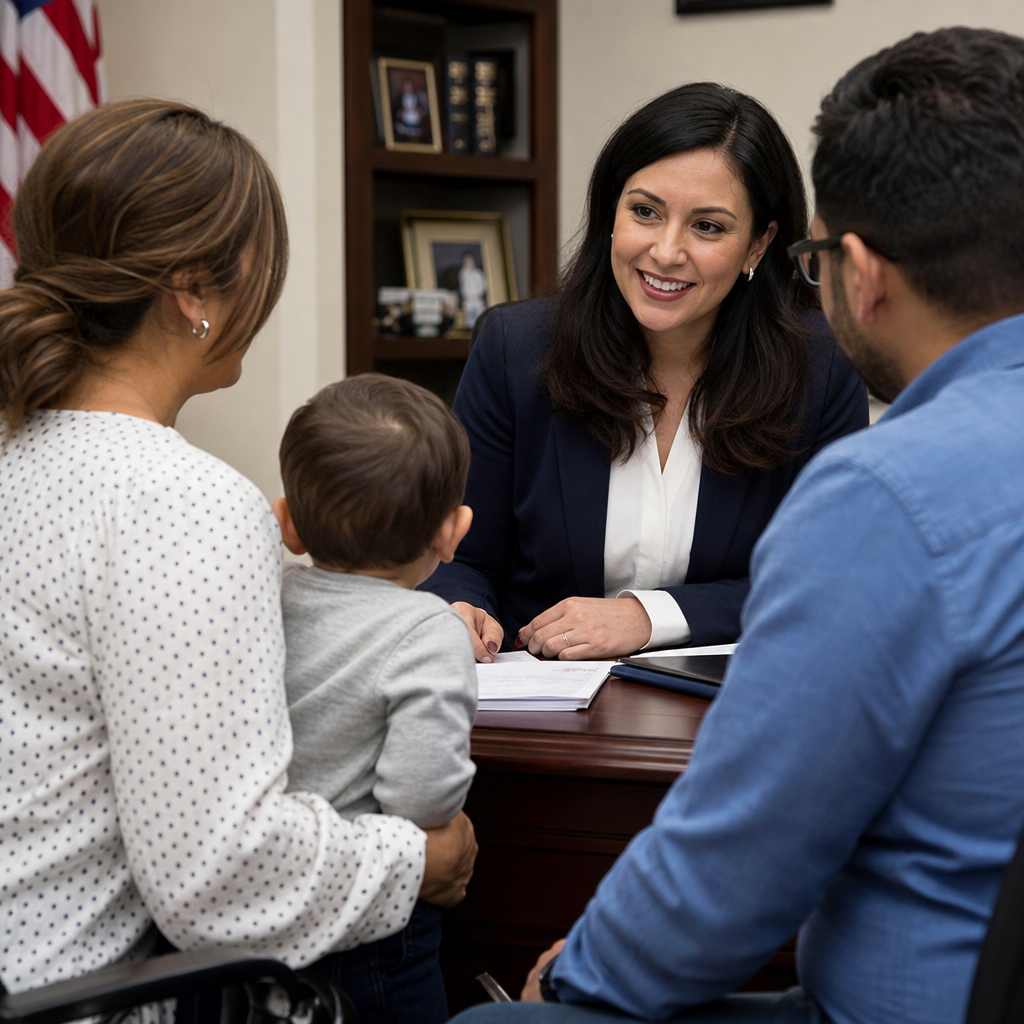
Casework in Congress is the day-to-day assistance that members of the House and Senate provide to individual constituents navigating federal agencies, and it remains one of the clearest ways representative government touches ordinary life. In AP Government and Politics, students often focus on elections, lawmaking, committees, and oversight, yet constituency service deserves equal attention because it shows how Congress functions between headline votes. When a veteran cannot resolve a delayed benefits claim, a family needs help with an immigration case, or a small business seeks guidance on federal regulations, congressional offices step in through casework. This practical service links institutions to citizens and translates abstract representation into concrete results.
Casework matters because it helps explain how members build trust, claim credit, and maintain visibility in their districts and states. It also reveals the broader relationship between Congress and the federal bureaucracy. Agencies such as the Department of Veterans Affairs, U.S. Citizenship and Immigration Services, the Social Security Administration, and the Internal Revenue Service operate under complex rules. Constituents frequently find these systems difficult to navigate, especially when forms are delayed, records are missing, or responses are inconsistent. In my experience reviewing congressional operations and constituent service workflows, the most effective offices are not the loudest; they are the ones with disciplined intake procedures, skilled staff, and realistic expectations about what a member of Congress can and cannot do.
For students, casework is important for three reasons. First, it illustrates representation in action. Delegates, trustees, and politicos are usually discussed in the context of voting, but constituency service shows another dimension of representation: responsiveness. Second, it demonstrates incumbency advantage. Members who solve problems create goodwill that can support reelection. Third, it clarifies institutional limits. A congressional office can make inquiries, request status updates, and push agencies to follow their own rules, but it cannot legally command an agency to ignore law, jump a person ahead unfairly, or guarantee a favorable outcome. Understanding those limits is essential for explaining both the power and the constraints of Congress.
What congressional casework includes
Congressional casework refers to assistance with a specific problem involving a federal agency, benefit, or program. It is different from policy advocacy, legislative drafting, and campaign activity. If a constituent writes asking a senator to support a bill, that is an opinion communication. If the same person asks for help locating a delayed passport, that is casework. House and Senate offices usually route these requests to trained staff members called caseworkers, who specialize in subject areas such as veterans affairs, immigration, taxation, military academy nominations, student aid, Medicare, or disaster relief.
The process usually starts with intake. A constituent contacts the office by phone, email, district office visit, or website form. Because of privacy laws, the office generally needs written consent before discussing a case with an agency. Many offices use a Privacy Act release form that includes identifying details, a description of the problem, and permission for staff to inquire on the constituent’s behalf. Staff then gather documents, confirm jurisdiction, and contact the relevant agency liaison. Strong offices track every step in a constituent management system, assign deadlines, and document responses in case the issue escalates.
Common examples include veterans seeking overdue disability claims, travelers facing urgent passport delays, retirees correcting Social Security earnings records, families seeking immigration status updates, and taxpayers trying to resolve an IRS notice. During the COVID-19 pandemic, many offices saw spikes in unemployment assistance questions, stimulus payment problems, and small business loan confusion. These were not theoretical policy debates. They were immediate, high-stakes interactions that tested whether congressional offices could help people navigate federal systems during crisis conditions.
Why members of Congress invest heavily in constituency service
Constituency service matters politically because it strengthens the connection between elected officials and the people they represent. David Mayhew’s classic analysis of Congress emphasized advertising, credit claiming, and position taking as core activities of members seeking reelection. Casework fits squarely within credit claiming. When a representative helps a constituent obtain a long-delayed military medal, secures an answer on a stalled visa, or gets an agency to review a mistaken benefits decision, the member can point to a tangible service delivered. Even when the office cannot produce the desired outcome, clear communication and procedural guidance still build goodwill.
This helps explain incumbency advantage in congressional elections. Voters may not remember every committee hearing or amendment, but they remember when a district office returned calls and solved a problem. House members, who face reelection every two years, typically invest heavily in district offices and local outreach for this reason. Senators also rely on state offices to serve geographically larger constituencies. Franks, newsletters, telephone town halls, and district events all reinforce the image of an accessible office, but casework is often the strongest proof that access produced results.
There is also an institutional reason for investing in service. Congress writes laws, but agencies implement them. Casework gives members direct visibility into how federal programs operate on the ground. Patterns in constituent complaints can reveal implementation failures, regulatory confusion, staffing shortages, or contradictory guidance. Skilled legislative offices use this information to inform oversight, appropriations questions, and future legislative fixes. In that sense, casework is not separate from governing. It is one of the feedback loops that helps Congress evaluate whether statutes are working as intended.
How casework works inside a congressional office
Most congressional offices split operations between Washington and district or state offices. Legislative work, floor activity, and committee business are concentrated in Washington. Constituent services are usually handled closer to home. A district director manages local operations, while caseworkers handle specialized issue portfolios. In larger Senate offices, regional offices may be assigned staff for agriculture, defense, immigration, or veterans issues based on state needs. Training matters because agency procedures are technical, privacy requirements are strict, and response times vary widely across departments.
In practice, effective casework is part triage, part records management, and part relationship building. Staff first determine whether the issue involves a federal rather than state or local matter. They gather documents, identify deadlines, and assess urgency. A passport needed for imminent international travel receives different handling from a standard information request. Next comes agency engagement. Experienced caseworkers know which congressional liaison unit to contact, what evidence the agency needs, and how to frame the inquiry so it gets a useful answer rather than a generic status message. I have seen the difference this makes: a vague inquiry often sits, while a concise summary with dates, receipts, and supporting records moves quickly to the right desk.
Good offices also manage expectations. They tell constituents that congressional intervention cannot erase legal requirements or guarantee approval. What it can do is ensure the case is reviewed, clarify what is missing, and push the agency to respond. That distinction protects credibility. Offices that overpromise usually create more frustration, while offices that explain process honestly earn trust even when outcomes are mixed.
Common casework areas and what offices can realistically accomplish
The range of casework is broad, but certain categories appear repeatedly because they involve high demand and complicated bureaucracy. Veterans matters often involve disability claims, medical appointments, records corrections, survivor benefits, and discharge paperwork. Immigration cases include delayed applications, lost notices, interview scheduling problems, and humanitarian inquiries. Tax and Social Security issues often center on payment delays, identity mismatches, incorrect records, or unresolved notices. Passport assistance surges before major travel seasons, especially when processing backlogs grow.
| Casework area | Typical constituent problem | What a congressional office can do | Key limitation |
|---|---|---|---|
| Veterans Affairs | Disability claim delayed for months | Request status review, clarify missing records, elevate hardship concerns | Cannot order benefit approval |
| Immigration | Application stalled or notice never received | Seek case update, confirm receipt, request expedited review where criteria exist | Cannot bypass statutory requirements |
| Social Security | Earnings record error affecting benefits | Ask agency to review file and explain correction steps | Cannot rewrite eligibility rules |
| IRS | Refund delayed or notice unresolved | Obtain account status and help route supporting documents | Cannot cancel lawful tax liability |
| Passports | Urgent travel with pending application | Contact passport agency for expedited handling when timeline justifies it | Cannot create appointments that do not exist |
These examples show why casework matters. The office is not acting as a judge or agency director. It is acting as an informed intermediary. That role is especially valuable when a person has done everything correctly yet still cannot get a clear answer. Congressional offices can also help identify when the problem actually belongs to a state unemployment office, a local veterans service organization, or an inspector general hotline. Redirecting a case efficiently is often as useful as direct intervention.
Casework, representation, and oversight
Casework deepens the concept of representation beyond roll-call votes. A member of Congress represents a district or state not only by taking positions on national issues but also by helping constituents interact with the national government. This is one reason district offices matter in AP Government and Politics. They are not ceremonial storefronts. They are service centers that make federal programs legible to the public. When students ask what representation looks like between elections, casework is one of the best answers.
It also feeds oversight. If dozens of constituents report the same Veterans Affairs backlog, FEMA communication failure, or Social Security processing error, that pattern can shape hearing questions, inspector general referrals, and requests for agency briefings. During periods of agency stress, such as shutdown threats, disaster response, or surges in asylum applications, congressional offices often detect operational bottlenecks before they become national stories. That local intelligence can improve policymaking. It can also expose inequities, such as rural areas facing longer response times because regional offices are understaffed.
There are tradeoffs. Offices with strong casework operations may devote less time to other district functions unless staffing is managed carefully. High-profile interventions can create pressure to prioritize politically salient cases over routine but equally deserving problems. Ethical lines matter as well. Congressional staff must avoid using official resources for campaign purposes and must treat constituents fairly regardless of party. The best offices rely on documented procedures, consistent service standards, and careful separation between official and political activity.
Why casework is a hub topic in AP Government and Politics
As a hub topic, casework connects to nearly every major concept in AP Government and Politics. It links Congress to the bureaucracy because agencies implement the laws Congress passes. It connects to federalism because many constituent problems involve confusion over whether authority sits with Washington, the state, or local government. It relates to elections because successful service can support incumbency. It ties to political behavior because citizens judge institutions partly through personal contact, not just ideology. It even connects to media and public opinion, since unresolved case patterns can become local news stories that shape perceptions of government competence.
Students should remember four big ideas. First, casework is individualized assistance with federal matters, not general policy advocacy. Second, it is politically valuable because it builds trust and helps incumbents maintain support. Third, it has real limits because offices cannot lawfully order agencies to break rules. Fourth, it provides Congress with information that can improve oversight and legislation. Those points make casework more than a miscellaneous footnote. It is a practical lens for understanding representation, bureaucracy, and the lived experience of government.
If you are studying Congress, do not stop at bills and hearings. Look at what district and state offices actually do, what agencies they contact, and how they manage constituent problems. That is where democratic representation becomes visible. Explore the related topics in this AP Government and Politics section, and use casework as the bridge that connects institutions to everyday citizenship.
Frequently Asked Questions
What is congressional casework, and how is it different from making laws?
Congressional casework is the direct assistance that members of Congress and their staffs provide to individual constituents who are having problems with federal agencies. Instead of writing bills, debating policy, or voting on legislation, a House office or Senate office may help a resident track a delayed veterans’ benefit, resolve a Social Security issue, check on a passport application, navigate an immigration case, or get answers from a federal department that has been slow to respond. In practical terms, casework is one of the most visible ways representative government reaches ordinary people in their everyday lives.
This is different from lawmaking because the goal is not to create new rules for the whole country. The goal is to help a specific person or family understand and work through an existing federal process. Members of Congress cannot usually order an agency to grant a benefit or override the law, but they can make inquiries, request updates, clarify procedures, and ensure that a constituent’s case is being reviewed properly and fairly. That distinction matters in AP Government and Politics because it shows that Congress does more than pass laws. It also serves as a bridge between citizens and the federal bureaucracy.
Casework reveals an important truth about representation: many people experience government not through major speeches or floor votes, but through moments when they need help. A constituent who cannot get a response from the Department of Veterans Affairs or who is stuck in a long bureaucratic delay may turn to a congressional office because that office knows how agencies work and has staff trained to communicate with them. This makes casework a core part of how members maintain connections to the people they represent and demonstrate responsiveness outside election season.
Why does constituency service matter so much in understanding Congress?
Constituency service matters because it shows that representation is not only about ideology, party competition, or legislative success. It is also about responsiveness, accessibility, and problem-solving. In classrooms, students often learn about Congress through elections, committee hearings, polarization, and landmark laws. Those topics are essential, but they can make Congress seem distant and abstract. Casework changes that picture by showing how the institution functions in the daily lives of citizens who need help dealing with federal agencies.
This service matters politically as well as practically. A member of Congress who is known for helping constituents can build trust, strengthen a local reputation, and show effectiveness even in times of partisan gridlock. Voters may not remember every committee assignment or amendment, but they often remember whether an office returned calls, explained a federal process clearly, or helped solve a long-running problem. In that sense, constituency service helps connect large national institutions to local communities. It gives representation a human face.
It also matters because it highlights the relationship between Congress and the bureaucracy. Federal agencies administer laws, process claims, and make decisions that affect millions of people. When something goes wrong or simply stalls, congressional offices often act as intermediaries. They cannot replace agencies, but they can press for information and accountability. That role helps students understand that Congress is not separate from implementation. Members are deeply involved in how policies are experienced after laws are passed, and casework is one of the clearest examples of that involvement.
What kinds of problems can a congressional office usually help constituents with?
Congressional offices commonly assist with problems involving federal agencies, programs, and procedures. Typical examples include delayed veterans’ benefits, Social Security or Medicare issues, IRS disputes, problems with federal student aid, immigration and visa delays, military academy nominations, passport emergencies, postal service complaints, and questions about disaster relief or federal housing programs. The exact range varies by office, but the basic pattern is the same: the constituent is dealing with a federal system that is complicated, slow, confusing, or unresponsive, and the member’s staff helps open lines of communication.
In many cases, the help is procedural rather than miraculous. Staff may explain how an application works, identify missing documents, contact the agency for a status update, or make sure the case is receiving attention. They may also help constituents understand what the law allows and what it does not allow. That is important because many people contact Congress when they feel ignored or overwhelmed. Even when a final outcome cannot be changed, clear guidance and steady communication can make a major difference.
At the same time, there are limits. A congressional office cannot force an agency to break the law, jump someone ahead unfairly, or guarantee a desired result. It also usually cannot help with matters involving state or local agencies unless there is a federal connection. Good casework is not about special treatment in the improper sense. It is about making sure constituents receive lawful, timely, and understandable responses from the federal government. That is why the process is often described as advocacy, oversight, and constituent support rather than personal favoritism.
How does congressional casework benefit members of Congress politically?
Casework benefits members politically because it strengthens what political scientists often call the “personal vote,” the support a candidate earns through reputation, service, and direct connection rather than party label alone. When constituents see a congressional office helping veterans, seniors, students, travelers, or immigrants navigate difficult federal systems, they often come to view that member as attentive and effective. This can be especially valuable in districts or states where voters care deeply about responsiveness and local presence.
It also helps members maintain visibility between elections. Not every representative will sponsor major legislation that becomes law, and not every senator will dominate national headlines. But nearly every office can build goodwill through strong constituent service. Town halls, district offices, newsletters, and casework success stories all reinforce the message that the member is engaged with real community needs. In an era when Congress is often criticized for dysfunction, casework gives members a way to demonstrate practical results.
That said, the political value of casework does not make it superficial. It is politically useful precisely because it addresses genuine needs. If an office develops a reputation for returning calls, treating people respectfully, and solving problems efficiently, that reputation is earned through service. In AP Government terms, casework illustrates how incumbency advantage can grow from more than media attention or fundraising. It can also grow from sustained, visible responsiveness to constituents who need help navigating the national government.
Why is casework especially important for students studying AP Government and Politics?
Casework is especially important for AP Government and Politics students because it broadens their understanding of what representation really means. Many students first encounter Congress as a legislative institution: bills are introduced, committees review them, chambers debate them, and members vote. That framework is necessary, but incomplete. Casework reminds students that members of Congress also serve as links between citizens and the federal bureaucracy. They do not stop representing people once an election ends or a bill is passed.
Studying casework also helps students connect abstract concepts to concrete examples. Ideas like representation, incumbency, oversight, and the relationship between Congress and federal agencies become much easier to understand when placed in the context of a delayed VA claim, a lost passport before international travel, or a family waiting for an immigration update. These scenarios show how political institutions affect ordinary life and why public trust often depends on government responsiveness at the personal level.
Most importantly, casework teaches students that democracy is not only about dramatic national moments. It is also about routine access, problem-solving, and accountability. A citizen who contacts a congressional office is participating in representative government in a direct way. For students, that is a powerful lesson: Congress is not just a distant body on Capitol Hill. Through constituency service, it becomes an institution that can listen, intervene appropriately, and help people navigate the federal system. That day-to-day role is one reason casework remains such an essential part of understanding how Congress actually works.