
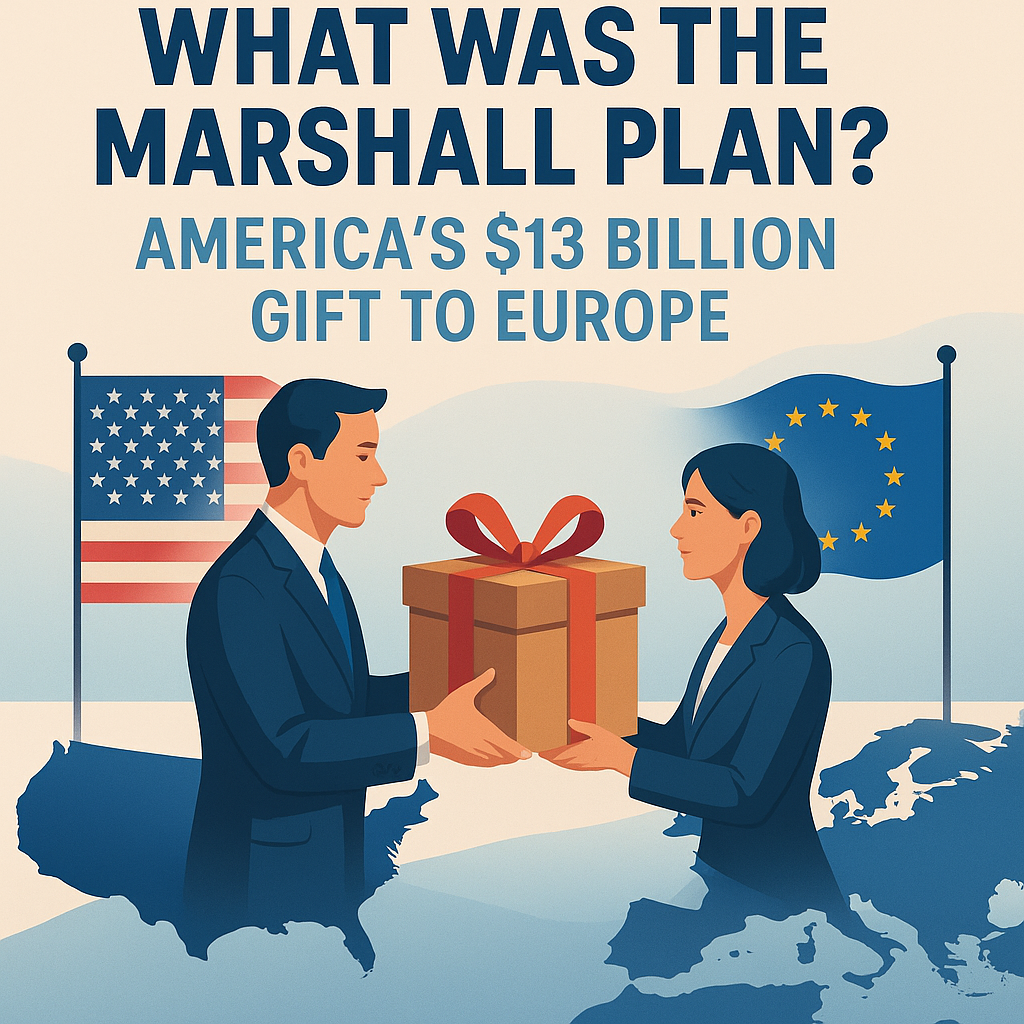
In the aftermath of World War II, Europe faced an unparalleled crisis, with economies shattered, infrastructure in ruins, and societies struggling to recover from prolonged conflict. Amid this turmoil, the United States unveiled a revolutionary initiative known as the Marshall Plan. Officially named the European Recovery Program, this comprehensive economic aid package was enacted in 1948, primarily to rebuild war-torn European nations. The Plan extended $13 billion over four years, a formidable sum at the time. The significance lies not merely in financial generosity but in its strategic goals to curb communism, stabilize economies, and create a network of prosperous nations allied with democratic values. Understanding the Marshall Plan is crucial for grasping how economic policy can foster geopolitical stability and prosperity.
In essence, the Marshall Plan was designed to rebuild economic systems, boost industrial production, and foster trade relationships. However, its broader implications were geopolitical, aiming to contain Soviet expansion and promote political stability in a war-ravaged continent. Such long-lasting impacts highlight how the Marshall Plan was not just a financial bailout. It was a pivotal shift in international policy, emphasizing cooperation, shared prosperity, and economic interdependence.
The Genesis of the Marshall Plan
The origins of the Marshall Plan trace back to 1947, a period when Europe teetered on the brink of economic collapse. Secretary of State George C. Marshall, after whom the plan is named, recognized the need for substantial intervention. His famous speech at Harvard University laid the groundwork for a structured aid program. Marshall’s vision was comprehensive, focusing on reviving Europe’s agricultural and industrial sectors, thereby preventing widespread famine and economic turmoil that could lead to political instability.
One crucial real-world example was in Germany, where the war had severely damaged its industrial base. The Marshall Plan facilitated the economic integration of Western Germany into the European and world economy. By injecting capital, Germany could rebuild factories, reinvigorate its workforce, and become a lynchpin in Europe’s recovery. This approach was replicated in other war-ravaged nations, creating a domino effect of economic rejuvenation throughout the continent.
Structure and Implementation
The Marshall Plan was meticulously structured to ensure accountability and effectiveness. Countries in need of aid were required to submit their recovery plans, aligning with directives from the Organization for European Economic Co-operation (OEEC). In essence, this was not a unilateral distribution of funds but a collaborative process encouraging European nations to work together, promoting unity and reducing disparities.
- The United Kingdom leveraged Marshall Plan funds to modernize its industries and infrastructure.
- France used the capital influx to repair and expand its industrial sector.
- Italy focused on alleviating widespread poverty and stabilizing its economy.
- The Netherlands directed resources to transport and rebuild their urban centers.
Each country was incentivized to use the funds judiciously, promoting a cooperative economic recovery that balanced regional demands with overarching goals. This framework underscored the importance of multilateralism and operational transparency.
The Economic Impact
The economic impact of the Marshall Plan is best illustrated through its dramatic success in increasing industrial and agricultural production across Europe. By 1952, Western Europe’s industrial production was about 35% higher than pre-war levels, a testament to the program’s effectiveness. An exemplary case is France, where industrial productivity surged, transforming it into a leading European economy and a hub of innovation. The plan fostered a stable economic climate, boosting employment and fostering the creation of new businesses.
An important aspect of the economic impact lay in structural reforms. The Plan encouraged modernization of financial systems, adoption of market-oriented policies, and integration into global trade systems. Countries like the Netherlands benefited by establishing robust trade networks that spurred economic growth, while Germany witnessed an economic miracle, termed the “Wirtschaftswunder,” evidencing the plan’s transformative power.
Political and Social Dynamics
The Marshall Plan was politically pivotal as it played a significant role in containing the spread of communism. By revitalizing European economies, it indirectly stifled communist ideologies, which often capitalized on economic despair. Italy is a notable example; Marshall Plan funds helped stabilize its economy, diminishing the Communist Party’s influence during the 1948 elections.
Moreover, the Plan solidified U.S.-European relations, fostering a strong alliance that continued through the Cold War. This unity was fortified by shared economic interests and ideological alignment, laying the foundation for future collaborations like NATO. Socially, the Plan spurred a sense of hope and renewal; it assisted in rebuilding war-torn communities and re-establishing a sense of normalcy, which was essential for long-term peace and stability.
Legacy and Lessons Learned
Reflecting on the Marshall Plan’s legacy, its influence extends far beyond immediate economic recovery. The OCEE’s collaborative model laid groundwork for contemporary institutions such as the European Union, promoting economic integration and political cooperation. The successful reconstruction of Europe paved the way for long-term peace, illustrating how coordinated international aid can avert potential conflicts and foster sustainable development.
| Country | Marshall Plan Aid (millions USD) | Growth in Industrial Production (%) |
|---|---|---|
| United Kingdom | 3297 | 30% |
| France | 2706 | 60% |
| Italy | 1467 | 35% |
| Germany | 1448 | 45% |
This data not only highlights the financial support provided but underscores the substantive growth in industrial capability, crucial for economic resilience.
Conclusion
The Marshall Plan remains a sterling example of how comprehensive economic aid can foster geopolitical stability and peace. Its strategic implementation not only revitalized European economies but also fortified them against potential authoritarian influences. For contemporary policy-makers, the Marshall Plan offers a blueprint for designing effective international assistance programs that emphasize cooperation, accountability, and long-term growth.
In summation, the benefits of the Marshall Plan extended beyond mere economic assistance; it reshaped international relations, underscored the importance of collaborative recovery efforts, and provided enduring lessons on the power of multilateral aid. We encourage today’s global leaders to draw inspiration from this historic initiative, leveraging it to tackle contemporary challenges like climate change and global inequities. By doing so, they can pave the way for a more stable and prosperous world.
Frequently Asked Questions
1. What exactly was the Marshall Plan?
The Marshall Plan, officially called the European Recovery Program, was a transformative initiative launched by the United States in 1948 to provide extensive economic support to war-ravaged European nations. After World War II, Europe was in dire straits with its infrastructure devastated and economies on the brink of collapse. To facilitate recovery and prevent the spread of communism, the U.S. committed approximately $13 billion over four years. This aid was crucial in rebuilding factories, restoring essential infrastructure, and stabilizing economies, laying the groundwork for Europe’s post-war recovery and prosperity.
2. Why did the United States decide to implement the Marshall Plan?
The United States implemented the Marshall Plan for several critical reasons. Economically, the plan aimed to revive European economies to stimulate global trade, which was vital for the U.S. economy as well. Politically, it sought to curb the spread of communism by stabilizing European nations and demonstrating the benefits of democratic capitalistic systems. Strategically, a strong, stable Europe was essential for the security and political alliances the U.S. valued. By aiding Europe’s recovery, the U.S. hoped to ensure a long-lasting peace and constructive international relationships, making it not just an act of altruism but also in America’s national interest.
3. How much financial assistance was provided under the Marshall Plan, and which countries were the beneficiaries?
The Marshall Plan involved a substantial financial outlay of around $13 billion (equivalent to over $150 billion today when adjusted for inflation) over four years. This aid was directed at 16 European nations, including major recipients such as the United Kingdom, France, Germany, Italy, the Netherlands, and Belgium. The funds were allocated based on the degree of devastation each country had suffered and their potential role in the European economic recovery. Through these allocations, the U.S. helped to rejuvenate European economies, restore hope, and create an environment conducive to peace and prosperity.
4. What impact did the Marshall Plan have on Europe’s recovery post-World War II?
The Marshall Plan had a profound impact on Europe’s recovery after World War II. It not only provided immediate relief by supplying necessary materials and financial aid but also catalyzed long-term economic growth. The infusion of funds helped rebuild essential infrastructure like roads, bridges, and power plants, rejuvenated industries, and fostered modernization. Moreover, the Plan stimulated productivity and trade by encouraging cooperative efforts among European nations, helping to lay the foundations for the European Union. Consequently, countries that participated in the Marshall Plan experienced accelerated economic recovery, stability, and growth, sparking a new era of cooperation and peace on the continent.
5. Was the Marshall Plan successful, and what is its legacy today?
The Marshall Plan is widely regarded as a success, both in the immediate and long-term contexts. It effectively revitalized European economies, reducing the allure of communism and establishing a thriving market for American goods, thereby proving beneficial to the U.S. as well. The Plan also promoted European political stability and cooperation, paving the way for transatlantic relationships and organizations like NATO and the European Union. Its fundamental principles of cooperation, mutual assistance, and reconstruction continue to influence international aid programs today. Indeed, the Marshall Plan is often cited as a benchmark for international collaboration and economic recovery efforts globally, underscoring its enduring legacy in fostering peace and prosperity.