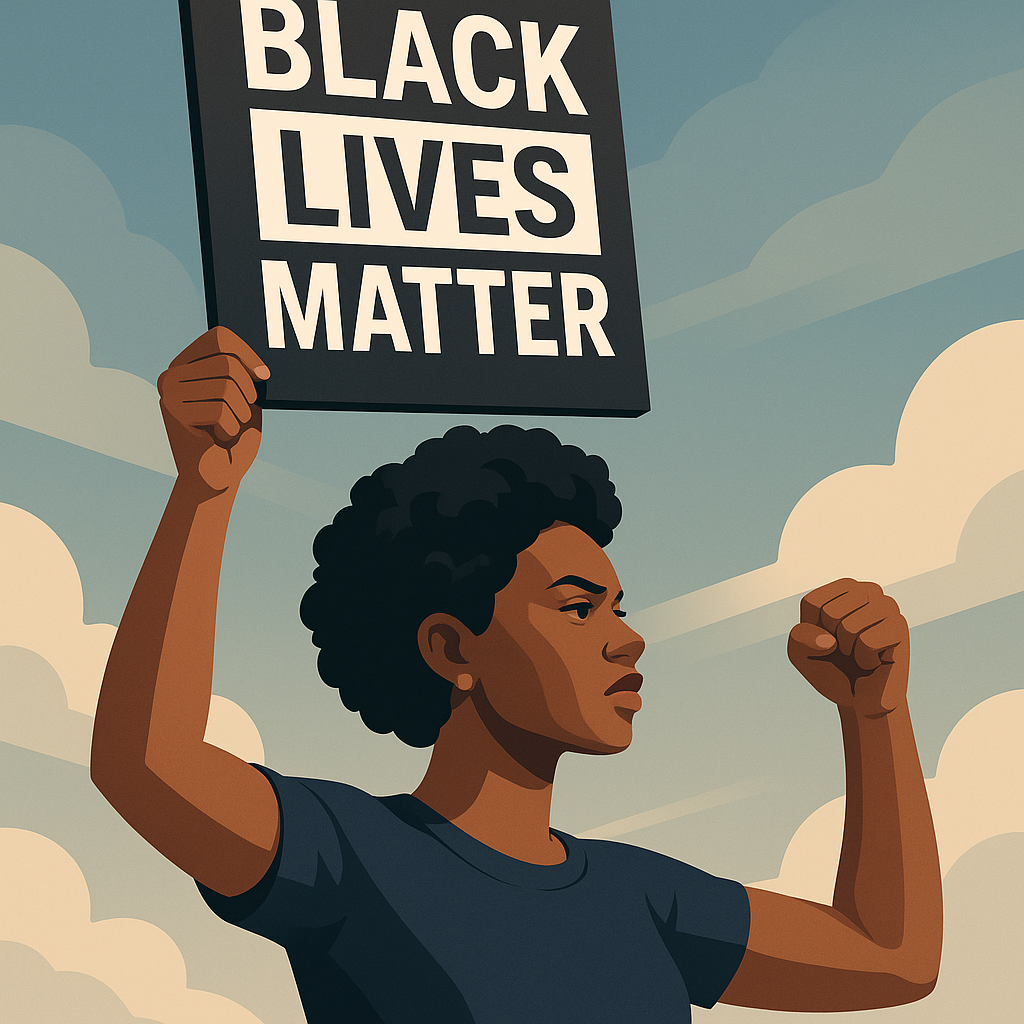
The Black Lives Matter (BLM) movement is more than a hashtag or a fleeting trend. It is an enduring and powerful global initiative that seeks justice and equality for Black individuals everywhere. Understanding where BLM comes from and the profound changes it has prompted in society is crucial for anyone interested in social justice. The discourse around Black Lives Matter is both timely and necessary, not only because it challenges systemic racism and police violence but because it provides a platform for underrepresented voices. In illuminating the systemic abuses faced by Black people, BLM pushes us toward a more equitable world where every life is valued equally.
Origins of the Black Lives Matter Movement
The Black Lives Matter movement originated in 2013, created by three Black women activists—Alicia Garza, Patrisse Cullors, and Opal Tometi—following the acquittal of George Zimmerman in the murder of Trayvon Martin, an unarmed Black teenager. The hashtag #BlackLivesMatter began circulating online, serving as a rallying cry for those frustrated with the racially charged injustices prevalent in American society.
This hashtag quickly evolved into a broader movement, encapsulating a range of issues from police brutality to racial profiling to systemic discrimination. The movement provided a framework for activists and communities to organize and mobilize around stories of Black individuals whose lives were cut short under dubious circumstances. Early examples include the protests following the deaths of Michael Brown in Ferguson, Missouri, and Eric Garner in Staten Island, New York. These cases drew substantial media coverage and highlighted the urgency of addressing police violence and institutional racism.
The Role of Protests in Advancing the Movement
Protests have been at the heart of the Black Lives Matter movement’s strategy for enacting change. Demonstrations serve as important public forums for raising awareness, urging solidarity, and pressing for legislative and societal transformation. Amid chants and sighs of shared grievances, these protests call upon individuals from all backgrounds to confront the uncomfortable truths about racism and inequality.
A key example was the global wave of protests following the murder of George Floyd by police in May 2020. Streets swelled with people demanding justice and accountability, spotlighting police reform as an urgent priority. Statues with racist histories were toppled, and murals were painted to memorialize victims of systemic injustice. This scale and intensity of action forced governments and corporations alike to reevaluate their commitments to diversity and racial equality.
Impact on Policy Reform
The vocal and persistent demands of the Black Lives Matter movement have contributed significantly to policy changes in various domains. Its effect on introducing new legislation and reforming existing protocols is tangible and continues to unfold. Law enforcement has been a focal point, with jurisdictions around the world reconsidering policing tactics in light of BLM activism.
One notable advancement is the enactment of “Breonna’s Law” in Louisville, Kentucky, which bans no-knock warrants – a dangerous police practice that led to the unjust death of Breonna Taylor. Additionally, several U.S. states have implemented or are considering laws mandating police body cameras to promote transparency and accountability. Moreover, there is a growing discussion about redirecting police funds to community services that can more sustainably address the roots of crime and social disorder.
Beyond policing, BLM has influenced broader debates about economic disparities, healthcare inequities, and educational access. In light of the pandemic, disparities in healthcare were painfully highlighted, motivating states to develop initiatives to address inequity in healthcare access.
Global Reach and Influence
Although Black Lives Matter originated in the United States, it has sparked a worldwide movement advocating against racial injustice. Countries across Europe, Latin America, Asia, and Africa have witnessed protests supporting BLM’s goals, adapting its framework to local contexts. For instance, in the United Kingdom, protests emphasize issues of racial discrimination and inequality within their own policing and governmental structures.
This global resonance has forced international governments and organizations to confront racial disparities which, while manifesting differently based on regional histories, share an underlying thread of systemic bias and marginalization. Statues and symbols of colonial and racist histories have come under scrutiny and, in many cases, removal or reinterpretation through educational efforts. The global movement has also created platforms for exchanging strategies and ideas for dismantling racial injustices globally.
A Holistic Understanding Through Real Stories
Black Lives Matter successfully mobilizes change because it is rooted not just in abstract statistics but in real-world stories of individuals subjected to racial injustices. These stories humanize the issues and make the repercussions of systemic racism and violence more palpable to a broader audience.
- The poignant story of Tamir Rice, a 12-year-old boy shot by police while playing with a toy gun, underscores the lethal consequences of racial profiling.
- Similarly, Sandra Bland’s mysterious death in a jail cell underlines the urgency of addressing police discrimination and the criminal justice system’s opaque processes.
- By sharing these narratives, communities are reminded that these are not isolated incidents but part of a broader systemic problem demanding collective action.
As these stories proliferate, they bring empathy and urgency to the activism, making it difficult for society to dismiss or ignore demands for reform.
Table of Key Legislative Changes Post-BLM Protests
| City/Country | Legislative Change | Date Enacted |
|---|---|---|
| Louisville, Kentucky | Breonna’s Law (Ban on No-Knock Warrants) | June 2020 |
| New York City | The Eric Garner Anti-Chokehold Act | July 2020 |
| United Kingdom | Review of Police Stop-and-Search Practices | July 2020 |
Summary and Call-to-Action
The Black Lives Matter movement has accomplished much, but its mission is far from complete. It has ignited a global conversation about racism, drawing attention to the deep-seated injustices that pervade many layers of society. From its origins as a hashtag to its influential and transformative activism, BLM has shown that change is possible when people unite against oppression and demand justice.
The real strength of the movement lies in its ability to elevate marginalized voices and compel powerful institutions to reconsider their practices. However, dismantling systemic racism requires sustained effort, and BLM sets a vital precedent for ongoing advocacy. It calls upon us all to remain steadfast in our commitments to equity and justice. As global citizens, one practical step is to continue amplifying marginalized voices, staying informed about racial issues, and supporting both policy and grassroots initiatives aimed at achieving change.
The message is simple yet potent: while all lives may matter, until Black lives are afforded the dignity and respect they deserve, stating that truth is futile. Racial equality depends on our actions now and moving forward. Feel empowered to donate to causes, participate in local advocacy groups, or educate others about the necessity of these movements. We each have a role to play in building a more just society.
Let your actions today be the difference that fuels tomorrow’s change.
Frequently Asked Questions
1. What are the origins of the Black Lives Matter Movement?
The Black Lives Matter (BLM) movement began as a reaction to a deeply disturbing pattern of violence and systemic injustice faced by Black individuals, predominantly in the United States. Its origins can be traced back to 2013 following the acquittal of George Zimmerman in the shooting death of Trayvon Martin, a Black teenager in Florida. Alicia Garza, Patrisse Cullors, and Opal Tometi coined the hashtag #BlackLivesMatter as a rallying cry against racial injustice. This movement quickly gained traction on social media, resonating with individuals worldwide who were frustrated with pervasive racial discrimination and police brutality. Since then, BLM has grown into an international organization advocating for justice, policy reform, and societal change.
2. How have BLM protests impacted society?
BLM protests have catalyzed significant discussions and changes across various sectors of society. These protests have amplified awareness around issues of systemic racism, especially in law enforcement. In many cases, this movement has influenced lawmakers and institutions to re-evaluate and reform policies related to police conduct, community safety, and accountability. Through these demonstrations, BLM has effectively highlighted the need for comprehensive discussions around race and inequality, bringing attention to the disparities faced by Black communities in areas such as housing, healthcare, employment, and education. The protests have also spurred a broader cultural reckoning, prompting many to confront their unconscious biases and work towards fostering inclusivity and equity in all aspects of life.
3. What are some key policy impacts of the Black Lives Matter Movement?
The Black Lives Matter movement has succeeded in pushing for various policy changes across different levels of government and institutions. One of the notable impacts is the increasing demand for police reform, including the call for defunding police departments and reallocating those resources to community services that better align with the needs of the communities, such as mental health services and educational initiatives. Legislation has been introduced in several jurisdictions aimed at increasing police accountability, such as mandates for body cameras, bans on chokeholds, and revisions to policies regarding the use of force. Additionally, BLM has encouraged a re-examination of discriminatory practices in housing policies, criminal justice sentencing, voting rights, and educational equity. Although progress can be slow, the movement continues to exert pressure on policymakers to create systems that genuinely reflect justice and equality.
4. Why is the Black Lives Matter Movement considered necessary?
The necessity of the Black Lives Matter movement lies in its steadfast commitment to confronting systemic racism and advocating for the safety, dignity, and rights of Black individuals. Despite progress over the decades, racial inequalities and injustices persist, manifesting in the disproportionate rates of police violence, economic disparity, and social marginalization. BLM challenges these unjust systems and pushes for societal transformation to ensure that Black lives are equally valued and respected. It serves as a critical force for fostering dialogue, raising awareness, and driving actionable change towards a society grounded in shared humanity and justice for all. By bringing these issues to the forefront and relentlessly demanding accountability, Black Lives Matter continues to propel necessary social change.
5. How can individuals support the Black Lives Matter Movement?
Supporting the Black Lives Matter movement can take many forms, allowing individuals to contribute in ways that align with their capabilities and resources. One of the most impactful ways to support BLM is through education and raising awareness; understanding the historical and contemporary struggles of Black communities and sharing this knowledge with others. Engaging in conversations about racial justice and listening to Black voices can foster greater understanding and empathy. Additionally, individuals can support the movement through financial contributions, whether by directly donating to BLM organizations or by supporting Black-owned businesses and community projects. Advocacy is also crucial; participating in protests, contacting elected officials to demand policy reform, and voting in local and national elections are powerful ways to push for change. Finally, individuals can scrutinize their own environments, advocating for diversity, equity, and inclusion within workplaces, schools, and community groups. By combining these efforts, individuals can help sustain the momentum of BLM and further its mission of achieving justice and equality.