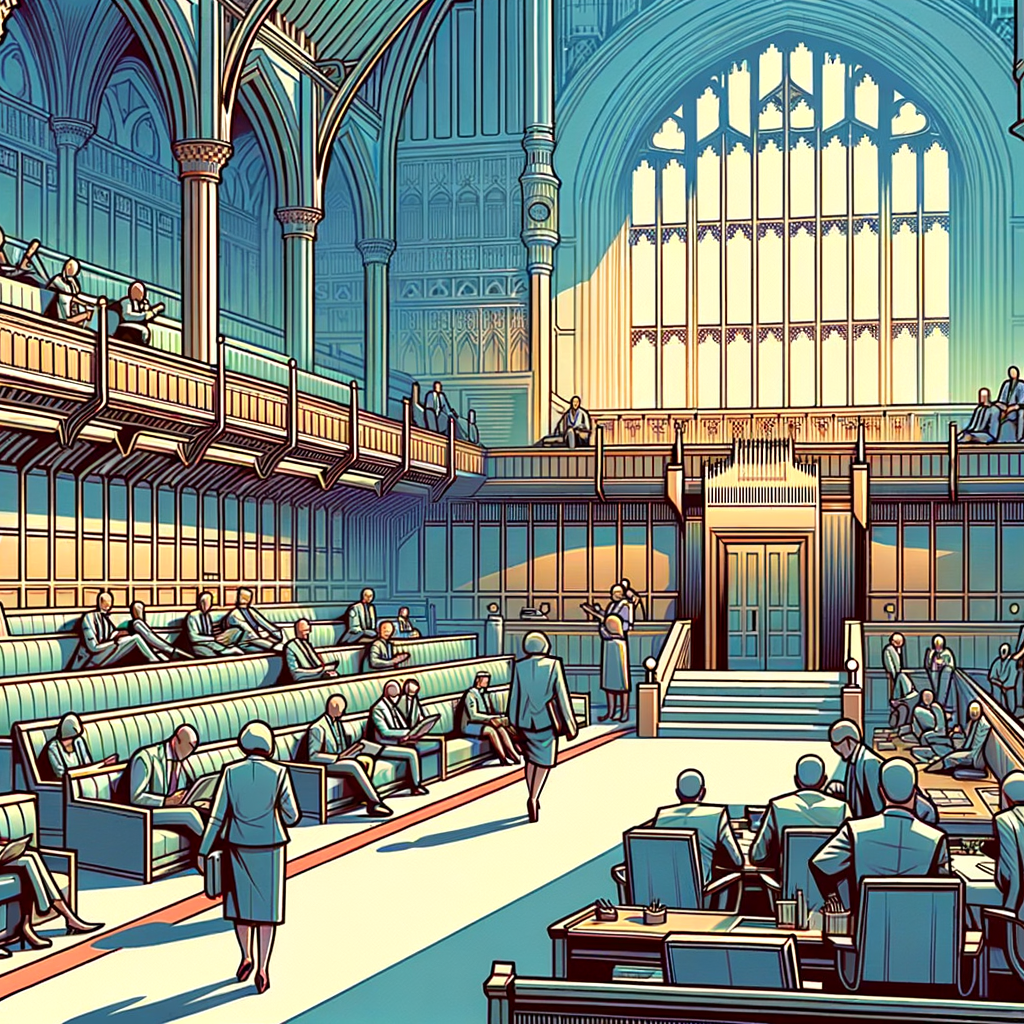
When examining governmental frameworks around the world, two primary systems dominate: the presidential system and the parliamentary system. These structures dictate how power is distributed, how leaders are chosen, and how laws are implemented. Although both systems have the overarching goal of creating a stable and effective government, they manifest this goal in markedly different ways. Political scientists, historians, and citizens alike often examine these systems to better understand how they impact the politics, economy, and social fabric of a country. In this article, we will delve deeper into the distinct characteristics, advantages, and disadvantages of presidential and parliamentary systems. By exploring these fundamental differences, we aim to provide clarity on why countries choose one system over the other and how these choices reflect broader cultural and historical contexts.
The two systems are distinguished by their approach to separating powers between the executive, legislative, and sometimes judicial branches of governance. These differences impact crucial areas such as political accountability, stability, and efficiency. As we explore these systems, we’ll analyze various elements including the roles and responsibilities of the heads of state, legislative dynamics, party politics, and government formation processes. Real-world examples and case studies will illustrate how the two systems operate in practice, offering insight into their respective strengths and weaknesses. Through this comparative analysis, readers will gain a nuanced comprehension of the intricate mechanisms at play within presidential and parliamentary governments. Ultimately, by learning about these systems, we better understand the global political landscape, empowering us to evaluate our own governance models critically.
Presidential System
The presidential system is characterized by a clear separation of powers between the executive and legislative branches. In this system, the president is both the head of state and the head of government, elected independently from the legislative body. The United States is perhaps the most prominent example of a presidential system, serving as a benchmark for other nations adopting similar governance structures.
One of the defining features of the presidential system is the fixed term for the presidency. The electoral process is often direct, although some countries use an electoral college or similar mechanism. This fixed tenure ensures stability within the executive branch, as the president cannot be easily removed from office by the legislature, barring impeachment processes. This separation of powers provides distinct checks and balances; however, it can also lead to potential gridlocks between the executive and legislative branches. When the presidency and the legislature are controlled by different parties, political stalemate can occur, slowing down the legislative process and policymaking.
The president’s role includes appointing cabinet members and other key officials with specific approval from the legislature, depending on the country’s rules. This role allows the president significant discretion in determining the administrative agenda, directly influencing national policy and governance. Furthermore, the president plays a crucial role in foreign policy, acting as the primary representative in international affairs and often holding the power to negotiate treaties, subject to legislative approval.
Parliamentary System
In stark contrast to the presidential system, the parliamentary system features a head of government—typically known as the prime minister—who is distinct from the ceremonial head of state, often a monarch or president with limited powers. The key feature of this system is the intertwined relationship between the executive and legislative branches. The prime minister is usually a member of the parliamentary majority party or coalition, chosen from among elected parliamentarians and commanding authority as long as they enjoy majority support.
The United Kingdom exemplifies the parliamentary system, with its structure influencing numerous Commonwealth nations and beyond. One advantage of this system is the ease of passing legislation; as the executive must maintain the confidence of parliament, there is often greater alignment and coherence across the branches. This fusion of powers can lend to more efficient governance, particularly in crafting and implementing policies.
However, this system can also lead to a lack of stability, as the government can be dissolved if it loses a vote of confidence. This situation may result in more frequent elections, leading to political unpredictability. Additionally, the prime minister’s position is highly dependent on party dynamics and internal politics, sometimes limiting individual autonomy in decision-making.
Comparative Analysis
While both presidential and parliamentary systems have remarkable advantages, they are not without challenges. Understanding these challenges involves looking at how each system addresses political accountability, stability, efficiency, and the role of political parties.
With political accountability, parliamentary systems often provide more immediate consequences for political actors. In a parliamentary democracy, if the prime minister loses the confidence of their party or parliament, they may be forced to resign or call for new elections. This aspect can result in more responsive leadership compared to a presidential system, where removing an executive, particularly in the case of incompetence or unpopularity, may necessitate lengthy legal processes involving impeachment procedures.
Regarding stability, presidential systems can enjoy more continuity, especially noted in countries with fixed-term presidencies that shield the executive from frequent changes. Nevertheless, this stability can be double-edged, as it may result in periods of stalemate, especially with divided governments where the legislature opposes the executive branch. In contrast, parliamentary cohorts must balance decision-making processes with the threat of dissolution, which may induce frequent, albeit stable, realignments and reformations of government.
On the subject of efficiency, as parliamentary systems blend the executive with the legislative, they often experience smoother policy implementation. Legislation can pass rapidly if the government holds a parliamentary majority, often bypassing extensive debates or oppositional vetoes common in presidential systems. However, this efficiency can come at the cost of exhaustive back-and-forth, especially in coalition governments where compromise and negotiation are essential. In presidential systems, although processes may be more cumbersome due to the division of power, this also acts as a safeguard against precipitous decision-making, with multiple bodies reviewing policies before enactment.
Lastly, political parties function differently within the two systems. In a parliamentary system, party unity is paramount, weaving a strong loyalty fabric among its members to maintain the government’s standing. Prime ministers arise directly from party leadership, bearing the burden of galvanizing or maintaining coalition agreements. Conversely, in presidential systems, candidates such as presidents may enjoy a broader electoral mandate beyond their party, capable of acting independently or even against party lines, given the separation from legislative leadership.
Case Studies
Internationally, these system dynamics are illustrated through familiar examples. In the United States, presidents exercise substantial power over national policy and international relations with executive orders and veto privileges. However, legislative measures, such as working with hostile Congressional contingents, demonstrate the potential gridlock inherent in a presidential setting.
Conversely, the United Kingdom’s parliamentary system illustrates streamlined policymaking when governments enjoy a strong majority, but it also exposes political vulnerabilities. For example, episodes like the “Brexit” referendum caused leadership shifts, illustrating parliamentary reliance on public sentiment and readiness to elect new leadership should political murmurs grow. Likewise, Germany’s Bundestag operates on coalition dynamics, with chancellor elections often dependent on intricate bargaining within aligned parties or groups, emphasizing the importance of preparatory negotiation and consensus-building in decision-making.
Conclusion
As we navigate this exploration of presidential and parliamentary systems, striking differences emerge from how each framework manages the division of powers, political stability, and governance efficiency. Both systems have distinct merits and pitfalls that reflect cultural, historical, and economic preferences of the nations choosing them.
The presidential system emphasizes a division of influence, offering robust checks and balances between executive and legislative branches. Yet this can culminate in frustrating periods of impasse when political powers conflict. In contrast, the parliamentary system fosters cooperative governance, predicated on party consolidation and continuity, albeit risking volatility due to the conducive environment for sudden political shifts or calls for elections.
Ultimately, selecting a system aligns with broader national values and priorities. Nations that prioritize stability and fixed leadership may lean toward presidential systems despite potential stalemates. Meanwhile, those valuing legislative expediency and responsiveness may prefer parliamentary frameworks. Each system mirrors a society’s governance philosophy, underscoring that understanding these choices remains pivotal for engaging in meaningful civic discussions and fostering informed citizenry.
In appreciating these differences, citizens globally gain perspective on statecraft’s complexities, empowering engagement with their respective governance systems. Moreover, these insights offer valuable guidance in assessing current political climates and offering informed dialogue on future structural reforms or adaptations, crafting governmental issues into informed, solution-focused conversations.
“`htmlFrequently Asked Questions
1. What is the main difference between a presidential system and a parliamentary system?
At its core, the main difference between a presidential system and a parliamentary system lies in the distribution of power and the relationship between the executive and legislative branches. In a presidential system, the president acts as both the head of state and the head of government. This means that the president is directly elected by the people and is independent from the legislative body. The president has significant powers that are distinct from the legislature, and there is often a clear separation of powers intended to provide checks and balances.
On the other hand, a parliamentary system combines the executive and legislative functions. The head of government is typically the prime minister, who is elected by parliament rather than directly by the populace. In this setup, the head of state may be a separate, often ceremonial role, such as a monarch or president who assumes symbolic duties. In parliamentary systems, the prime minister is dependent on the confidence of the parliament, and this interdependence often results in a government that can enact legislation more swiftly, provided there is a parliamentary majority to support it.
2. How does the process of electing leaders differ between the two systems?
In a presidential system, the election of the president is usually a direct electoral process, meaning that the citizens of the nation cast their votes specifically for their preferred candidate. This gives the president a strong separate mandate from the public. Furthermore, there are often limits to how many terms a president can serve, allowing for periodic evaluations and shifts in leadership.
In contrast, the process of electing leaders in a parliamentary system is more indirect when it comes to the head of government. Citizens vote for political parties rather than individual leaders, and the party (or coalition of parties) that secures the most seats in the parliament forms the government. The prime minister is typically the leader of the winning party and serves as the head of the government. This system means the prime minister’s power is intrinsically linked to the party’s standing in parliament and can immediately be altered if they lose a vote of confidence or if the party loses its majority status.
3. How do laws get passed in presidential versus parliamentary systems?
In a presidential system, the passage of laws involves a more rigid separation of powers, where the legislature creates laws and then sends them to the president, who has the authority to approve or veto them. This procedure is designed to ensure that there are checks and balances, preventing any one branch from becoming too powerful or acting unilaterally. The process can sometimes lead to gridlock, especially when the presidency and legislature are controlled by different parties.
Conversely, in a parliamentary system, the executive branch emerges from the legislative body itself, and the distinction between the two is less pronounced. The government usually has a majority in the legislature, enabling the prime minister to implement legislative agendas expediently and efficiently, often with fewer institutional hurdles. If the government acts contrary to the wishes of the parliament, it risks a vote of no confidence, which can result in its dissolution and potentially lead to a new election. This close relationship between the executive and legislative branches often facilitates smoother legislative processes, but critics argue it may limit checks and balances.
4. In terms of stability, which system is considered more stable: presidential or parliamentary?
Stability depends largely on the political environment and the specific characteristics of the country in question. Presidential systems can exhibit stability in terms of predictable leadership, given the fixed terms and separate elections for the president and legislature, reducing the frequency of elections and potential disturbances. However, the potential for political deadlock between the branches can pose risks to this stability, especially in times of divided government when different parties control the presidency and the legislature.
Parliamentary systems can also be stable, primarily due to the fact that they often allow for more adaptable governments that can be reformed without huge upheavals. A government can be restructured quickly following a vote of no confidence, and this fluidity can preempt prolonged political crises. However, these systems may appear less stable in nations where no party consistently secures a clear majority, leading to frequent shifts in leadership. Ultimately, the system’s stability is heavily influenced by the historical, cultural, and political context of each nation.
5. Which system is more common around the world, and why?
Globally, the parliamentary system is more commonly found, particularly in countries that have colonial legacies tied to the British parliamentary system. This prevalence is largely due to historical dissemination from Western powers, especially during the time of colonial expansion. Nations such as the United Kingdom, Canada, Australia, India, and many others have adopted versions of this model, with adaptations to fit their specific contexts.
The presidential system, most notably featured in the United States, is less widespread but still vital, particularly in the western hemisphere, where several countries have chosen to adopt similar constitutions that emphasize separation of powers and direct presidential elections. Ultimately, the choice of system is influenced by a range of factors, including historical ties, cultural affinities, and the desire for particular types of governance that reflect the political ideals of a populace at foundational government-altering moments.
“`