
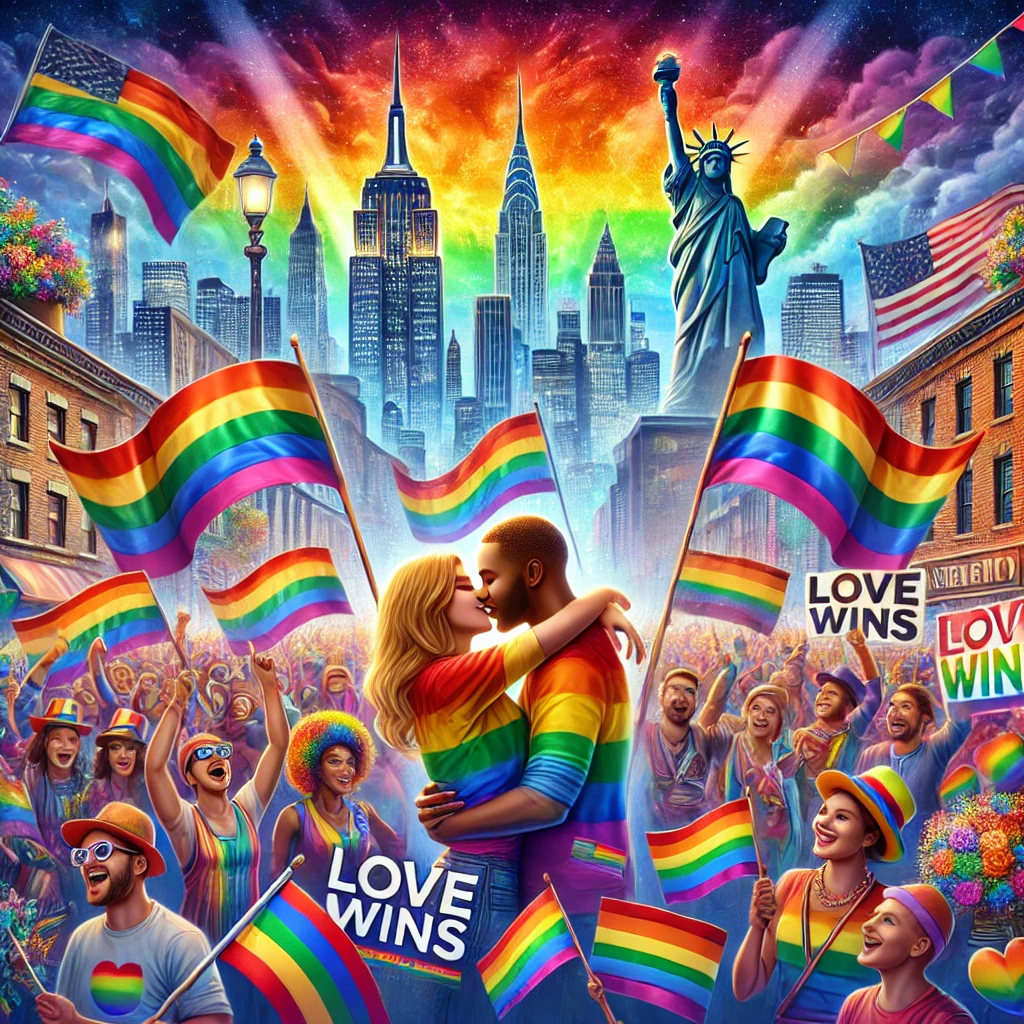
Modern American history has been profoundly shaped by the struggles, triumphs, and ongoing activism of LGBTQ+ rights movements. From the Stonewall uprising to marriage equality, these movements have altered how the country talks about civil rights, equality, and personal freedom. In this article, we’ll explore the major milestones, discuss the cultural impact of LGBTQ+ advocates, and look at how the activism born in these movements continues to influence American society today.
Early Twentieth-Century Challenges and Quiet Resistance
Although many people think of LGBTQ+ activism as a product of the 1960s and 1970s, there were pockets of resistance and support systems that formed much earlier. In the early 1900s, living as an openly gay or transgender individual was fraught with danger. Criminal laws banned certain sexual activities. Social norms enforced rigid expectations, often leading people to lead double lives or keep their identities hidden.
Homophile Organizations and Stepping Stones
By the mid-20th century, small but significant groups began forming in private spaces. These “homophile” organizations, including the Mattachine Society (founded in 1950) and the Daughters of Bilitis (founded in 1955), provided a foundation for collective organizing. They advocated for decriminalization and fought for the basic right to live free from persecution. Even though their efforts were often overshadowed by mainstream culture, these early homophile groups set the stage for larger, more widespread movements.
The Stonewall Uprising: A Watershed Moment
No discussion of LGBTQ+ rights in the United States is complete without mentioning the Stonewall uprising. In June 1969, patrons of the Stonewall Inn in New York City’s Greenwich Village resisted a police raid. The resulting demonstrations lasted for days, galvanized local activists, and kickstarted a broader movement.
Why Stonewall Was Different
Police raids on gay bars were not new—LGBTQ+ people had been targeted for decades. Yet the Stonewall uprising sparked something larger. Protesters pushed back against law enforcement in a highly visible way, and word spread rapidly. For many individuals who were tired of hiding who they were, Stonewall became a bold rallying cry.
Media and Newfound Visibility
The media coverage of the Stonewall events, although not as large as modern coverage might be, was still significant. It encouraged many people outside of the New York metropolitan area to pay attention. Soon, local gay rights groups around the country felt emboldened to protest and organize. This newfound sense of collective identity propelled the movement forward.
The 1970s: The Rise of Gay Liberation
The 1970s witnessed an outpouring of political and social activism under the banner of “Gay Liberation.” While the term “LGBTQ+” wasn’t yet commonly used, people began to unite under broader themes of sexual and gender identity.
Key Organizations and Marches
After Stonewall, organizations like the Gay Liberation Front and the Gay Activists Alliance emerged, focusing on political mobilization. In 1970, the first Gay Pride marches took place to commemorate the Stonewall riots’ anniversary. Cities like New York, Los Angeles, and Chicago saw thousands of individuals marching down their streets—many publicly identifying as gay or lesbian for the first time.
This period also saw the emergence of the first openly gay politicians. Kathy Kozachenko became the first openly gay person elected to a public office in the U.S. when she won a seat on the Ann Arbor City Council in 1974. Harvey Milk followed, becoming the first openly gay man elected to public office in California when he joined San Francisco’s Board of Supervisors in 1977.
Cultural Shifts and Resistance
While these developments were monumental, backlash was inevitable. In many parts of the country, conservative groups mobilized to uphold what they called “traditional family values.” Singer Anita Bryant’s “Save Our Children” campaign in Florida led to a successful effort to overturn a county ordinance outlawing discrimination based on sexual orientation. This fight in the 1970s foreshadowed future cultural conflicts around gay rights, revealing the resilience of those fighting for equality.

The 1980s: A Decade of Crisis and Advocacy
The 1980s brought about a dire health crisis that shaped LGBTQ+ activism in ways few could have predicted. With the onset of the HIV/AIDS epidemic, gay men in particular found themselves at the forefront of a deadly disease—and at the mercy of a society that often dismissed their plight.
The HIV/AIDS Epidemic
When the U.S. Centers for Disease Control and Prevention first identified AIDS in 1981, the nation was alarmed and largely unprepared. The initial reaction from many in government was minimal. Some elected officials avoided the subject, refusing to allocate adequate funding or attention. This left communities to fend for themselves.
Grassroots Mobilization
Groups like ACT UP (AIDS Coalition to Unleash Power), founded in 1987, were born out of frustration and necessity. Activists staged die-ins, protests, and other forms of civil disobedience to draw attention to the epidemic. These demonstrations pressured both government agencies and pharmaceutical companies to accelerate research, reduce medication costs, and make treatments accessible.
Societal Impact
The visible struggle of the LGBTQ+ community during the AIDS crisis both reinforced damaging stereotypes and, paradoxically, spurred greater empathy in some segments of the population. Many people began to see gay men and lesbians as friends, colleagues, and family members affected by the epidemic, rather than distant strangers. This shift in perception had a long-term impact on how many Americans viewed LGBTQ+ rights and the importance of healthcare policy.
The 1990s: Legal Battles and Growing Acceptance
The 1990s ushered in a wave of new legislation and cultural touchpoints. While bigotry and discrimination persisted, the decade saw important battles fought in the courts and a gradual increase in mainstream acceptance.
Don’t Ask, Don’t Tell
Enacted in 1993 under President Bill Clinton, “Don’t Ask, Don’t Tell” (DADT) was intended as a compromise policy for LGBTQ+ individuals serving in the military. The policy allowed them to serve as long as they kept their identities secret. In practice, it led to the discharge of thousands who were outed or refused to remain silent about their orientation. Although detrimental to many service members, DADT triggered public debate about whether sexual orientation should matter for those willing to serve their country.
Defense of Marriage Act (DOMA)
Signed into law in 1996, DOMA defined marriage at the federal level as a union between one man and one woman. This law effectively barred same-sex couples from federal marriage benefits and allowed states to refuse to recognize same-sex marriages granted in other states. DOMA became a lightning rod for advocacy efforts and set the stage for high-stakes legal battles in the decades to come.
Pop Culture Shifts
In the 1990s, more LGBTQ+ characters began appearing on TV. Ellen DeGeneres famously came out both on her sitcom and in real life in 1997, making national headlines. Shows like Will & Grace premiered soon after, further normalizing the presence of gay characters in mainstream media. These media moments, while not without controversy, made LGBTQ+ lives more visible, shaping public opinion in subtle but meaningful ways.
The New Millennium: Marriage Equality and Beyond
The first two decades of the 21st century saw significant strides in LGBTQ+ rights. Many activists turned their attention to marriage equality, fueled by earlier state-level victories and growing public support.
Early State-Level Wins
In 2004, Massachusetts became the first state to allow same-sex marriage. This major win was followed by a patchwork of other states granting same-sex couples the right to marry, civil unions, or domestic partnerships. Despite these victories, many other states passed constitutional amendments banning same-sex marriage.
The Obama Administration
Under President Barack Obama, there were notable policy shifts. The Matthew Shepard and James Byrd Jr. Hate Crimes Prevention Act of 2009 expanded federal hate-crime laws to include gender, sexual orientation, gender identity, and disability. In 2010, Congress repealed “Don’t Ask, Don’t Tell,” allowing LGBTQ+ service members to serve openly.
Perhaps most significantly, in 2013 the Supreme Court struck down key parts of DOMA in United States v. Windsor, granting federal recognition to same-sex marriages. This milestone set the legal framework for future cases.
Obergefell v. Hodges (2015)
The landmark Supreme Court case Obergefell v. Hodges resulted in a 5-4 decision that legalized same-sex marriage nationwide. This ruling ensured that all states must issue marriage licenses to same-sex couples and recognize marriages performed in other states.
Beyond Marriage
While marriage equality was a monumental victory, LGBTQ+ advocates stressed that the fight did not end there. Transgender rights, healthcare, employment non-discrimination, and protections for LGBTQ+ youth in schools all became pressing areas of focus. The push for inclusive policies highlighted the importance of intersectionality—recognizing that race, class, gender, and sexual orientation cannot be separated when discussing discrimination and equality.
Cultural Transformations and Ongoing Challenges
Beyond policy and legal battles, the LGBTQ+ rights movements have transformed American culture in countless ways.
Visibility and Representation
One of the most significant shifts is the increased representation of LGBTQ+ individuals in media, politics, and public life. From mainstream shows like Pose that center around Black and Latinx transgender women, to openly gay politicians like Pete Buttigieg running for president, visibility has been key in reducing stigma.
Social media platforms have also amplified LGBTQ+ voices. Activists can now mobilize online, raise awareness about transphobia or homophobia, and celebrate each other’s achievements in real time.
Corporate and Institutional Support
Over the last two decades, many companies began to recognize the importance of LGBTQ+ consumers and employees. Annual Pride month celebrations have become common in major cities, and corporations frequently sponsor parades and events. While some criticize this support as “rainbow capitalism,” it nonetheless reflects a shift: Major brands see the LGBTQ+ community as integral to their consumer base and workforce, a far cry from the silence of past decades.
Legislation and the Courts
Despite national marriage equality, legal protections vary widely. In some states, LGBTQ+ individuals still face discrimination in housing, healthcare, and public accommodations. The Supreme Court’s 2020 decision in Bostock v. Clayton County was a bright spot, ruling that the Civil Rights Act’s ban on sex discrimination in employment applies to sexual orientation and gender identity. However, ongoing legal battles over religious exemptions and transgender healthcare indicate the fight is far from over.
Mental Health and Community Support
Community centers, crisis hotlines, and mental health services specific to LGBTQ+ individuals have grown substantially. These resources are critical: LGBTQ+ youth are at higher risk for bullying, homelessness, and mental health challenges. Greater awareness and destigmatization have led to more inclusive schools, suicide prevention programs, and broader acceptance in many communities.
A Look Toward the Future
Despite major strides, ongoing challenges remain. The backlash to LGBTQ+ rights can be seen in various legislative efforts aimed at limiting transgender healthcare, banning books about LGBTQ+ identities in school libraries, or restricting discussions about sexual orientation and gender identity in classrooms.
Continued Activism
Activists today focus on issues like gender-affirming healthcare, especially for transgender youth. They also tackle racial disparities within the LGBTQ+ community, as people of color often face a more complex tapestry of discrimination. The lessons learned from past movements inform current strategies, emphasizing coalition-building with other civil rights groups.
The Role of Education
Education has been a focal point for both LGBTQ+ advocates and opponents. Inclusive curricula that acknowledge historical LGBTQ+ figures and events can foster understanding and empathy among students. By contrast, those who oppose such curricula argue that it infringes on parental rights or promotes a certain “agenda.” These debates underscore the ongoing tension between inclusion and traditional norms—a tension that the LGBTQ+ rights movements have grappled with for decades.
Global Influence
America’s LGBTQ+ rights movements haven’t existed in a vacuum. Internationally, activists have taken note of U.S. legal victories and cultural campaigns. At the same time, other countries have leapfrogged the U.S. in certain areas, like adopting progressive gender self-identification laws. Globally, the American LGBTQ+ movement serves as both an inspiration and a cautionary tale, illustrating the power of activism and the persistence of opposition.
Conclusion: A Transformative Legacy
The LGBTQ+ rights movements have undoubtedly shaped modern America. From the quiet advocacy of early homophile groups to the defiant spirit of Stonewall and the legal triumphs of marriage equality, these efforts have sparked a broader cultural conversation about equality, empathy, and the right to exist without fear.
Culture and Society
- Challenging Norms: LGBTQ+ activism has questioned traditional ideas about gender and sexuality, opening the door for broader conversations on identity.
- Media Representation: Visibility in TV, film, and literature has offered positive role models and normalizes diverse experiences.
- Family and Community: Same-sex marriage and adoption rights have redefined what the word “family” means in mainstream society.
Law and Policy
- Civil Rights Expansion: Legal battles have extended federal protections against discrimination.
- Public Debate: High-profile cases in the Supreme Court have brought LGBTQ+ rights into the national spotlight, influencing public opinion.
- Ongoing Challenges: Efforts to roll back rights highlight that progress can be fragile, requiring continual vigilance.
Looking Ahead
- Intersectional Focus: Modern movements highlight the need to consider race, class, ability, and more when advocating for LGBTQ+ rights.
- Healthcare Access: Transgender healthcare, mental health resources, and inclusive insurance policies are key areas for future advocacy.
- Youth Support: Providing supportive educational environments and community resources remains critical to ensuring the well-being of LGBTQ+ youth.
Above all, the most lasting impact of LGBTQ+ rights movements in America is the recognition that everyone deserves to live authentically. The courage of early activists—and the ongoing work of those who followed—has laid a foundation for a more inclusive society. While significant hurdles remain, the legacy of these movements is a testament to what can be achieved through perseverance, solidarity, and hope.
Frequently Asked Questions
1. How did the Stonewall uprising impact LGBTQ+ rights movements in America?
The Stonewall uprising of 1969 marked a significant turning point for LGBTQ+ rights movements in America. Before Stonewall, LGBTQ+ individuals often faced systemic discrimination, criminalization of their identities, and were subject to police harassment and raids—particularly targeting gay bars, which were rare safe spaces for the community. The event unfolded when patrons of the Stonewall Inn, a gay bar in New York City, resisted a police raid, leading to spontaneous, mass protests that lasted several nights. This uprising galvanized the LGBTQ+ community and sparked activism worldwide. It not only symbolized resistance against oppressive authorities but also rallied support for LGBTQ+ visibility and community empowerment. Grassroots movements flourished, organizations like the Gay Liberation Front and the Gay Activists Alliance were formed, and it led to annual Pride marches which continue to be celebrated globally today.
2. What role did LGBTQ+ rights movements play in achieving marriage equality in the United States?
LGBTQ+ rights movements played a pivotal role in the long campaign for marriage equality in the United States. Activists across the country tirelessly worked to change hearts and minds through visibility, education, and strategic legal actions. In the 1970s, the first lawsuits seeking marriage rights began, though they were initially unsuccessful, paving the way for increased advocacy. The 1990s and early 2000s witnessed significant milestones such as the formation of advocacy groups like the Human Rights Campaign and Lambda Legal which utilized their platforms to challenge legal inequalities. In 2004, Massachusetts became the first state to legalize same-sex marriage, inspiring a national movement. The battle culminated with the historic Supreme Court ruling in Obergefell v. Hodges in 2015, which legalized same-sex marriage nationwide, a momentous victory achieved through decades of relentless activism, public discourse, and strategic legal battles that showcased how sustained collective efforts can effect widespread change.
3. How has the dialogue around civil rights and equality evolved due to LGBTQ+ activism?
LGBTQ+ activism has significantly shifted the national dialogue around civil rights and equality, broadening it to be more inclusive and intersectional. Initially, civil rights conversations often sidelined or ignored LGBTQ+ issues, but over time, activists forced a reevaluation. The movements exposed the interconnectedness of oppressions, highlighting how LGBTQ+ rights are inherently tied to broader struggles for racial, gender, and economic justice. For example, the advocacy for the Employment Non-Discrimination Act and its successor, the Equality Act, emphasizes the fight against workplace discrimination beyond just sexual orientation. Additionally, LGBTQ+ activism has challenged the nation to rethink the concepts of gender identity, offering expansive understandings of self-expression and non-binary identities, subsequently influencing policies in education, healthcare, and workplace inclusivity. The LGBTQ+ rights movements encouraged a holistic view of equality that is more comprehensive, fostering an environment where civil rights are seen as inherently indivisible.
4. How have LGBTQ+ rights movements influenced American culture beyond legal victories?
LGBTQ+ rights movements have profoundly impacted American culture, shaping media, arts, language, and public attitudes. These movements brought visibility to identities and issues previously relegated to the margins of society, igniting cultural change through representation. Television shows, films, and literature featuring LGBTQ+ characters and narratives emerged, like “Will & Grace” and “Pose,” challenging stereotypes while reflecting diverse stories and experiences. Cultural icons and artists from the LGBTQ+ community, such as RuPaul and Billie Jean King, became influential figures, championing authenticity and resilience. Additionally, the embrace of Pride as a cultural celebration brought vibrant expressions of art, music, and fashion, fostering inclusive environments and dialogue around acceptance. Terminologies and pronouns recognizing diverse gender identities were brought into mainstream consciousness, educating and shaping a more inclusive language. Therefore, LGBTQ+ rights movements have shifted cultural perceptions, promoting diversity as a reflection of the nation’s true complexity and richness.
5. What ongoing challenges do LGBTQ+ rights movements face in contemporary American society?
Despite significant progress, LGBTQ+ rights movements continue to confront substantial challenges in contemporary American society. Transgender rights remain a critical and ongoing battle, with frequent legislative efforts aimed at restricting access to healthcare, sports participation, and bathroom usage based on gender identity. Discrimination in housing, employment, and healthcare persists, affecting LGBTQ+ individuals, particularly transgender people and LGBTQ+ people of color. Conversion therapy, which is widely discredited, continues to be legally permitted in some states, posing severe mental health risks. Additionally, the LGBTQ+ community frequently faces violence and hate crimes, demanding comprehensive legislative protections and societal change. Activists are working to address health disparities exacerbated by stigma and lack of services, especially concerning mental health and HIV/AIDS. While visible legal progress has been made, these ongoing challenges highlight the necessity for continued activism and vigilance to ensure true, lived equality and acceptance for all members of the LGBTQ+ community.