
The American West during the mid-19th century was a land of vast distances and untamed frontiers. As settlers moved westward in search of new opportunities, the need for reliable and swift communication became increasingly critical. Enter the Pony Express—a daring venture that bridged the gap between the East and West and left an indelible mark on American history.
The Communication Challenge of the Westward Expansion
Before the Pony Express, communicating across the continent was a slow and uncertain process. Mail from the East Coast to California could take weeks or even months, traveling by ship around South America or via overland stagecoaches fraught with dangers like bandits and harsh weather. The lack of a rapid communication system hindered not only personal correspondence but also the dissemination of news, government directives, and commercial information essential for a growing nation.
Birth of the Pony Express
In 1860, entrepreneurs William H. Russell, Alexander Majors, and William B. Waddell conceived the Pony Express as a solution to this pressing need. Their idea was audacious: a relay of horseback riders would carry mail swiftly across a nearly 2,000-mile route from St. Joseph, Missouri, to Sacramento, California. By cutting down the delivery time to about ten days, they aimed to revolutionize communication and connect the distant parts of the country more closely.
The Operation: Speed and Efficiency
The Route and Stations
The Pony Express route spanned harsh terrains, including mountains, deserts, and plains. To make the operation efficient, they established approximately 184 stations, spaced 10 to 15 miles apart—the distance a horse could gallop at full speed before needing rest. Each station was manned by station keepers who provided fresh horses and basic amenities for the riders.
The Riders
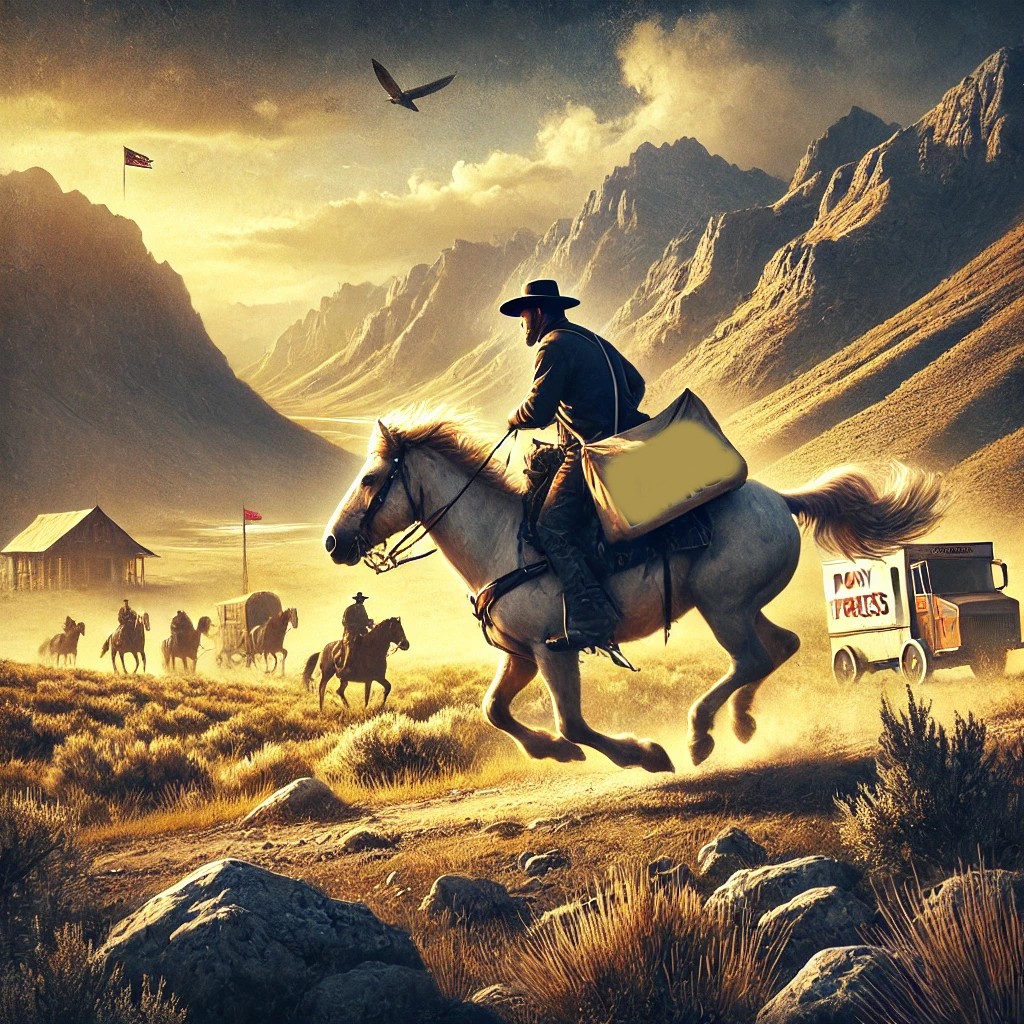
Pony Express riders were the epitome of courage and endurance. Often young men, they were selected for their lightweight and resilience. Riding day and night through treacherous conditions, they faced threats from wildlife, outlaws, and sometimes hostile interactions with Native American tribes whose lands they crossed.
The Horses
The horses used were chosen for speed and stamina. They were primarily mustangs in the West and thoroughbreds in the East. The mail pouches, called “mochilas,” were designed to be quickly transferred from one horse to another at each station, minimizing delays.
Impact on Communication
Speedy Delivery
The most immediate impact of the Pony Express was the drastic reduction in mail delivery time. News, government orders, and personal letters could now traverse the continent in about ten days—a remarkable feat at the time. This speed was crucial during events like the Civil War, where timely communication could influence military strategies and political decisions.
Uniting the Nation
By bridging the East and West, the Pony Express played a symbolic role in uniting a nation on the brink of division. It demonstrated that despite the physical distances, the United States could maintain cohesive communication, fostering a sense of national unity.
Economic Implications
Faster communication facilitated commerce by allowing businesses to operate more efficiently. Merchants could receive orders, invoices, and market news promptly, which was vital for economic growth in the expanding western territories.
Challenges and Limitations
Despite its groundbreaking achievements, the Pony Express faced significant challenges. The operation was costly, and the venture struggled financially. Additionally, the dangers faced by riders and the logistical complexities of maintaining the route were substantial obstacles.
The End of an Era: The Telegraph Arrives
The Pony Express was short-lived, lasting only about 18 months. In October 1861, the completion of the transcontinental telegraph rendered the horseback relay obsolete. The telegraph could transmit messages instantaneously, a technological leap that eclipsed the speed of even the fastest horse.
Legacy of the Pony Express
A Symbol of American Spirit
The Pony Express became a legend, symbolizing determination, innovation, and the relentless pursuit of progress. Its riders and their daring exploits captured the imagination of the public and have been romanticized in stories, films, and folklore.
Influence on Future Communication Systems
While brief, the operation set a precedent for the importance of rapid communication across vast distances. It highlighted the need for infrastructure and innovation, paving the way for future advancements like the transcontinental railroad and telecommunication networks.
Preservation of History
Today, the Pony Express is commemorated through museums, historical trails, and annual re-rides that celebrate its contribution to American history. It serves as a reminder of a transformative period during the Westward Expansion.
Conclusion
The Pony Express revolutionized communication in the American West by dramatically reducing the time it took for information to travel across the continent. Though it operated for a mere 18 months, its impact was profound, symbolizing the relentless drive toward innovation that characterized the era of Westward Expansion. By connecting distant parts of the nation, it not only facilitated commerce and governance but also helped forge a unified American identity during a pivotal moment in history.