Frequently Asked Questions
1. Who was primarily responsible for the start of the Cold War?
Pinpointing a single party responsible for the inception of the Cold War is a contentious issue among historians. Some argue that the United States was to blame due to its aggressive policies post-World War II aimed at containing communism. These included the Truman Doctrine and the Marshall Plan, which were perceived by the Soviet Union as direct threats to communist ideology and Soviet influence. On the other hand, others posit that the Soviet Union escalated tensions by imposing an oppressive regime in Eastern Europe, violating prior agreements at Yalta, and pursuing aggressive expansionist policies. It’s important to understand that the blame might not rest on one side alone, but rather on a complex intertwining of actions, miscommunications, and mistrust on both fronts.
2. How did ideological differences contribute to the Cold War?
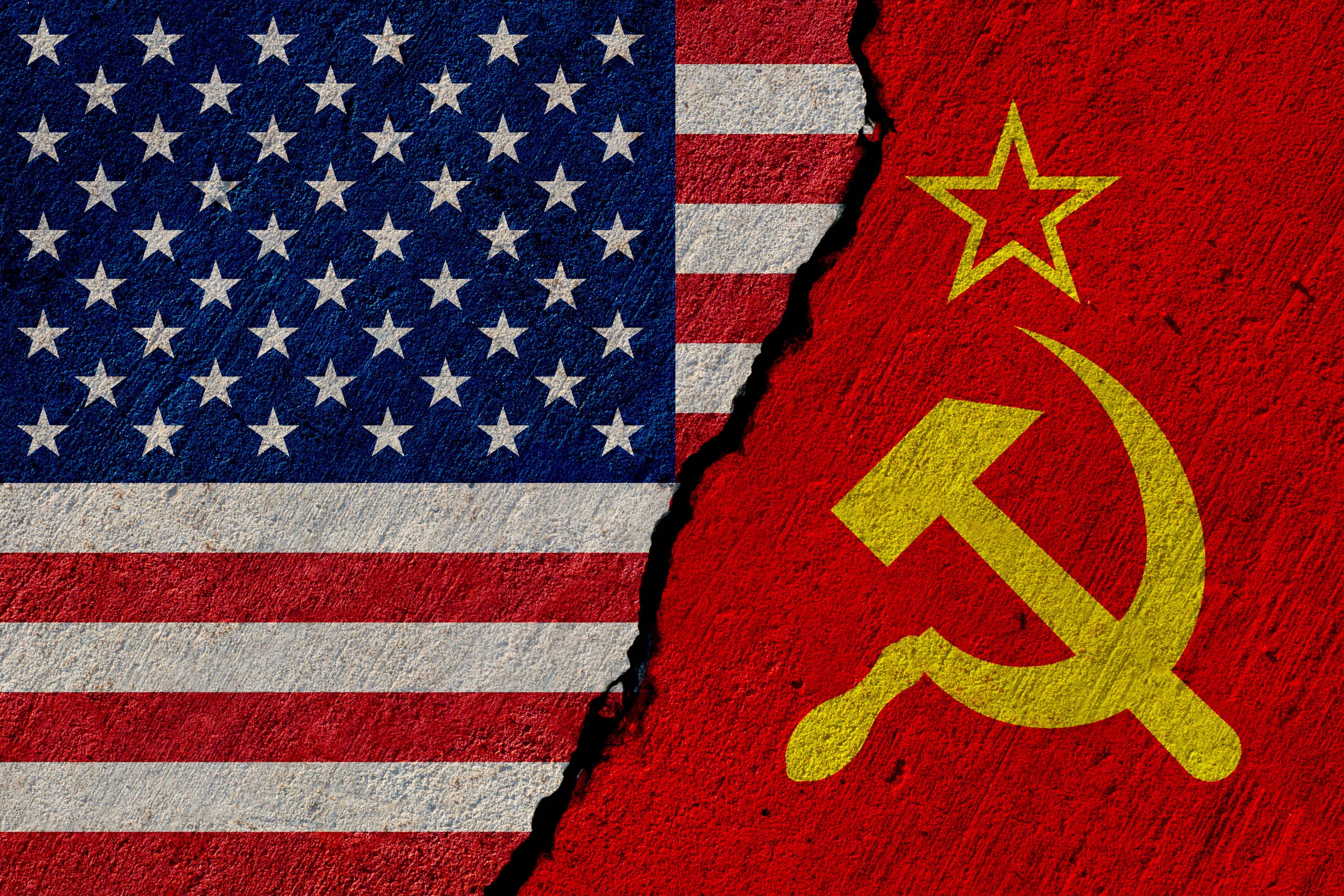
Ideological differences were at the heart of the Cold War tensions. The United States represented liberal democracy and capitalism, emphasizing individual rights and market-driven economies. In contrast, the Soviet Union championed a communist ideology, advocating for state control over resources and collective ownership. This fundamental clash created a dichotomy where each side viewed the other's political and economic systems as a direct threat to their way of life. This schism led to a self-perpetuating cycle of suspicion and hostility, as both nations endeavored to propagate their ideologies globally, often supporting governments or movements that aligned with their worldviews.
3. What role did World War II play in setting the stage for the Cold War?
World War II and its aftermath critically set the stage for the Cold War. During the war, the US and the Soviet Union aligned temporarily to defeat Nazi Germany, but this alliance was fraught with tension. Post-war, Europe was devastated, creating a vacuum filled by US and Soviet interests. The division of Germany and the subsequent Berlin Blockade were direct outcomes of this situation, highlighting the rift between East and West. Moreover, the wartime conferences at Tehran, Yalta, and Potsdam had laid ground for postwar arrangements, yet left many issues unresolved, breeding further mistrust. As victors of World War II, both superpowers sought to mold the world's political landscape, but their visions were starkly different, sowing seeds for conflict.
4. How did nuclear arms contribute to Cold War tensions?
The advent of nuclear weapons played a pivotal role in escalating Cold War tensions. The United States was the first to develop and use atomic bombs in Hiroshima and Nagasaki, which significantly influenced Soviet perceptions of American military prowess. In response, the Soviet Union accelerated its own nuclear program, culminating in its first successful atomic test in 1949. This ignited an arms race, with each nation amassing massive nuclear arsenals in a precarious balance known as Mutually Assured Destruction (MAD). This delicate balance was characterized by an underlying fear that any direct conflict could result in catastrophic consequences. Thus, while preventing open warfare, the nuclear arms race intensified diplomatic hostilities and global anxiety.
5. How did global geopolitics factor into the Cold War dynamics?
Geopolitics played a significant role in perpetuating Cold War dynamics. The global power struggle between the US and the USSR centered around influencing political allegiances and economic models across continents. Strategic regions, particularly in Europe, Asia, Africa, and Latin America, became battlegrounds for ideological supremacy. Both superpowers sought to expand their spheres of influence by providing military, economic, and diplomatic support to allies, sometimes resulting in proxy wars and coups. Notable geopolitical flashpoints included the Korean War, the Vietnam War, and the Cuban Missile Crisis. The global nature of these confrontations underscored the Cold War's pervasive impact, fundamentally altering international relations and shaping the global landscape for future generations.