
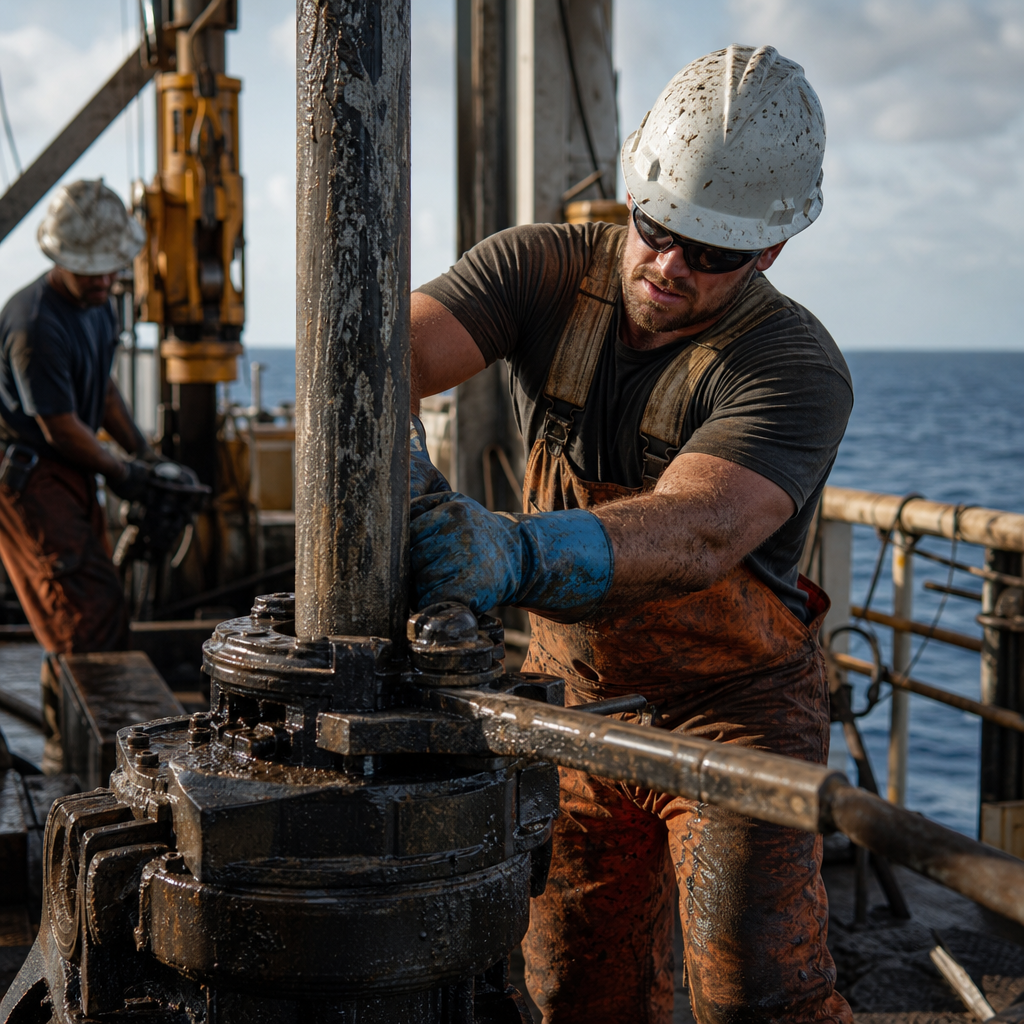
Compensating wage differentials explain why workers in dangerous, unpleasant, or otherwise undesirable jobs often earn more than similar workers in safer or more attractive roles. In labor economics, the term refers to pay differences that arise because jobs vary in risk, schedule, comfort, prestige, autonomy, and training demands. A higher wage can compensate for a greater chance of injury, night work, long commutes, unstable hours, or emotional strain. I have used this concept repeatedly when evaluating pay structures across manufacturing, logistics, health care, and field operations, and it remains one of the clearest ways to connect wages to working conditions rather than skill alone.
This idea matters because many people assume wages reflect productivity only. Productivity is central, but it is not the whole story. Two jobs may require similar education and produce similar output, yet one pays more because fewer people are willing to accept the conditions at the lower rate. If employers need to staff offshore drilling platforms, underground mines, high-rise construction sites, emergency rooms, or overnight freight routes, they usually must offer additional compensation. Without that premium, vacancies stay open, turnover rises, and experienced workers migrate to safer alternatives.
Compensating wage differentials also matter for public policy. Regulators, unions, employers, and workers all use wage data to judge whether labor markets are rewarding risk fairly. If a hazardous job does not pay a premium, that can signal weak bargaining power, poor information, labor oversupply, or inadequate enforcement of safety standards. If a very large premium exists, it can indicate severe risk, chronic understaffing, or geographically isolated work. Understanding the mechanism helps explain earnings patterns across industries and clarifies why safety rules, workers’ compensation, and labor standards shape wages as much as market demand does.
At its core, the theory is simple: workers compare bundles of pay and job characteristics, while firms compare labor costs and production needs. In equilibrium, jobs with worse nonpay attributes must usually offer better pay to attract enough labor. That principle sounds straightforward, but real labor markets complicate it. Information about risk is imperfect, workers differ in tolerance for danger, and some people have few alternatives. The result is that wage premiums exist, but they are uneven, contested, and often smaller than outsiders expect.
How compensating wage differentials work in practice
Economists describe the process as a tradeoff between wages and amenities. Amenities are the desirable parts of a job, such as safety, flexible scheduling, clean worksites, stable hours, strong benefits, or opportunities for advancement. Disamenities are the opposite. When I have reviewed hiring problems in field service and warehouse operations, the same pattern appears: if management adds mandatory overtime, rotating shifts, or exposure to heat and noise, recruitment becomes harder unless pay rises or some other benefit improves. The labor market prices those conditions even when nobody uses economic jargon on the shop floor.
Consider two entry-level positions requiring similar physical ability and basic training. One is a daytime inventory clerk in a climate-controlled distribution center. The other is a nighttime ramp worker loading aircraft in extreme weather around moving equipment. The second job combines schedule disruption, injury risk, noise exposure, and less pleasant surroundings. Employers therefore tend to pay a shift premium, offer retention bonuses, or accelerate overtime eligibility. The extra pay is not charity. It is the amount required to move enough workers from preferred jobs toward the harder position.
The same logic applies beyond physical danger. Nurses in emergency departments often receive higher differentials for overnight shifts, weekends, and trauma-intensive units. Long-haul truck drivers may earn more than local drivers because isolation, time away from home, fatigue, and irregular routines make the job less attractive. Sanitation work, commercial fishing, roofing, and correctional services all illustrate the same principle. When a job imposes higher personal cost, compensation must usually increase to restore balance.
Still, wages do not adjust perfectly. Some hazardous roles pay surprisingly little because workers have limited mobility, lack full information, or face local labor market concentration. Agricultural labor, informal construction, and some subcontracted cleaning work can be dangerous without offering a strong premium. That is why the concept explains tendencies, not moral fairness. A dangerous job can pay more on average while many individual workers remain undercompensated.
Why dangerous jobs usually pay more than safe jobs
The main reason dangerous jobs pay more is that risk reduces the number of people willing to do them. A labor supply curve for a hazardous occupation is effectively shifted inward at lower wages. To attract enough applicants, employers must raise pay until workers view the position as worth accepting. This is especially visible when the risk is obvious and immediate, such as logging, mining, offshore extraction, or ironwork on tall structures. In the United States, fatal injury data from the Bureau of Labor Statistics consistently show elevated risks in logging, commercial fishing, roofing, aviation-related occupations, and transportation roles. Those sectors often include wage premiums, though not always enough to match public perceptions of the danger involved.
Another reason is retention. Recruiting for hazardous work is expensive, but replacing experienced workers is often even more expensive. A veteran lineman, refinery operator, or trauma nurse typically knows procedures that reduce accidents and downtime. If wages lag, those workers move to safer employers, training costs rise, and incident rates can worsen. Paying a premium can therefore save money by stabilizing staffing and preserving institutional knowledge.
There is also a legal and insurance dimension. Employers operating dangerous worksites face workers’ compensation costs, liability exposure, compliance burdens, and operational disruption from accidents. Those realities make safety and pay part of the same labor strategy. In well-run firms, the choice is not between safety and wages; it is how to combine engineering controls, protective equipment, training, staffing levels, and compensation to maintain a viable workforce.
| Job type | Key disamenity | Typical compensation response | Why the premium exists |
|---|---|---|---|
| Offshore oil crew | Isolation, injury risk, long rotations | High base pay plus rotation benefits | Workers give up comfort and accept elevated risk |
| Night-shift nurse | Sleep disruption, stress, weekends | Shift differential and overtime opportunities | Fewer workers want irregular, high-intensity hours |
| Roofing laborer | Falls, weather exposure, physical strain | Higher hourly rate in busy markets | Recruitment is harder when conditions are visibly hazardous |
| Long-haul truck driver | Fatigue, time away from home, road risk | Mileage pay, sign-on bonus, per diem | Personal inconvenience and safety concerns shrink labor supply |
How economists measure the wage premium for risk
Measuring compensating wage differentials is harder than stating the theory. Economists usually estimate wage equations that control for education, experience, occupation, location, industry, union status, and other variables. They then test whether workers in riskier jobs earn more after holding those factors constant. This approach, associated with hedonic wage models, tries to isolate the price of job risk itself. Research often uses fatality rates, injury rates, or exposure indicators from government datasets to approximate risk.
A common output is the implied value workers place on reducing mortality risk, sometimes called the value of a statistical life. This is not the value of any specific person. It is an aggregate measure inferred from how much extra pay workers require to accept a small increase in fatality risk. Governments use related estimates in cost-benefit analysis for transportation rules, environmental regulation, and workplace safety standards. Agencies such as the Environmental Protection Agency and Department of Transportation rely on these methods when evaluating whether a regulation’s benefits justify its costs.
In practice, the estimates vary widely because data quality and model design matter. Workers may sort into jobs based on unobserved traits like risk tolerance, physical strength, or access to alternative employers. Risk measures can be noisy, especially when injury reporting is incomplete. Job titles also hide large differences across firms. A warehouse role in a highly automated facility with strict safety procedures is not equivalent to the same title in an older building with poor supervision. When I compare compensation programs, those within-title differences often explain more than industry averages do.
Even with those limits, the evidence supports the broad conclusion that risk has a price. The premium may appear in hourly wages, bonuses, overtime opportunities, hazard pay, or benefits. It can also be embedded in career ladders. Some employers pay modest starting wages but offer rapid progression because they know retention in demanding environments is difficult.
What weakens or distorts compensating wage differentials
Several forces prevent dangerous jobs from paying as much as the textbook model predicts. The first is imperfect information. Workers may underestimate chemical exposure, repetitive strain, fatigue risk, or the long-run effects of noise and heat. If people do not fully understand the hazard, they may accept too little compensation. This is one reason hazard communication standards, injury reporting, and transparent safety metrics matter economically as well as medically.
The second is unequal bargaining power. When a worker needs immediate income, lacks credentials, or depends on an employer for housing, transportation, or immigration status, the ability to reject dangerous work is limited. In those conditions, the market premium can be compressed. Monopsony power, where employers have outsized control over local hiring, can have the same effect. A remote town with one mine, one processing plant, or one large hospital may not produce fully competitive wage setting.
A third factor is nonwage compensation. Some jobs offset danger with pensions, health coverage, predictable overtime, or unusually stable employment. Public-sector roles in firefighting, policing, and corrections have historically combined risk with benefits and retirement structures that attract applicants even when cash wages alone seem moderate. Comparing headline wages without including benefits can therefore mislead.
Cultural and personal preferences also matter. Some workers value excitement, teamwork, identity, or mission enough to accept lower premiums than economists expect. Wildland firefighting, emergency medicine, and military service often involve this element. People are not purely trading dollars for risk; they are choosing a life pattern, a peer group, and a sense of meaning.
Why safety regulation does not eliminate wage premiums
Safety rules reduce hazards, but they rarely eliminate compensating wage differentials completely. Standards from OSHA, Mine Safety and Health Administration rules, Department of Transportation limits, lockout-tagout procedures, fall protection requirements, respiratory protection programs, and permit-to-work systems lower risk by design. Better engineering controls, machine guarding, ventilation, training, and incident investigation all make jobs safer. Yet even after compliance improves, many roles still involve residual danger, unpleasant conditions, or schedule burdens that require extra pay.
In fact, stronger safety systems can change the form of the premium rather than erase it. A refinery with excellent process safety may still need to pay more for turnaround work because contractors face long shifts, heat stress, strict access controls, and physically demanding tasks. A hospital with robust staffing protocols may still offer night differentials because circadian disruption remains real. From an employer perspective, the most durable strategy is usually to invest in safety first and pay a targeted premium for what cannot reasonably be removed.
There is another important effect: when regulation raises minimum safety standards across an industry, wages may become a clearer signal of remaining differences in risk and inconvenience. If every trucking firm must follow hours-of-service rules, then pay variation reflects route quality, home time, equipment condition, and dispatch reliability more than basic legal compliance. That is a healthier labor market than one where wages compensate for avoidable hazards.
What workers, employers, and policymakers should take from this theory
For workers, the key lesson is to evaluate the full compensation package against the full burden of the job. Ask not only about hourly pay, but about injury rates, training quality, staffing levels, overtime predictability, protective equipment, commute, promotion paths, and benefits. A job that pays two dollars more per hour can still be a worse deal if turnover is extreme, incidents are frequent, and schedules are chaotic. When I advise people comparing offers, I tell them to price the hidden costs honestly: fatigue, family disruption, wear on the body, and lost future options all belong in the calculation.
For employers, compensating wage differentials are a reminder that pay cannot solve every staffing problem. If a job is difficult to fill, the cause may be low wages, but it may also be poor supervision, outdated equipment, unsafe procedures, or inflexible scheduling. The best operators use both levers. They remove unnecessary disamenities and then pay appropriately for the ones that remain. That approach lowers turnover, improves safety, and often costs less than constant replacement hiring.
For policymakers, the theory offers a practical benchmark. If dangerous jobs systematically fail to pay a premium, the issue may not be worker choice at all; it may be information failure, weak enforcement, labor market concentration, or barriers to mobility. Better data, stronger safety oversight, and fair competition can improve both wages and working conditions.
Compensating wage differentials ultimately explain a basic truth about labor markets: pay reflects not just what workers produce, but what they must endure. Dangerous jobs pay more when markets function well enough to force employers to compensate risk, discomfort, and disruption. They pay too little when workers lack information or bargaining power. To understand wages in any industry, look beyond the paycheck and examine the conditions attached to it. If you are assessing careers, setting pay, or analyzing labor policy, use this framework as the starting point for better decisions.
Frequently Asked Questions
What are compensating wage differentials in labor economics?
Compensating wage differentials are the extra pay, benefits, or other rewards workers receive for accepting jobs with less desirable characteristics. In labor economics, the idea is simple but powerful: jobs are not identical, so wages do not reflect skill alone. Some jobs involve physical danger, irregular schedules, long commutes, emotional stress, unpleasant environments, low prestige, or limited flexibility. To attract workers into those roles, employers often have to offer higher pay than they would for a safer, cleaner, more convenient, or more enjoyable job requiring similar qualifications.
This concept helps explain why two workers with similar education, experience, and productivity may earn different wages if one works on an offshore oil rig, in a trauma unit overnight, or in a high-noise industrial setting, while the other works in a climate-controlled office during regular daytime hours. The wage gap is not always a “bonus” in the ordinary sense. Instead, it is the market’s way of balancing tradeoffs. Workers compare the full package of a job, not just the paycheck, and employers adjust compensation when the non-wage aspects of a job are difficult to accept.
Importantly, compensating differentials can work in both directions. Undesirable jobs may need to pay more, while highly desirable jobs may pay less because workers are willing to accept lower wages in exchange for prestige, flexibility, comfort, or personal meaning. That is why this idea is central to understanding real-world wage differences: pay is often a response to the total quality of a job, not merely the tasks performed.
Why do dangerous jobs often pay more than safer jobs?
Dangerous jobs often pay more because employers must compensate workers for taking on a higher probability of injury, illness, or even death. If two jobs require similar ability and effort, but one exposes workers to heavy machinery, toxic chemicals, extreme weather, heights, or unpredictable physical hazards, many workers will prefer the safer option unless the riskier role offers something extra. In competitive labor markets, that “something extra” is usually higher pay.
This premium serves as a market incentive. Without it, firms in hazardous industries would struggle to recruit and retain enough workers. Higher wages help offset the fact that employees may face not only immediate risk, but also long-term costs such as chronic pain, disability, stress, family disruption, or reduced peace of mind. The wage differential is therefore tied to the unpleasant or risky nature of the work itself, not simply to the industry label.
That said, dangerous jobs do not automatically pay more in every case. Wages also depend on worker bargaining power, unionization, regulation, local labor supply, required training, and how well workers understand the risks. Some hazardous occupations pay relatively little if workers have limited alternatives or if employers can easily replace them. So the principle is not that danger guarantees high pay, but that risk tends to raise wages when labor markets are functioning in a way that forces employers to compensate workers for undesirable conditions.
Are compensating wage differentials only about physical danger?
No. Physical danger is one of the most visible examples, but compensating wage differentials cover a much broader range of job characteristics. Any aspect of a job that workers generally dislike may require compensation. That includes night shifts, rotating schedules, long or expensive commutes, exposure to extreme temperatures, repetitive strain, emotional burnout, unstable hours, low autonomy, unpleasant customer interactions, social stigma, and even intensive monitoring by employers.
For example, overnight warehouse work may pay more than a comparable daytime role because many workers find night schedules disruptive to sleep, health, and family life. Jobs with on-call responsibilities may offer premium pay because workers give up predictability and flexibility. Roles involving grief, trauma, or conflict may require higher compensation because emotional strain is itself a real cost to workers, even if the physical environment is safe. Similarly, remote or isolated jobs may pay more because they involve separation from family, limited amenities, or relocation burdens.
On the other hand, attractive job features can reduce wages. A position with strong prestige, creative freedom, excellent location, flexible hours, or meaningful mission may pay less than a less enjoyable alternative because workers value those advantages. So compensating differentials are best understood as a way of pricing all the non-wage traits of a job, not just visible hazard. They explain why labor markets reward or discount work based on the full experience of doing it.
How do economists measure compensating wage differentials?
Economists usually measure compensating wage differentials by comparing wages across workers and jobs while controlling for other factors that also affect pay. The goal is to isolate how much of a wage difference is associated with one undesirable job attribute, such as injury risk or night work, rather than with education, experience, occupation, region, or productivity. In practice, researchers often use statistical models that estimate the relationship between wages and job characteristics after accounting for these other influences.
For dangerous work, economists may combine wage data with occupational injury or fatality rates. If workers in riskier occupations consistently earn more than similar workers in safer occupations, the estimated wage premium is interpreted as a compensating differential for risk. This kind of research has been especially important in estimating the “value of a statistical life,” which is not the value of any one person’s life, but a policy measure derived from how much workers must be paid to accept small increases in fatality risk.
Measurement is not always straightforward. Workers differ in risk tolerance, information, preferences, and outside options. Some may accept lower pay because they enjoy aspects of a difficult job; others may demand much more compensation for the same condition. In addition, job risks are not always perfectly observed, and many undesirable features occur together. A hazardous job may also require irregular travel, specialized training, and unusual stamina. Because of that, economists treat compensating differentials as an empirical question rather than a fixed rule. Even so, the core method remains the same: compare similar workers in different job settings and identify how wages adjust when job conditions become less appealing.
Do compensating wage differentials mean the labor market is fair?
Not necessarily. The existence of compensating wage differentials shows that labor markets can respond to undesirable working conditions, but it does not prove that outcomes are fully fair, efficient, or equitable. For the theory to work cleanly, workers need good information about job conditions, meaningful freedom to choose among alternatives, and enough bargaining power to reject unattractive jobs unless they are properly compensated. In the real world, those conditions are often incomplete.
Some workers may accept dangerous or unpleasant work because they have few other options, not because the wage premium truly matches the hardship involved. Others may underestimate risks, especially if employers do not disclose them clearly or if the harms appear only in the long run. Labor market discrimination, immigration status, lack of union representation, and geographic constraints can all weaken a worker’s ability to demand adequate compensation. In those cases, a hazardous job may still pay more than a safer one, but not enough to fairly offset the burden.
This is why the concept is useful but not sufficient on its own. It helps explain wage patterns, but it does not replace workplace safety laws, disclosure rules, collective bargaining, minimum labor standards, or public policy aimed at protecting workers. A higher wage can compensate for some undesirable job traits, but many societies decide that certain risks should be reduced rather than merely priced. In other words, compensating wage differentials explain why dangerous jobs may pay more, but they do not settle the larger moral and policy question of how much risk workers should ever be asked to bear.