
Introduction
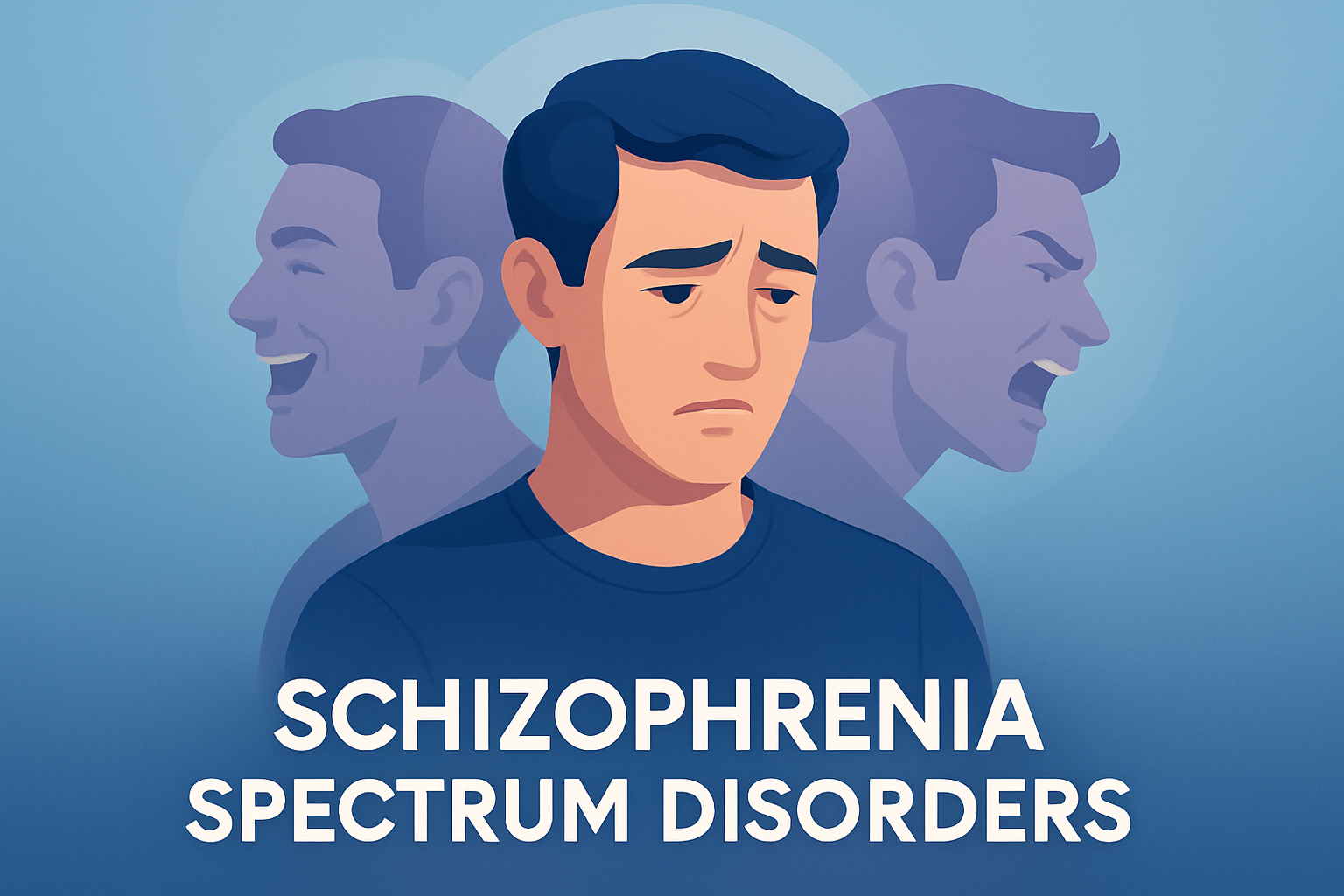
Schizophrenia Spectrum Disorders represent a group of complex mental health conditions that profoundly impact individuals’ lives worldwide. These disorders are characterized by a range of symptoms, including hallucinations, delusions, disorganized thinking, and impaired functioning. The term “schizophrenia spectrum” refers to the diversity within these disorders, as they can manifest differently depending on the individual. Understanding these disorders is crucial as they affect nearly 1% of the world’s population, leading to significant social and economic consequences. Without adequate treatment and societal support, people with these disorders often face stigma, isolation, and challenges in maintaining relationships and daily activities. This article delves into the intricacies of schizophrenia spectrum disorders, exploring their causes, symptoms, and the importance of effective management.
Understanding Schizophrenia Spectrum Disorders
Schizophrenia spectrum disorders include a range of psychiatric conditions, the most recognized of which is schizophrenia itself. These disorders are defined by abnormalities in one or more domains: delusions, hallucinations, disorganized thinking, and abnormal motor behavior. The severity and type of symptoms can vary, often changing over time. For instance, some individuals might experience more severe episodes interspersed with periods of relative normalcy, while others may face persistent symptoms.
Common Symptoms and Challenges
Symptoms of schizophrenia spectrum disorders can be classified into three main categories: positive, negative, and cognitive. Positive symptoms include hallucinations (hearing or seeing things that aren’t present) and delusions (false beliefs not based in reality). Negative symptoms involve diminished emotional expression, anhedonia (lack of pleasure), and avolition (decrease in initiating activities). Cognitive symptoms encompass issues with memory, attention, and decision-making. These symptoms illustrate the complex nature of the disorders, as they impact both mental and physical health.
Causes and Risk Factors
Understanding the causes of schizophrenia spectrum disorders remains a significant challenge due to their multifaceted nature. Research suggests that a combination of genetic, environmental, and neurobiological factors play critical roles. A family history of schizophrenia is a strong risk factor, indicating a substantial genetic component. However, environmental influences such as prenatal exposure to infections, malnutrition, and psychosocial stressors can also contribute. Brain imaging studies reveal structural and functional abnormalities in individuals with these disorders, although the relationship between these findings and symptomatology is not entirely clear.
Diagnosis: Navigating the Complexity
Diagnosing schizophrenia spectrum disorders requires a comprehensive evaluation by a clinician, often involving interviews, questionnaires, and observation. The Diagnostic and Statistical Manual of Mental Disorders, Fifth Edition (DSM-5) provides guidelines for classifying these disorders. However, the subjective nature of symptoms and overlapping features with other psychiatric conditions can complicate diagnosis. Early diagnosis is crucial as it enables prompt intervention, which can mitigate long-term impacts and enhance the quality of life for those affected.
Treatment Perspectives
Treatment for schizophrenia spectrum disorders typically involves a combination of pharmacological and psychosocial interventions. Antipsychotic medications are often prescribed to manage core symptoms, but these medications can have significant side effects, necessitating a tailored approach for each individual. Psychotherapy, particularly cognitive-behavioral therapy (CBT), can help individuals challenge distorted thoughts and improve coping mechanisms. Additionally, psychosocial interventions, including supported employment, peer support, and family therapy, are vital in addressing the broader psychosocial challenges that individuals face.
The Role of Support Systems
Support systems play a crucial role in the management of schizophrenia spectrum disorders. Family involvement, peer networks, and professional support groups create a supportive environment that can significantly enhance treatment outcomes. For instance, structured support systems can provide patients with resources for daily living, facilitate social interaction, and help reduce feelings of isolation and stigma. As people do not exist in isolation, the support from society at large can prove transformative.
- Family therapy can improve communication and understanding
- Peer support networks offer shared experiences and encouragement
- Professional support groups provide specialized assistance and guidance
Case Study: Real-World Implication
Consider the case of James, a 28-year-old who was diagnosed with schizophrenia following a series of psychotic episodes. His journey illustrates both the complexities of the disorder and the impact of comprehensive treatment. Initially, James struggled with delusions and auditory hallucinations that led to job loss and strained familial relationships. Upon diagnosis, James’s treatment plan included antipsychotics, CBT, and active engagement in a local support group. Over time, he gained improved insight into his condition and developed coping strategies that not only reduced his symptoms but also enhanced his professional and social functioning. James’s story showcases the potential for recovery and improved quality of life when comprehensive treatment and strong support systems are in place.
Challenges and Future Directions
Despite advancements, numerous challenges remain in the treatment and management of schizophrenia spectrum disorders. One significant barrier is the stigma associated with mental illness, often preventing individuals from seeking help. Moreover, disparities in access to mental health care, particularly in under-resourced communities, hinder effective management. Looking forward, research focusing on the biology of these disorders, personalized medicine, and interventions targeting early stages of illness holds promise. Emerging models of care that integrate mental health services with general healthcare settings aim to reduce stigma and enhance access to comprehensive treatment.
Conclusion: Path Forward
Schizophrenia spectrum disorders are complex, multifaceted mental health conditions that demand a multifaceted approach for effective treatment and support. Key takeaways include the importance of early intervention, comprehensive and individualized treatment plans, and the critical role of support systems in enhancing quality of life and recovery. Understanding these disorders and spreading awareness can significantly reduce the stigma, which in turn encourages those affected to seek help without fear of discrimination. For individuals, families, and communities, the path forward involves active engagement with mental health services, continued education about these disorders, and advocacy for improved access to care. Lastly, the reader is encouraged to stay informed and compassionate towards individuals with schizophrenia spectrum disorders, as empathy and support are instrumental in creating a more inclusive society.
Frequently Asked Questions
1. What are Schizophrenia Spectrum Disorders and how do they affect individuals?
Schizophrenia Spectrum Disorders are a group of mental health conditions that significantly impact an individual’s brain and behavior, affecting how they think, feel, and perceive reality. This spectrum includes schizophrenia, schizoaffective disorder, and brief psychotic disorder, among others. The hallmark symptoms of these disorders involve hallucinations, such as hearing voices that are not present, and delusions, which are false beliefs that are strongly held despite evidence to the contrary. There is also a notable disturbance in thinking patterns, leading to disorganized speech and behavior. These symptoms contribute to impaired social and occupational functioning, making everyday tasks challenging for those affected.
The disorders within this spectrum can manifest differently from person to person, contributing to a wide-ranging and sometimes fluctuating clinical presentation. For instance, two people with schizophrenia might experience vastly different symptoms, which means a tailored and individualized approach to treatment is essential. It’s crucial for caregivers and family members to understand how these disorders can affect mood, motivation, and the ability to maintain relationships, often requiring long-term management strategies and support networks.
2. What causes Schizophrenia Spectrum Disorders, and are there known risk factors?
The exact cause of Schizophrenia Spectrum Disorders is still a subject of extensive research, but it is generally understood to be multifactorial. A combination of genetic, biological, environmental, and psychological factors are believed to contribute to the risk of developing these conditions. Family history can play a significant role, as individuals with a close relative who has schizophrenia are more likely to develop the disorder. However, it’s important to note that schizophrenia is not solely determined by genetics.
Biological factors such as abnormalities in brain chemistry and structure are also implicated. Imbalances in neurotransmitters like dopamine and glutamate can influence symptoms and severity. Meanwhile, prenatal exposures, including maternal malnutrition and viral infections, stress during gestation, and complications during birth might increase susceptibility to these disorders. Environmental factors, such as early trauma, severe stressors, and substance abuse, particularly cannabis, can trigger or exacerbate symptoms in those who are predisposed. Understanding these factors can help in early intervention and in mitigating risks when possible.
3. How are Schizophrenia Spectrum Disorders diagnosed?
Diagnosing Schizophrenia Spectrum Disorders involves a comprehensive assessment that typically includes a psychiatric evaluation, a detailed medical history, and sometimes laboratory tests, though there is no single test that can diagnose these conditions. A mental health professional will assess the presence and impact of symptoms and rule out potential other psychiatric or medical conditions that may mimic the symptoms of schizophrenia.
The diagnostic criteria outlined in the Diagnostic and Statistical Manual of Mental Disorders (DSM-5) are often used as a guideline. Symptoms should be present for a significant portion of time over a one-month period, with some level of disturbance persisting for at least six months. The evaluation process often involves interviewing the individual and their family or caregivers to gather information about the symptoms’ onset, duration, and impact on daily functioning. Thoroughly understanding the personal and biological background helps professionals make a more accurate diagnosis, which is fundamental for determining the most effective treatment plan.
4. What treatment options are available for Schizophrenia Spectrum Disorders?
Treatment for Schizophrenia Spectrum Disorders typically involves a combination of medication, psychotherapy, and support services to provide a holistic approach to care. Antipsychotic medications are the cornerstone of the treatment, aimed at managing symptoms like hallucinations and delusions. These medications can take several weeks to help, and finding the right type and dose can take time, often requiring ongoing adjustments.
Therapeutic interventions, including cognitive behavioral therapy (CBT), are beneficial in helping individuals develop skills to manage symptoms, cope with stress, and improve communication. Family therapy can be invaluable for educating loved ones about the disorders, fostering a supportive environment, and addressing family dynamics that impact treatment adherence. Additionally, social skills training and supported employment programs help individuals with daily living tasks and improve social functioning, contributing to a better quality of life. It’s important for individuals with Schizophrenia Spectrum Disorders to remain engaged with their treatment plans and support networks, as ongoing management and follow-up care help maintain symptom control and prevent relapse.
5. Can people with Schizophrenia Spectrum Disorders lead fulfilling lives, and how can they manage day-to-day challenges?
Yes, individuals with Schizophrenia Spectrum Disorders can indeed lead fulfilling lives, especially with access to appropriate treatment and support. While these disorders can pose significant challenges, many can achieve stability and improved well-being through an effective combination of medical care, therapy, and personal coping strategies. Establishing a routine that includes maintaining healthy lifestyle choices, such as a balanced diet, regular exercise, adequate sleep, and avoiding substance abuse, can also have a positive impact.
Building a strong support network is equally critical. Support from family, friends, mental health professionals, and peer groups can provide encouragement, reduce isolation, and help individuals feel more empowered to manage their condition. Day-to-day challenges, such as keeping track of medication, managing stress, and maintaining relationships, can often be addressed effectively with the guidance of healthcare providers. Technology also offers tools, like reminder apps and telehealth services, that aid in consistent management. With the right strategies and support, people with Schizophrenia Spectrum Disorders can pursue meaningful life goals, work, education, and personal growth.