
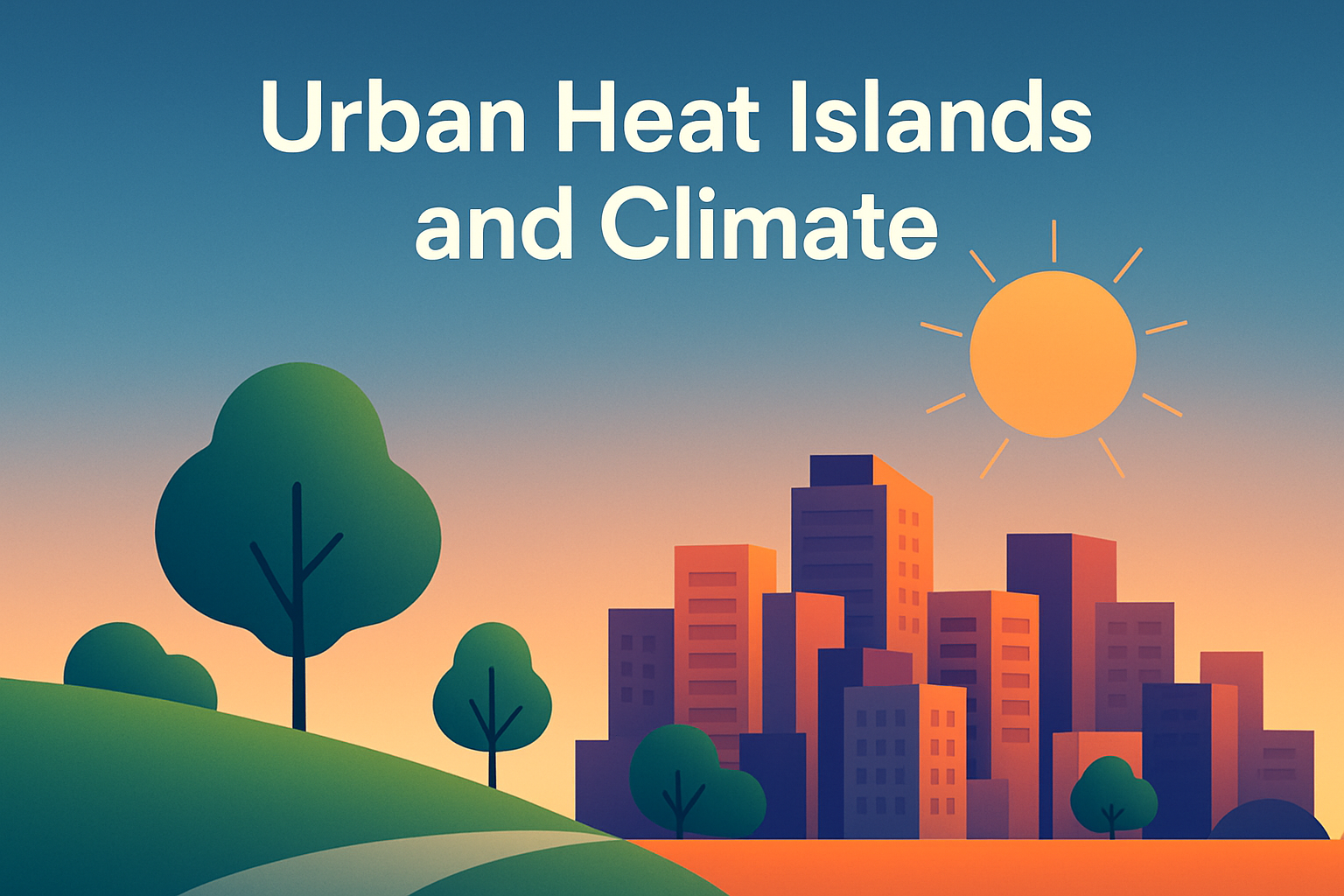
Urban Heat Islands (UHIs) are a significant phenomenon impacting our climate, cities, and daily lives. At its core, an Urban Heat Island is an urban area significantly warmer than its rural surroundings due to human activities. This temperature difference is caused by various factors, including the modification of land surfaces, waste heat generated by energy usage, and increased human activity. The relevance of UHIs is profound, not just because they affect local climates, but because they exacerbate energy consumption, contribute to air pollution, and negatively impact human health. Understanding UHIs is crucial as we work towards sustainable urban planning and climate mitigation strategies. With climate change becoming a pressing global issue, recognizing the implications of UHIs on urban settings is more critical than ever.
The Causes of Urban Heat Islands
The warming in urban heat islands primarily results from several factors. One major cause is the replacement of natural land cover with materials like concrete, asphalt, and buildings. These materials have high heat capacities and tend to absorb more sunlight during the day, releasing this heat slowly at night. In forests or rural areas, vegetation provides cooling through a process known as evapotranspiration, where plants release water vapor. In contrast, urban areas lack sufficient greenery to provide this cooling effect, leading to higher average temperatures.
An illustrative example comes from Phoenix, Arizona, where nighttime temperatures are significantly higher than those in nearby rural areas due to the predominance of heat-absorbing surfaces. The city experiences an intense UHI effect, reflecting the significant changes to land surface and the consequent mitigation of natural cooling processes.
Energy Consumption and Urban Heat Islands
The implications of UHIs extend to increased energy consumption, particularly in warm climates. As urban temperatures rise, the demand for air conditioning in residential and commercial buildings surges. This not only increases utility bills for individuals, but also escalates energy consumption at a community level. Elevated energy usage contributes to higher greenhouse gas emissions, creating a vicious cycle that further aggravates climate change.
For instance, studies in Tokyo, Japan, have shown that peak electricity demand grows by 1-2% per one-degree Celsius increase in temperature due to the UHI effect. Consequently, cities need to implement sustainable energy practices and technologies to manage these increasing demands and curtail further environmental impact.
Health Impacts of Urban Heat Islands
The health ramifications of UHIs are significant and concerning. Higher temperatures can contribute to heat-related illnesses, such as heat exhaustion and heatstroke, particularly during heatwaves. Vulnerable populations, such as the elderly, children, and those with preexisting health conditions, are at higher risk.
A tragic example occurred in Paris during the 2003 European heatwave, where the UHI effect exacerbated conditions. The city saw a significant spike in heat-related deaths, emphasizing the need for effective heat mitigation strategies within urban planning. Addressing UHI impacts is vital for public health and safety.
Strategies to Mitigate Urban Heat Islands
To tackle the challenges posed by UHIs, cities around the globe are adopting a variety of mitigation strategies. These include increasing urban greenery through parks and green roofs, using reflective or “cool” roofing materials, and implementing heat-retentive materials in urban construction.
- Green roofs and vertical gardens: These help reduce heat absorption and improve air quality by introducing more vegetation into urban settings.
- Cool pavements: Using materials that reflect more sunlight, cities can lower ambient temperatures on streets and sidewalks.
- Urban planning: Integrating open spaces and thoughtful planning can help enhance airflow and reduce heat concentrations in densely built environments.
Chicago, USA, is a compelling example of successful UHI mitigation. The city has implemented numerous green roof projects, increasing green space within its urban core. As a result, Chicago benefits from reduced local temperatures and lower energy needs, demonstrating the potential for climate-resilient cities through thoughtful urban design.
Environmental and Social Benefits of UHI Mitigation
Addressing UHIs does not only mitigate local temperature rise but also brings significant environmental and social benefits. By lowering UHI effects, we can reduce greenhouse gas emissions, decrease energy consumption, and improve air quality. This leads to healthier living environments and improved quality of life for urban residents.
Socially, UHI mitigation strategies can promote community engagement and awareness about sustainable living. Implementing community-led initiatives, like neighborhood green projects, fosters collaboration and strengthens communal bonds.
| City | Mitigation Strategy | Environmental Benefit | Social Impact |
|---|---|---|---|
| New York City | Cool Roofs Initiative | Lowered local temperature | Construction job creation |
| Los Angeles | Tree planting programs | Improved air quality | Increased community involvement |
| Toronto | Green Building Standards | Reduced energy consumption | Enhanced urban aesthetics |
Climate Change and Urban Heat Islands
Urban heat islands have direct implications for climate change. By contributing to increased energy consumption and greenhouse gas emissions, UHIs play a role in accelerating climate change. Conversely, climate change can exacerbate UHIs by leading to more frequent and intense heatwaves, creating a feedback loop that makes managing urban temperatures even more challenging.
Mumbai, India, offers a real-world case where this dynamic is being observed. With rising global temperatures, the city is experiencing intensified UHI effects, leading to higher energy demands for cooling, further contributing to carbon emissions. Addressing this issue requires a dual approach—implementing UHI mitigation strategies while also adapting to global climate change.
Global and Local Policy Responses
Addressing UHIs requires coordinated policy responses that integrate urban planning, climate change adaptation, and public health strategies. Policies encouraging the adoption of green building codes, incentivizing urban green space development, and promoting renewable energy sources are key to managing UHIs effectively.
European cities, such as Copenhagen, have adopted comprehensive climate plans that incorporate UHI mitigation as a core component. By setting targets for increasing green cover and reducing emissions, these cities demonstrate how policy can effectively address urban heat challenges.
The Future of Urban Heat Islands
The future of urban heat management lies in innovative, interdisciplinary approaches combining technology, policy, and community engagement. Leveraging smart city technologies can provide real-time data, empowering cities to adapt strategies dynamically. Moreover, involving communities in planning can ensure solutions are locally adapted and broadly supported.
Singapore is at the forefront of such innovations, integrating its Smart Nation initiative with urban planning to better manage its UHI impacts. By utilizing data-driven solutions, Singapore offers a blueprint for future-ready cities capable of addressing urban heat and climate challenges comprehensively.
Conclusion
Urban Heat Islands significantly impact urban climates, energy use, and public health. Through a deep understanding of their causes and effects, and by implementing targeted mitigation strategies, cities can reduce UHI impacts while also contributing to broader climate change objectives. By adopting innovative solutions and policies, cities worldwide have the opportunity to manage heat effectively, safeguarding urban environments and enhancing the quality of life for residents.
Understanding and managing UHIs is essential for creating resilient cities equipped to face the challenges of a changing climate. For individuals, supporting policies that promote sustainable urban designs and participating in local green initiatives can contribute to mitigating these effects. By working together, we can make our cities cooler, healthier, and more sustainable for future generations.
Take action today by advocating for greener urban spaces and sustainable energy practices in your community. Together, we can make strides toward reducing urban heat and building climate-resilient future economies.
Frequently Asked Questions
What is an Urban Heat Island (UHI) and why is it important?
Urban Heat Islands (UHIs) are a phenomenon where urban or metropolitan areas become significantly warmer than their rural surroundings due to human activities. This effect is primarily caused by the modification of land surfaces, such as the construction of buildings, roads, and other infrastructure that absorb and retain heat. Furthermore, human activities like vehicle emissions, industrial processes, and energy usage contribute to the additional warmth through the generation of waste heat.
The importance of UHIs extends beyond just the temperature difference they create. UHIs can have profound impacts on the environment and local weather patterns. They can exacerbate heatwaves, reduce air quality, and increase energy consumption for cooling, which further contributes to greenhouse gas emissions. Moreover, the higher temperatures associated with UHIs can have adverse health effects, particularly for vulnerable populations such as the elderly and those with pre-existing health conditions.
How do Urban Heat Islands affect our daily lives?
Urban Heat Islands influence our daily lives in various ways, often making urban living more uncomfortable and occasionally hazardous. During hot months, cities within a UHI can experience temperatures several degrees higher than surrounding rural areas. This can lead to increased reliance on air conditioning, resulting in higher electricity bills and greater emissions from power plants, which in turn contribute to climate change, creating a vicious cycle.
Aside from the financial implications, the health effects are considerable. Prolonged exposure to high temperatures can lead to heat-related illnesses such as heat exhaustion and heatstroke. This is particularly concerning for populations lacking adequate cooling options. Furthermore, the elevated temperatures can exacerbate air pollution problems, leading to smog formation that affects respiratory health. Increase heat also strains water resources due to higher rates of evaporation and intensified demand for water usage.
What contributes to the formation of Urban Heat Islands?
Several factors contribute to the formation of Urban Heat Islands. Firstly, the replacement of natural landscapes with concrete, asphalt, and buildings alters how the land absorbs and retains heat. These materials have lower albedo (reflectivity) and high heat capacity, meaning they absorb more solar radiation and slowly release it, warming the urban atmosphere.
Additionally, waste heat from industrial activities, vehicles, and buildings all contribute to UHI formation. This includes heat expelled from air-conditioning systems, industrial processes, and electricity generation, which releases additional warmth into the environment.
Urban geometry also plays a role, with taller buildings limiting wind flow and trapping heat, while narrow streets in densely populated areas contribute to heat retention. Moreover, the reduction of vegetation and green spaces, which naturally cool the environment through shade and the process of evapotranspiration, intensifies the UHI effect.
Can Urban Heat Islands influence local climate and weather patterns?
Yes, Urban Heat Islands can significantly impact local climate and weather patterns. The increased temperature of cities can alter wind patterns, humidity levels, and precipitation distribution. Because UHIs affect the thermal gradient across urban and rural areas, they can enhance local winds, known as urban breezes, which differ from prevailing wind patterns and can impact flight and navigation conditions.
The warmth from UHIs can also influence cloud formation and precipitation. Warmer air can increase the capacity to hold moisture, potentially leading to more frequent and intense rainfall events in and around urban areas. However, during dry conditions, the UHI may exacerbate drought conditions by increasing evaporation and reducing moisture availability.
Furthermore, UHIs can extend the length of the warm season in urban areas, affecting ecosystems and agriculture. This can lead to earlier flowering of plants, changes in animal behavior, and mismatches in the timing of food availability for wildlife.
What can cities do to mitigate the effects of Urban Heat Islands?
There are several strategies cities can employ to mitigate the effects of Urban Heat Islands. One effective approach is increasing urban green spaces by planting trees and establishing parks. Vegetation helps cool cities through shading and evapotranspiration, reducing ambient temperatures. Implementing green roofs and walls on buildings can further enhance this cooling effect while providing insulation.
The use of reflective or cool roofing materials and pavements that reflect rather than absorb sunlight can also help lower surface temperatures. Policies encouraging the installation of such materials during construction and renovation can make a significant difference in combating UHIs.
Reducing energy consumption is crucial to minimizing waste heat. This can be achieved through improved energy efficiency in buildings, reliance on public transportation, and promoting renewable energy sources. Urban planning that incorporates these elements can create cleaner, cooler, and more sustainable cities.
Additionally, promoting community awareness about the benefits of heat reduction measures and encouraging public participation in urban greening projects can foster a collective effort towards addressing UHIs. Municipalities could also implement policies that limit urban sprawl and promote density, easing pressure on infrastructure and preserving natural landscapes.