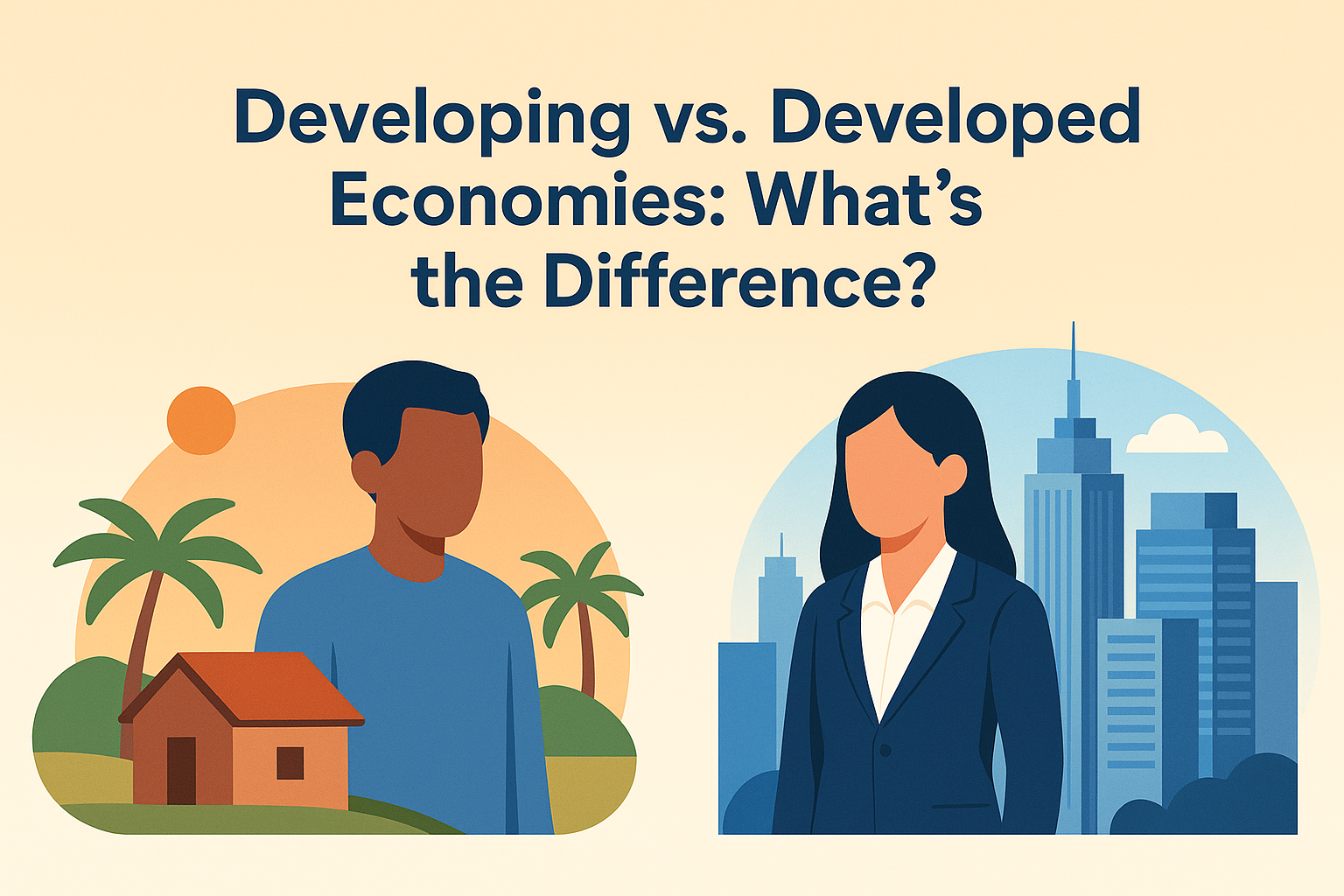
In today’s interconnected world, the terms ‘developing economy’ and ‘developed economy’ are frequently used to classify nations based on their economic standing. These classifications hold significant importance as they not only shape global trade but also influence international policy-making, investments, and aid distribution. Understanding the differences between developing and developed economies is crucial for policymakers, businesses, and global citizens aiming to navigate the complex economic landscape.
But what exactly do these terms mean? At its core, a developed economy is one that enjoys a high level of industrialization, a robust infrastructure, and a high standard of living. In contrast, a developing economy is characterized by lower income levels, less industrialization, and often a struggling infrastructure. This differentiation matters because it affects everything from the quality of life of individuals to the potential for economic growth and the ability to attract investment. The significance of distinguishing between these types of economies is profound, impacting everything from diplomatic relations to global financial stability. In this article, we will explore the distinctions and delve into real-world examples to enhance our understanding of what separates these two economic categories.
Characteristics and Indicators of Developed Economies
Developed economies, often referred to as advanced economies, are typically characterized by high per capita income levels, significant industrialization, and technological prowess. Moreover, they exhibit stable economic growth, comprehensive infrastructure, and a high Human Development Index (HDI).
For instance, countries like the United States, Germany, and Japan are considered developed due to their advanced technological capabilities, strong infrastructure, and high standards of living. In these nations, the employment structure tends to lean towards the tertiary and quaternary sectors, including finance, healthcare, and education, rather than agriculture or raw manufacturing.
Key Aspects of Developing Economies
Developing economies are characterized by lower income levels, a higher percentage of agricultural employment, and limited access to advanced technology. These economies often experience challenges such as infrastructural deficits, political instability, and limited human capital development.
Take, for example, countries like India and Nigeria. Although these nations have experienced rapid development in recent years, they still struggle with significant portions of their population living in poverty. Large segments of their workforces are employed in agriculture, and while industrialization is progressing, it is not yet as advanced as in developed countries.
Differences in Economic Growth and Stability
Evolving at different paces, developing and developed economies exhibit variances in growth rates and economic stability. Developing economies typically enjoy higher growth rates due to the potential for rapid infrastructural development and industrialization. However, this rapid growth often comes with higher volatility and susceptibility to economic shocks.
| Aspect | Developed Economies | Developing Economies |
|---|---|---|
| Growth Rate | Moderate | High |
| Stability | High | Variable |
The 2008 financial crisis exemplifies the comparative stability of developed economies. Although developed nations were affected, their robust financial systems and policy frameworks allowed for a relatively quicker recovery. Conversely, many developing countries faced prolonged economic downturns, highlighting their vulnerabilities.
Income Disparities and Inequality
Income inequality is a striking difference between developed and developing economies. Developed countries usually have mechanisms and policies in place to address income disparities, such as well-designed tax systems and social welfare programs.
On the contrary, developing economies often struggle with significant income disparities due to a combination of factors, including inadequate education systems and limited access to resources. This gap hinders economic growth and development, as a significant portion of the population may not have the means to contribute productively to the economy.
For example, in Brazil, one of the world’s largest emerging markets, there is a clear income gap despite overall economic growth. Efforts to bridge this divide include aggressive poverty alleviation programs and investments in education.
Infrastructure and Technology
The availability and quality of infrastructure and technology are other distinguishing factors between developing and developed economies. Developed nations boast advanced infrastructure, including efficient transportation networks, reliable power supplies, and high-speed internet access. These elements facilitate economic activities and enhance living standards.
In contrast, developing economies often face significant challenges in these areas. Poor infrastructure can impede the flow of goods and services, and limited technological access can reduce productivity and innovation. Take Sub-Saharan Africa, for instance, where infrastructural deficits are a commonplace obstacle to economic growth. Initiatives to improve infrastructure are ongoing, supported by both domestic policies and international assistance.
Role and Impact of External Aid
Developing economies often rely on external aid and investments to bolster their economic growth. While this aid can provide much-needed support for infrastructure projects and social programs, it can also create dependencies and financial obligations that complicate domestic policy-making.
Conversely, developed economies are often contributors to such aid, using their resources to influence global economic stability and assist in the sustainable development of less economically advantaged nations. This distribution of aid is essential but also highlights the power dynamics between countries of varying economic status.
The Importance of Global Economic Policies
International economic policies play a crucial role in shaping both developing and developed economies. Free trade agreements, tariffs, and global market regulations can impact these nations differently.
For example, developed economies, with their robust industrial bases, often benefit from open global trade by accessing broader markets. Meanwhile, developing countries may face challenges from such policies, competing with well-established industrial entities or being subjected to protective tariffs that limit market access.
As a result, international bodies like the World Trade Organization (WTO) work to create more equitable platforms for all nations to benefit from global economic activities.
Conclusion
In summary, understanding the differences between developing and developed economies involves examining a multitude of aspects, including but not limited to economic growth rates, technological infrastructure, income levels, and external aid dynamics. Each economy, regardless of its current classification, faces unique challenges and opportunities. Grasping these differences is fundamental for stakeholders at all levels who engage with global economic activities.
By pinpointing these disparities, policymakers can craft more effective strategies that aim for inclusive growth, businesses can make informed investment decisions, and global citizens can take a more active role in supporting equitable economic practices. Moving forward, focusing on sustainable development and targeted aid will be key. As a call to action, individuals and institutions should advocate for policies that encourage fair trade, enhance infrastructure, and invest in human capital development to bridge the gap between developing and developed economies.
Understanding these dynamics not only enhances our global awareness but also empowers us to contribute positively to the discussion and implementation of strategies that foster economic parity. It is up to each of us to make informed choices that drive meaningful improvements in our global economic landscape.
Frequently Asked Questions
1. What defines a developing economy, and how does it differ from a developed economy?
To begin with, a developing economy is generally characterized by lower income levels, less industrialization, and a lower standard of living compared to developed economies. Developing countries often rely heavily on agriculture and have a less diversified industrial base. They might face challenges such as higher rates of poverty, unemployment, and lower education levels. Additionally, they may struggle with weaker infrastructure, limited access to healthcare, and less effective governance.
On the other hand, a developed economy boasts higher per capita income, advanced technological infrastructure, and high standards of living. These countries usually have well-established education systems, healthcare services, and comprehensive social security nets. Developed economies often have diverse industrial sectors, including thriving financial services, technology, and manufacturing industries. Their governance structures tend to be stable and transparent, facilitating economic stability and growth.
In essence, the transition from a developing to a developed economy involves significant improvements in industry diversification, technology adoption, human capital development, and economic sustainability. The differences between the two are multifaceted, covering economic, social, and technological aspects.
2. How does the classification of a country as ‘developing’ or ‘developed’ impact its citizens?
This classification has profound effects on the citizens of a country. In a developing economy, individuals may face limitations in access to quality healthcare, education, and employment opportunities. Limited resource allocation often translates into inadequate infrastructure and public services, which can impede overall quality of life and economic mobility.
Citizens of developing countries may experience higher rates of poverty and face more significant economic uncertainty, which can lead to limited access to nutritious food, clean water, and secure housing. Social services, including healthcare and education systems, may also be underfunded, affecting the long-term potential for growth and development.
Conversely, citizens of developed economies typically enjoy a higher standard of living, with robust social welfare programs that provide safety nets. Residents often benefit from advanced healthcare systems, accessible education, and more job opportunities in technologically advanced industries. This environment facilitates economic stability and the possibility for upward mobility, significantly impacting individuals’ life quality and personal development positively. Overall, the classification sets the stage for resource allocation, government policies, and international support, all of which directly affect the daily lives of a country’s citizens.
3. How do developing and developed economies influence global trade?
The influence of developing and developed economies on global trade is marked by distinct characteristics. Developing economies often supply raw materials and agricultural products, while relying on imports for manufactured goods and technology. This trade pattern can make them vulnerable to global market fluctuations and shifts in demand.
Moreover, developing economies might face trade barriers, such as tariffs and quotas, which can hinder their ability to participate fully in global trade networks. However, as these countries industrialize and seek to diversify their economies, they increasingly integrate into global value chains, focusing on manufacturing and exports.
In contrast, developed economies are major players in global trade due to their production of high-tech goods, financial services, and advanced machinery. Their robust industrial bases allow them to export manufactured goods while importing raw materials. The trade policies of developed nations, often involving free trade agreements and economic partnerships, can significantly influence global trade patterns, potentially opening or restricting market access for developing nations.
Typically, developed economies also exert considerable influence over international trade regulations and standards. Both developing and developed economies are interconnected in this space, and their interactions drive the dynamics of international trade, affecting everything from commodity prices to economic growth trajectories worldwide.
4. What role do international organizations play in supporting developing economies?
International organizations play a pivotal role in supporting developing economies by providing funding, technical expertise, and policy guidance. Organizations such as the World Bank, International Monetary Fund (IMF), and United Nations Development Programme (UNDP) offer financial resources for infrastructure projects, health initiatives, and educational programs to promote economic development and improve living standards.
These organizations also facilitate knowledge sharing and capacity building, helping developing nations to adopt best practices in governance, economic management, and sustainable development. They work on programs aimed at reducing poverty, ensuring food security, and enhancing resilience to economic shocks and environmental challenges.
Furthermore, international organizations often serve as platforms for dialogue, enabling developing economies to participate in global decision-making processes. By advocating for policy reforms, these bodies assist in creating favorable trade conditions, addressing debt issues, and encouraging foreign investment into developing regions. They aim to create an inclusive global economy where developing nations can achieve sustainable growth and improved standards of living.
5. Can a developing economy become a developed one? What are the key factors for this transformation?
Yes, a developing economy can transition to a developed one, though this transformation is complex and requires a multifaceted approach. Several key factors contribute to this evolution.
Firstly, economic diversification is crucial. Developing economies often depend on a narrow range of industries or exports. Diversifying into sectors such as manufacturing, technology, and services can drive growth and resilience. Investment in infrastructure—transportation, energy, and telecommunications—is essential to support this diversification.
Secondly, improving education and human capital development are fundamental. An educated workforce is vital for innovation and attracting high-value industries. Governments and private sectors must collaborate to enhance education systems and vocational training, aligning them with market needs.
Thirdly, strengthening institutions and governance fosters a stable economic environment. Effective legal systems, transparent governance, and anti-corruption measures build investor confidence and citizen trust, essential components for sustainable development.
Additionally, maintaining macroeconomic stability through prudent fiscal and monetary policies helps create a conducive environment for growth. Social policies that address inequality and provide safety nets can support social cohesion, also key for development.
Lastly, integration into global markets through strategic trade agreements and adopting technological innovations can accelerate growth and development. While each nation’s path will vary, these factors collectively contribute to the transformative journey from a developing to a developed economy.