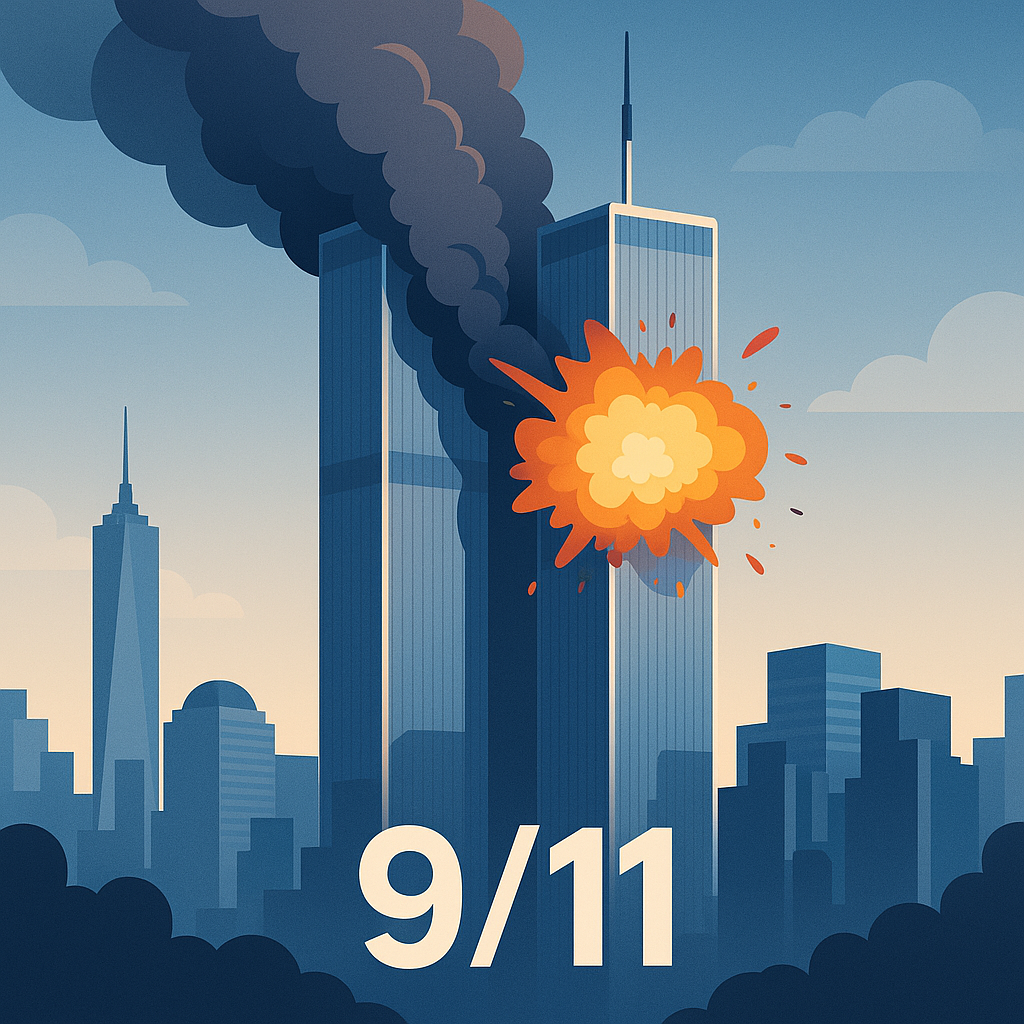
The 9/11 attacks represent one of the most pivotal moments in modern history, marking a day when the U.S. witnessed an unprecedented terrorist assault on its soil. On September 11, 2001, a series of coordinated attacks by the Islamic extremist group al-Qaeda resulted in catastrophic loss and changed global geopolitics dramatically. This article delves into the events of that tragic day, illustrating the sequence of assaults that unfolded, and analyzing the profound aftereffects that followed. Understanding 9/11 extends beyond its historical significance; it provides critical insights into the evolution of global security practices, international relations, and the ongoing battle against terrorism.
The term “9/11 attacks” refers to the hijacking of four airplanes, leading to massive destruction and significant loss of life. Most notably, the attacks resulted in the demolition of the World Trade Center’s twin towers in New York City, heavily damaged the Pentagon in Arlington, Virginia, and caused the crash of a fourth plane in Pennsylvania. Nearly 3,000 lives were lost, establishing 9/11 as the deadliest terrorist act in world history. The international response, comprising intensified security measures and military campaigns, has since transformed myriad aspects of global civil operations, foreign policies, and the everyday handling of security.
We will explore the detailed timeline of the 9/11 attacks, offering clarity on the sequence of events, explaining their immediate impacts, and discussing the broader ramifications that continue to influence the world today. Each section offers real-world applications and examples to ensure a comprehensive understanding of the topic and its ongoing significance.
Chronology of the 9/11 Attacks
The attacks on September 11, 2001, were precisely coordinated, targeting key symbols of American power and prestige. The day began with four separate flights on the morning of a clear Tuesday.
At 8:46 a.m., American Airlines Flight 11 crashed into the North Tower of the World Trade Center in Manhattan, engaging a global audience stunned by the unfolding tragedy. This was quickly followed by United Airlines Flight 175 hitting the South Tower at 9:03 a.m. Within less than an hour, at 9:37 a.m., American Airlines Flight 77 crashed into the Pentagon. Finally, the significance of the choice in targets was amplified when United Airlines Flight 93, which was intended for another key site likely the U.S. Capitol or White House, crashed into a field in Shanksville, Pennsylvania, as brave passengers attempted to regain control.
The impact of these attacks was immediate and devastating; both towers of the World Trade Center collapsed within two hours. Lives were lost, families changed forever, and a nation was started on a path of irreversible transformation. Media outlets across the globe transmitted these calamities live, bringing the horror directly into homes worldwide.
Immediate Aftereffects and National Response
In the direct aftermath of the 9/11 attacks, the United States experienced considerable shifts in governance and legislation to combat terrorism. The emerging global narrative centered on the necessity of national security and counter-terrorism measures.
Within hours of the attacks, American airspace was closed to all non-military flights. The U.S. government initiated emergency advisories that extended globally, warning allies and travel partners of the heightened threat level. Subsequently, Operation Enduring Freedom was launched against al-Qaeda in Afghanistan, initiating the War on Terror that continues to have geopolitical ramifications today.
One month after the attacks, Congress passed the USA PATRIOT Act, markedly expanding domestic and international surveillance and investigative powers of law enforcement agencies under the guise of national security. This legislation spurred controversies surrounding individual privacy and civil liberties, which continue to provoke debates and revisions.
- Global Alliance: Countries around the world supported American initiatives, contributing to the coalition efforts in Afghanistan.
- Security Overhaul: Airport security was drastically evolved, introducing stricter controls, identification verifications, and baggage screenings.
- Homeland Security: The United States established the Department of Homeland Security in 2002, consolidating multiple agencies into a single department tasked with maintaining public security in the face of such threats.
Long-term International Impacts
The impacts of 9/11 extended well beyond immediate security concerns. On a global scale, countries reinforced their security infrastructure, enforced stricter immigration protocols, and redefined diplomatic policies in collaboration with security goals.
Economically, the attacks prompted a downturn, with the stock market experiencing an unprecedented closure for several days. When trading resumed, there was significant volatility as markets reeled from uncertainty about future stability. The forgiveness of debts and the financial strategies implemented by global banking institutions represented pivotal responses to stabilize the global economy.
Furthermore, 9/11 catalyzed a discourse linking terrorism to associated cultural and geopolitical issues, such as the Israeli-Palestinian conflict, oil dependencies in the Middle East, and the roots of Islamic extremism. Efforts to address these underlying issues inspired multinational dialogues centered on peace-building; however, actual progress remains contentious and ongoing.
| Event | Date | Global Response |
|---|---|---|
| Operation Enduring Freedom | October 2001 | Military coalition initiated in Afghanistan, led by the US and supported by NATO. |
| USA PATRIOT Act | October 2001 | Legislation expanded investigative powers for the sake of national security. |
| Department of Homeland Security | November 2002 | Establishment focused on improving and coordinating domestic security measures. |
The realignment of international relations and diplomacy continues to resonate today, defining the geopolitical balance of power and influencing border security, military alliances, and foreign aid policies. Counter-terrorism has become a fundamental aspect of regional and international cooperation efforts, prompting countries to share intelligence, technology, and resources in counteracting transnational threats.
9/11’s Influence on Domestic Culture
The memory of September 11, 2001, has etched itself deeply into American culture, signifying both immense national loss and resilience. The cultural landscape of the United States transformed in several key ways:
At a societal level, attitudes toward Muslims and individuals of Middle Eastern descent shifted, leading to a rise in Islamophobia, often fueled by political and media narratives. This prejudice influenced domestic policy and invigorated discussions about multiculturalism and inclusivity. Moreover, the attacks intensified discussions about American identity, patriotism, and national pride.
The physical site of the World Trade Center was reconstructed into an emblem of hope and remembrance. The National September 11 Memorial & Museum was established to honor those who perished and to serve as a beacon of memory and education for future generations. Annually commemorated, the anniversary of 9/11 serves not only as a time of mourning but also encouragement toward global peace and understanding.
Cultural productions, literature, films, and documentaries continue to explore the nuances of this pivotal event, emphasizing the human stories and heroics displayed. Such retellings aim to preserve a collective memory and deepen understanding of the complexities surrounding 9/11.
Key Takeaways and Call to Action
The September 11 attacks remain a watershed moment that has continued to influence global perspectives on safety, policy, and international relationships. Understanding the detailed chronology and subsequent changes helps acknowledge the immense impacts that continue to ripple twenty years later.
The critical lessons from 9/11 revolve around the balance between ensuring security and protecting civil liberties, as well as acknowledging the necessity for international cooperation in confronting global threats. These dual goals must be met with sensitive understanding of cultural contexts and international interests.
Concurrently, it is vital to constructively address the root causes of extremism through education, economic development, and peace-building initiatives across pivotal regions. This multifaceted approach needs participation and commitment from governments, organizations, and communities alike.
Readers are encouraged to engage proactively by staying informed about security policies and participating in dialogues that further global inclusivity and peace initiatives. Taking steps to oppose any form of bigotry and support intercultural understanding remains a robust way to honor those affected on 9/11 and prevent the recurrence of such tragedies.
As we move forward, embracing unity, resilience, and compassion are key to overcoming challenges that transcend borders. Understanding the legacy of 9/11, its timeline of events, and its ongoing influence helps ensure collective security and peace for future generations.
Frequently Asked Questions
1. What was the sequence of events on September 11, 2001?
On the morning of September 11, 2001, a series of four coordinated terrorist attacks were carried out by the Islamic extremist group al-Qaeda against the United States. At 8:46 AM, the first plane, American Airlines Flight 11, crashed into the North Tower of the World Trade Center in New York City. Just 17 minutes later, at 9:03 AM, United Airlines Flight 175 struck the South Tower, resulting in massive explosions and fires at both towers. These impacts led the towers to collapse later in the morning, with the South Tower falling at 9:59 AM and the North Tower at 10:28 AM.
While these attacks were unfolding in New York, at 9:37 AM, American Airlines Flight 77 crashed into the Pentagon in Arlington, Virginia, leading to significant structural damage and casualties. The fourth hijacked flight, United Flight 93, intended for another target in Washington, D.C., crashed into a field in Somerset County, Pennsylvania, at 10:03 AM after passengers attempted to regain control of the aircraft from the hijackers. This coordinated attack marked a turning point in modern American and global history.
2. Who was responsible for the 9/11 terrorist attacks?
The 9/11 attacks were orchestrated by al-Qaeda, a militant Islamic extremist organization led by Osama bin Laden. Al-Qaeda’s primary goal was to expel Western influences from Muslim countries and to establish a caliphate. The group’s animosity towards the United States stemmed from its foreign policies in the Middle East, its support for Israel, and its presence in countries like Saudi Arabia.
From their base in Afghanistan, al-Qaeda meticulously planned and executed the attacks, exploiting weaknesses in aviation security. A total of 19 hijackers, primarily from Saudi Arabia, boarded the planes with the intent to turn them into weapons of mass destruction, changing the course of history and impacting U.S. and global security policies indefinitely.
3. How did the United States respond to the 9/11 attacks?
In response to the 9/11 attacks, the United States, led by President George W. Bush, launched the “War on Terror,” a global military campaign aimed at defeating terrorist organizations and eliminating the threats they posed. On October 7, 2001, the U.S., alongside allied forces, initiated Operation Enduring Freedom, targeting al-Qaeda bases and the Taliban regime in Afghanistan for harboring the terrorist group.
Domestically, the U.S. government implemented the USA PATRIOT Act, a sweeping piece of legislation designed to bolster national security through enhanced surveillance and law enforcement powers. The attacks also led to the creation of the Department of Homeland Security in 2002, aimed at preventing future terrorist attacks within the nation. These actions significantly impacted civil liberties and sparked global debates about security vs. privacy, the effectiveness of military interventions, and the ethical implications of such measures.
4. What were the immediate aftereffects of the 9/11 attacks?
The immediate aftermath of the 9/11 attacks was profound and multifaceted, affecting various aspects of society and provoking widespread fear, grief, and anger across the nation and the world. In the short term, the attacks led to the loss of nearly 3,000 lives and caused extensive damage to the World Trade Center and surrounding areas, resulting in billions of dollars in economic losses.
The psychological impact was immense, resulting in heightened national anxiety and a reevaluation of security protocols. Airports across the globe instituted more stringent security measures, and many buildings and public event organizers increased their security presence. In a broader sense, the attacks reshaped international relations, prompted the signing of numerous anti-terrorism treaties, and changed the landscape of global cooperation against shared threats.
5. How have the 9/11 attacks influenced global geopolitics in the long term?
The long-term influence of the 9/11 attacks on global geopolitics has been significant and far-reaching. The “War on Terror” reshaped international alliances and led to prolonged military engagements in Afghanistan and Iraq, actions that continue to influence geopolitical dynamics and regional stability today. These invasions were intended to dismantle al-Qaeda and remove threats of governments that allegedly supported terrorist activities, albeit with mixed results and considerable controversy surrounding their strategic and humanitarian outcomes.
The attacks also led to a reassessment of non-military tools for combating terrorism, such as international cooperation on intelligence sharing, border security enhancements, and efforts to counter radicalization on socio-political and economic fronts. The political discourse concerning civil liberties versus security, including privacy concerns regarding government surveillance, gained prominence and continues to resonate in policy discussions worldwide.
The legacy of 9/11 has permeated many facets of life and politics, influencing everything from immigration policies and domestic policing to technology’s role in security and citizens’ rights worldwide. Overall, it emphasized the interconnected nature of global security and the ongoing need for vigilance in the face of evolving threats.